
Baby Teething Ring
Sort by
21 products
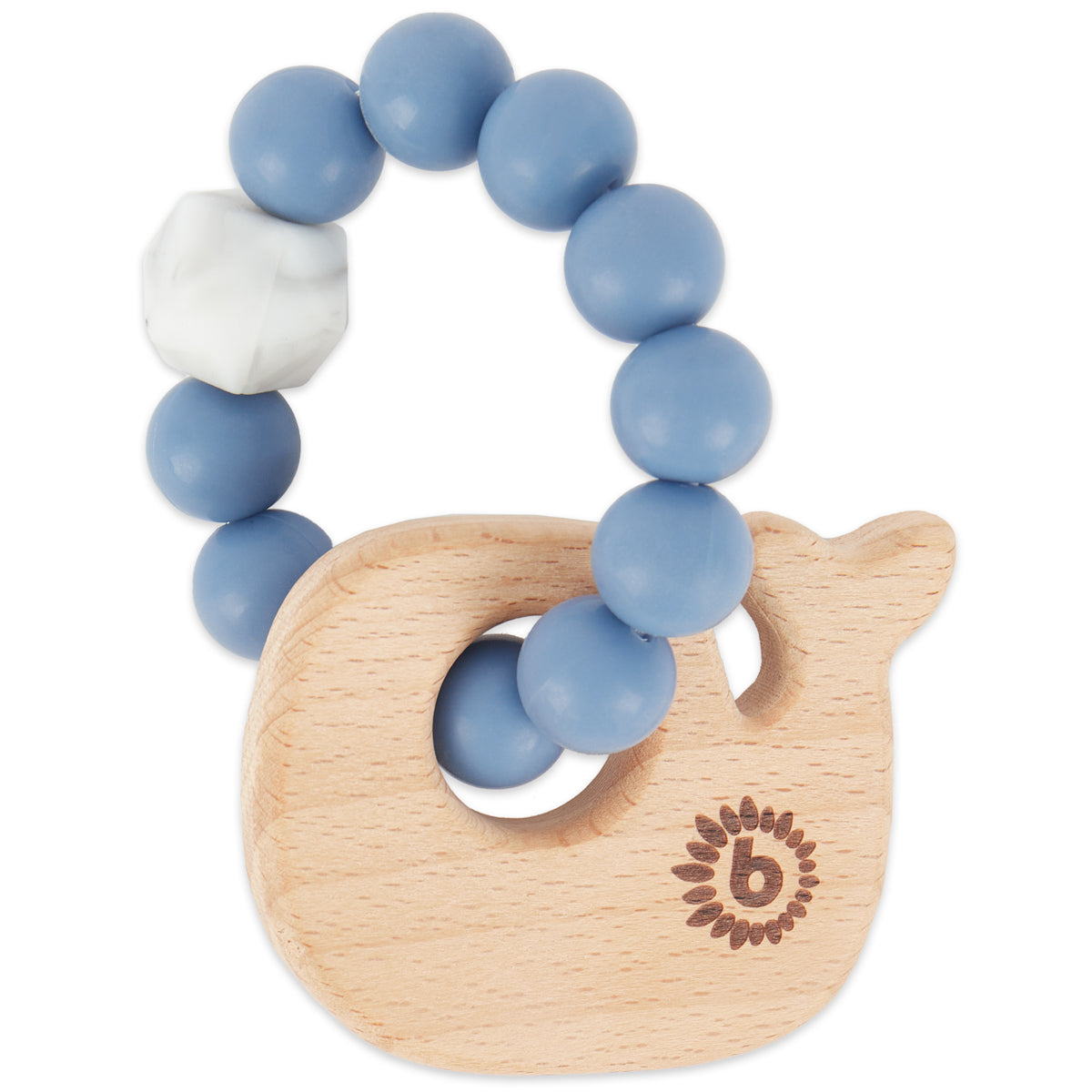
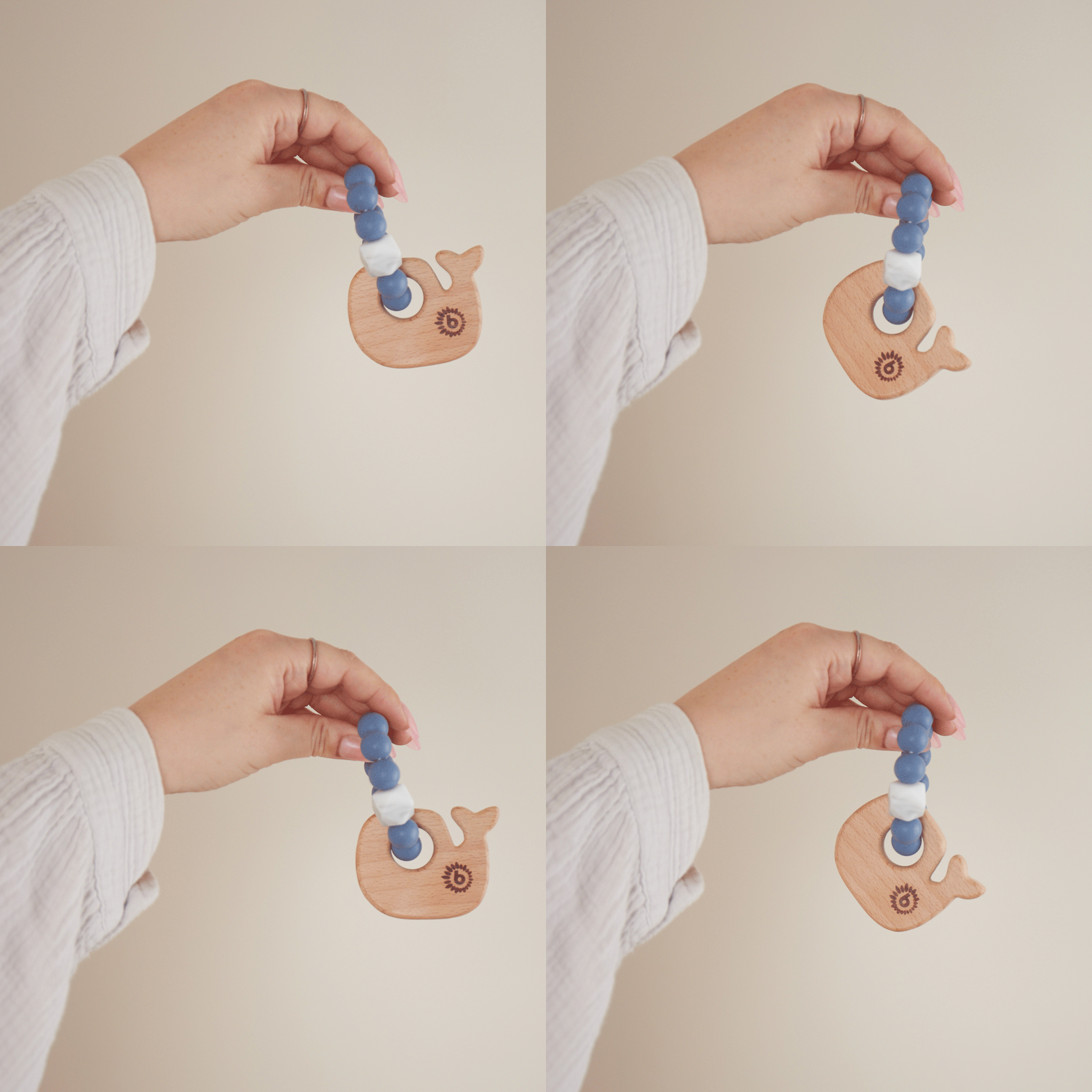
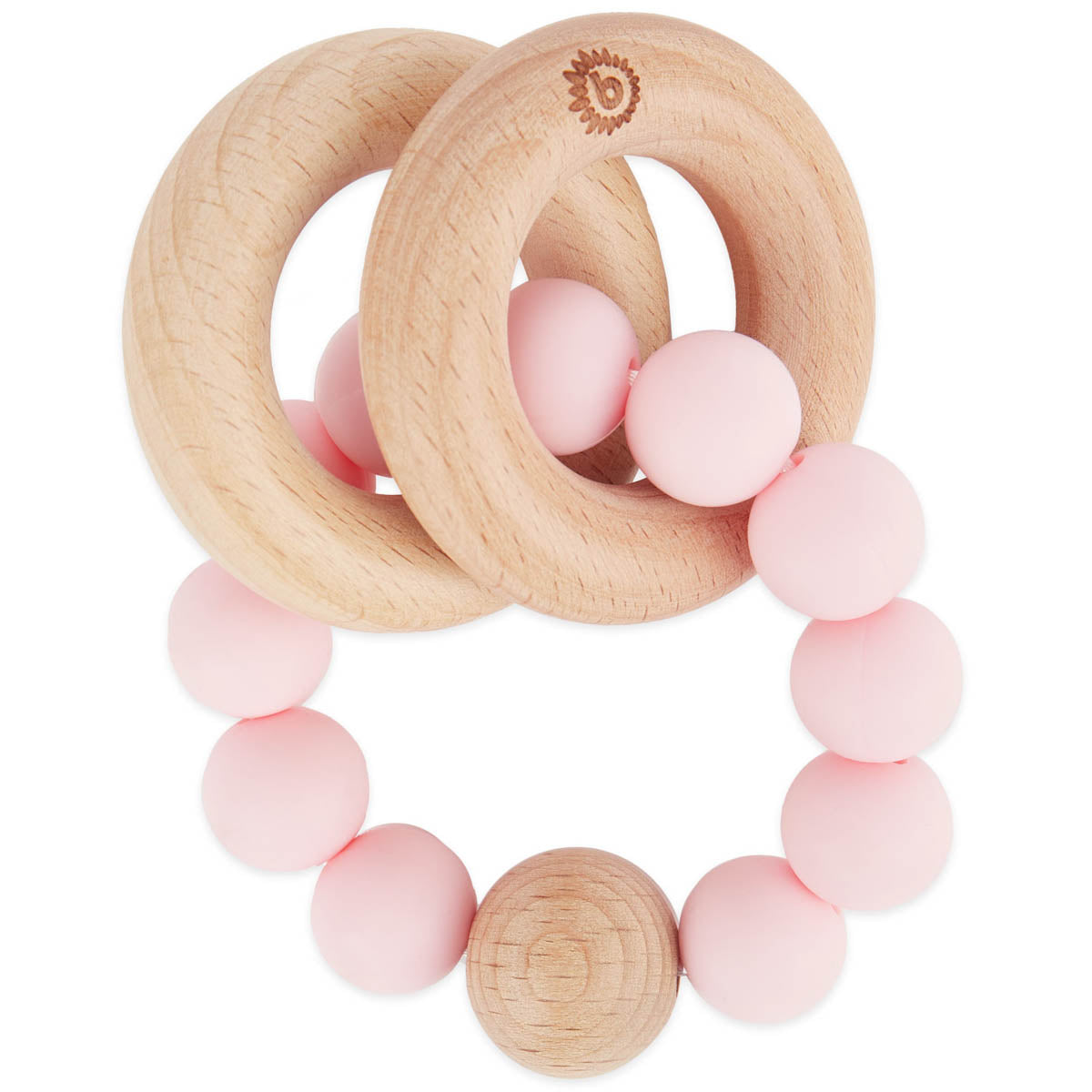
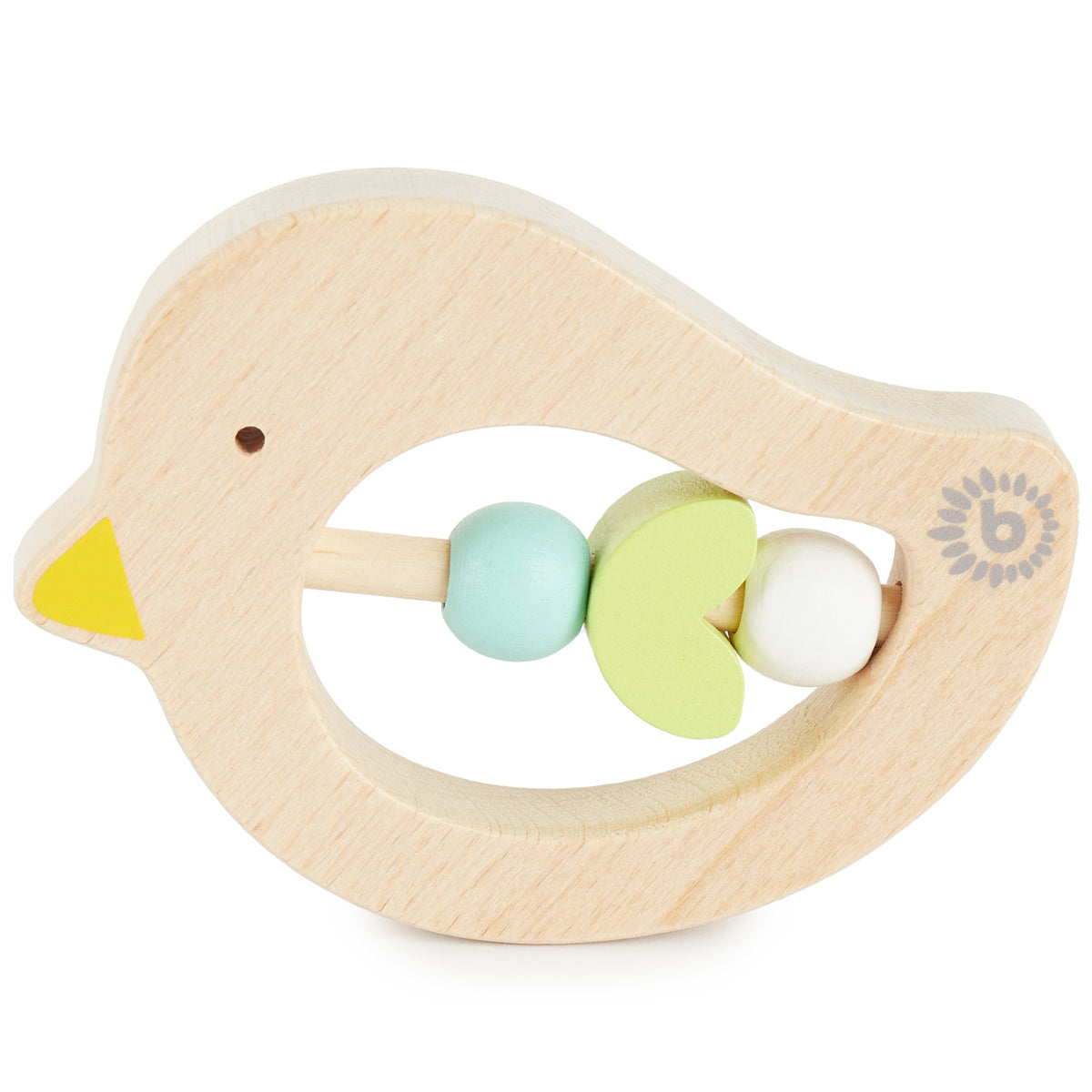
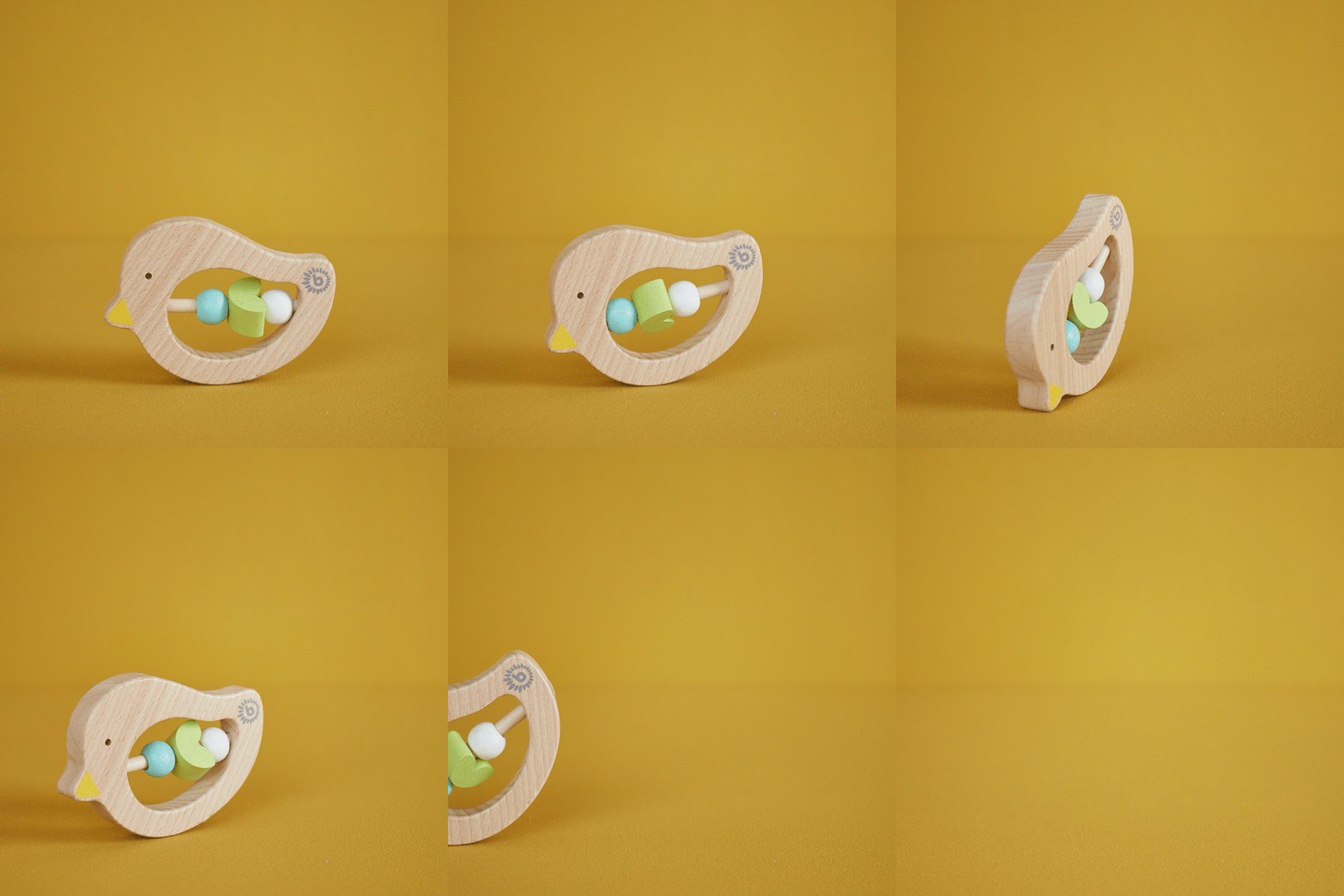
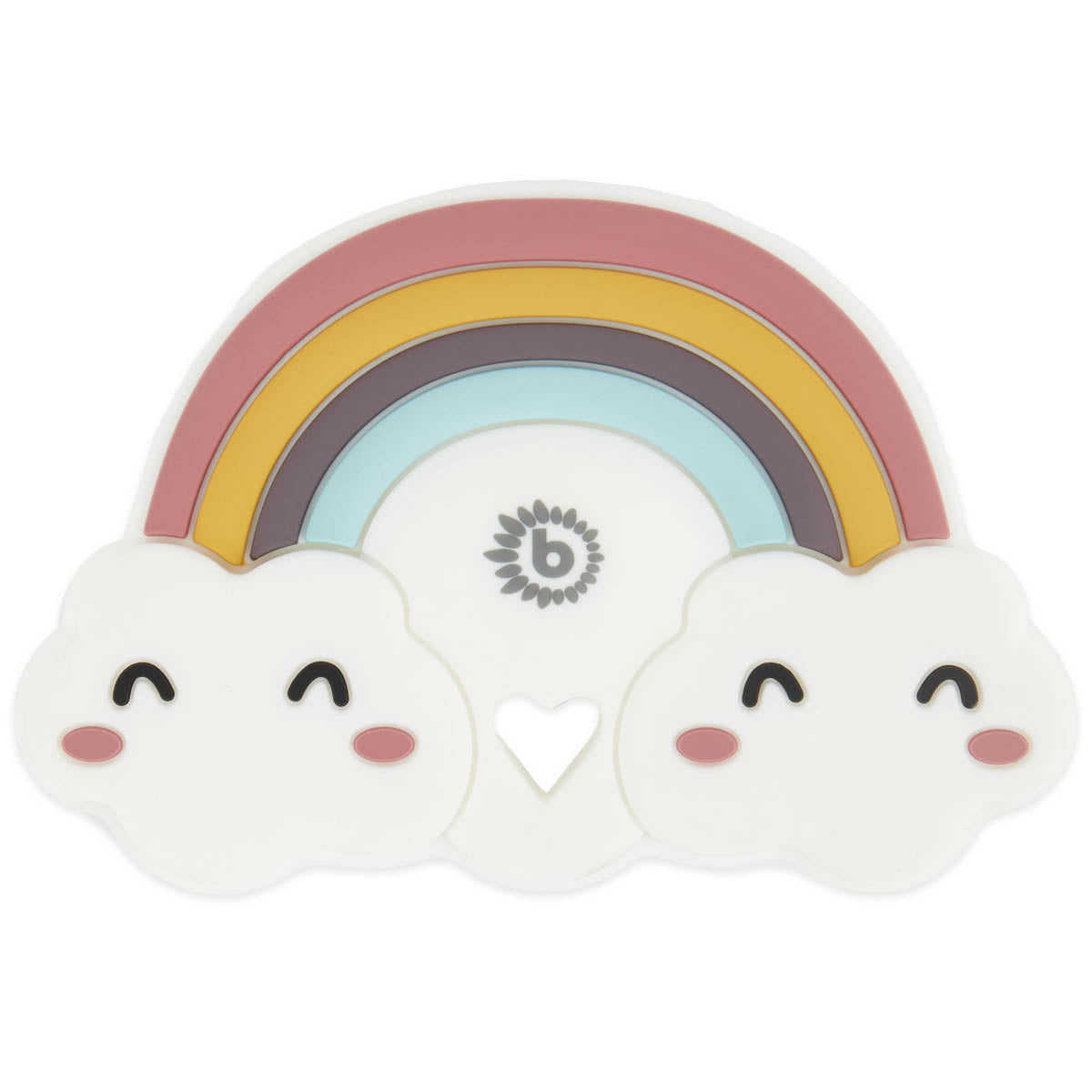
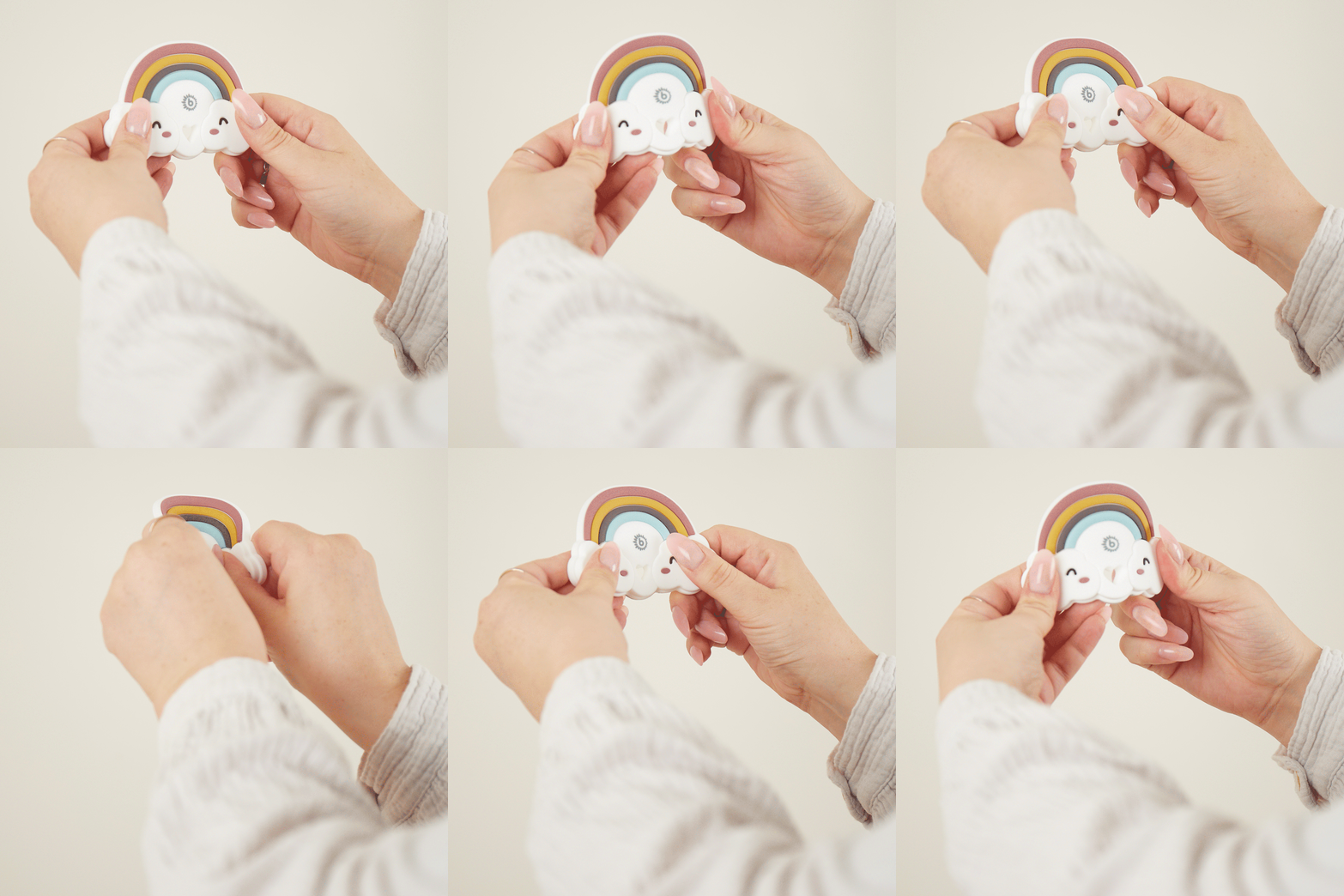
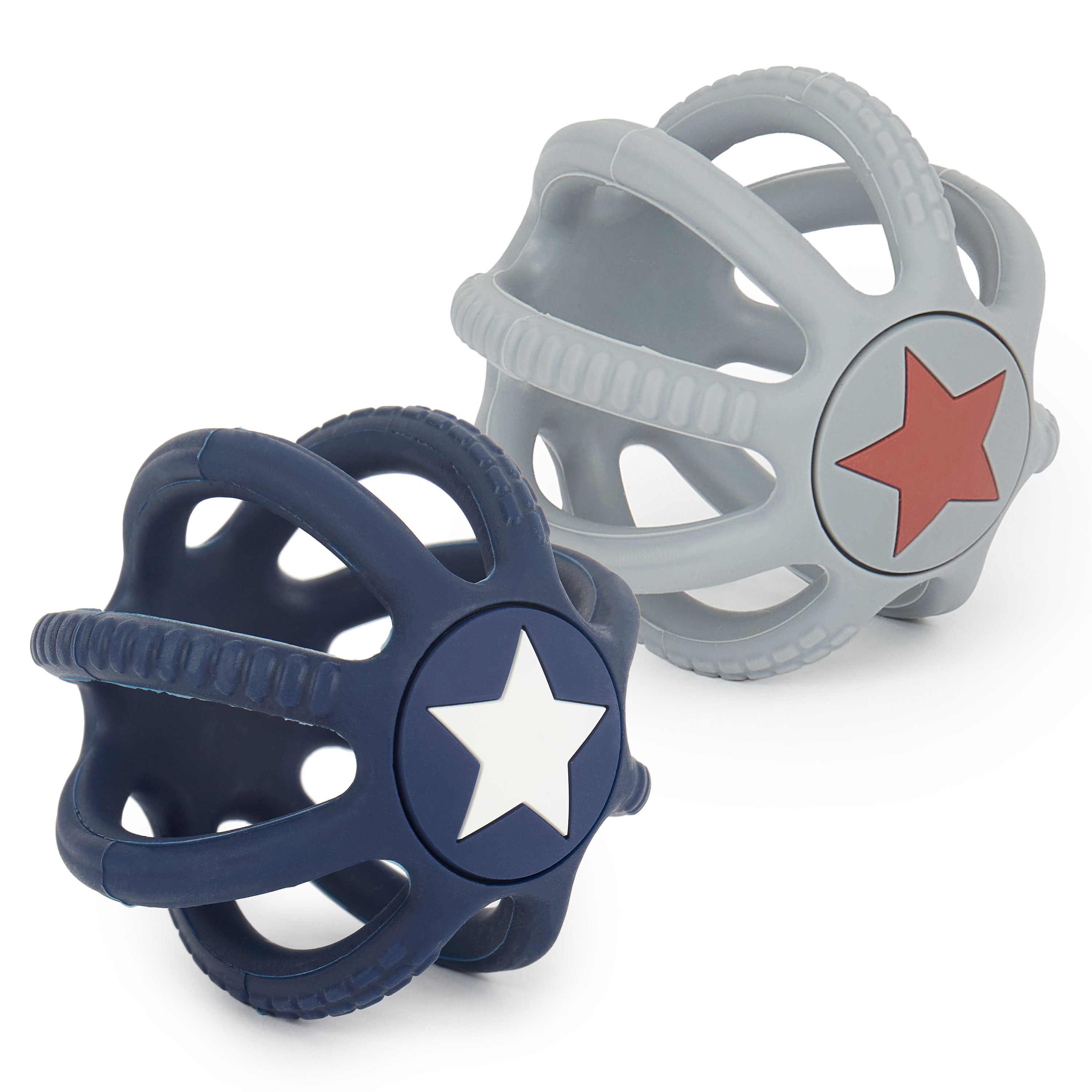
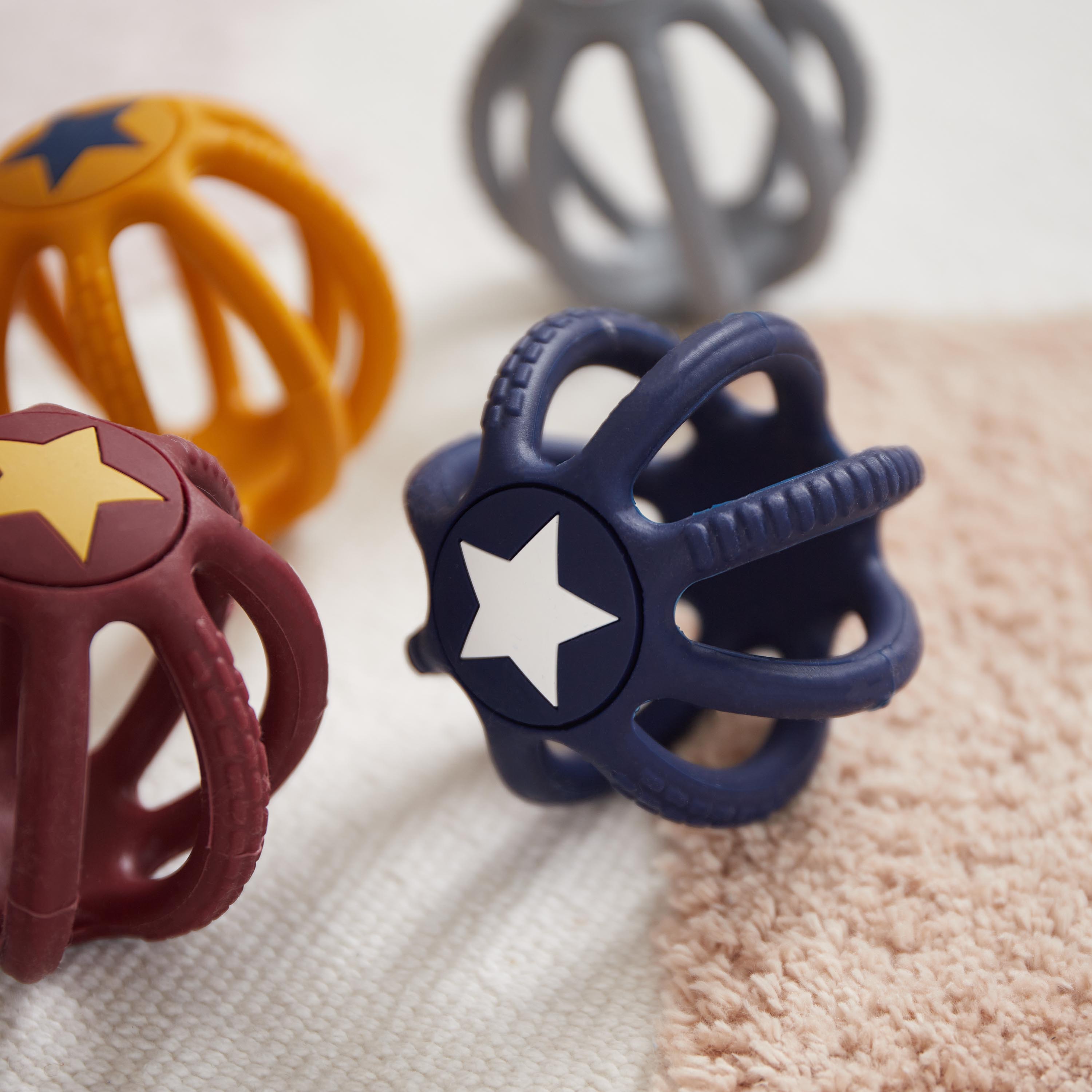
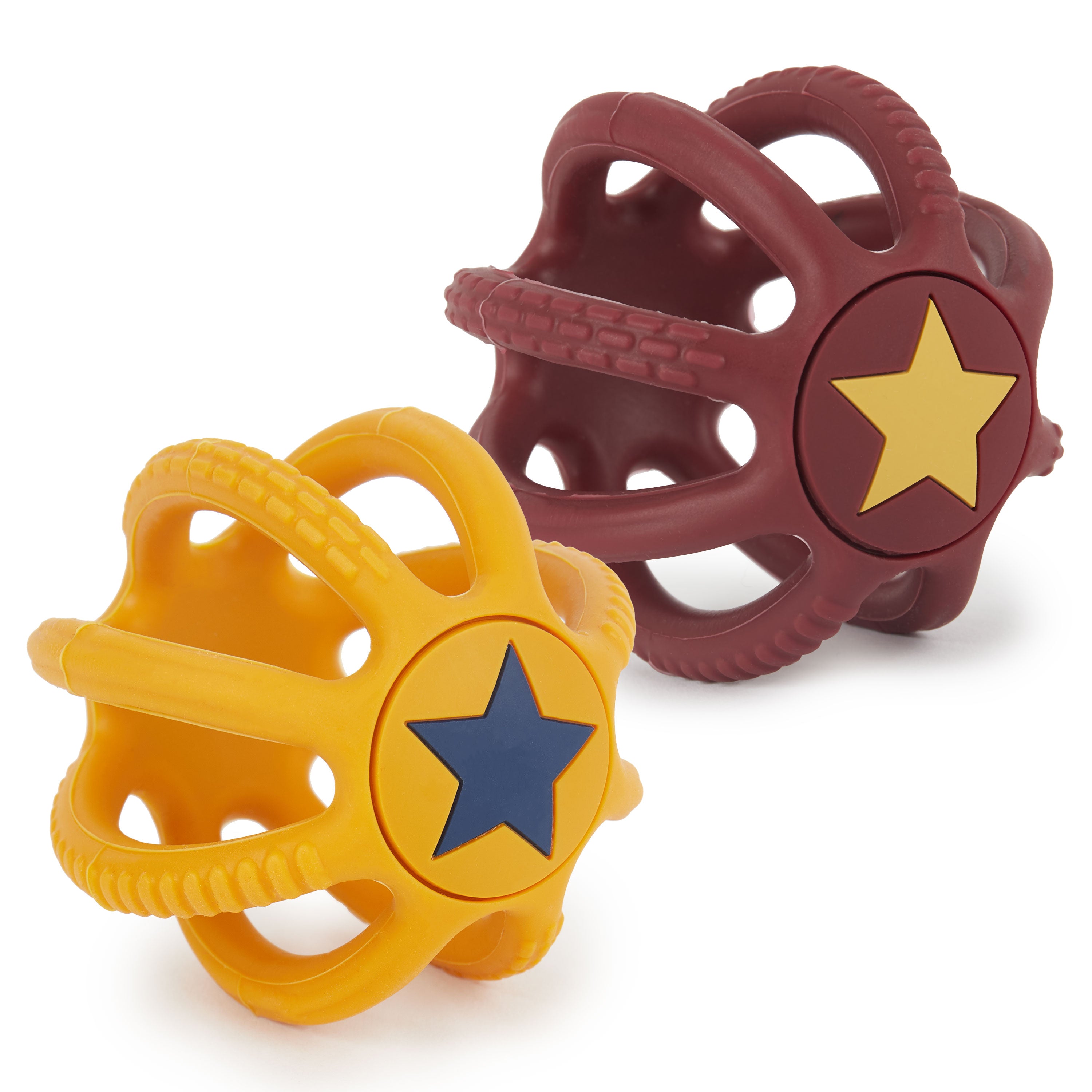
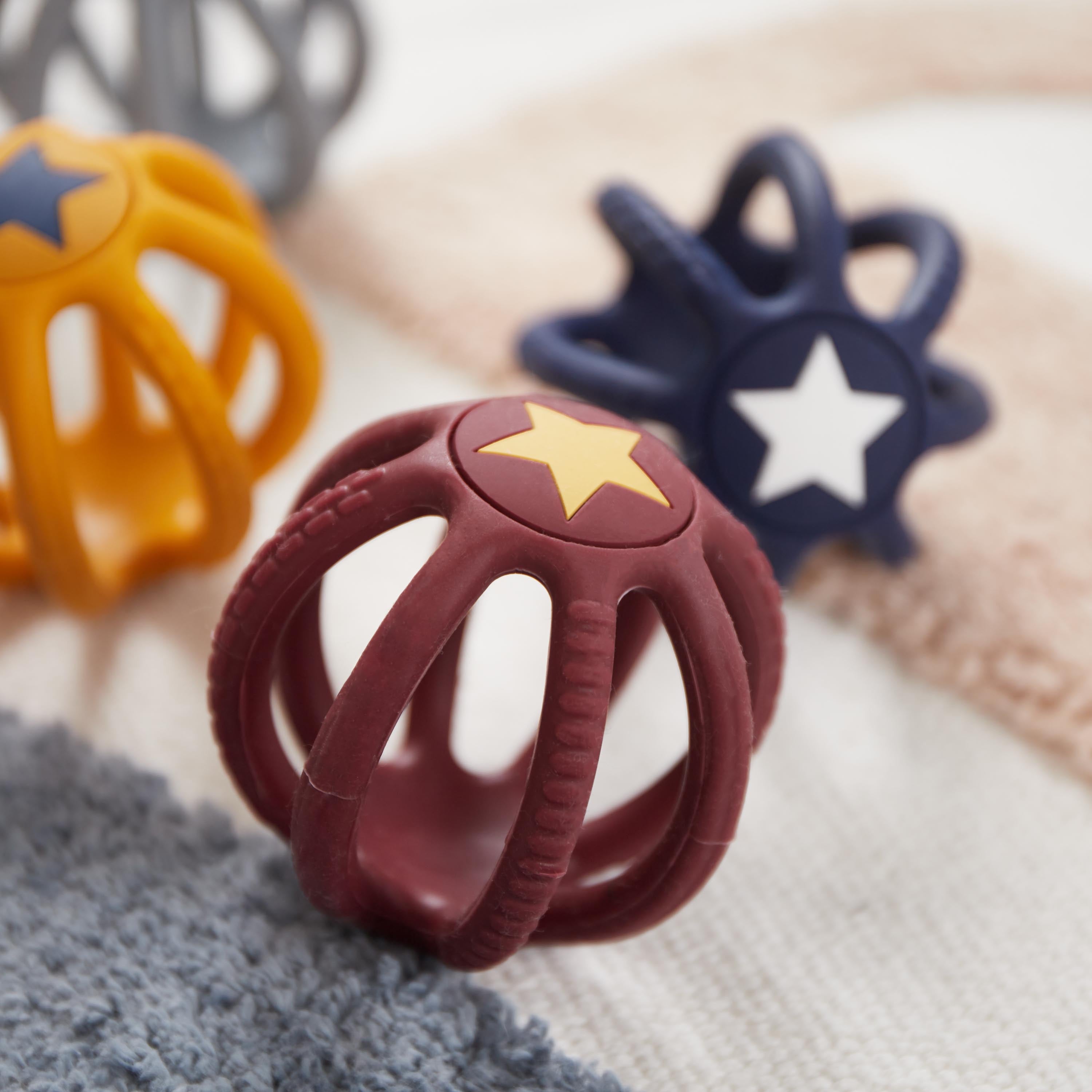
recently viewed
A baby teething ring is a teething aid that relieves babies' discomfort during teething by letting them chew on it. You can offer one as soon as your child starts deliberately bringing things to their mouth (for many babies from around 3–4 months) – always under supervision and with regular visual checks. According to the BZgA (German Federal Centre for Health Education), the first little teeth usually come through at 6–8 months (kindergesundheit-info.de: Tooth development). Safety tip for everyday use: intact surface, no loose parts, cleaning according to the manufacturer's instructions – that already goes a long way.
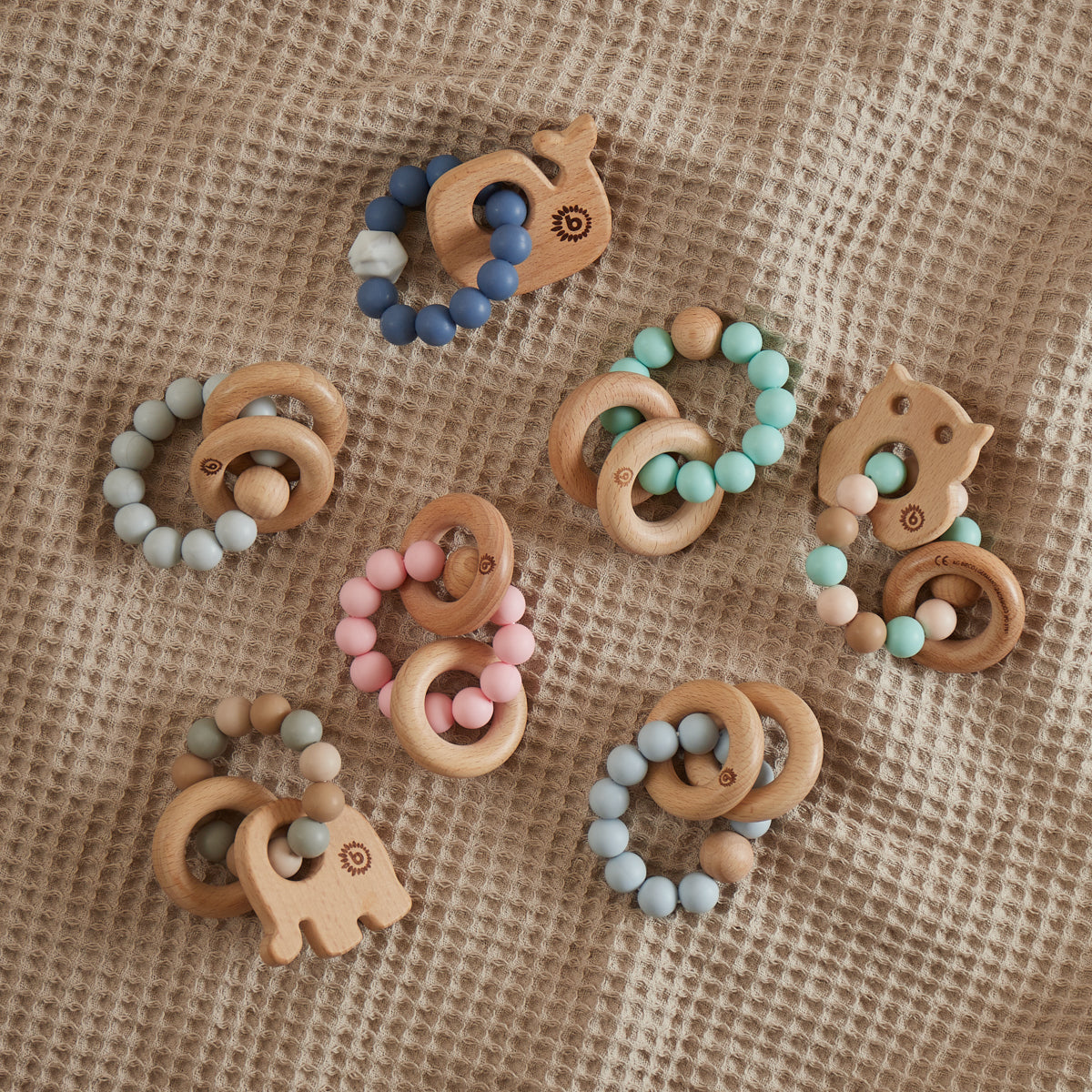
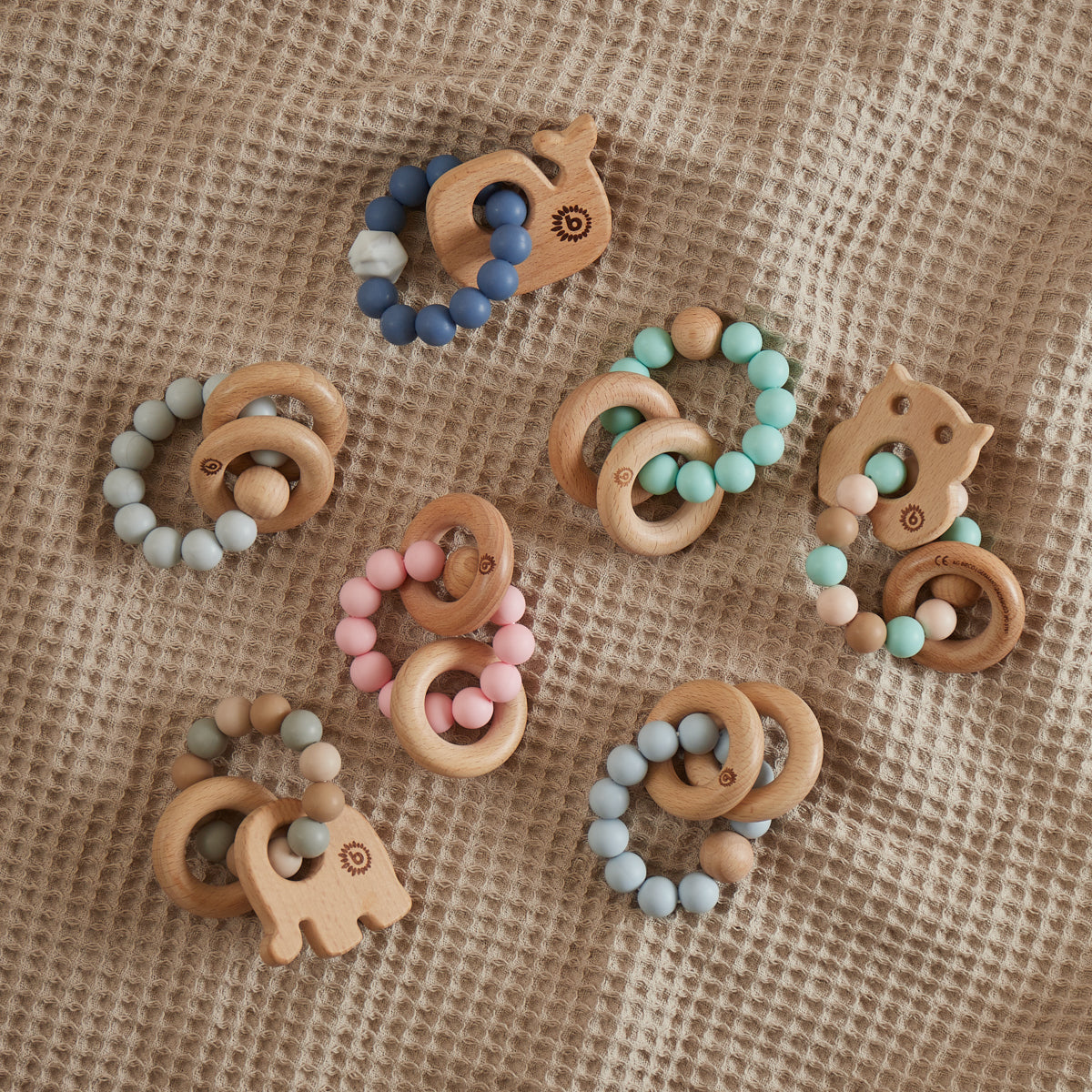
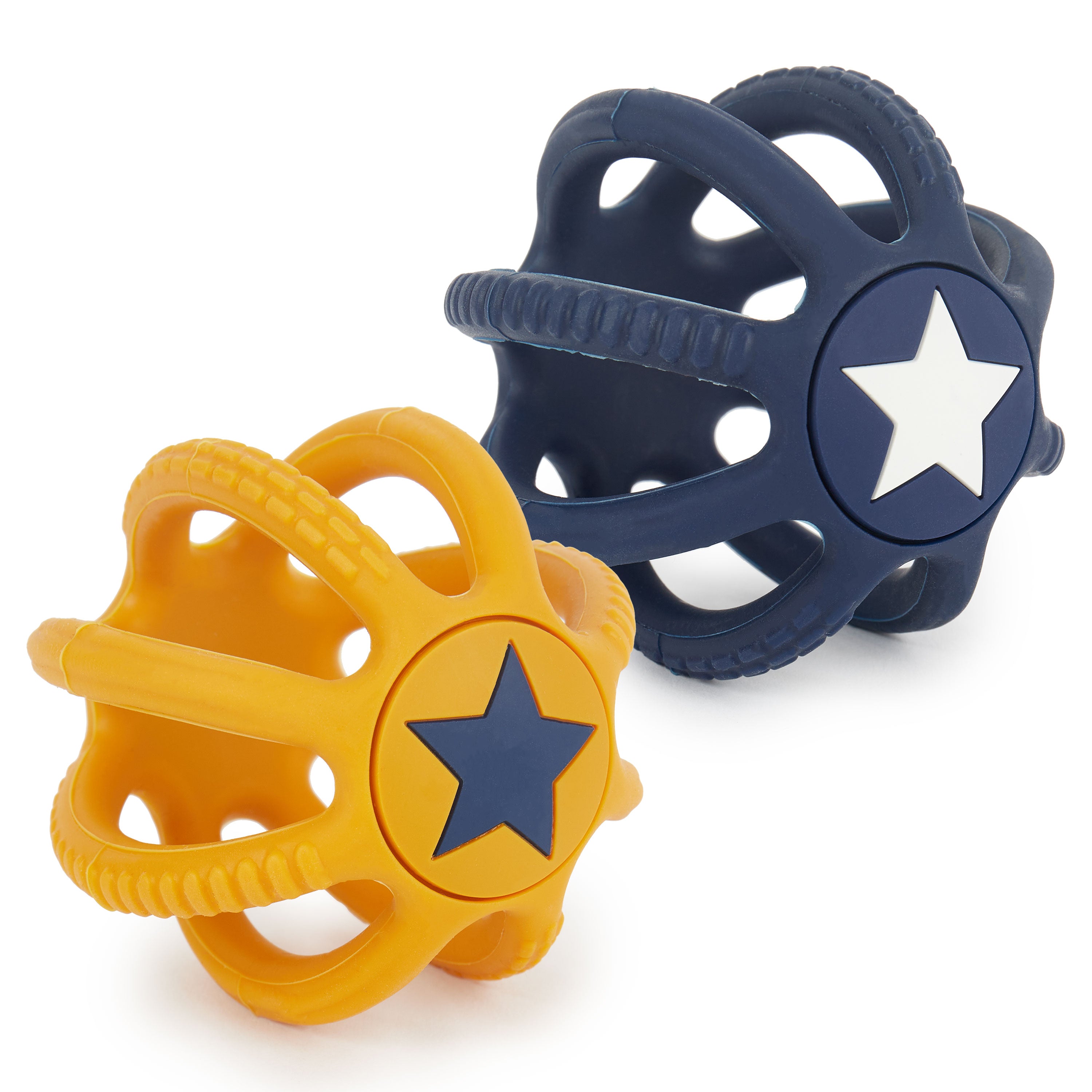
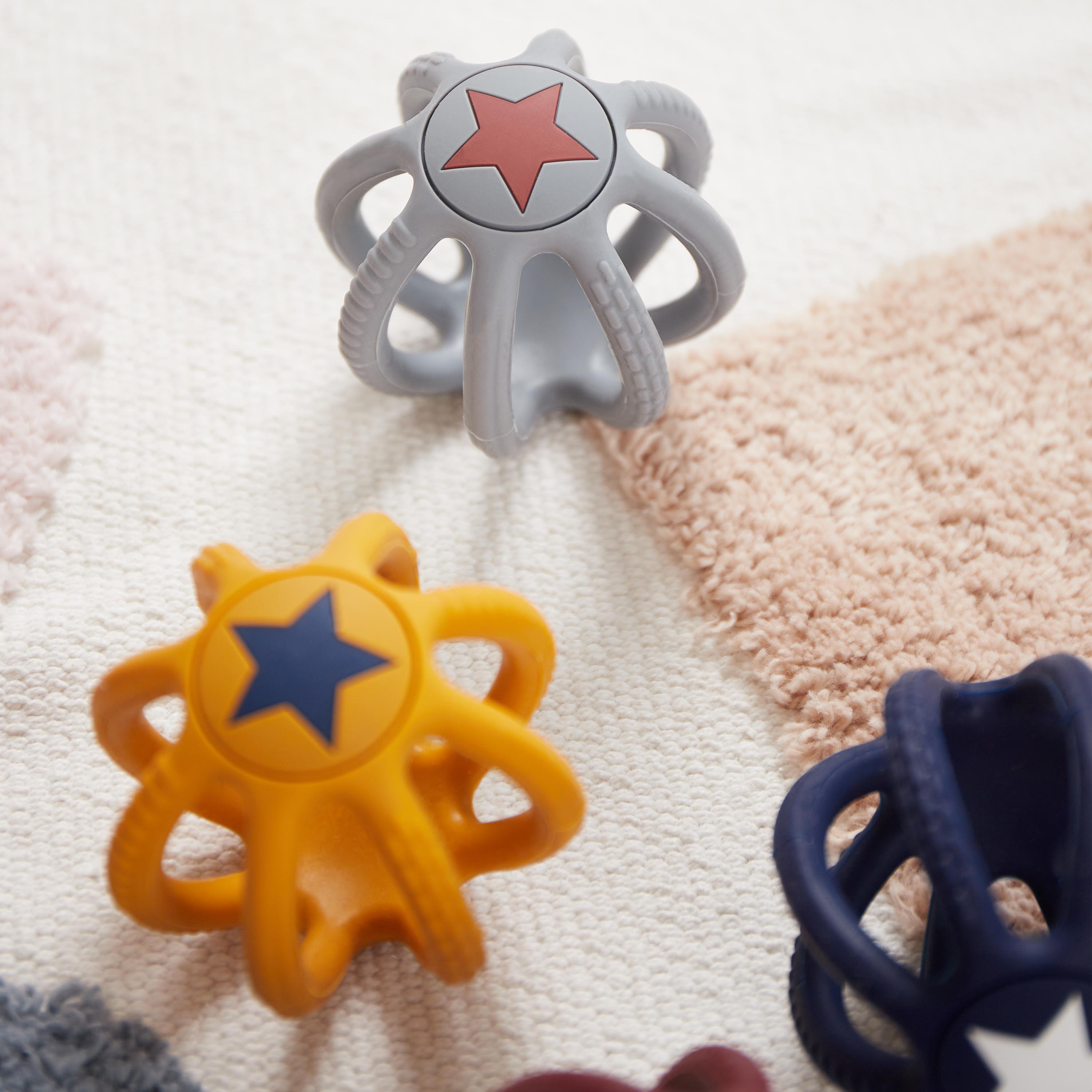
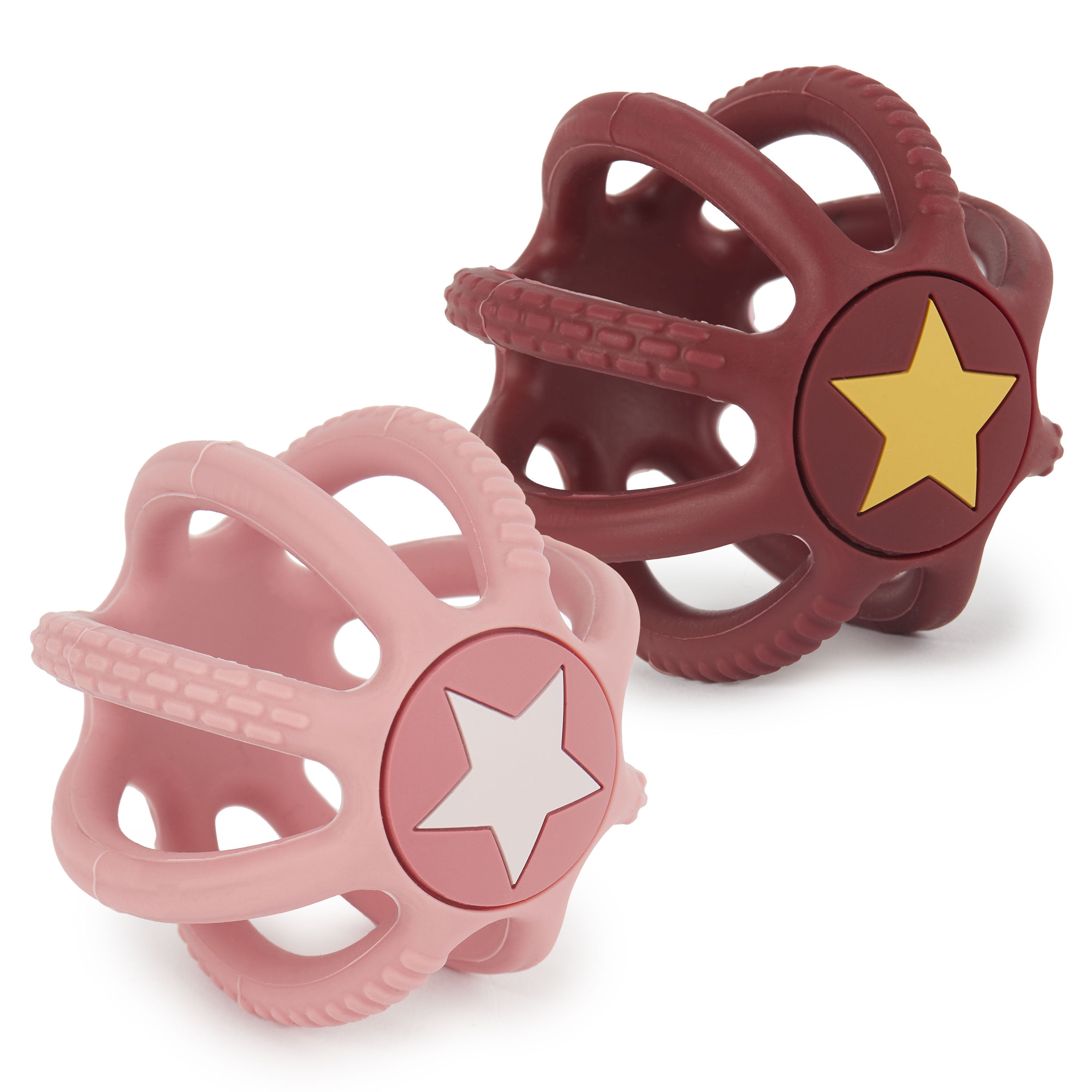
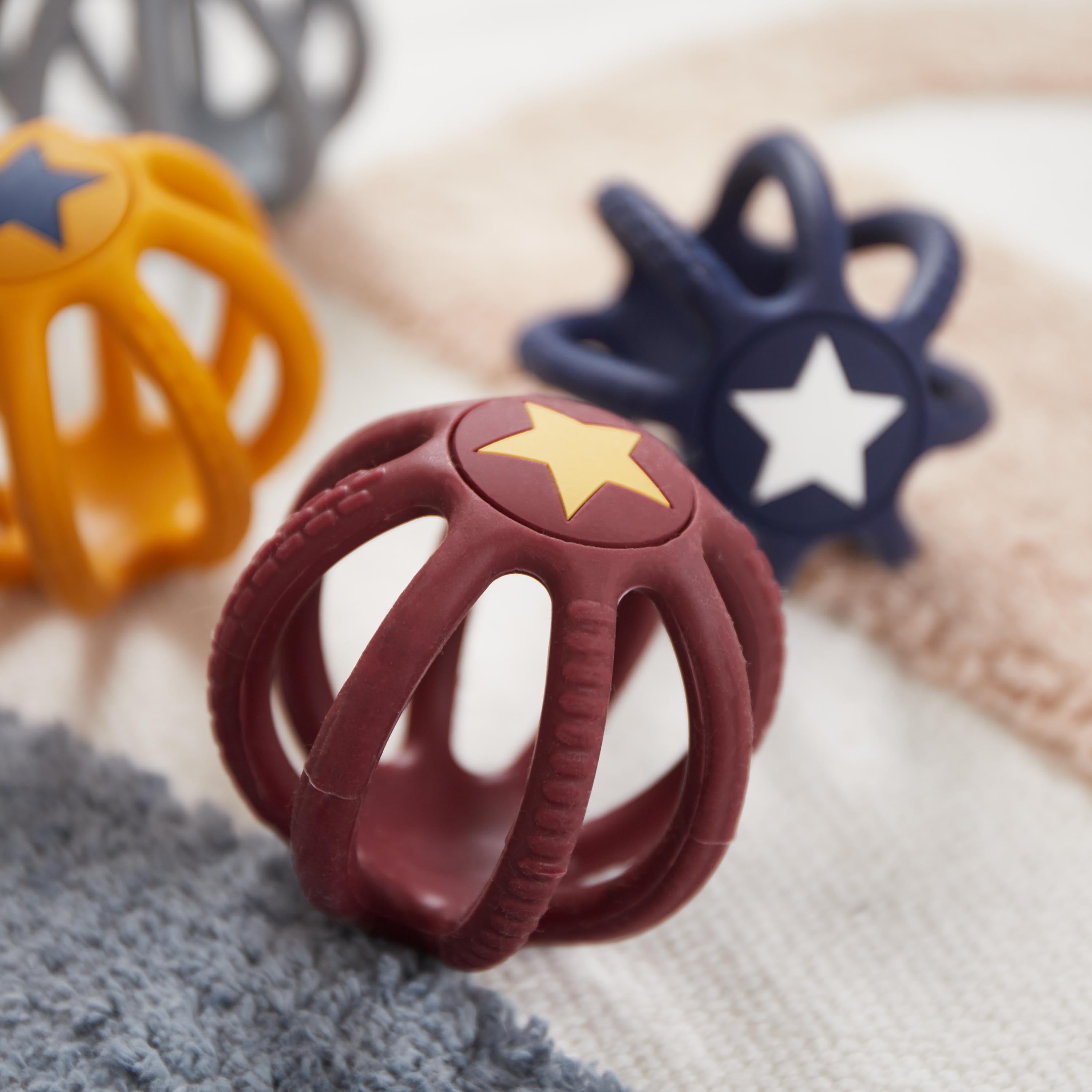
In our collection you will find teething rings, baby teething rings and grasping toys in a variety of shapes and materials. Handy if you can't decide between “baby teething ring for the diaper bag” and “something sturdy for at home”. And don't worry: at the beginning, it's common to try out two variants – babies are surprisingly opinionated about this.
The most important points at a glance
- Teething ring – from when? As soon as deliberate grasping and chewing begins, under supervision.
- The first teeth usually come in at 6–8 months; the set of baby teeth has 20 teeth.
- Silicone is soft and easy to grip, wood is firmer, natural rubber is elastic (clean gently).
- Cooling teething ring: only chill it as far as the manufacturer allows (test with your hand first).
- 2–3 teething rings in rotation save your nerves: one for on the go, one for at home, and one that is drying.
How to find the right teething ring in our collection (without lengthy deliberation)
The quickest way to find one you'll be happy with is to choose by material, shape and everyday situation. With currently 42 products in the collection, a little plan is worthwhile – then you won't end up clicking in circles.
- Material: soft (silicone) or firmer (wood) – or a combination of both.
- Shape: ring, grasping toy, ball – what matters is that little hands can “dock on” easily.
- From birth / from X months: go by the age recommendation on the product.
- On the go: models with a chain/clip option are handy when things keep falling down.
- Cleaning: want it uncomplicated? Then choose variants that can be cleaned quickly.
- Extra feature: cooling teething ring only if it is expressly designed for that.
Baby teething ring – from when? A mini algorithm for tired days
If your baby chews on everything and can grasp well, the question “baby teething ring from when” is usually answered. You don't need perfect timing – you need a safe product and a baby who can handle it.
- If your baby seems very sensitive: then start with soft silicone.
- If your baby chews hard and persistently: then try wood or textured silicone.
- If everything falls down when you're out and about: then choose a teething ring with a chain/clip option (attach it correctly).
- If you need quick cleaning: then prefer easy-care materials (follow the instructions).
For context: according to the BZgA, the first teeth usually appear at 6–8 months and by around 2.5 years the set of baby teeth with 20 teeth is complete (kindergesundheit-info.de: Tooth development).
Fabric, silicone, wood or natural rubber – what makes the difference in everyday life?
The best material is the one your baby happily takes and that you can reliably get clean. Sounds unspectacular – but that is exactly where many families end up.
A silicone teething ring feels soft and is often especially easy to grip. That's practical when grasping is only just “going online”.
A wooden teething ring is firmer and offers more resistance when chewing. Some babies like exactly this “crunchier” feel.
A natural rubber teething ring is elastic, but can have a smell of its own. On the plus side, many babies find it pleasant to chew on – just clean it gently and according to the instructions.
If you want to compare in more depth (including natural rubber teething rings): Teething ring made of wood, silicone or natural rubber? The big comparison.
Well-known brands (e.g. Sophie la girafe, NIP): what to look for when comparing?
If you're searching for “sophie la girafe teething ring” or “nip teething ring”, it's best to compare soberly by material, care and labeling. Brands are nice for gut feeling – but in everyday life the basics count.
- Material & smell: natural rubber can have a typical smell; silicone usually has less odor.
- Cleaning: is warm water enough for a quick clean – or does it need more care (e.g. with wood)?
- Age recommendation: take it seriously, especially with very young babies.
- Surface: no cracks, no sticky spots, no parts coming loose.
- Product information: clear manufacturer information is a good sign – no matter which brand is on it.
More on bestsellers & what to look for when buying: Sophie la girafe & other bestsellers: the most popular teething rings.
Cooling teething ring: can be soothing – but please be gentle
A cooling teething ring only helps if it is mildly chilled and used correctly. Please only chill it as far as the manufacturer allows – and briefly test the temperature with your hand beforehand. “Ice cold” may sound effective, but for the gums it is often simply too much.
In detail (benefits, risks, alternatives): Cooling teething rings for babies: benefits, risks & tips.
Safety & harmful substances: the 3 checks that really make a difference
With teething rings, what matters most is: intact, clean and age-appropriate. That is less glamorous than any seal in the world – but in real life it is the most important lever.
- Visual check: cracks, loose parts, rough spots? Then it's better to replace it.
- Cleaning: according to the manufacturer's instructions – and let it dry well afterwards.
- Only under supervision: sounds strict, but it is standard for anything that ends up in the mouth.
A small block of facts, because it belongs here: the BfR (German Federal Institute for Risk Assessment) explains that children can be more heavily exposed to phthalates by putting objects in their mouths; certain phthalates are prohibited in toys and baby products that can be put in the mouth (BfR: Questions & answers on phthalate plasticizers).
And for EU toys, the Toy Safety Directive 2009/48/EC is the guideline: it contains limit values for the migration of certain elements and names 19 elements with limit values (EUR-Lex: Directive 2009/48/EC). DIN also explains that DIN EN 71-3 describes suitable test methods for this (DIN: DIN EN 71-3 explained).
A “CE” mark does not replace a look at workmanship and care instructions. It is a mandatory topic – but your everyday test (intact/clean/supervised) remains the foundation.
What will you find at BIECO? (short, concrete, no drumroll)
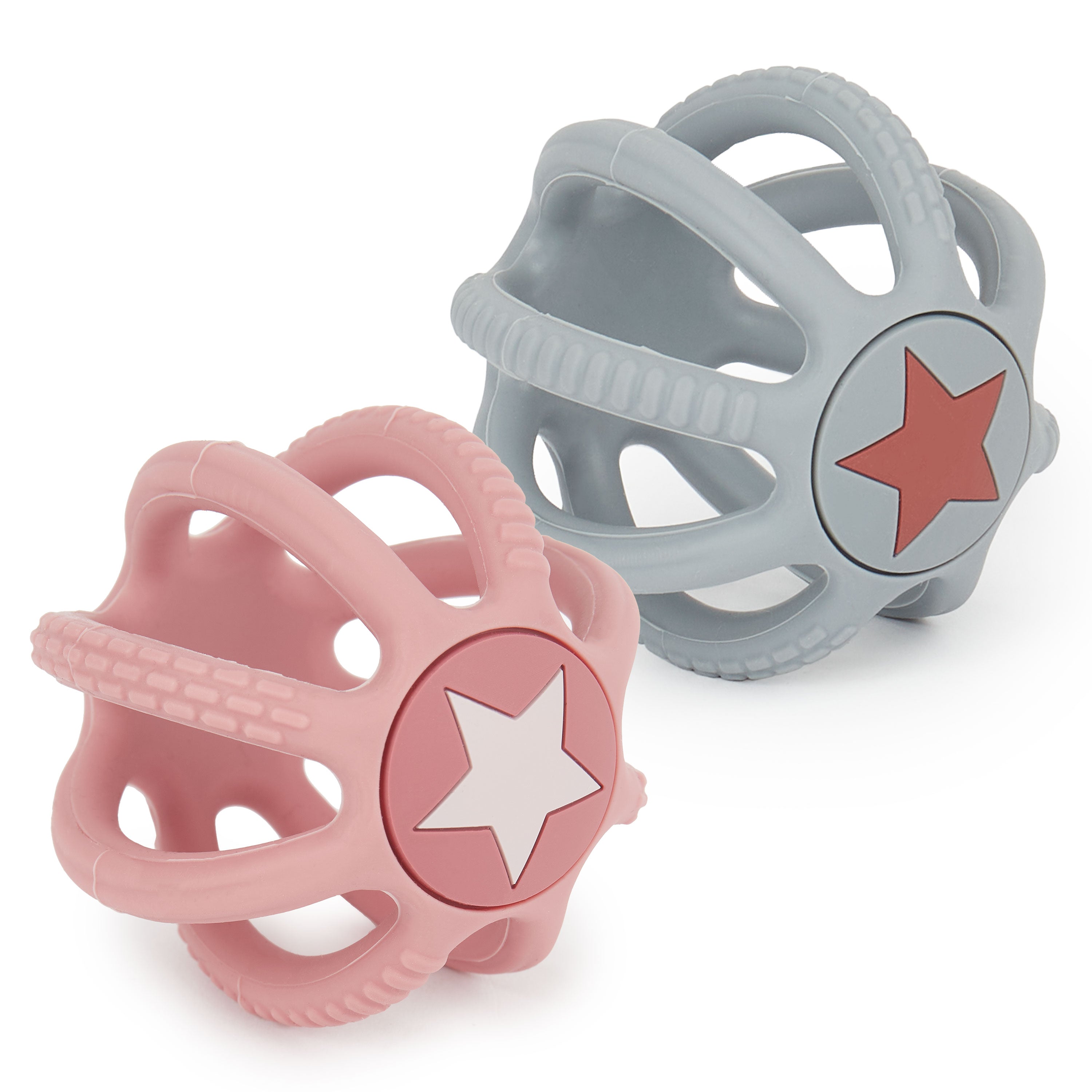
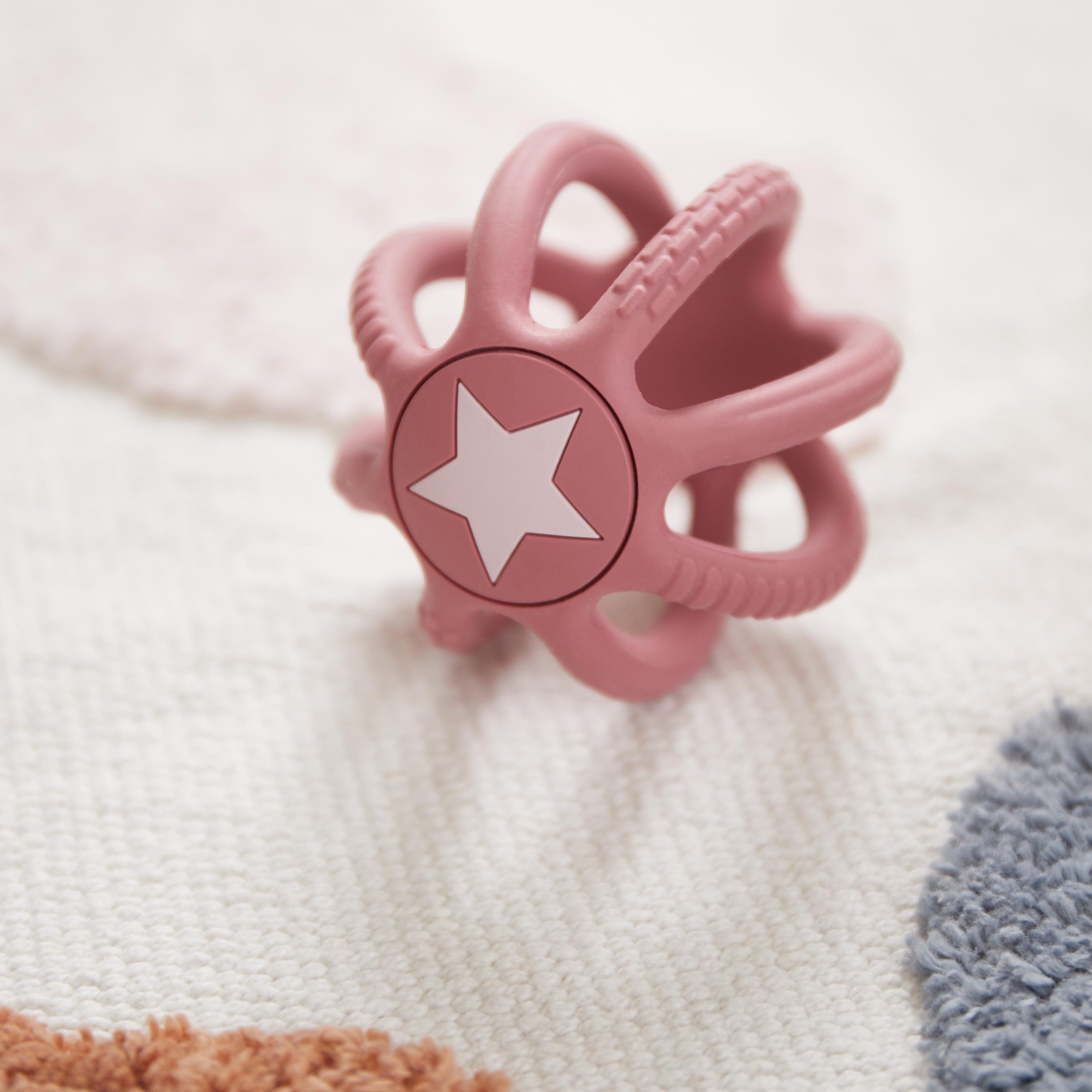
In the BIECO / Bieco Spielwaren “Teething Rings” collection you will find a variety of baby teething rings, grasping toys and teething grasping balls. In other words, exactly the things you can grab quickly – and that don't immediately look like “toy overload”.
If you feel like browsing with a system, here are a few direct jumps:
- Teething rings – back to the collection.
- Rattles and teething rings – if you want grasping & sounds in one.
- Wooden toys – for everyone who loves the wooden look.
- Stroller toys – so less ends up on the sidewalk when you're out and about.
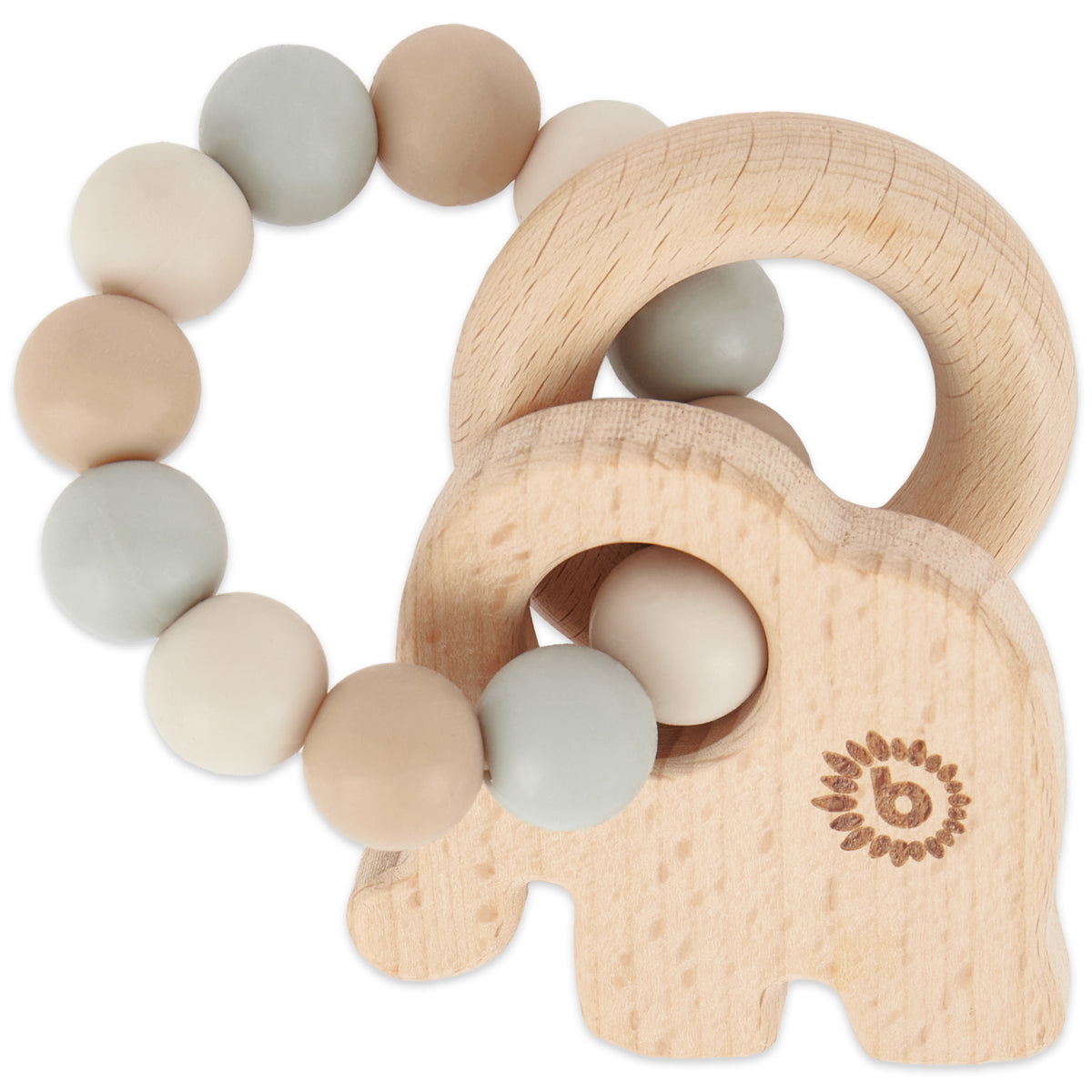
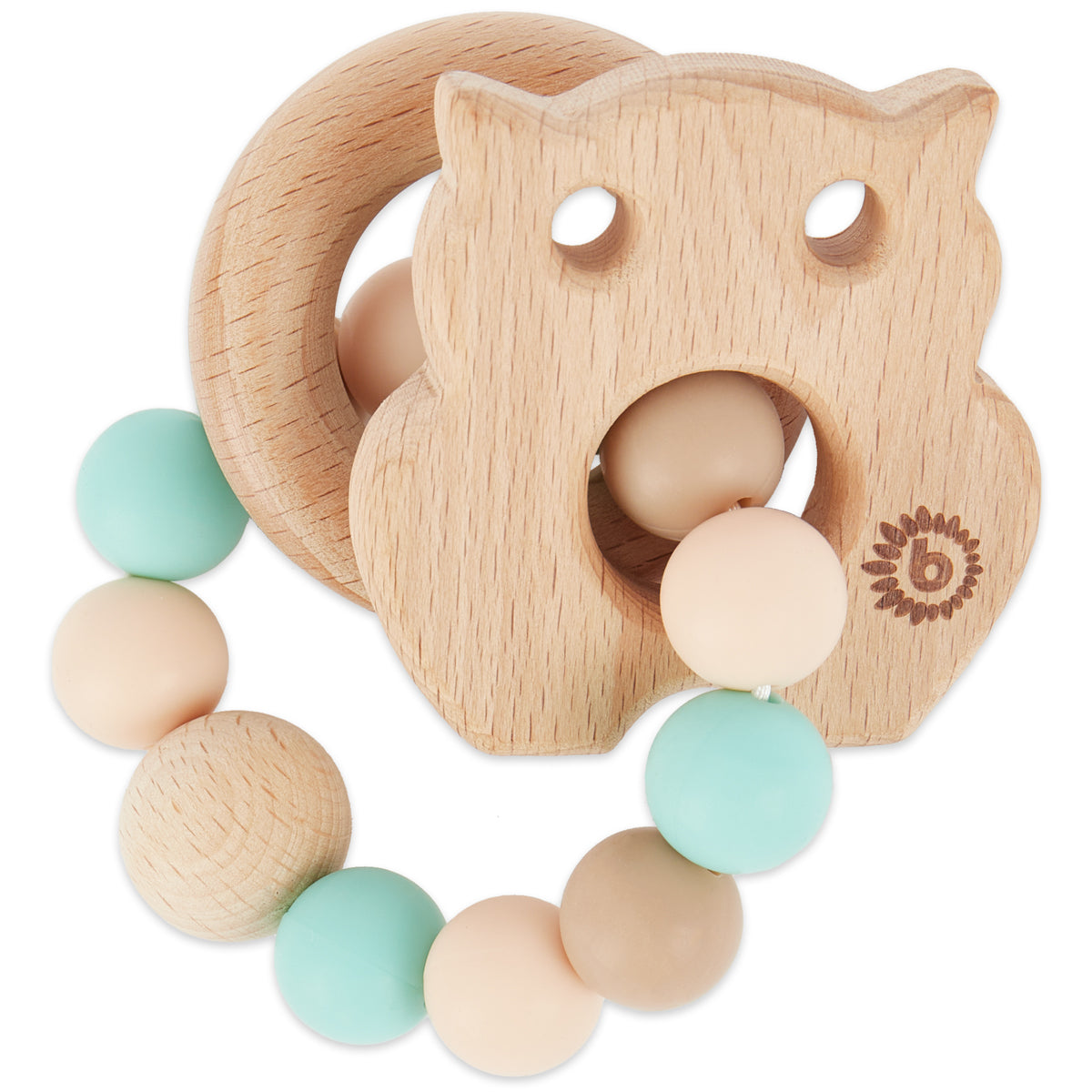
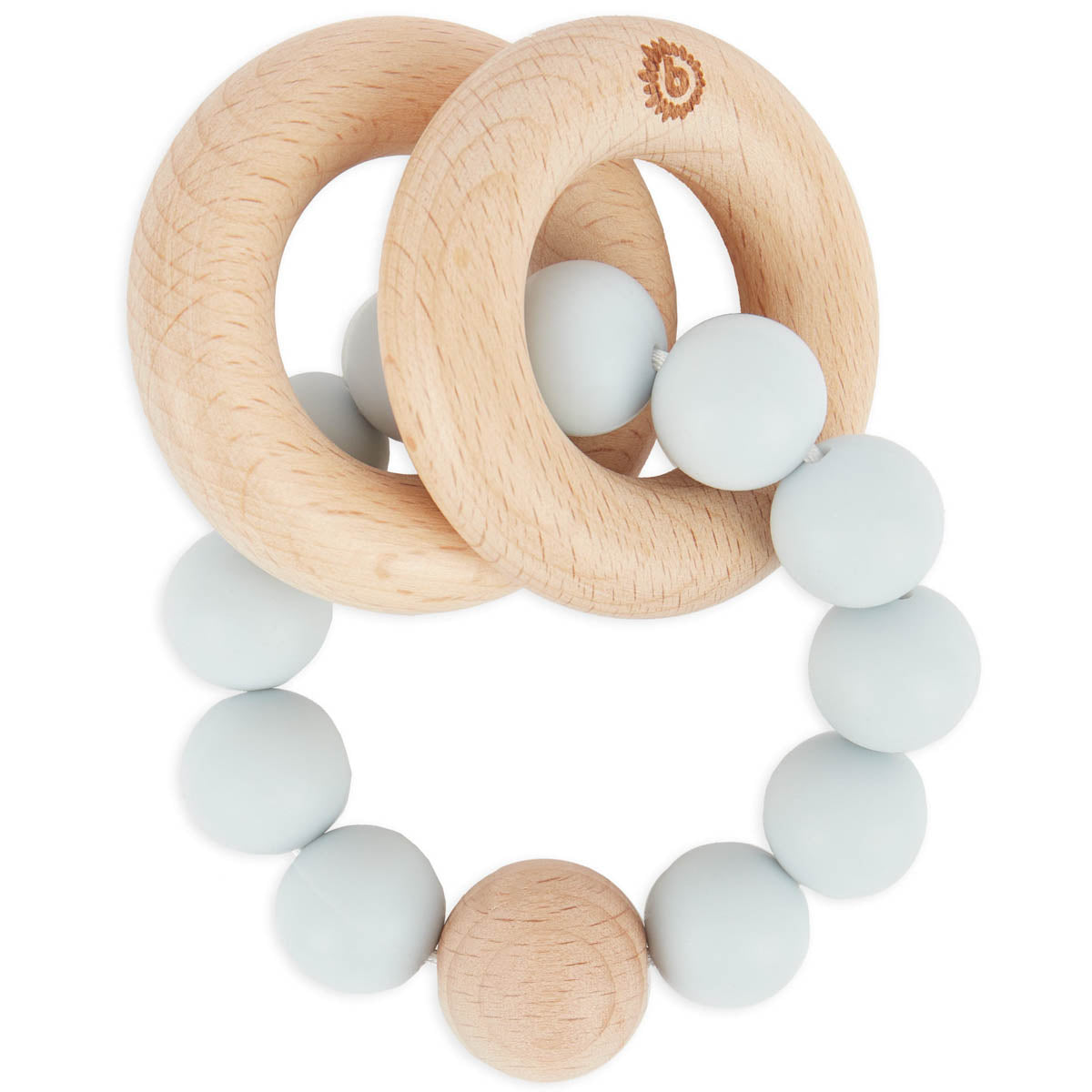
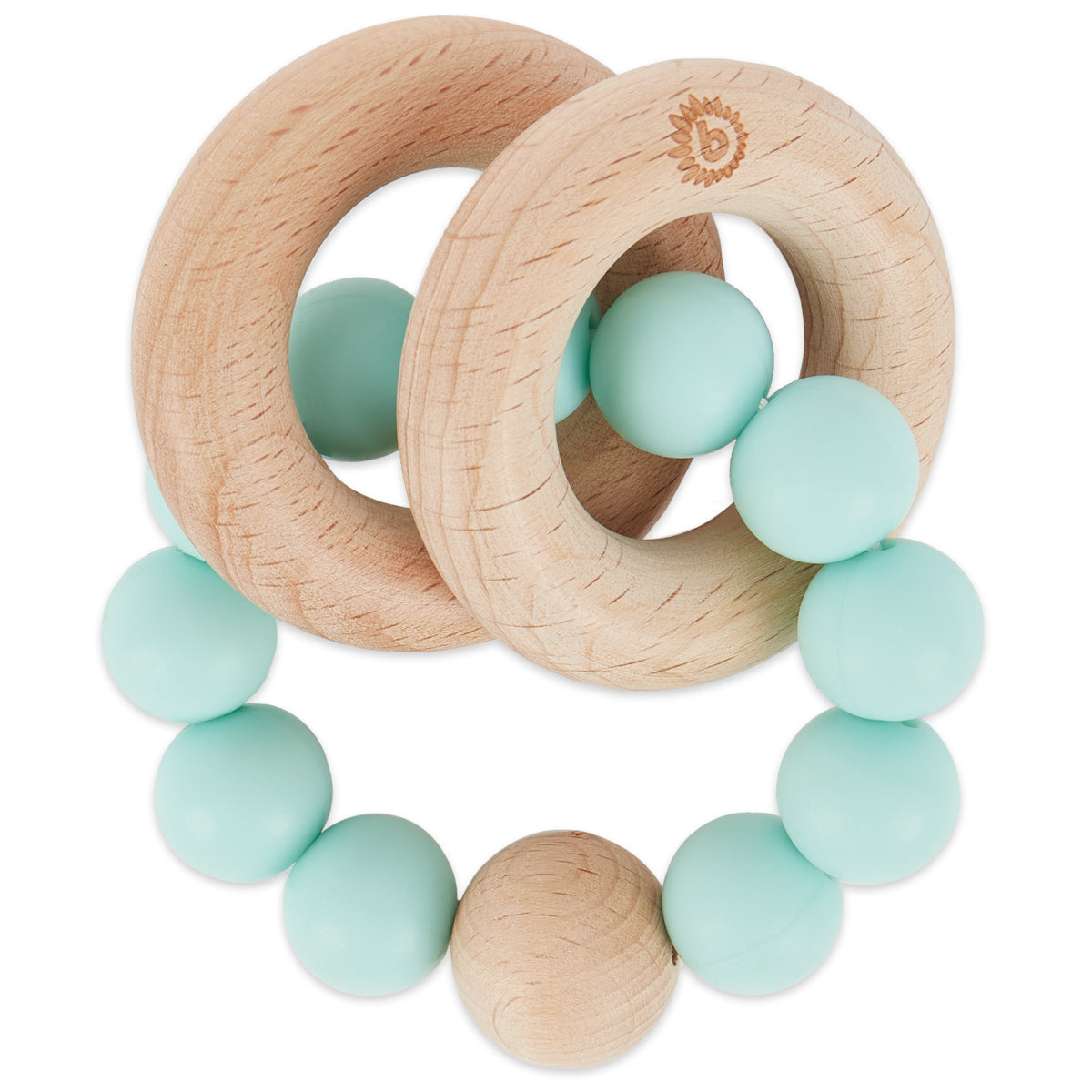
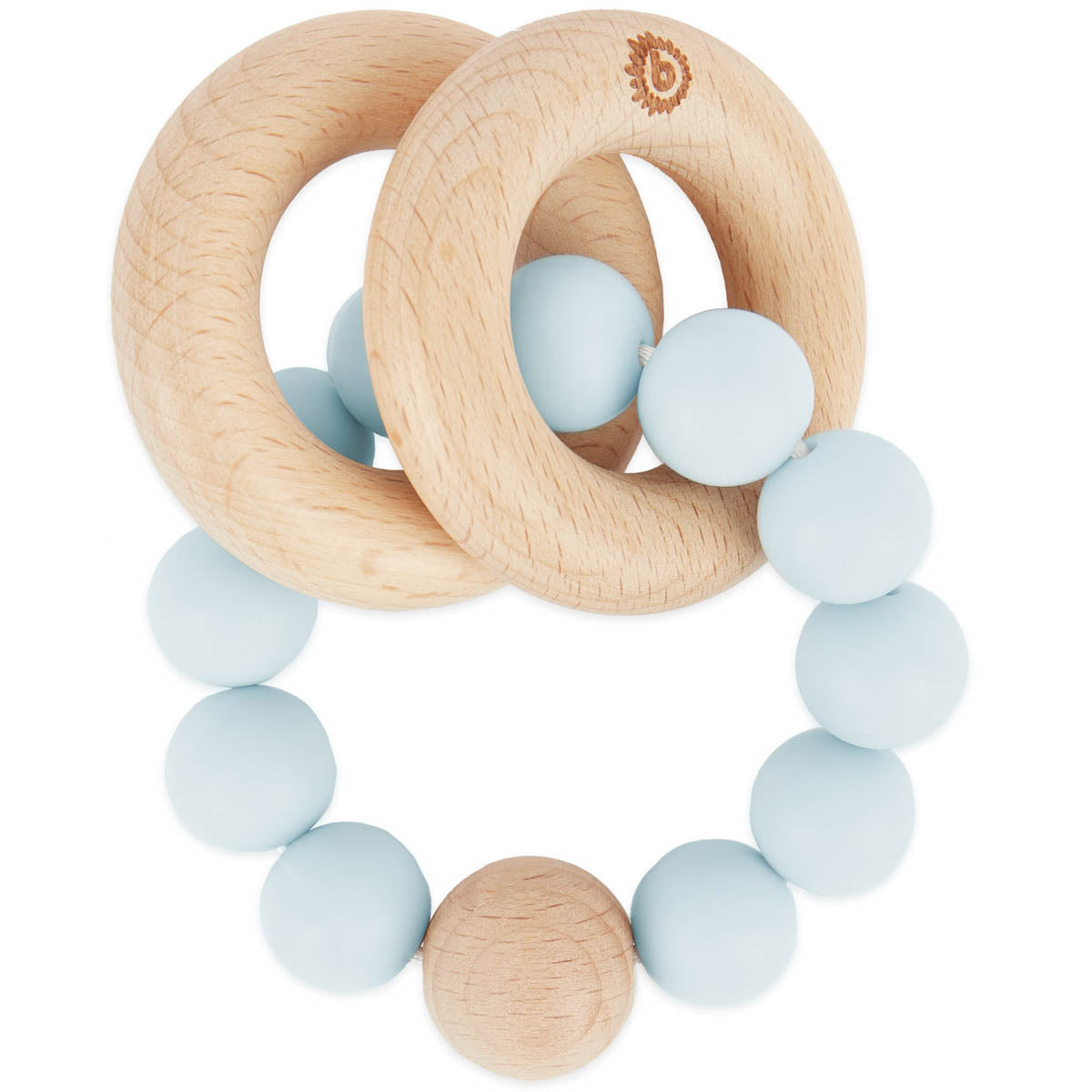
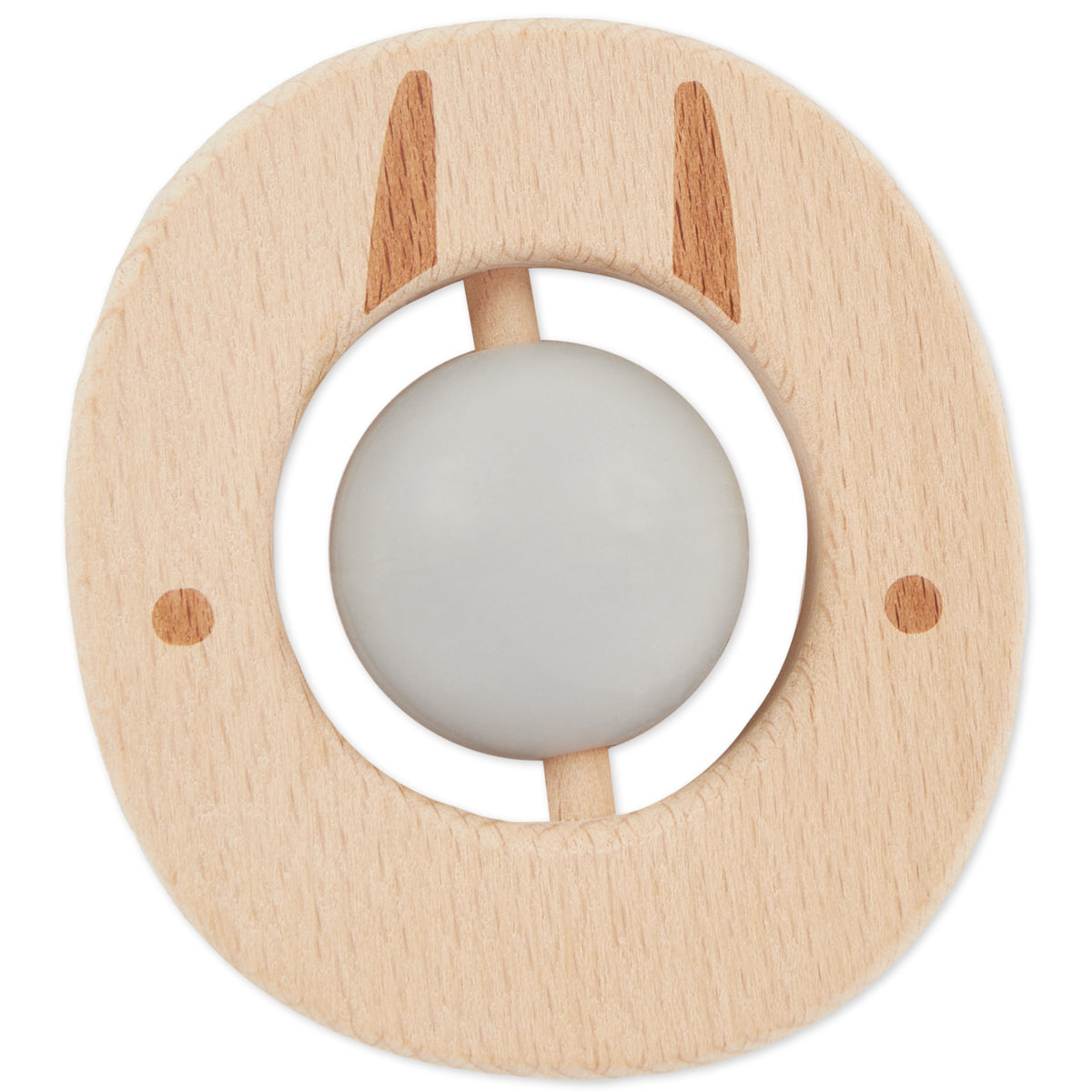
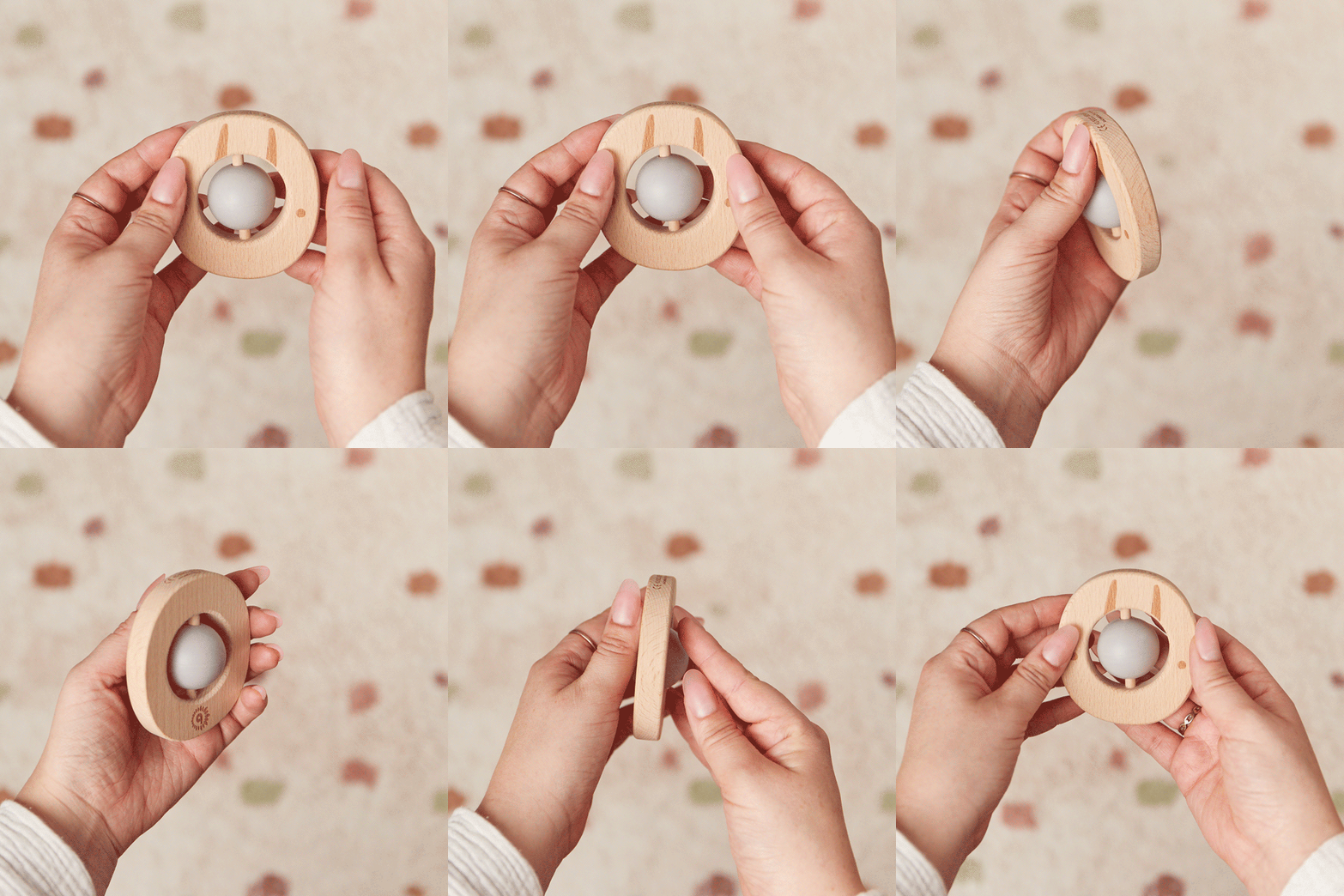
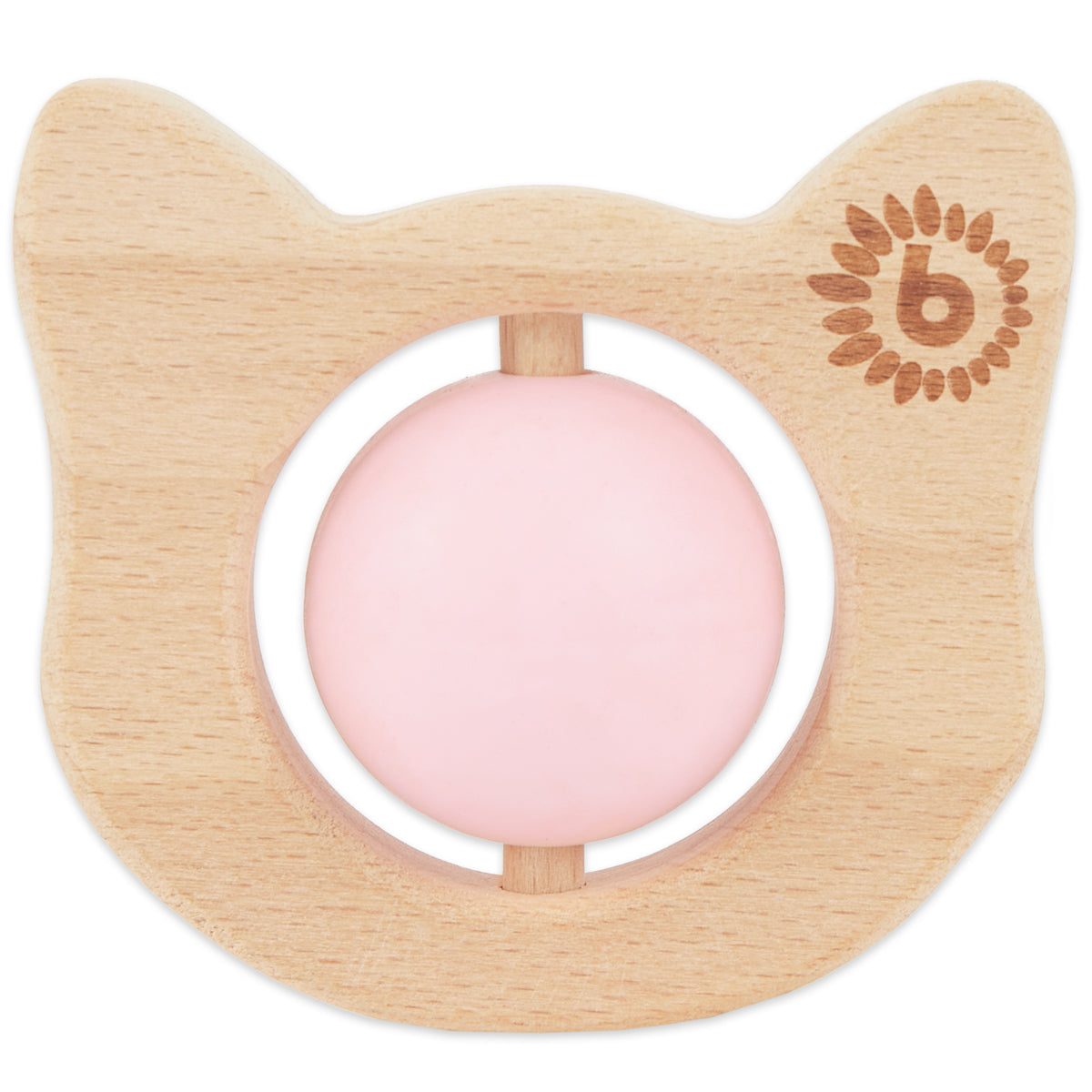
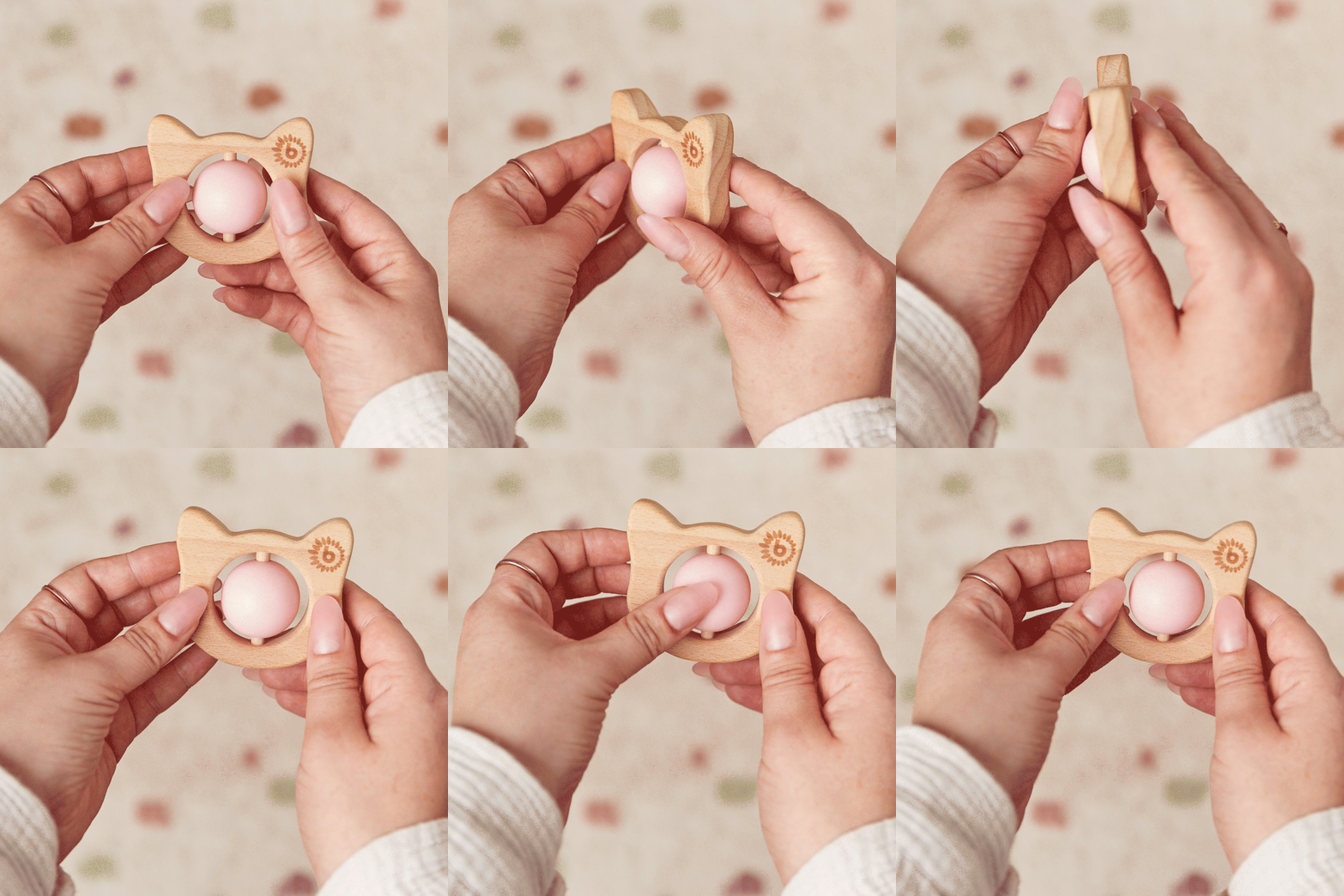
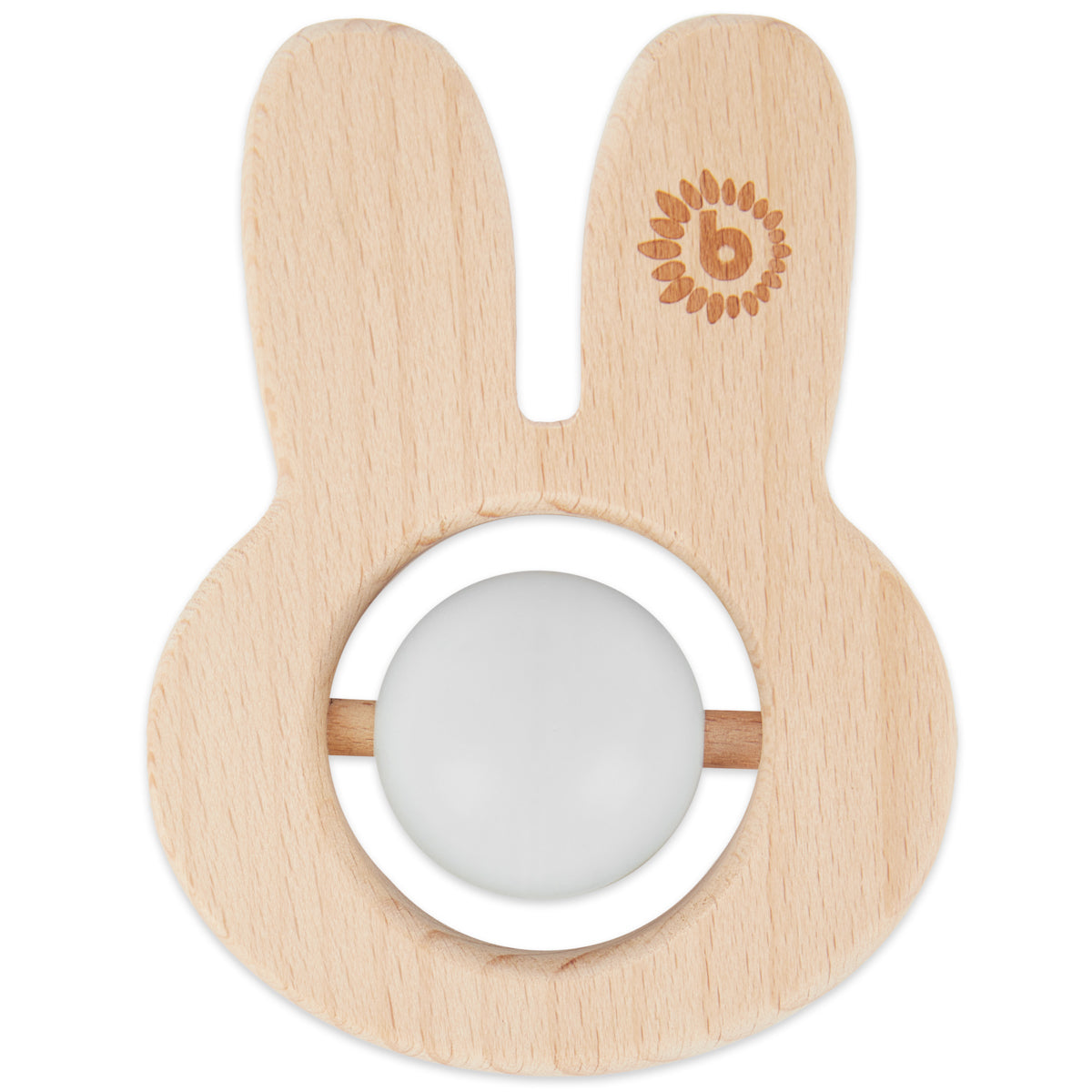
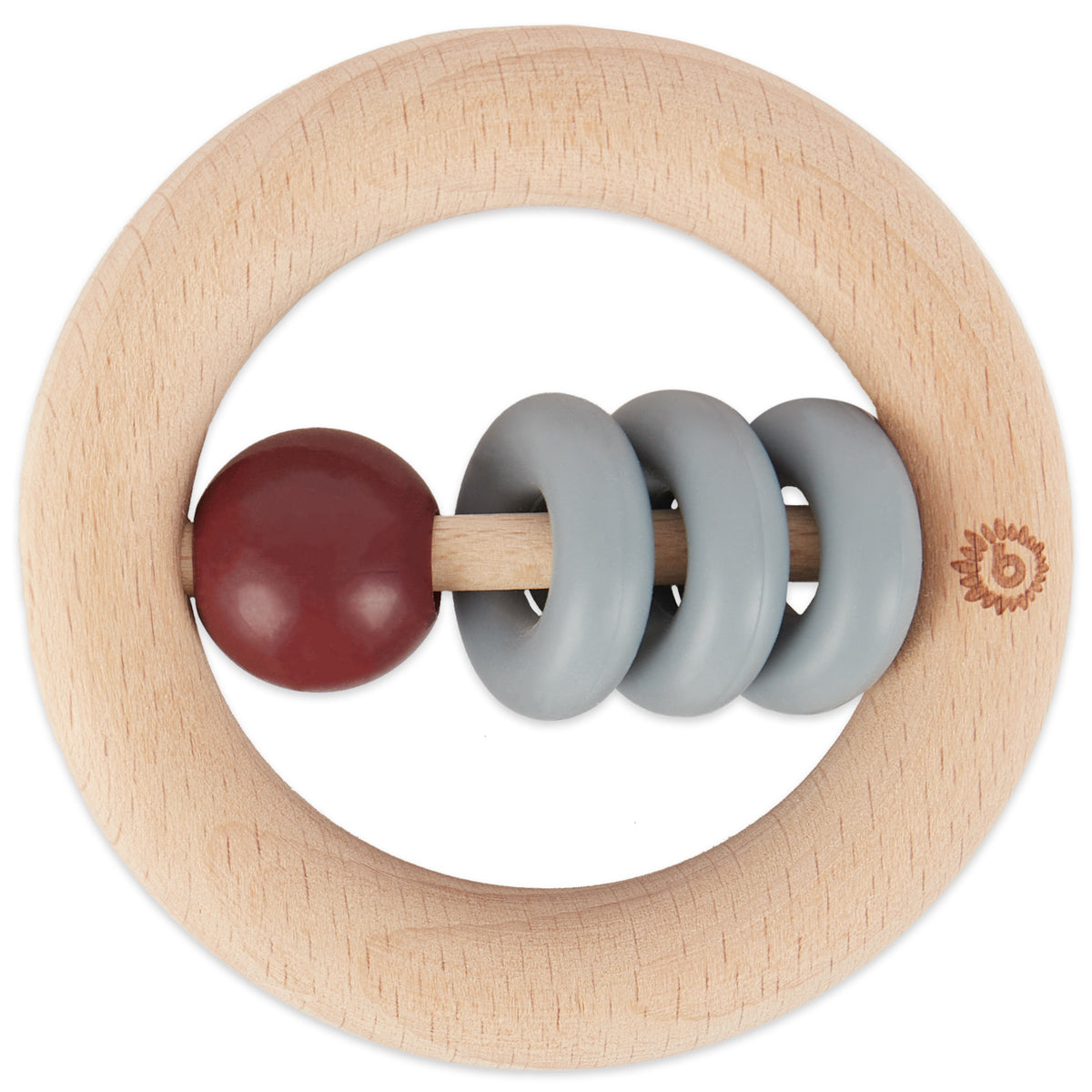
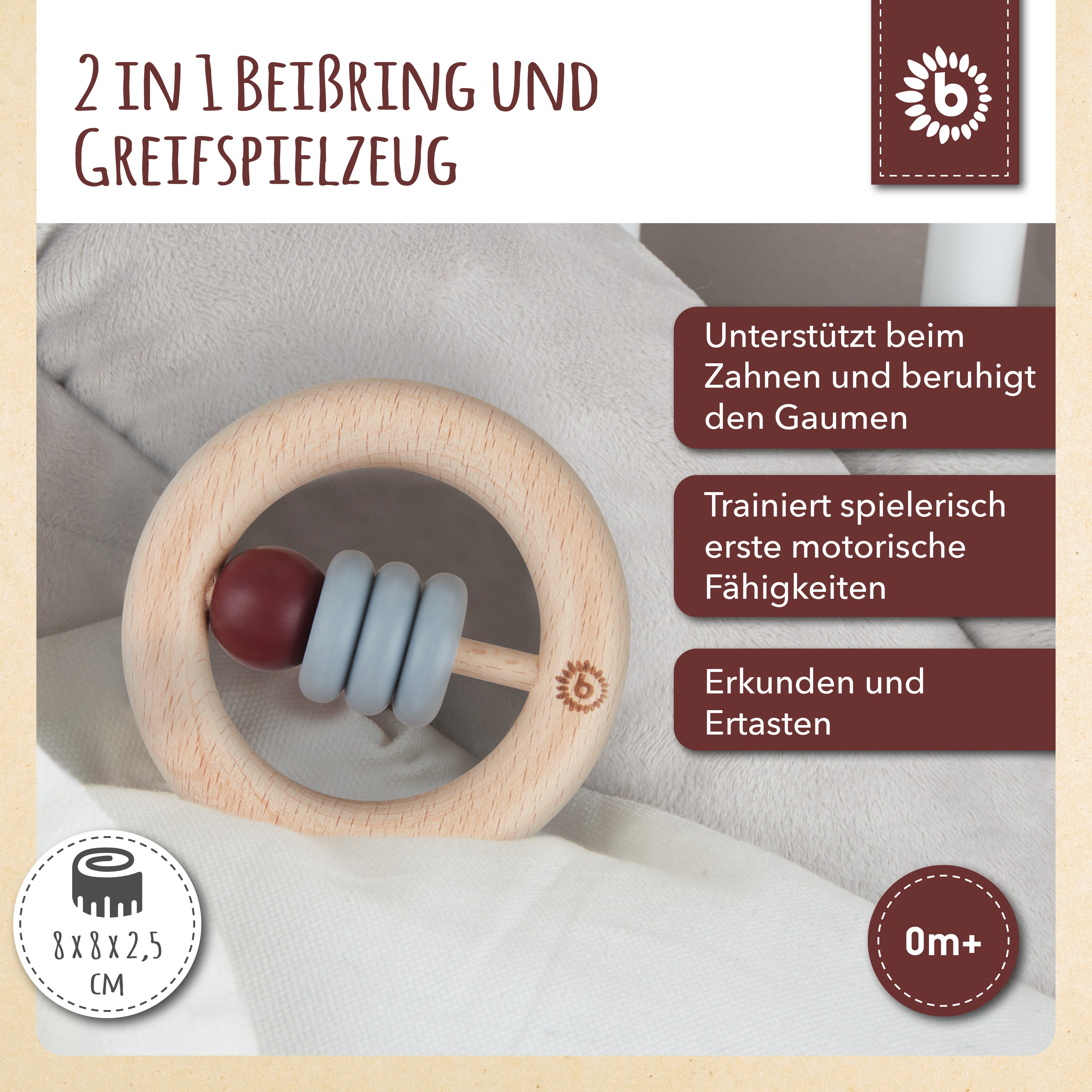
A concrete example from the collection: Wooden baby teething ring with silicone (Ø 8 cm).
About BIECO itself: we deliberately word things carefully when it comes to company figures. BIECO is a family business from Hamburg; the most reliable place to find details about our history is the official company profile/legal notice on bieco.de.
FAQ: short & helpful (you'll find the rest in the guide)
From what age can my baby use a teething ring?
You can offer a teething ring as soon as your baby deliberately brings things to their mouth and can grasp securely. For many babies, this is the case even before the first tooth. According to the BZgA, the first teeth usually come through at 6–8 months (kindergesundheit-info.de: Tooth development). In detail: Teething ring – from when?.
What is the difference between silicone and wooden teething rings?
Silicone is usually softer and easy to grip, while wood is firmer and offers more resistance. Both can work – depending on how your baby likes to chew. What matters for both: intact surface, suitable size, cleaning according to the manufacturer's instructions. You'll find the comparison here: Materials comparison.
Are cooling teething rings worthwhile?
A cooling teething ring can be soothing if it is mildly chilled and used correctly. Only use the cooling method the manufacturer allows, and check the temperature with your hand beforehand. If your baby reacts very sensitively, “cool from the refrigerator” is often enough. Details: Cooling teething rings.
How can I tell that my baby is teething – and when is it more likely an illness?
Typical signs of teething are more saliva, reddened gums and the urge to chew. Important: “getting teeth is not an illness” – if diarrhea or a high fever is added, according to the BZgA this usually has other causes and should be checked by a doctor (kindergesundheit-info.de: Tooth development). For fever, there are also clear thresholds (kindergesundheit-info.de: Fever in babies and children).
How many teething rings do you really need?
Two to three teething rings in rotation are a relaxed start for many families. One is for on the go, one for at home, and one is drying after cleaning. That way you don't have to improvise when the favorite teething ring goes missing at the wrong moment. And yes: it is completely normal for babies to suddenly want “only that one”.
How do I clean a teething ring properly?
The most reliable approach is a quick look at the manufacturer's care instructions. Many teething rings can be cleaned with warm water and mild dish soap; let wood dry well afterwards. Check regularly for cracks or sticky spots and replace it if in doubt. More on this: Cleaning teething rings properly and using them safely.
What should I look out for regarding harmful substances?
Go by clear information, reputable sources and visible workmanship. The BfR describes that children can be more heavily exposed to phthalates by putting objects in their mouths and that certain phthalates are prohibited in toys intended for the mouth (BfR: Phthalate FAQ). For textile parts, OEKO-TEX® STANDARD 100 can be a point of reference (OEKO-TEX: STANDARD 100).
Is a teething ring a good gift (e.g. for a newborn)?
Yes, a teething ring is a practical gift that many families really use. Look for an easy-to-grip shape, a clear age recommendation and simple cleaning. If you want to make it especially thoughtful: choose two different materials – then the baby can “pick”. For more ideas: Gift ideas.
About this page
This text was written by the BIECO editorial team as practical, everyday guidance for parents and gift-givers. Here we bring together practical selection criteria (material, shape, cleaning) and base hard facts on reliable sources such as the BZgA (kindergesundheit-info.de), the BfR and EU legal sources. For medical warning signs, we deliberately refer to pediatric medicine: DGKJ parent information gives, for example, clear guidance on when symptoms such as diarrhea should be checked by a doctor (DGKJ: Parent information on diarrhea).
To finish: a bit of drooling is part of it
A baby teething ring is not a miracle cure, but often a small relief during the day. Feel free to try two materials, see what your child likes, and stick to the basics: intact, clean, supervised. And if you're just looking for “something suitable, quickly”: click through our teething rings – and pick the one that feels the simplest for you.
By Ulli & Flo · Owners & parents More about us ↓

About this page
Ulli & Flo
Owners of bieco · Hamburg · parents ourselves
We (Ulli & Flo) prefer the uncomplicated route with teething rings: easy to hold, easy to clean – and better to try two options than to debate forever.