
Puzzle Mats
Sort by
4 products
zuletzt angesehen
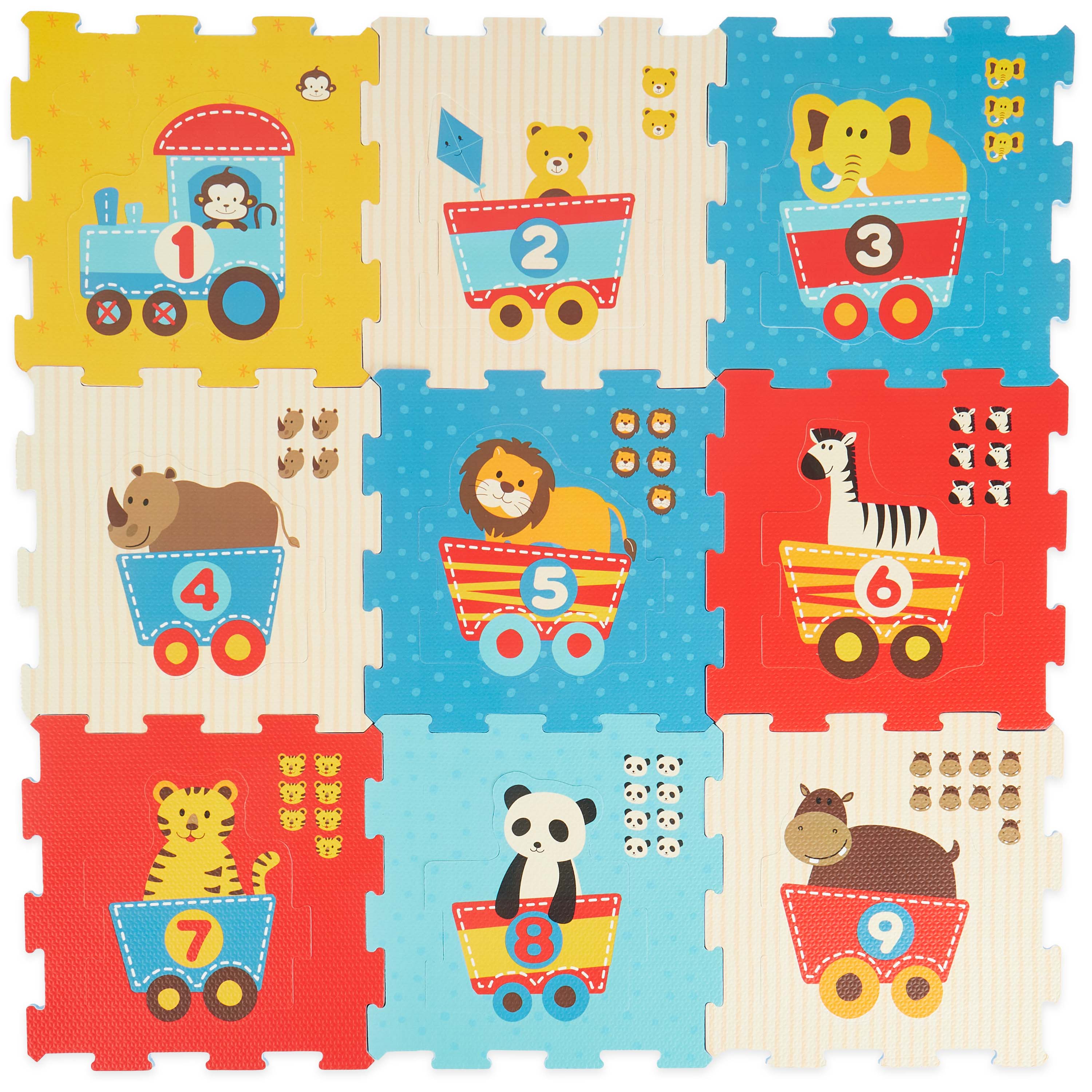
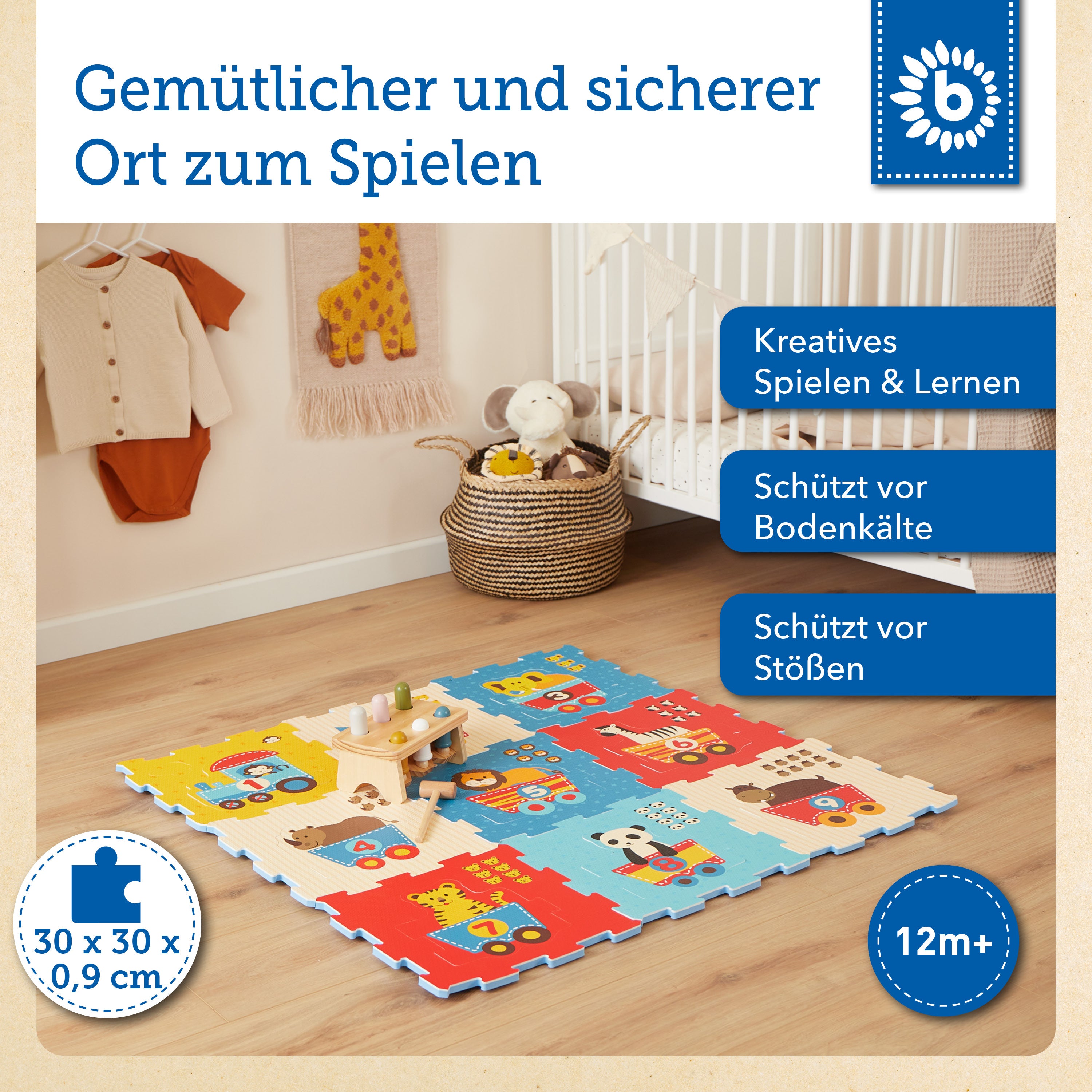
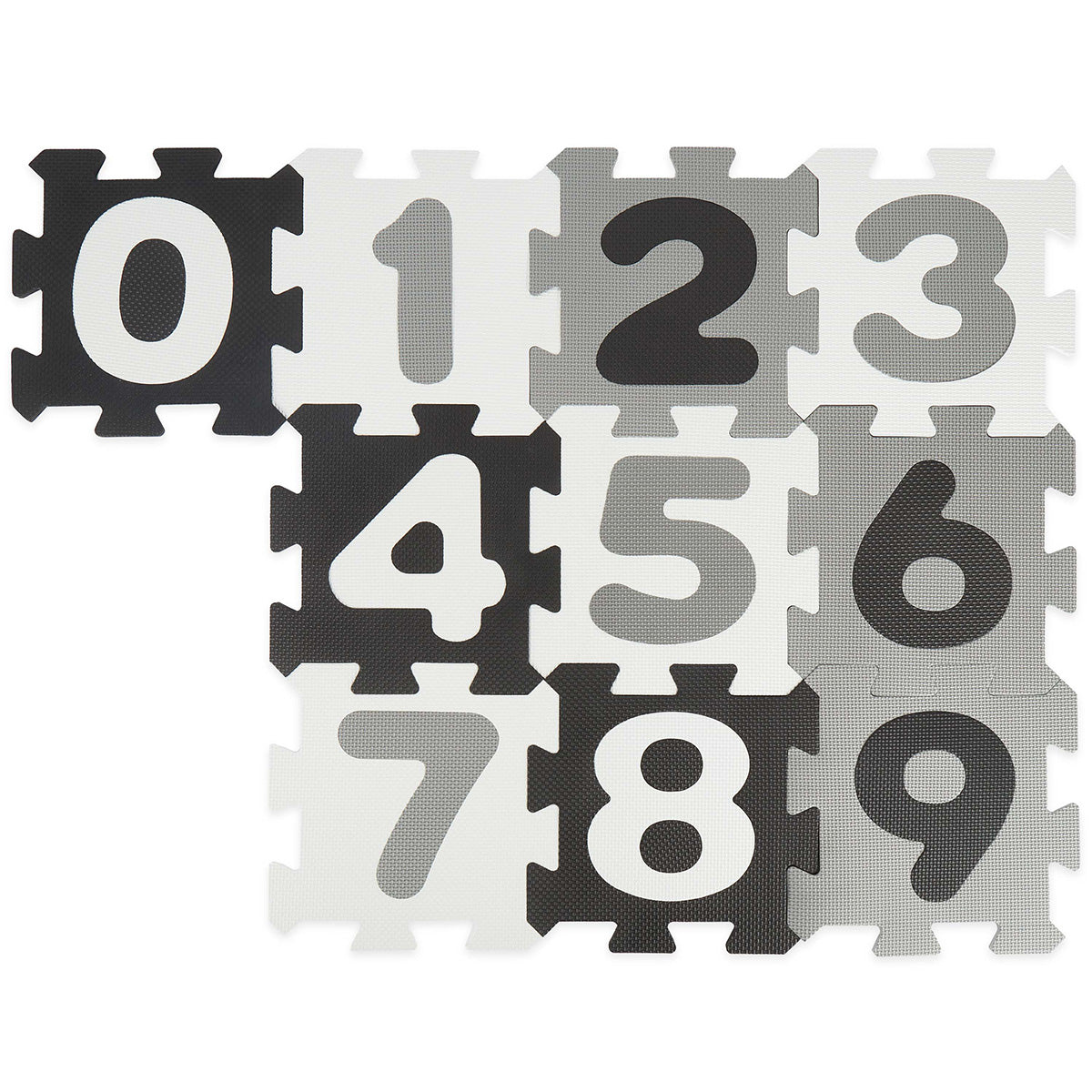
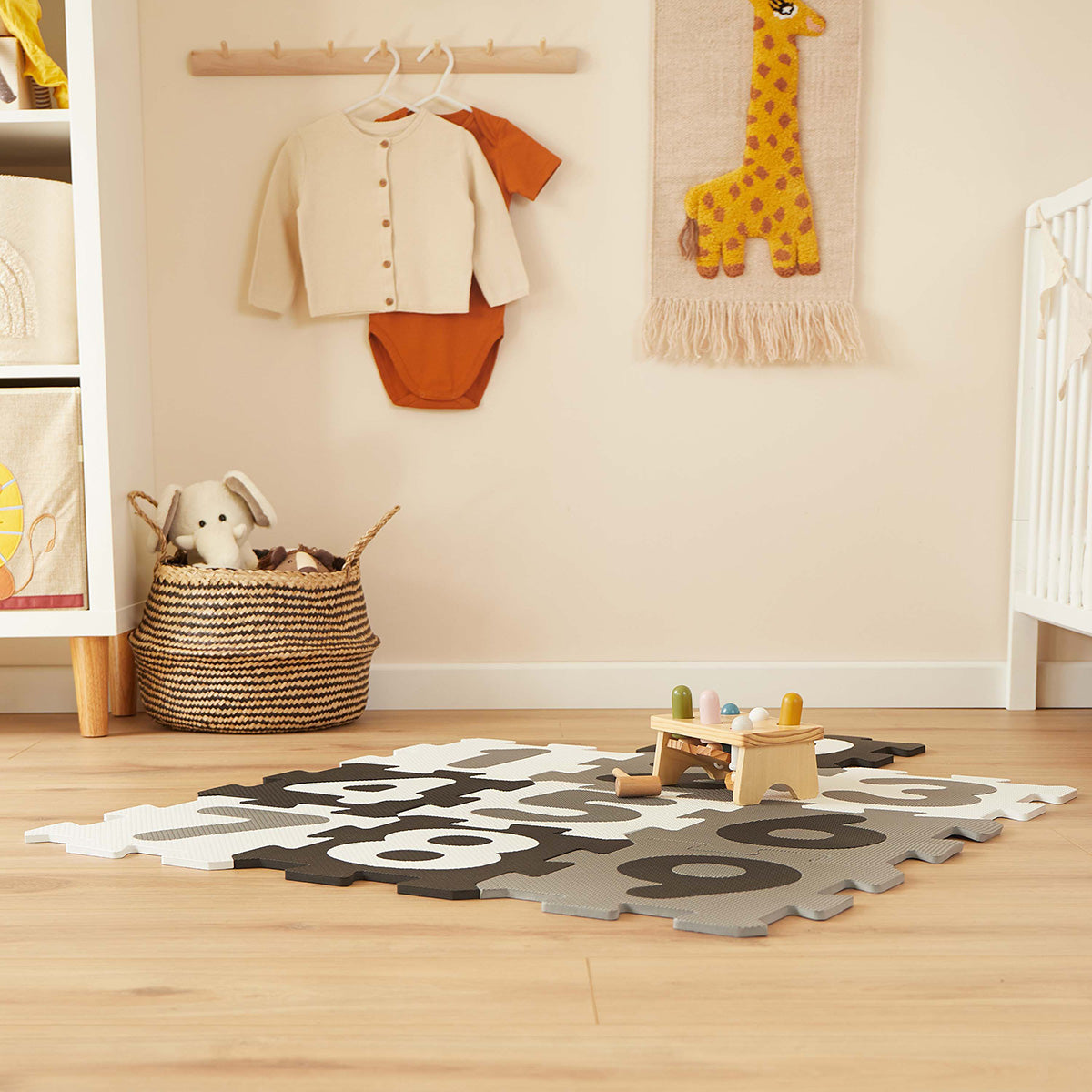
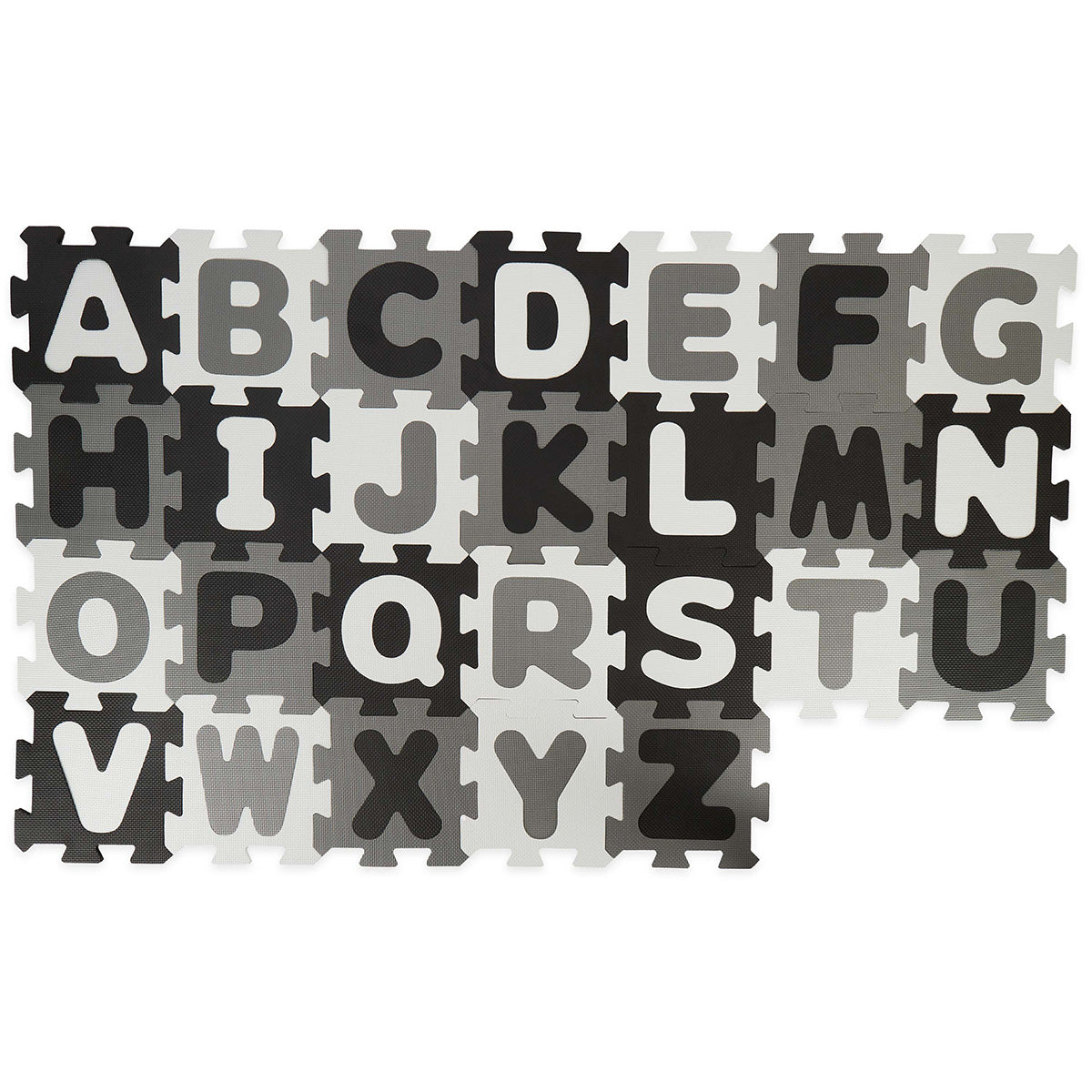
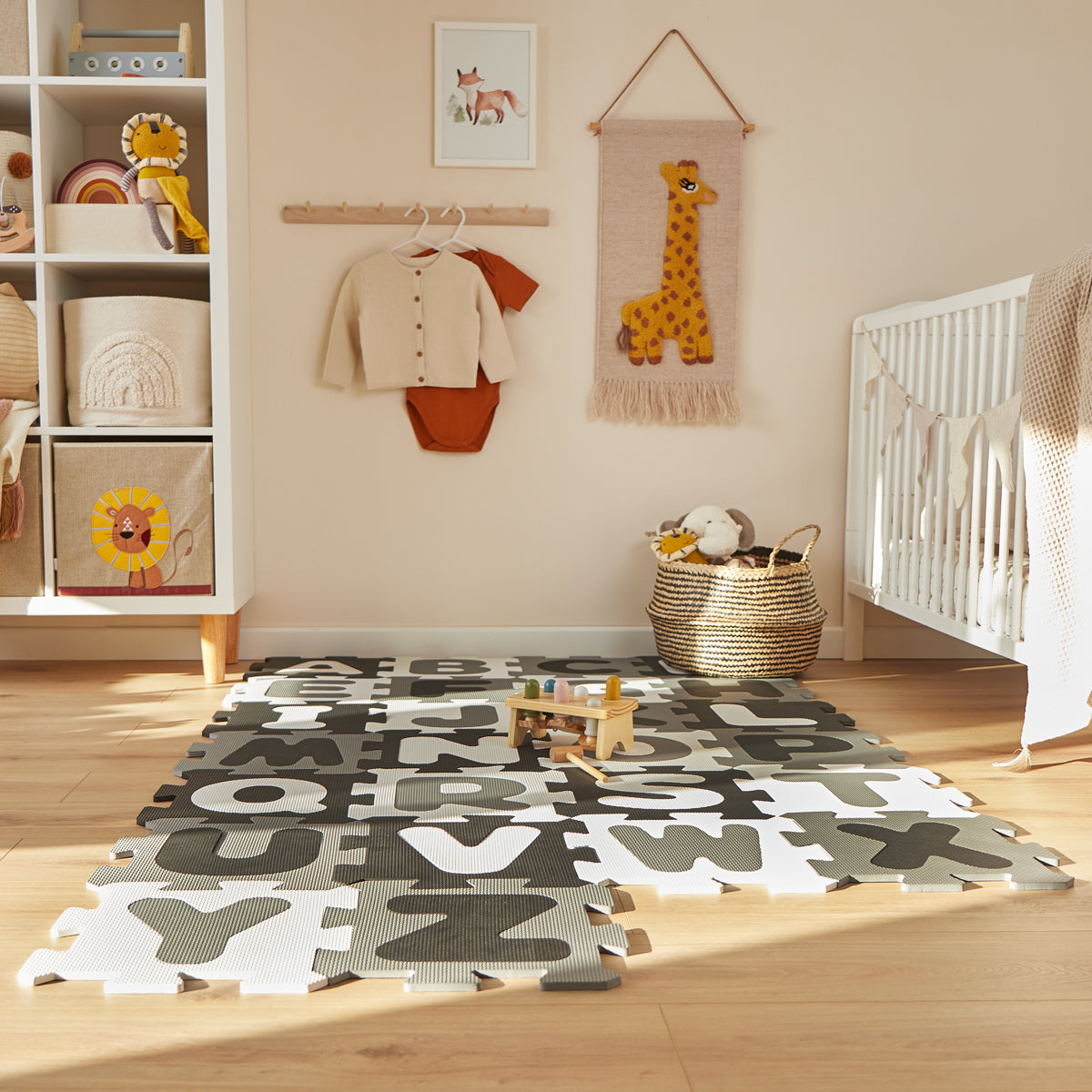
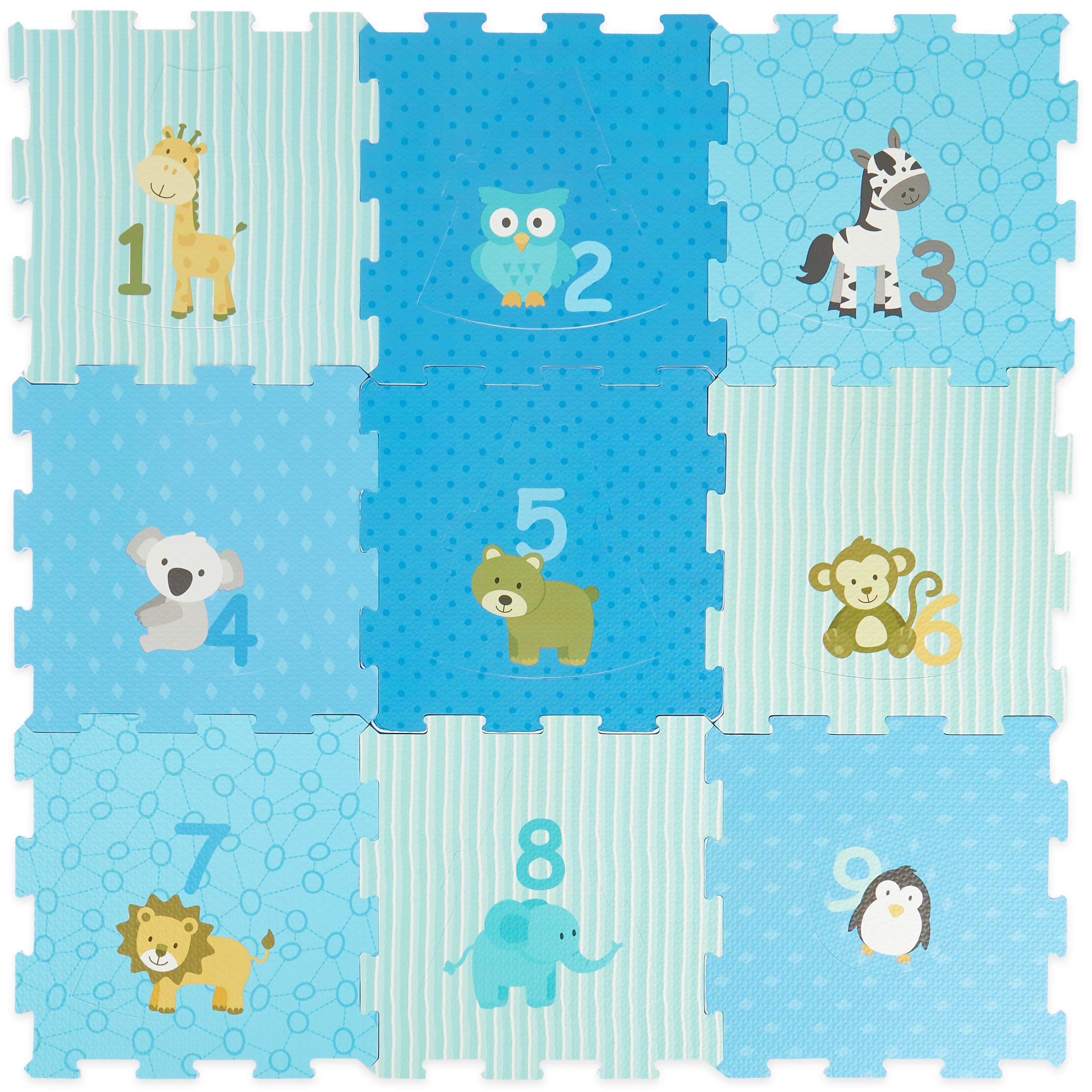
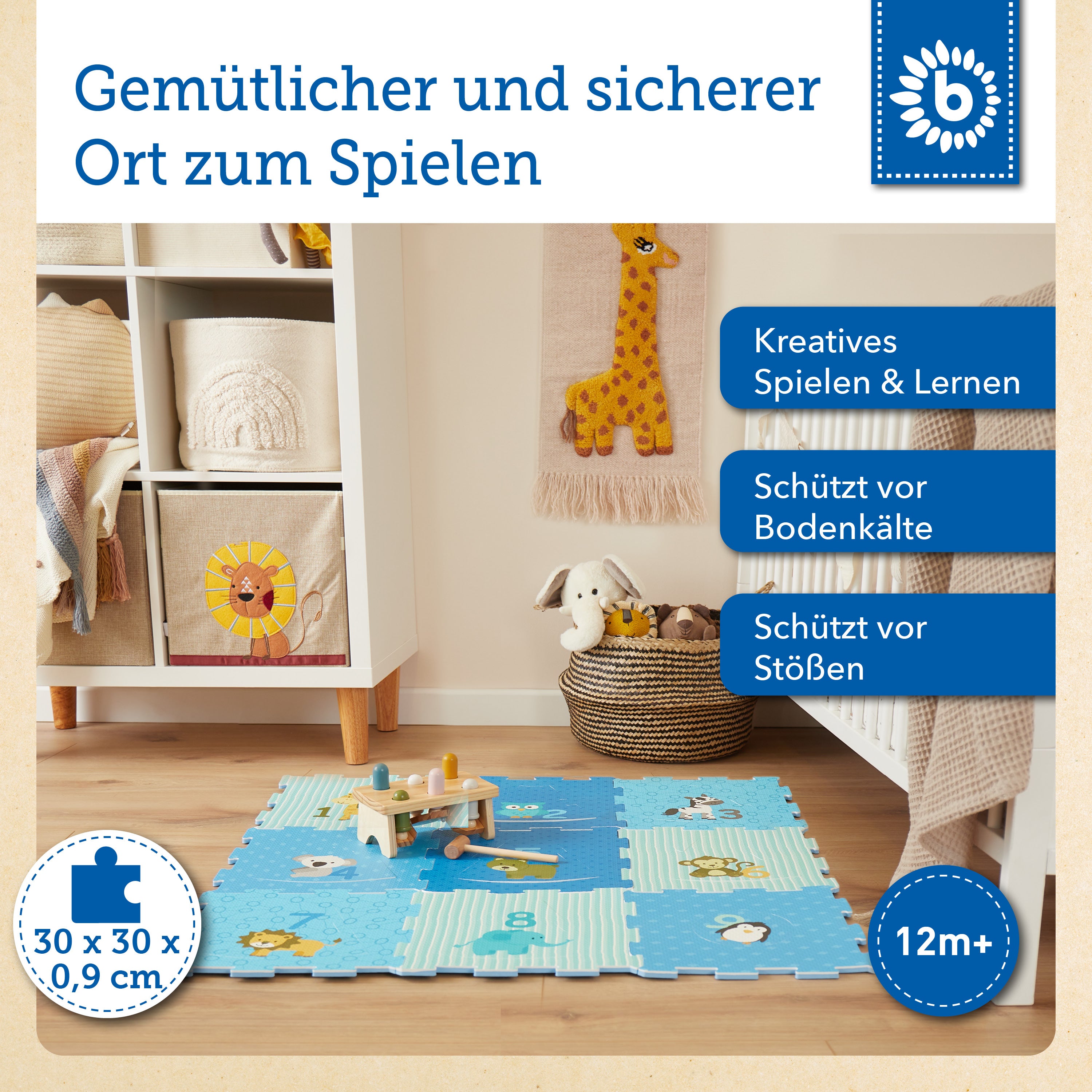
A puzzle mat is a connectable play mat made of individual tiles that fit together to create a soft, warm surface on the floor. It’s the quick solution for cold floors and hard landings. It’s especially practical as a puzzle mat for babies (rolling, scooting, crawling) and later as a puzzle mat for kids when building, playing hard, and crafting. A quick, transparent note: At the moment, there are no products assigned to this collection – but feel free to take a look anyway in case it’s being restocked. If you’re looking for alternatives from our world of play in the meantime, you’ll find suitable categories below.
- A puzzle mat cushions, insulates, and makes floor play practical for everyday life.
- First, pay attention to size (surface area) and thickness (cushioning).
- For the start of crawling, grip matters: non-slip rather than “slippery”.
- For kitchen/crafting: wipe-clean and seam-friendly.
- For foam mats: put formamide & odor into the right perspective.
Non-slip means: The mat stays in place during normal play. If it “walks” across laminate, that’s a clear everyday sign: reposition it or choose a different material.
CE marking means: The manufacturer declares EU conformity. The European Commission describes CE as a sign that products have been assessed in the EEA and meet requirements for safety, health, and environmental protection. (European Commission)
Want to think “big” first and fine-tune later? Then start with the room, not the look. A puzzle play mat works best when it’s placed where you actually live: the living room, nursery, or the corner next to the dining table. And if you’d like to click through suitable play ideas in general: In our gift ideas you’ll quickly find little wins that don’t require rearranging the whole room.
Why puzzle mats deserve their own page (and aren’t just “any mat”)
Puzzle mats are special because they adapt to your everyday life – not the other way around. You connect the surface area and shape to fit what works for you today. Sometimes it’s a small island under the play gym, sometimes a big construction site for Duplo & co. And when guests come over, you simply reconfigure it. In Northern German: it’s got to be done.
To distinguish it from a “classic puzzle” on the table: A puzzle crawling mat is a floor base, not a patience game. If you’re looking for table puzzles instead, feel free to take a look at our wooden puzzles – that’s a different kind of project (in the best sense).
Puzzle mat for babies or puzzle mat for kids: What size, thickness, and edges make sense?
The most helpful buying guide is simple: first surface area, then comfort, then details. Buying too small means in everyday life: constantly expanding, constantly realigning. Many mats use square tiles (you often see 30×30 cm) – that’s practical because you can think of the area in “tiles.” If you can’t find measurements: when buying, always take a quick look for tile size, total area, and edge pieces.
For thickness, the rule is: More thickness cushions better, but can feel softer under pressure. For babies who spend a lot of time lying and rolling, comfortable cushioning is great. For older kids who zoom vehicles across it, a firmer mat can be more practical. (And yes: someone always drives something over it.)
Edge pieces aren’t decoration – they’re trip- and crumb-management. If the mat is in a walkway, clean finishes help prevent anyone from catching a toe (kids and adults alike – we just pretend we’re graceful).
Material & surface: EVA foam, PE & more – and what you should really check
With puzzle mats, you’ll very often come across EVA foam (ethylene-vinyl acetate) – lightweight, cushioning, and often easy to wipe clean. EVA is popular because it cushions softly while still being stable. Whether it’s right for your family mainly depends on the surface (grip), odor, and cleaning.
For everyday use, the surface rule is: Texture often provides more grip; smooth surfaces are often easier to wipe. If your child “slides away” while crawling, that gets frustrating fast. If you snack or paint on the floor a lot, the seams are more likely to be the annoying part.
On the topic of “low in harmful substances” (or as parents say: “Please without that uneasy feeling”): Verbraucherzentrale recommends, among other things, a sensory check when buying toys—such as smell and whether anything rubs off. If it smells strongly chemical or color transfers, it’s best to be critical. (Verbraucherzentrale)
Phthalates are another topic that often concerns parents. There are clear restrictions on phthalates in the EU. ECHA describes, among other things, that certain phthalates in toys and childcare articles that can be put in the mouth are banned or restricted in the EU. (ECHA)
Formamide in puzzle mats: the “new smell” – what’s behind it and what helps
Formamide has historically been a known topic in foam toys, especially foam mats. There are specific EU limit values for formamide in foam toys. In the EU toy regulation, a content threshold value of 200 mg/kg and an emission limit value of 20 µg/m³ (after 28 days) were set for foam toy materials, among other things. (EUR-Lex)
So what does that mean in practice at home? Letting new mats air out first is often the most relaxed first step. If possible, lay the puzzle mat out somewhere airy for a bit before using it long-term, wipe it down once, and give it time—especially if your child still spends a lot of time on the floor.
Safety & standards: short, clear – without panic
With a puzzle mat for babies and kids, a quick safety check is worth it because it’s “toy-adjacent.” What matters is sturdy workmanship, no loose parts, and suitable age recommendations. Kindergesundheit-info.de names, among other basic principles, that toys should be sturdy and that no small parts that could be swallowed should be accessible to children under 3. (kindergesundheit-info.de)
And because it’s often asked: CE is mandatory; GS is voluntary and can provide extra reassurance. Kindergesundheit-info.de explains the difference between CE marking and the voluntary GS mark with independent testing. (kindergesundheit-info.de)
If you like having a “hard” numerical reference point: The EU Toy Directive sets limit values for 19 elements in materials. Directive 2009/48/EC lists migration limits for 19 elements (e.g., lead, cadmium). (EUR-Lex)
BIECO & play mats: calm in design, practical for everyday life
BIECO is a family business from Hamburg – for 66 years – and we like products that don’t create extra work in everyday family life. Calm Scandi design helps when toys live in the living room, too. And yes: they do live there. You can look at it any way you like.
Since this puzzle mat collection currently has no products assigned, here are a few sensible alternatives to click through: For babies, play gyms and grasping toys are often the best start on the floor. Feel free to take a look at our play gyms or at our rattles and teething rings. For later, when it becomes more about “driving”: ride-on toys are a classic.
Pros & cons in real life (short and honest)
A puzzle mat is a great choice if you want flexibility and quick cleaning. You can adapt the surface area and shape, it’s quick to set up, and often uncomplicated in everyday life.
- Pro: modular, quick to connect, pleasantly cushioning
- Pro: great for taking the chill off tile/laminate floors
- Con: seams sometimes collect crumbs (yes, even the “invisible” ones)
- Con: edges can come loose if pushed around a lot – then reconfiguring or repositioning helps
FAQ: How do I clean a puzzle mat?
Usually, wiping with a damp cloth and then letting it dry well is enough. Use a mild cleaner and wipe it down briefly on a regular basis rather than doing a rare “deep clean.” The most reliable approach is to check the manufacturer’s care instructions, because materials can vary.
FAQ: Is a puzzle mat for babies suitable as a crawling mat?
Yes – as long as it lies securely, doesn’t crumble, and is well made. Look for clean edges, no loose parts, and a surface that doesn’t smell strongly. Kindergesundheit-info.de offers guidance on safety when buying toys. (Source)
FAQ: What does “non-slip puzzle mat” / slip-resistant mean?
Slip-resistant means: It doesn’t move during normal play. On very smooth floors, it helps to place the mat in a corner or to border it with furniture edges. If it still slips, that’s a sign the surface and mat aren’t a good match.
FAQ: Formamide in EVA mats – should I be worried?
What matters is: There are EU limit values, and airing it out makes sense. For formamide in foam toy materials, EU law states, among other things, 200 mg/kg (threshold) and 20 µg/m³ emissions after 28 days. (EUR-Lex) If a new mat smells strongly: air it out first, then use it.
If you’d like to dive deeper into the topic of “puzzle mats for the nursery”: In our guide Puzzle mats for kids: fun & safety in the nursery we take a calm look at typical pitfalls (flooring, placement, everyday use). And if you can’t find a mat right now: take your time browsing our alternatives. Here’s the collection: Puzzle mats.
Von Ulli & Flo · Inhaber & Eltern Mehr über uns ↓

Über diese Seite
Ulli & Flo
Inhaber von bieco · Hamburg · selbst Eltern
Wir haben bei Boden-Spiel immer zwei Ziele: warm, weich – und bitte ohne Extra-Aufwand beim Saubermachen. Wenn’s im Alltag schnell gehen muss, ist „abwischen, trocknen, weiter“ einfach unschlagbar.