

for fun in the water indoors & outdoors
Bath toys
Sort by
14 products


recently viewed
Bath toys are water toys that make grasping, scooping and little stories in the tub possible. Three things matter in everyday life: it suits the age, it dries and cleans without drama, and it stays safe during bath time. And because safety is non-negotiable: according to BZgA/kindergesundheit-info.de, a child up to about 15 months can drown in just 10 cm of water if they fall in face first.
Now take a deep breath: you don't have to shop “perfectly” here – just practically. If the toys are quickly emptied, dried and put away after the bath, splashing stays a lovely ritual instead of an extra project.
The Most Important Things at a Glance
- A few pieces that dry well are usually the best choice for everyday life.
- For babies: large, simple shapes – without small parts and without sharp edges.
- From 1 year, scooping, stacking and “in and out” almost always work.
- Bathtub toys without a hole are often easier to keep mold-free.
- The rule at bath time: child always within arm's reach – water is the boss.
Find It Fast: Jump Straight to What You're Looking For
With short paths, you shop more relaxed – and find the right thing faster. Here are the most popular shortcuts:
- Baby Bath Toys – for the very little ones
- Bathtub Toys – everything for the tub
- Bath Toys for Kids – for more role play & “missions”
- Silicone / Wood / Mechanical – decide by material
- Bath toys from 1 year & more – sort by age
Popular BIECO Ideas (Without Endless Scrolling)
If you simply want “keep it uncomplicated”: these are safe starter ideas. All things that kids grasp quickly – and parents get dry again quickly.
- Silicone Stacking Cups (Tropical Vibes) – pour, tip, stack
- Silicone Stacking Tower (Chocolate Bliss) – “one more ring!” on endless repeat
- Wind-Up Duck – a classic for movement in the water
- Wooden Sailboat – better suited for water play outdoors or at the beach
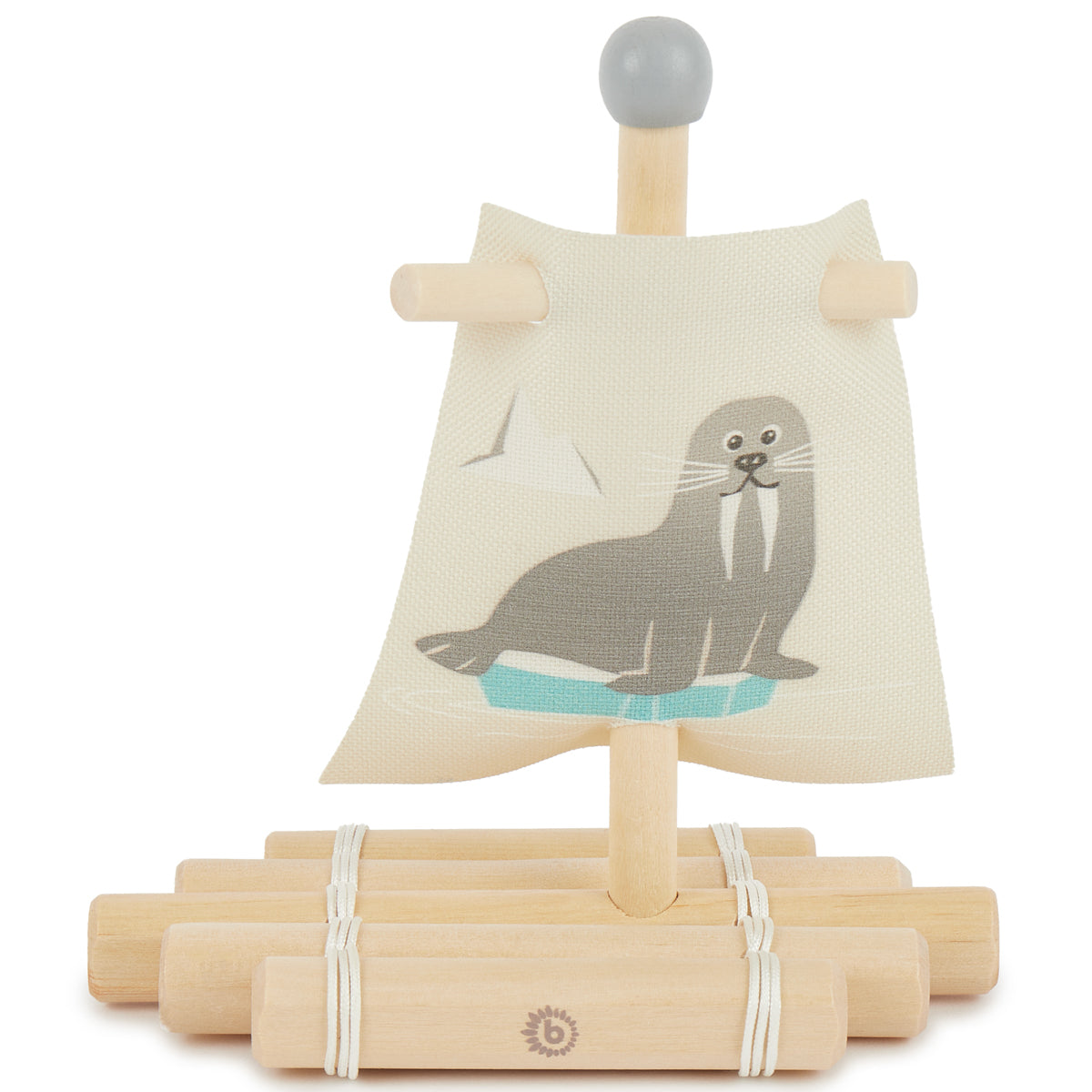
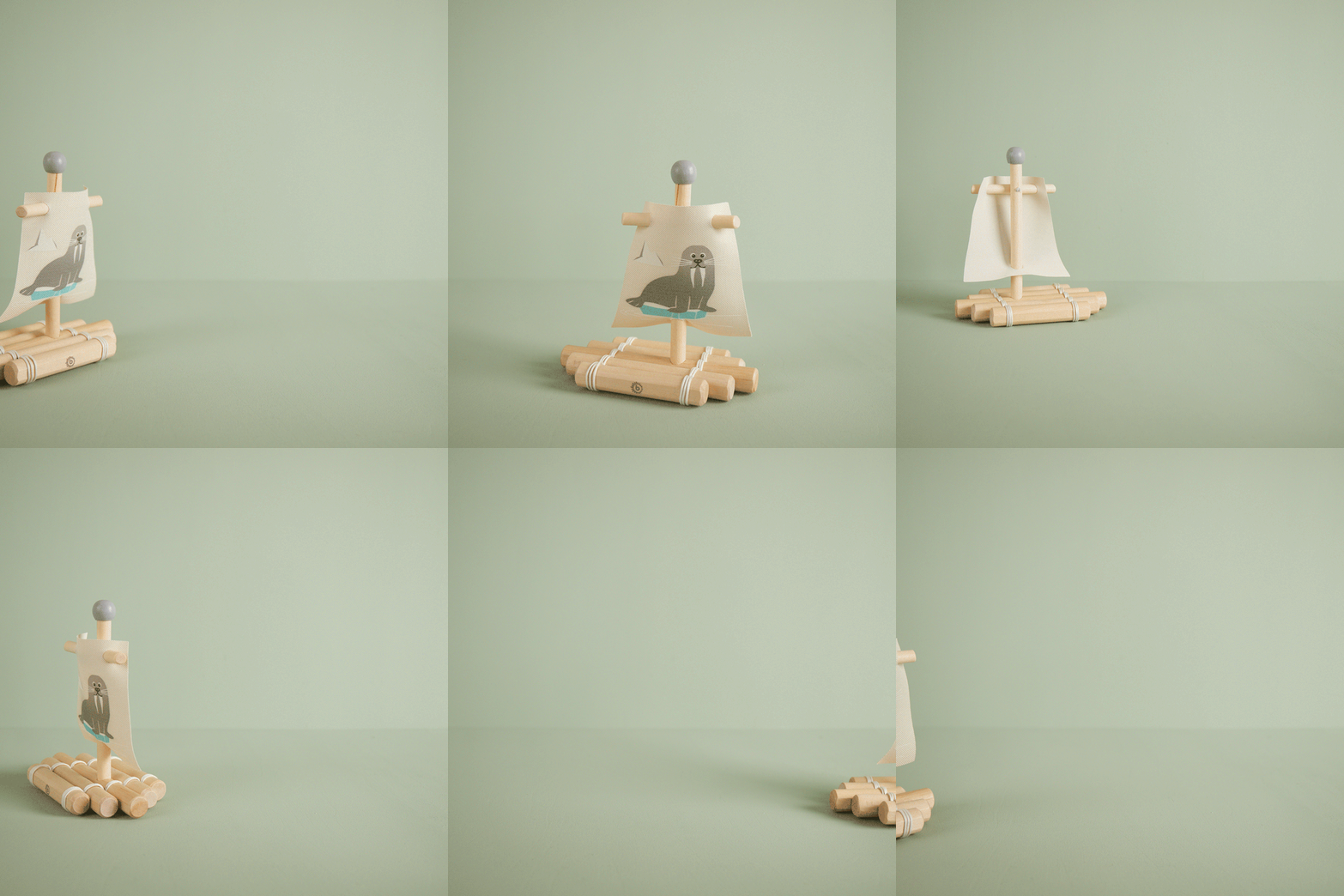
- Wooden Raft – for little captains
Bathtub or Outdoors? How to Make the Material Decision
The most important question isn't “what looks pretty?” but “where will it really be used?” In the bathtub, what counts is: quickly emptied, quickly dried, easy to clean. Outdoors (beach, garden, paddling pool), it can be a bit more of a “play world.”
Silicone bath toys are often the low-stress choice for the tub. They are easy to grip, land quietly and can usually be rinsed off quickly in everyday life. A sentence worth quoting: silicone toys feel soft, fit well in small hands and are pleasantly quiet when splashing.
Wooden water toys are usually happier outdoors than in the tub. Wood doesn't like staying damp for long – at the beach or at a water play table, it's often better off. A short rule of thumb: wooden toys for the water are fun outdoors, but should then be allowed to dry properly.
Wind-up bath toys are the “action button” for bath time. Wind it up, off it goes – and children's eyes reliably light up. Defined simply, yet practical for everyday life: a wind-up bath toy moves through the water on its own and instantly turns “just bathing” into a little game.
Comparison: Silicone vs. Mechanical vs. Wood (Bathtub & Outdoors)
If you only have 30 seconds: for the tub, go for “easy to dry.” For outdoors, “more adventure” is welcome.
Baby Bath Toys, From 1 Year, Kids: A Little Cheat Sheet
When it comes to age, it's less about “allowed” and more about “does it fit right now?” Babies want to feel and grasp, toddlers test cause and effect, older children play roles (“The boat rescues the duck!”).
Mold in Bath Toys: How to Keep Things Relaxed
Toys that can be completely emptied and dried cause the least trouble. Especially with bath animals that have a hole, water tends to stay inside – and eventually that smells like “yikes.” If you're sensitive (or simply don't feel like dealing with odor), bath toys without a hole are often the more nerve-saving choice.
When it comes to cleaning bath toys: right after the bath is easiest. Empty, rinse, let drain – done. For a detailed step-by-step guide (including tips against odor), feel free to read our guide: Cleaning Bath Toys & Bathtub Toys: The Ultimate Guide Against Mold.
Safety & Seals: Short, Clear, Without Nitpicking
CE is mandatory – but not a “quality award.” The European Commission explains that the CE marking does not mean a product has been “approved” by the EU or an authority, but that the manufacturer takes responsibility for compliance with the requirements.
EN 71 is the series of standards that makes toy safety practically testable. DIN describes that DIN EN 71-3 (chemical safety) looks at, among other things, the migration of certain elements such as lead, mercury or nickel, thereby specifying requirements of the EU Toy Safety Directive.
If you want an additional test mark: GS is voluntary and externally tested. TÜV Rheinland explains that the GS mark is a voluntary test mark and that products are tested for it by a state-recognized testing body.
There are clear EU limits on plasticizers – and that's a good thing. Certain phthalates are restricted in the EU in toys and childcare articles to, among other limits, 0.1 percent by weight of the plasticized material (REACH, Annex XVII, Entry 51).
Pros & Cons (So You Can Say “Yes” Faster)
If you're torn between two options: choose the one you can still care for in the evening. That's not laziness, that's family management.
- Pro silicone: easy to grip, quiet, often rinsed off quickly.
- Con silicone: cavities require consistent drying.
- Pro wind-up/mechanical: high fun factor, instantly understandable.
- Con wind-up/mechanical: more corners – more drying.
- Pro wooden boats/rafts: great role play, perfect for outdoors.
- Con wood: often too damp in the tub in the long run.
What Will You Find at BIECO?
BIECO is a family business from Hamburg – for 66 years – and when it comes to toys, we always think about “after playtime” too. That means: things that children's hands can grip well, and designs that don't look like a fairground in the bathroom. In this collection you'll find, among other things, silicone stacking toys, wind-up toys and wooden boats for outdoor splashing.
If you're looking for even more matching categories: take a quick detour, please. For little favorites outside the tub, feel free to stop by Rattles and Teething Rings, and for classics from the nursery, visit our Wooden Toys world.
FAQ: Short & Purchase-Oriented
Which bath toys from 1 year really work?
For bath toys from 1 year, stacking cups, scooping toys and simple wind-up animals are usually a big hit. At this age, “cause and effect” is fun: pouring, tipping, stacking, knocking things over again. Make sure that pieces are easy to grip and dry quickly after the bath. Then things stay relaxed – even on tired evenings.
What is the best way to clean bathtub toys?
The easiest way to clean bathtub toys is right after bathing: empty, rinse, let dry. Storage is important: in a way that lets air reach them. If you want to avoid odor or mold in bath toys, a fixed routine helps more than a “big clean once a month.” We explain it in detail here: Cleaning Bathtub Toys.
Are bath animals with a hole problematic?
Bath animals with a hole are not automatically “bad,” but they need more care. Water can run in through the hole and stay inside – that's the classic cause of odor. If you want it as uncomplicated as possible, bath toys without a hole are often the better choice. Alternatively: squeeze them out after every bath and store them so that they can dry on the inside.
What helps against mold in bath toys?
Against mold, what helps most is: get the water out, let air in, clean briefly and regularly. Don't leave toys lying in a puddle; let them drain on a towel instead. If you notice that something never really dries on the inside, it's better to sort it out and switch to “open” shapes. That saves nerves – and you get peace back in the bathroom instead of odor detective work.
What rules apply to toys in the EU?
The EU Toy Safety Directive 2009/48/EC sets out fundamental safety requirements for toys. These include, among other things, requirements for safety and warning notices. If you want to read up on it: EU Toy Safety Directive 2009/48/EC (full text). For chemical substances, additional EU rules such as REACH apply.
What does the CE marking mean for toys?
CE shows that the manufacturer intends to comply with EU requirements – it is not an independent quality seal. The European Commission points out that CE does not mean a product has been “approved” or “signed off” by an authority. For you, that means: CE is important, but workmanship, odor, fit and a reputable retailer remain relevant nonetheless.
What does EN 71 have to do with bath toys?
EN 71 is the series of standards that describes many safety tests for toys. For parents, it is above all an anchor for orientation: it covers mechanical/physical safety and – depending on the part of the standard – chemical aspects as well. DIN explains, for example, that EN 71-3 looks at the migration of certain elements, thereby specifying requirements of the EU Toy Safety Directive.
Are bath ducks (and bath duck alternatives) still up to date?
Bath ducks are a classic – they are up to date when they can be cleaned and dried well. Many families love bath ducks because they are “understood” immediately and spark role play. With ducks & bath animals, pay special attention to drying (hole/interior). If you want something easy to care for, choose open shapes or figures without a hole instead.
About This Page
This text was created by the BIECO editorial team in Hamburg – with a focus on everyday parenting life rather than gloss. We have been a family business for 66 years and deliberately rely on official sources for hard facts: for example, BZgA/kindergesundheit-info.de for water safety and the European Commission for the classification of the CE marking. We treat standards such as EN 71 (including EN 71-3) as orientation, as DIN describes them.
Finally: A Calm Tip From Real Life
When bath time goes sideways, this often helps: one toy less – and one towel more. After the bath, simply lay out a towel, put everything on it, let it drain, done. And if only two pieces are allowed in the tub today: no problem. Children don't need an assortment – they need you within arm's reach and a little splash fantasy.
By Ulli & Flo · Owners & parents More about us ↓

About this page
Ulli & Flo
Owners of bieco · Hamburg · parents ourselves
With bath toys, we eventually learned that it's not about quantity, but about whether you still like picking them up after the bath. If they dry quickly, splashing stays a treat and doesn't become an extra chore.