From the ninth month onward, babies develop rapidly: they crawl around the home, pull themselves up on furniture and perfect their pincer grasp. Our toys for 9 months and up are designed for exactly this exciting stage of development – from cuddly-soft rocking animals with safety belts to sturdy wooden building blocks and sensory grasping toys that specifically promote hand-eye coordination and fine motor skills. All products comply with the European toy safety standard EN 71 and are specially developed for the needs of crawling babies and those pulling themselves up to stand.
Why toys for 9 months and up shape development
At nine months, babies make important developmental leaps: most crawl on their own, and many already pull themselves up to stand. At the same time, fine motor skills improve dramatically – the scissor grasp between thumb and forefinger allows precise gripping of small objects. Baby toys for 9 months and up should therefore engage several senses and train different motor skills.
Object permanence also develops during this phase: babies understand that things continue to exist even when they can't see them. Hide-and-seek games and toys with surprise effects become especially exciting now. According to Development of fine motor skills, babies at this age can reach for objects with intention and pass them from hand to hand.
Rocking animals: training the sense of balance through play
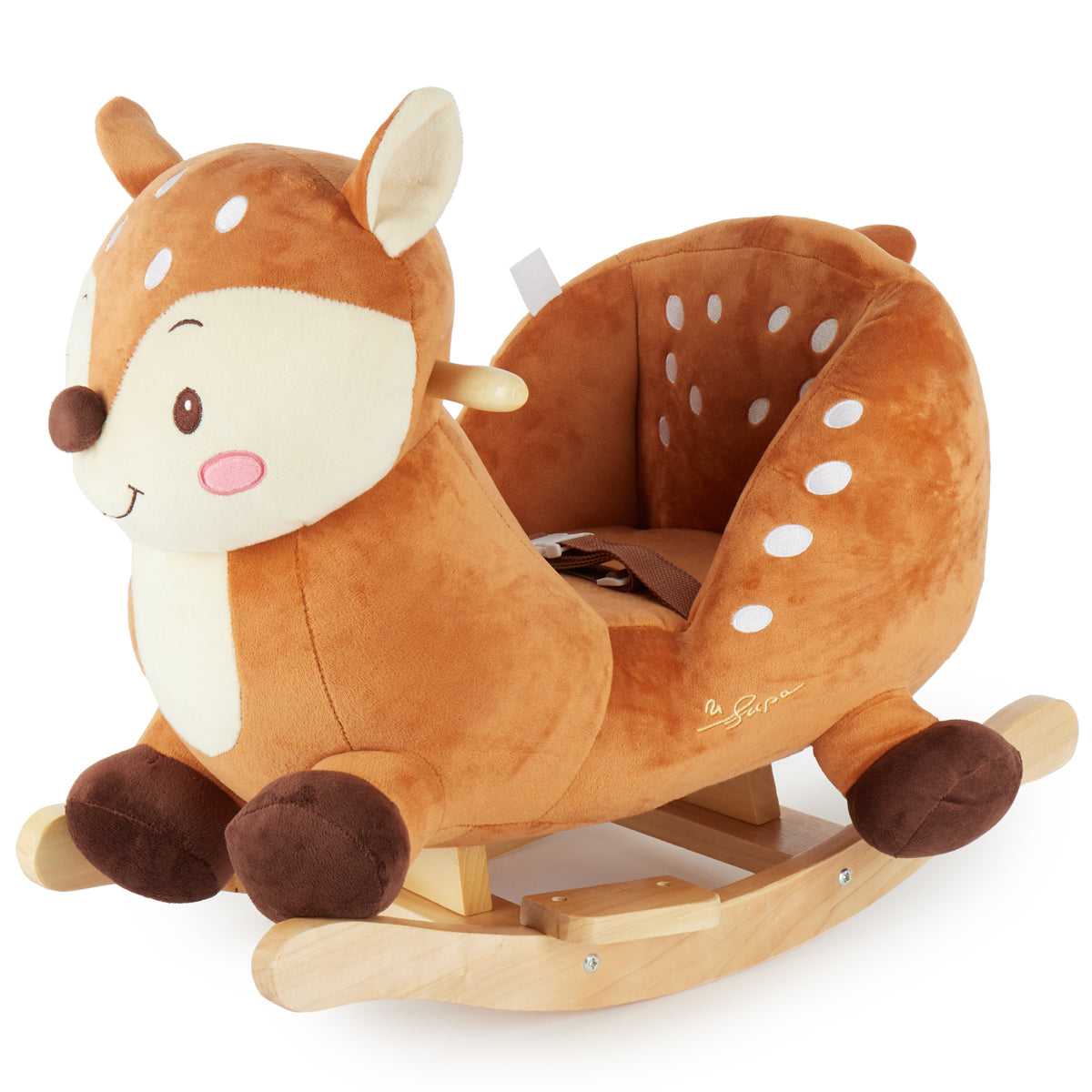
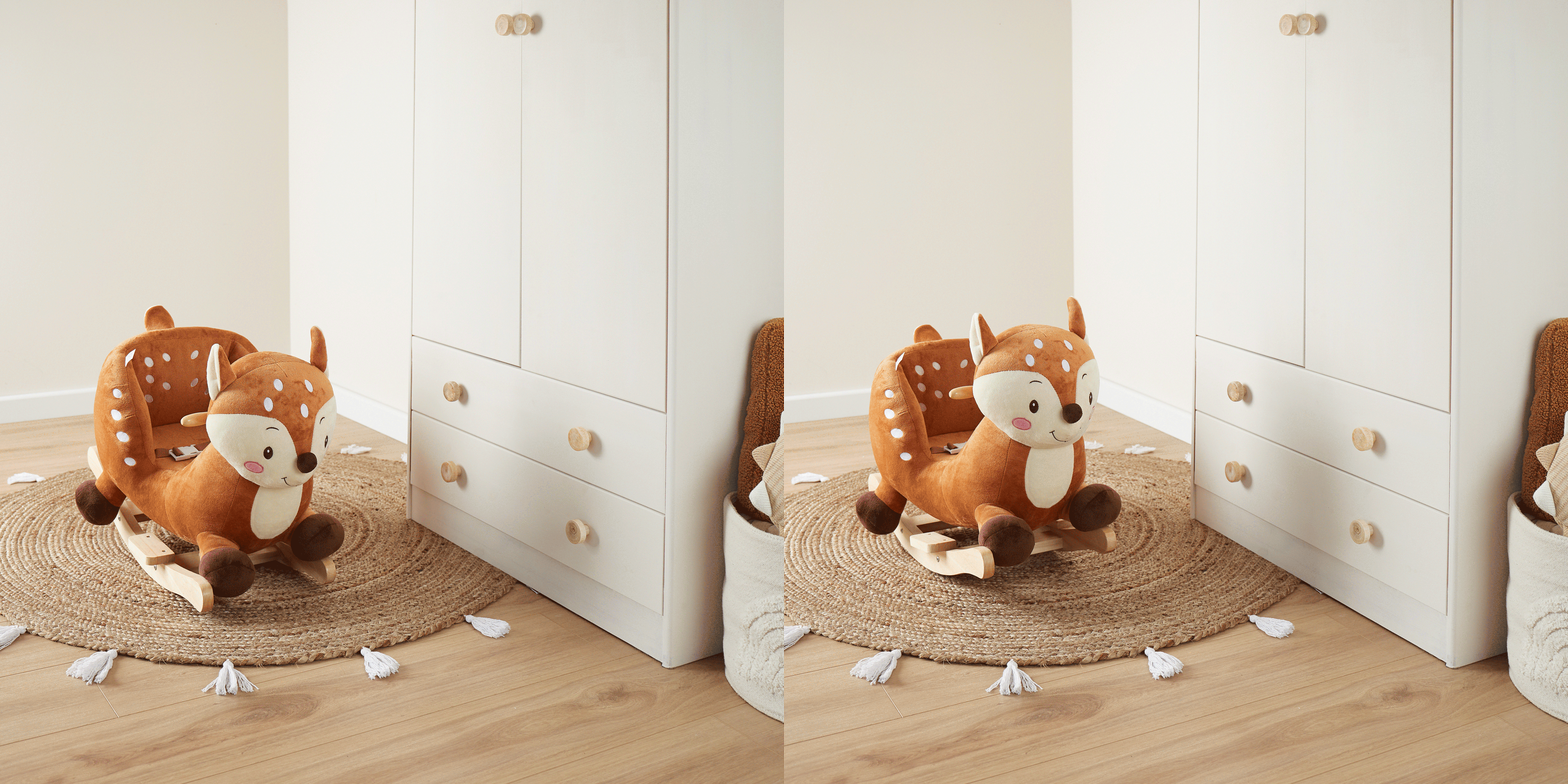
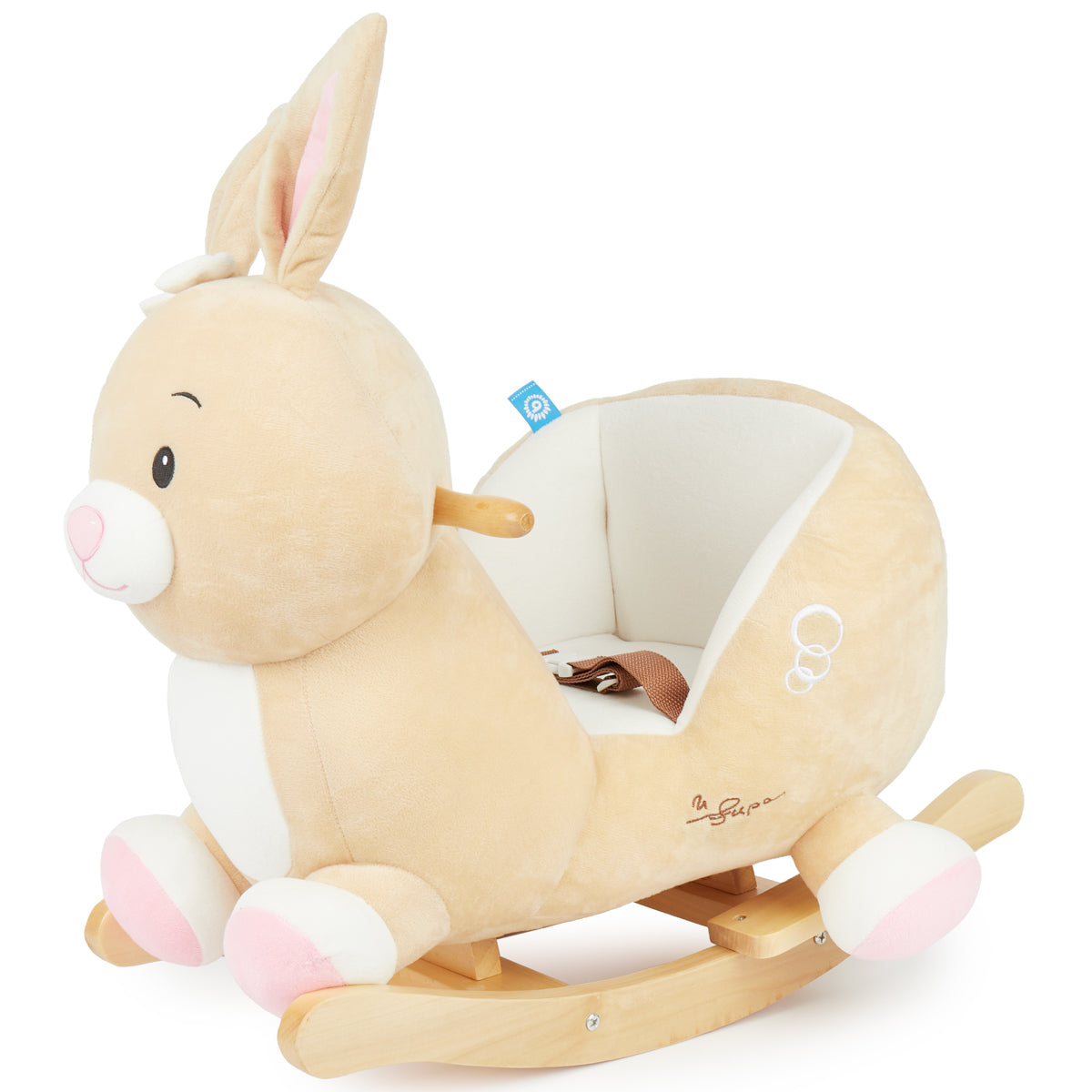
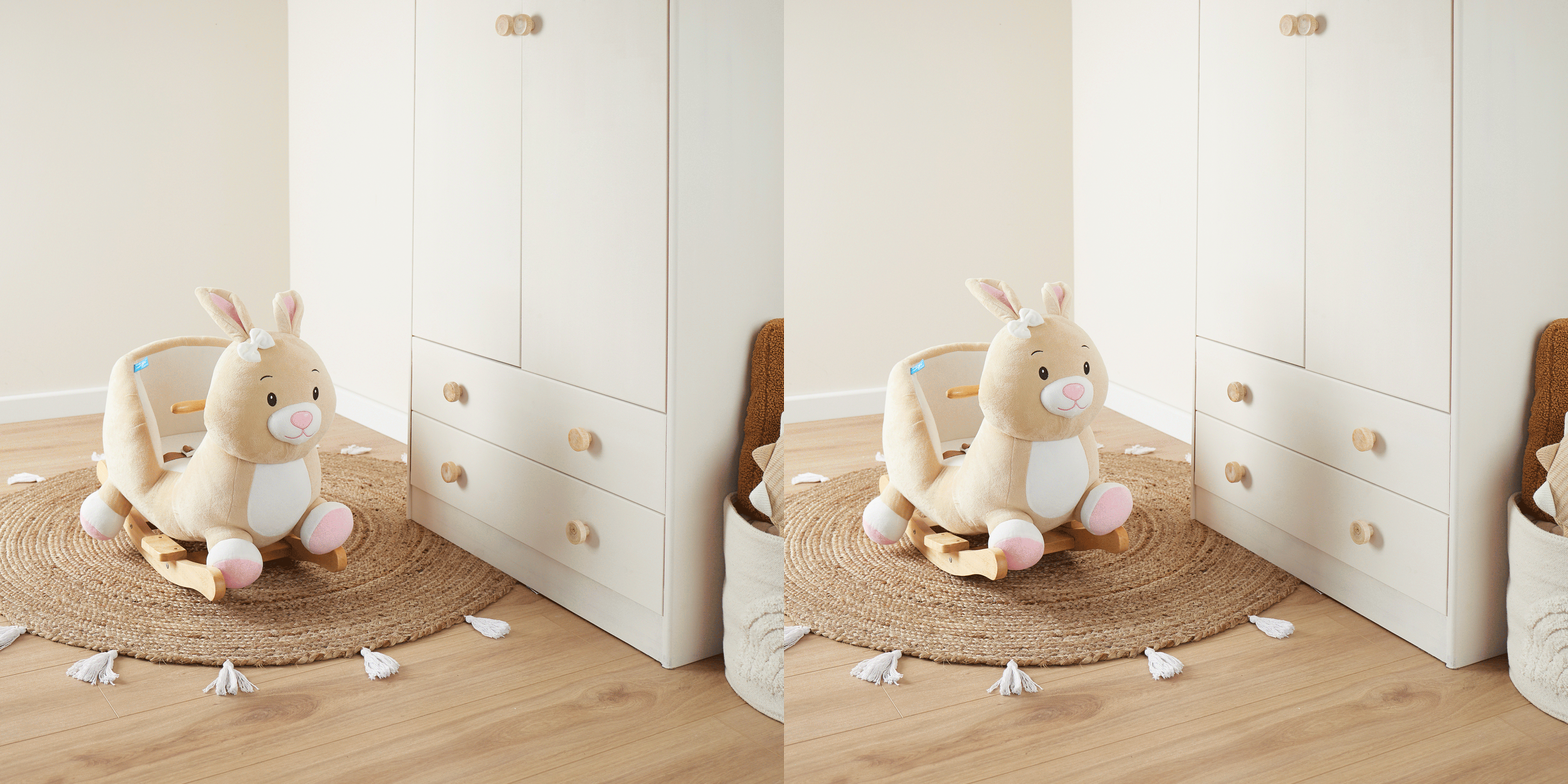
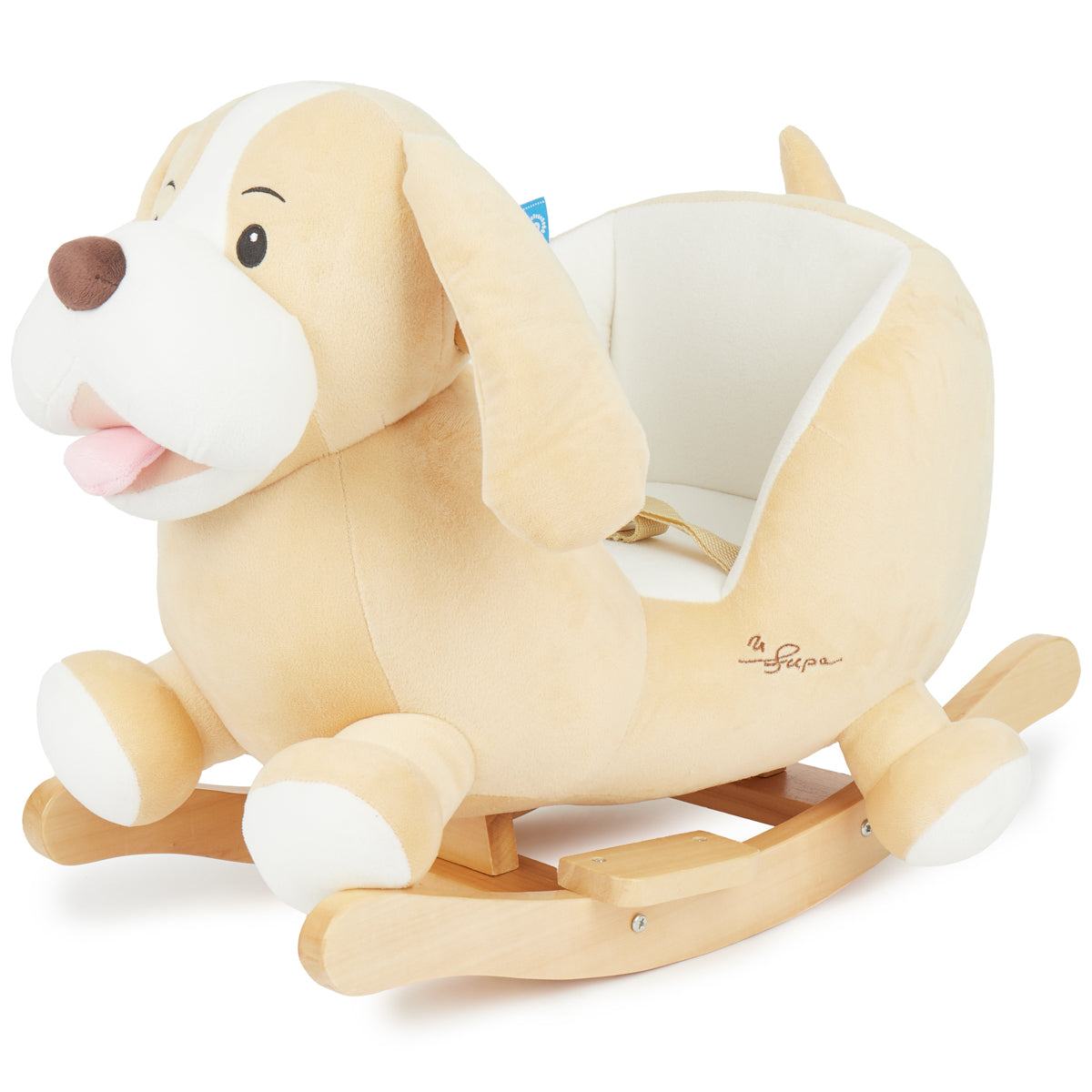
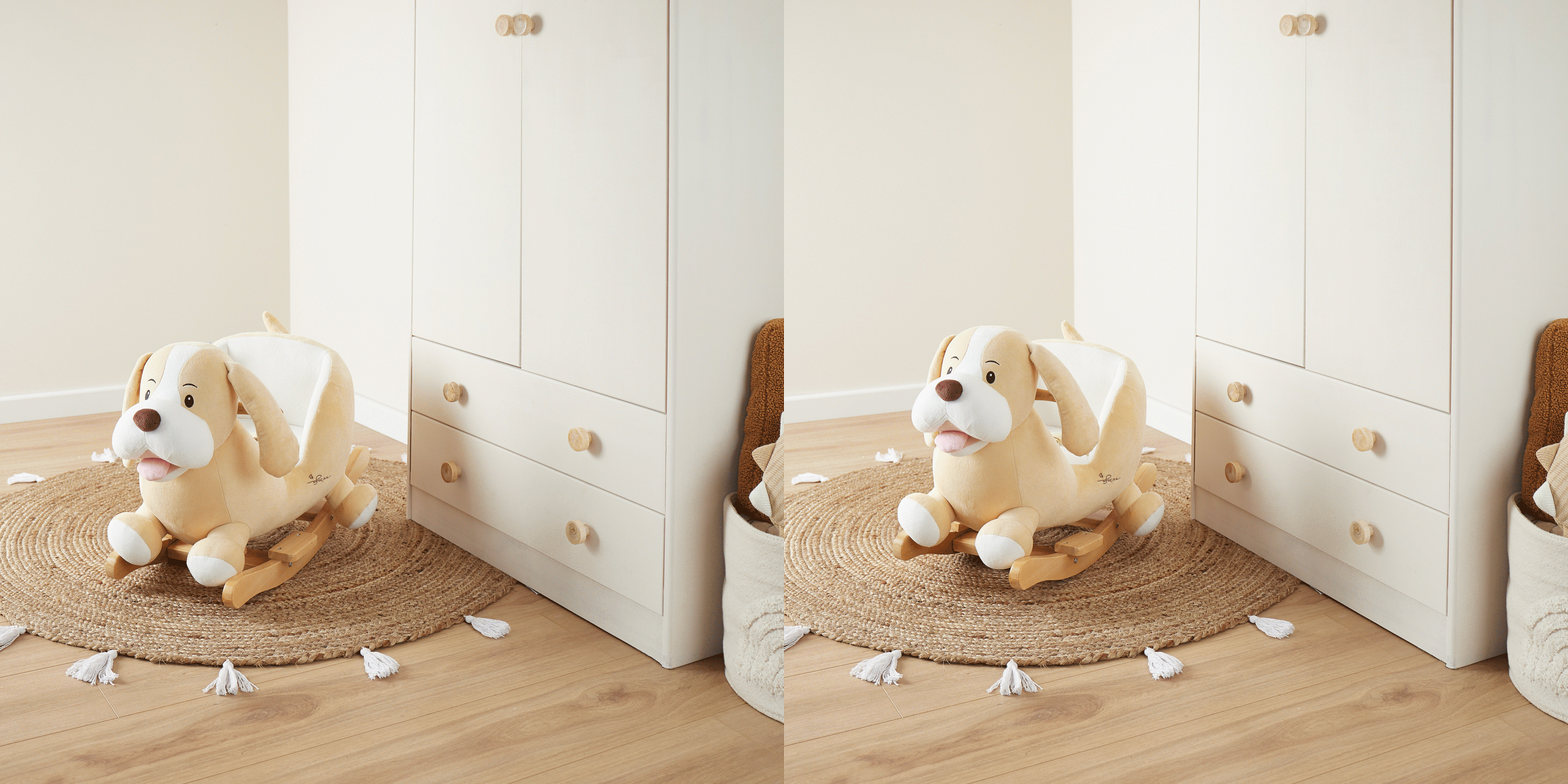
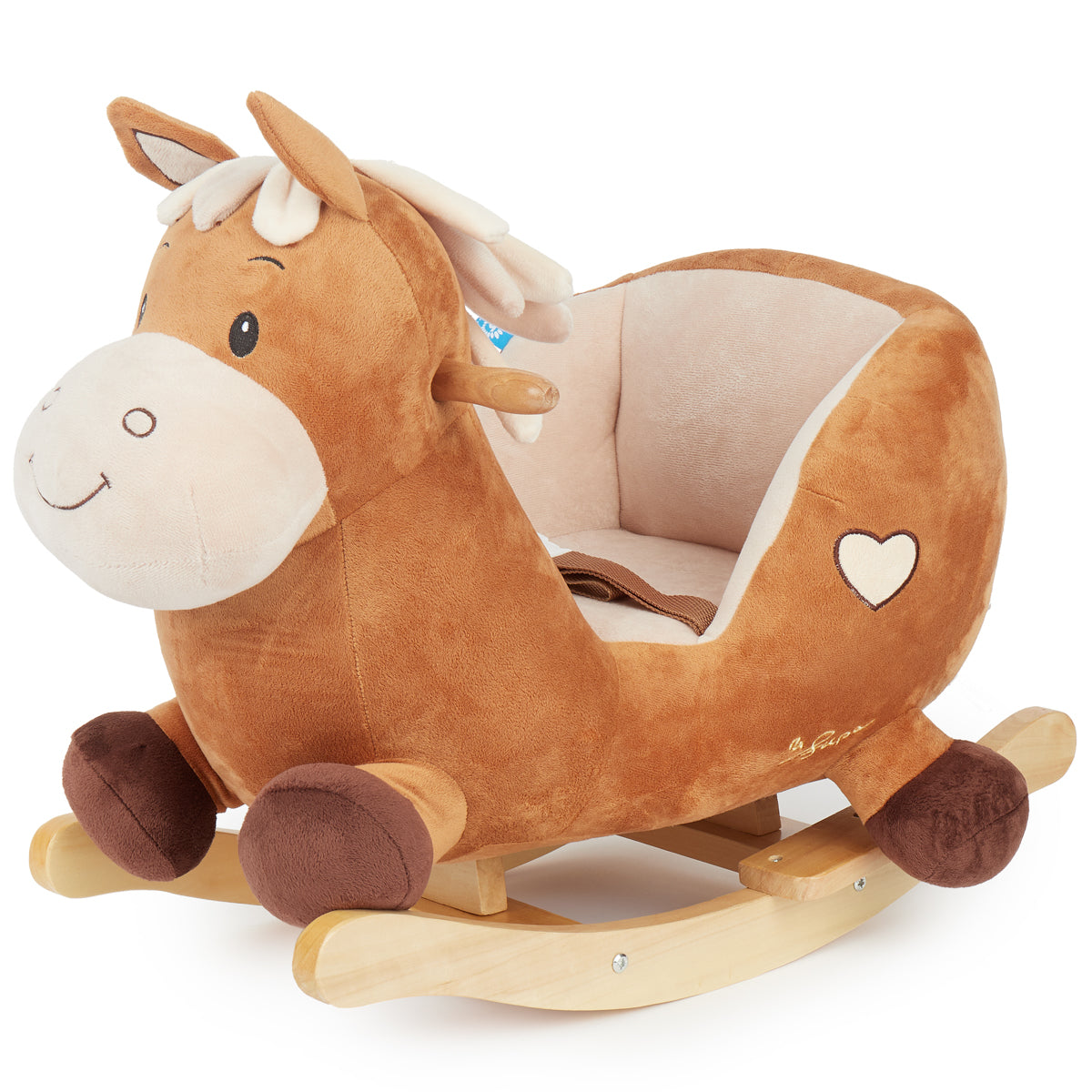
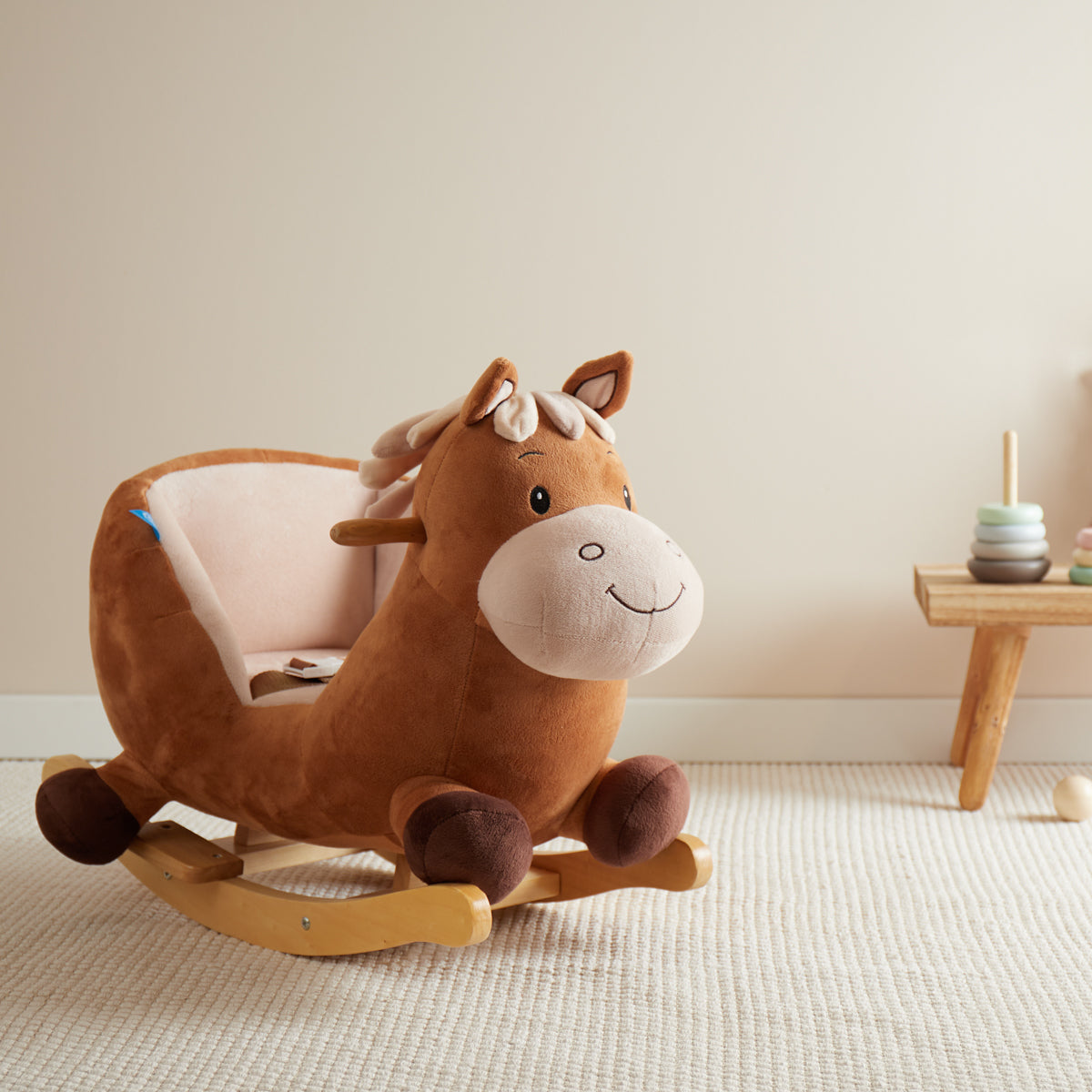
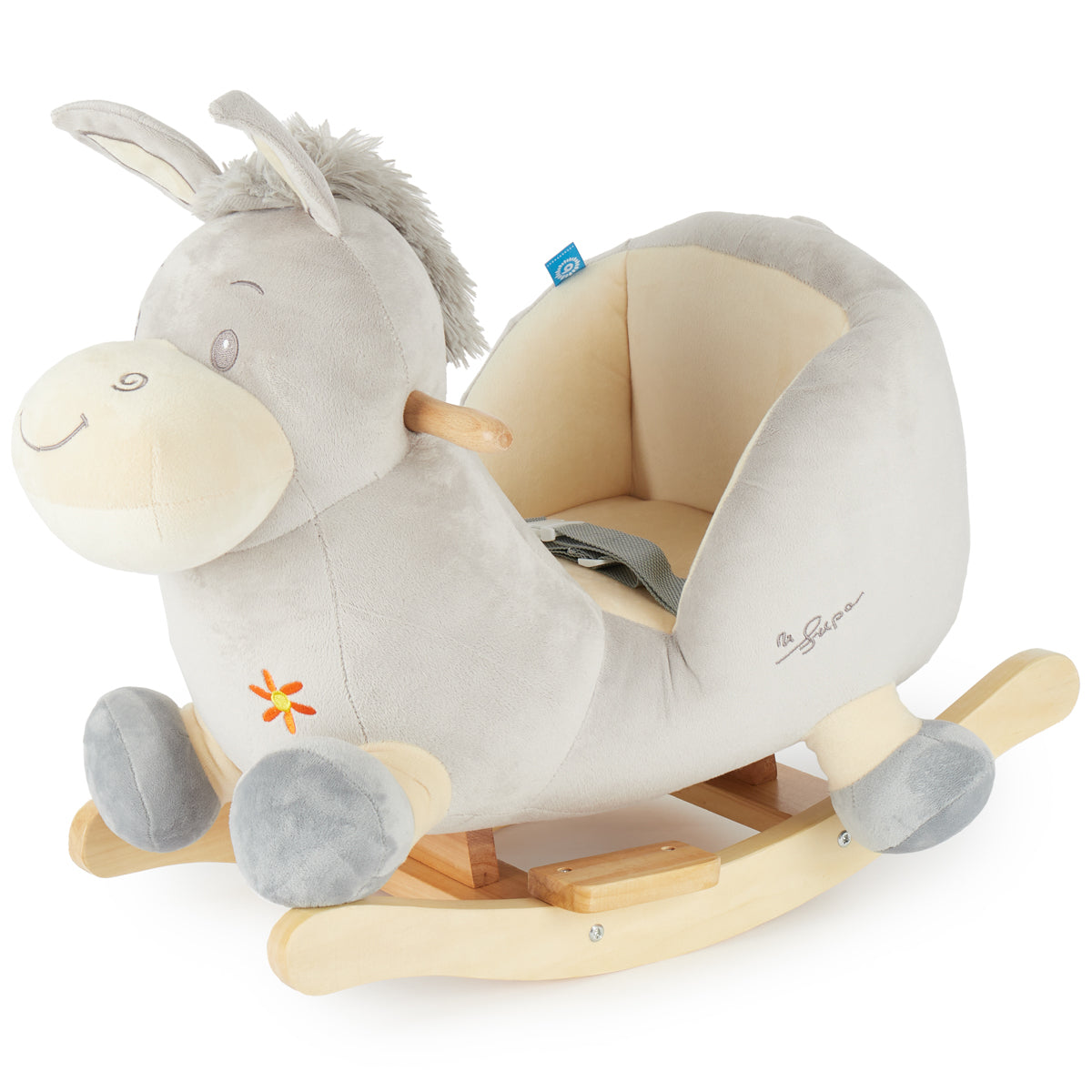
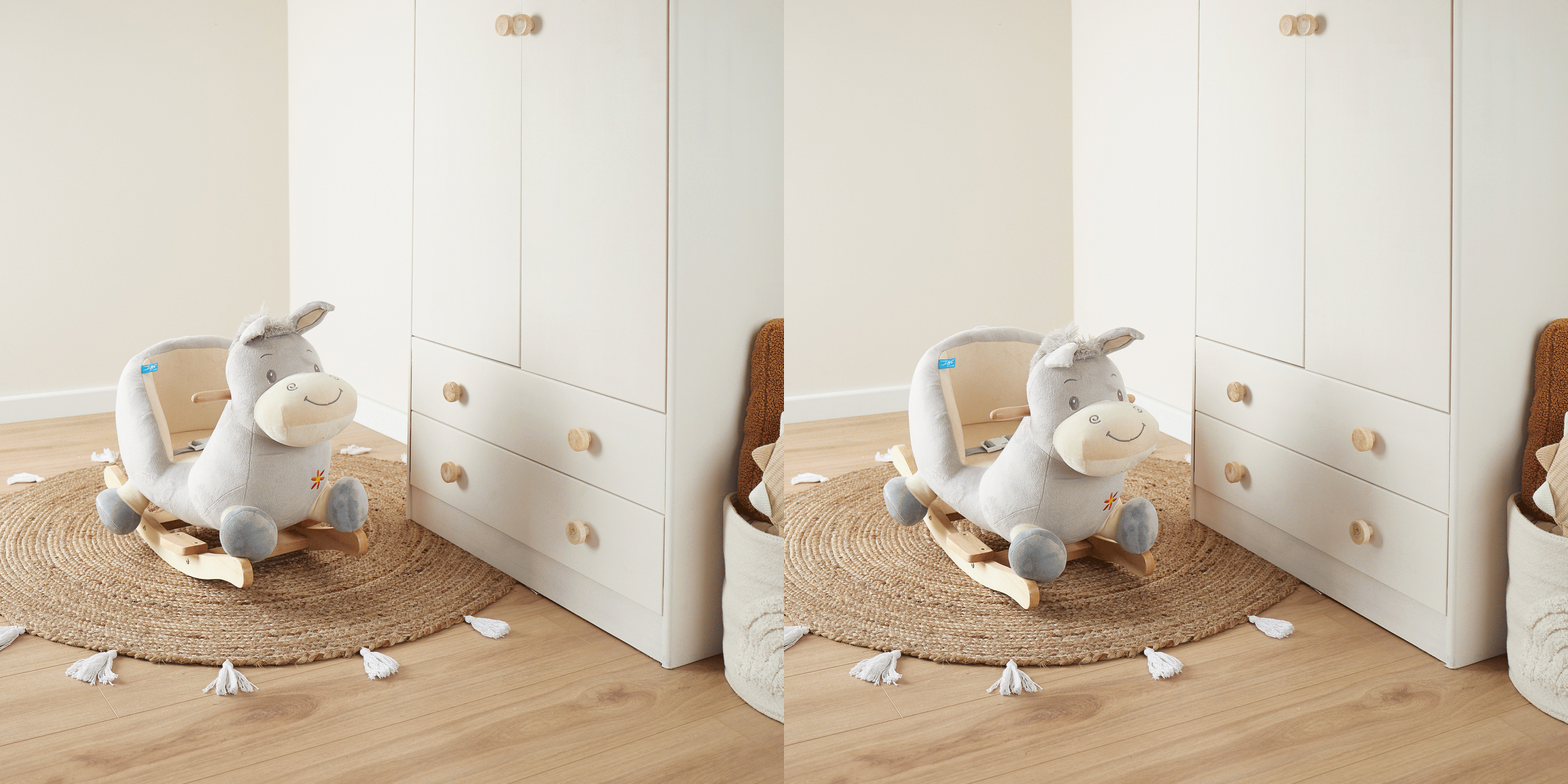
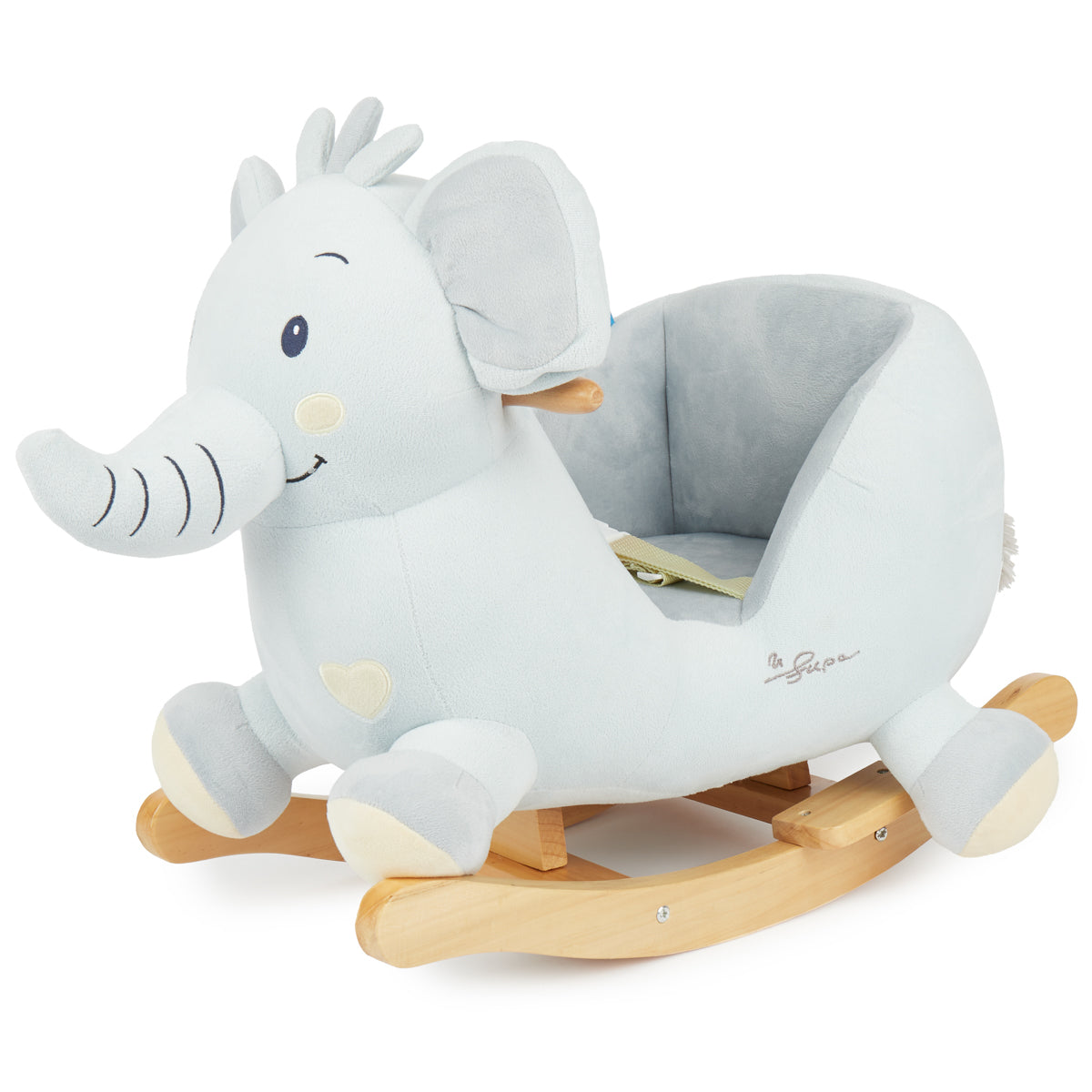
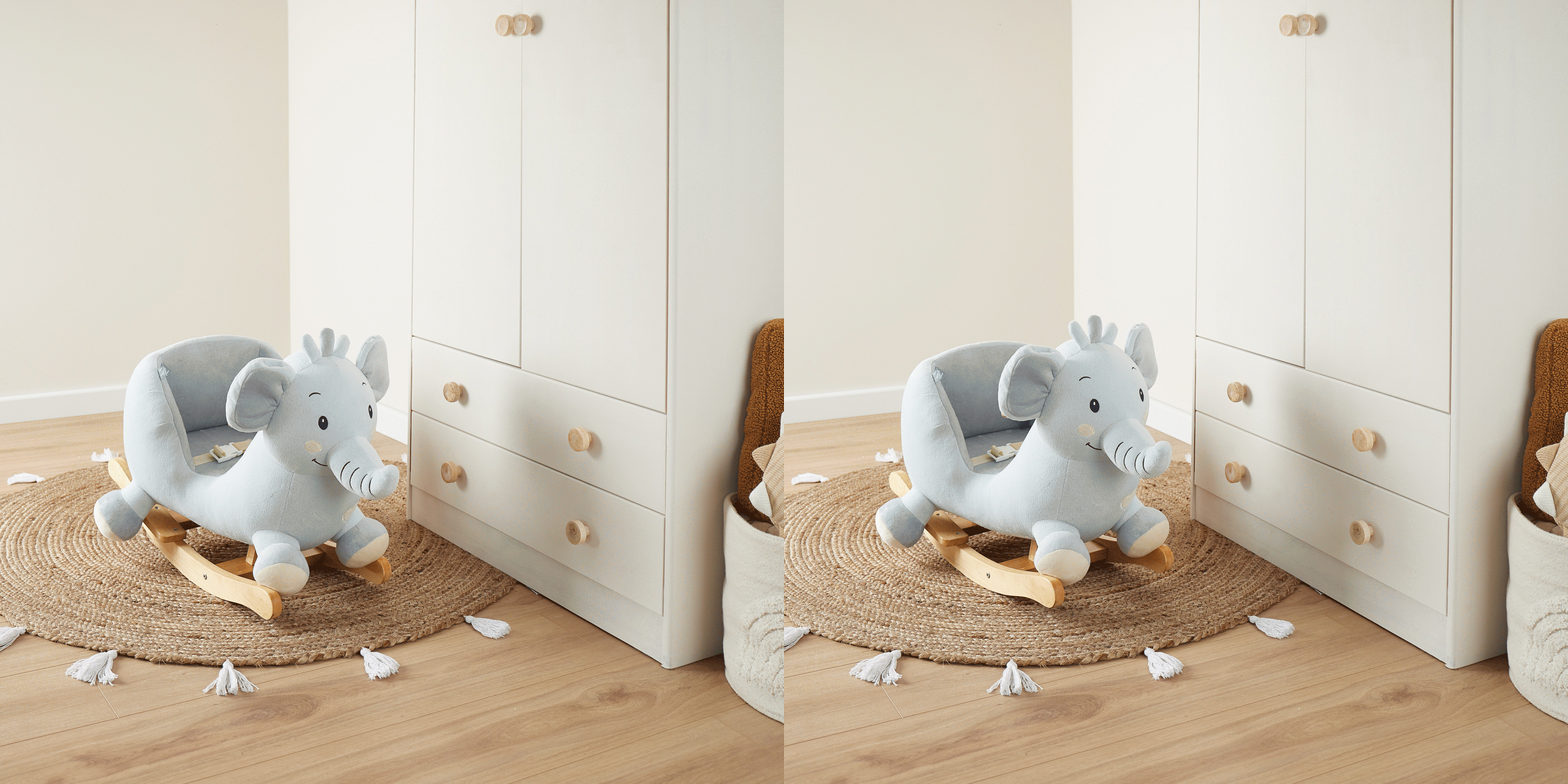
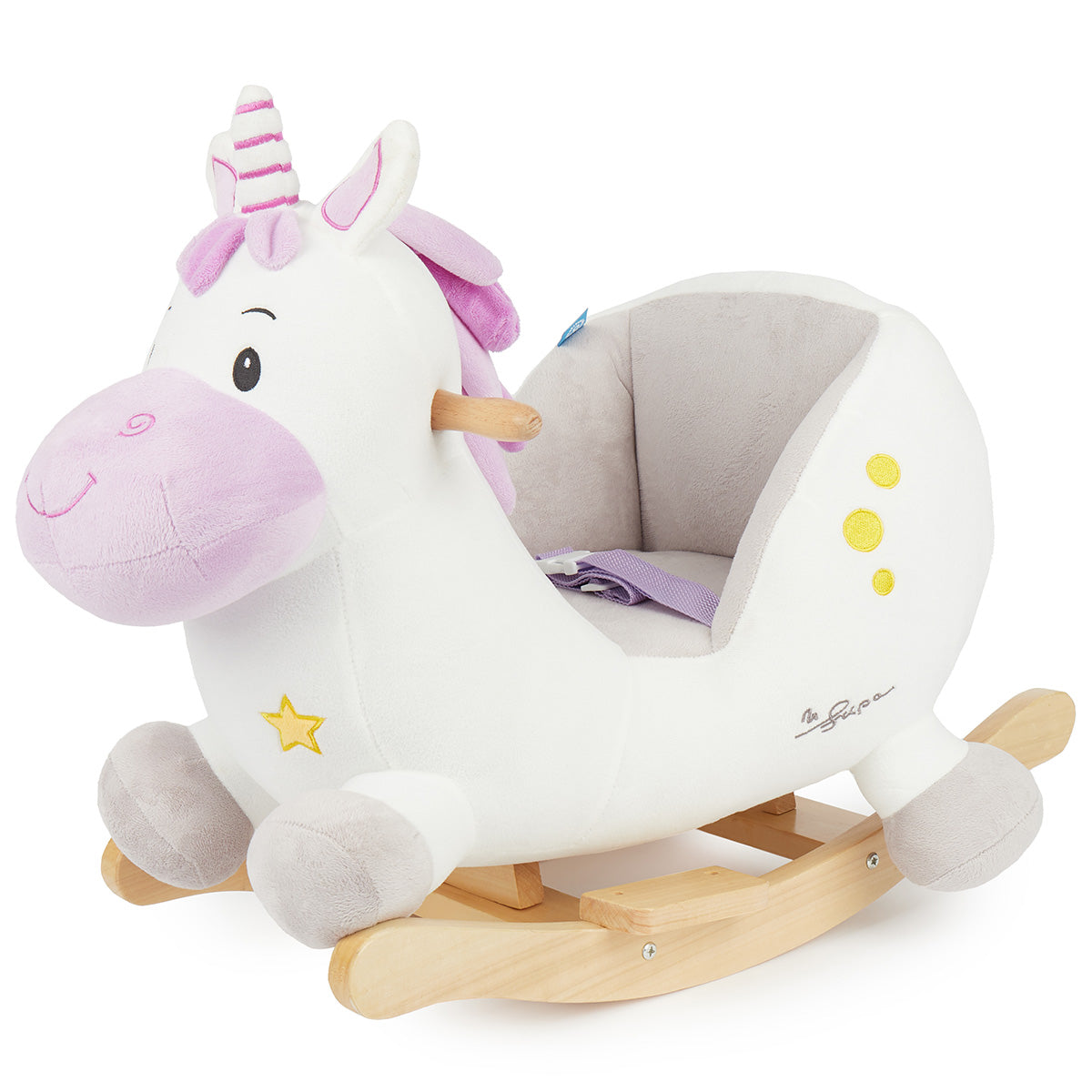
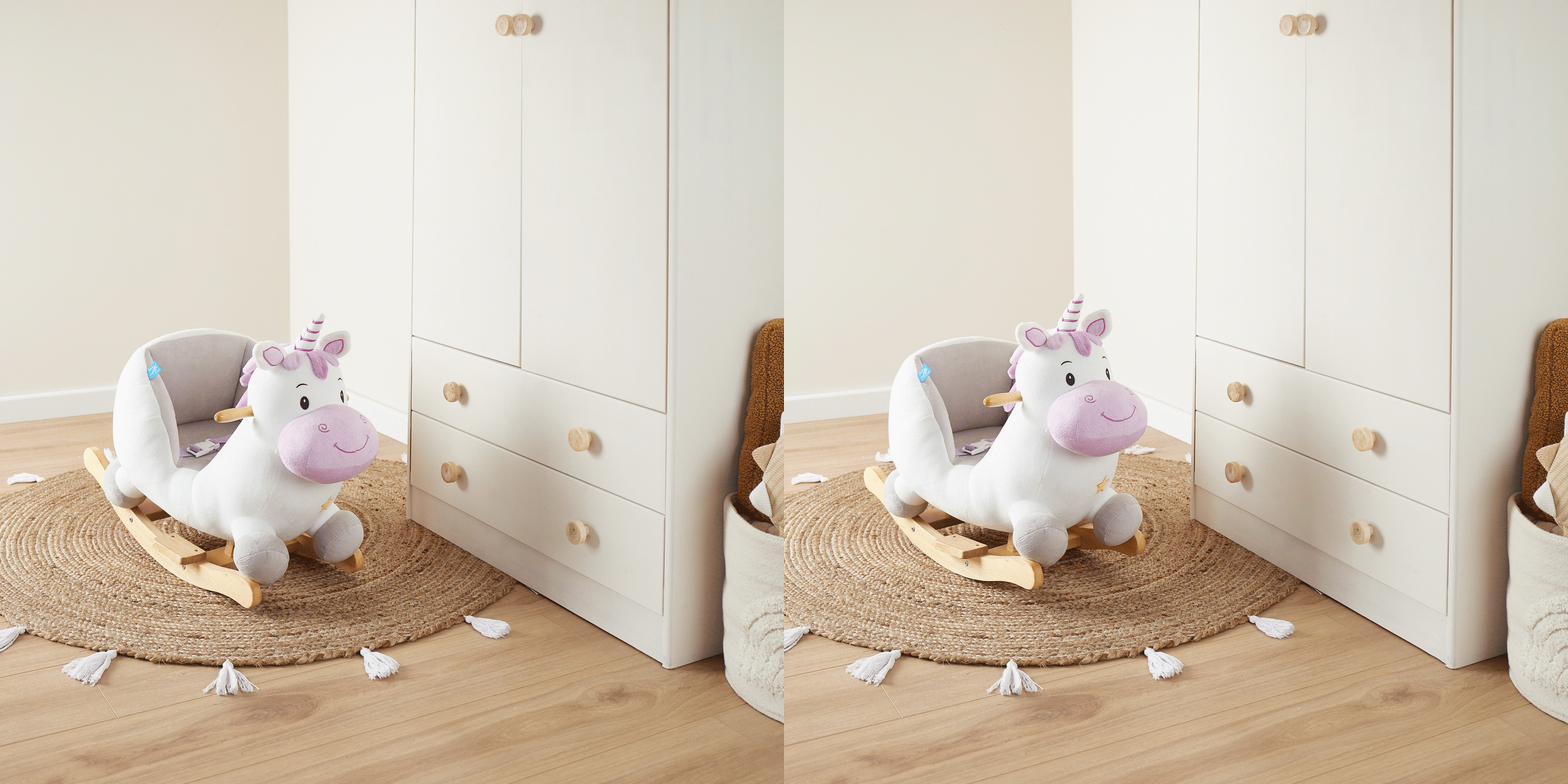
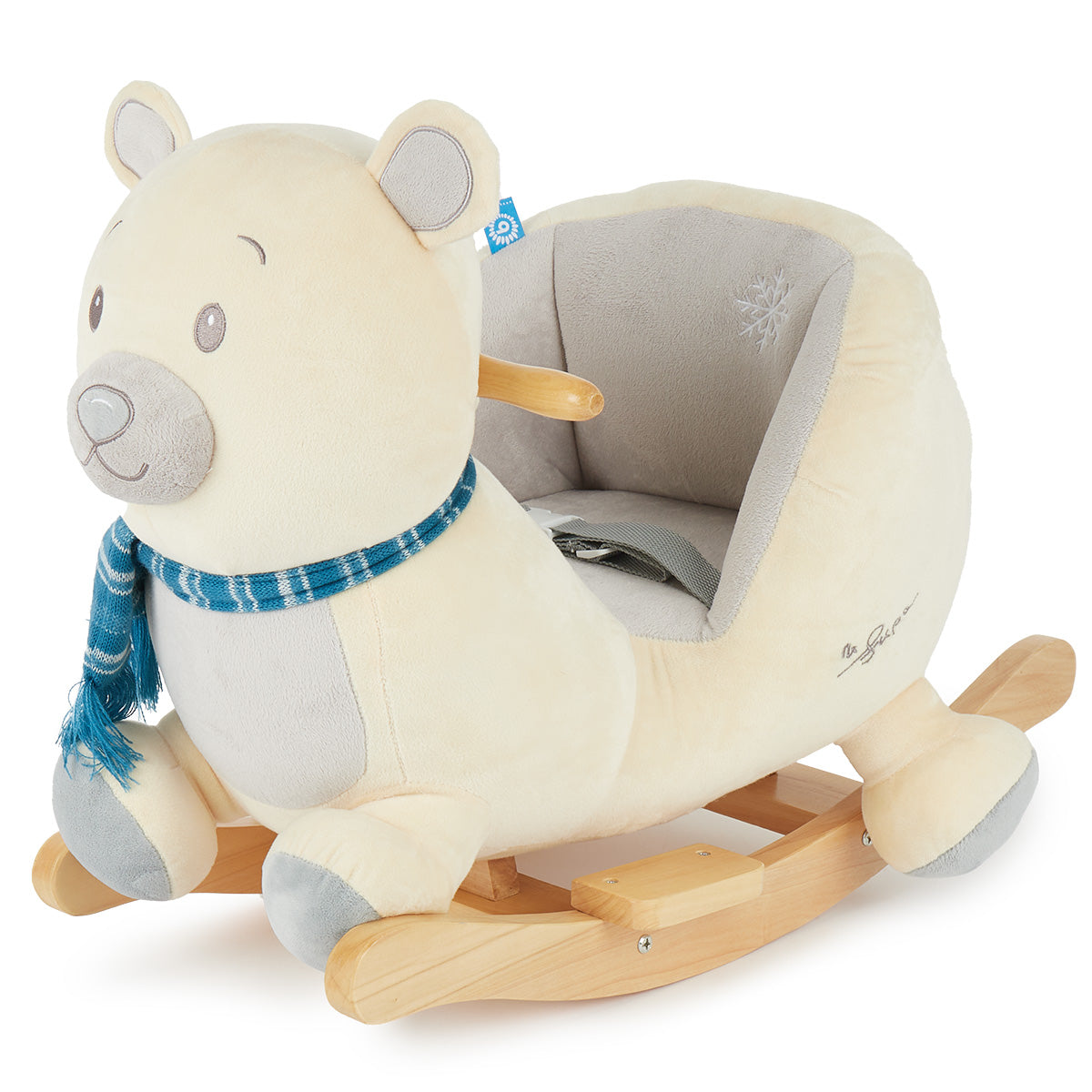
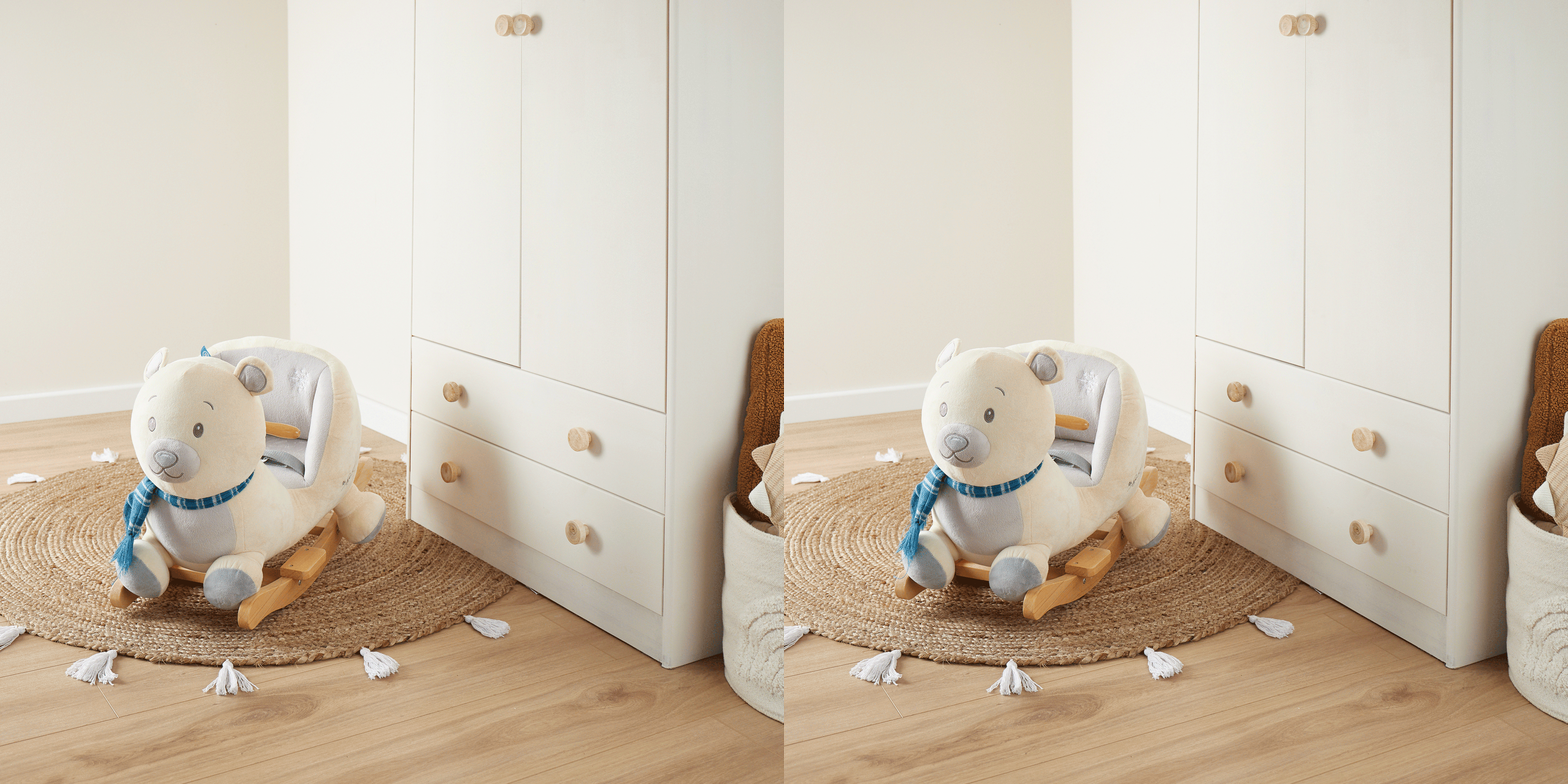
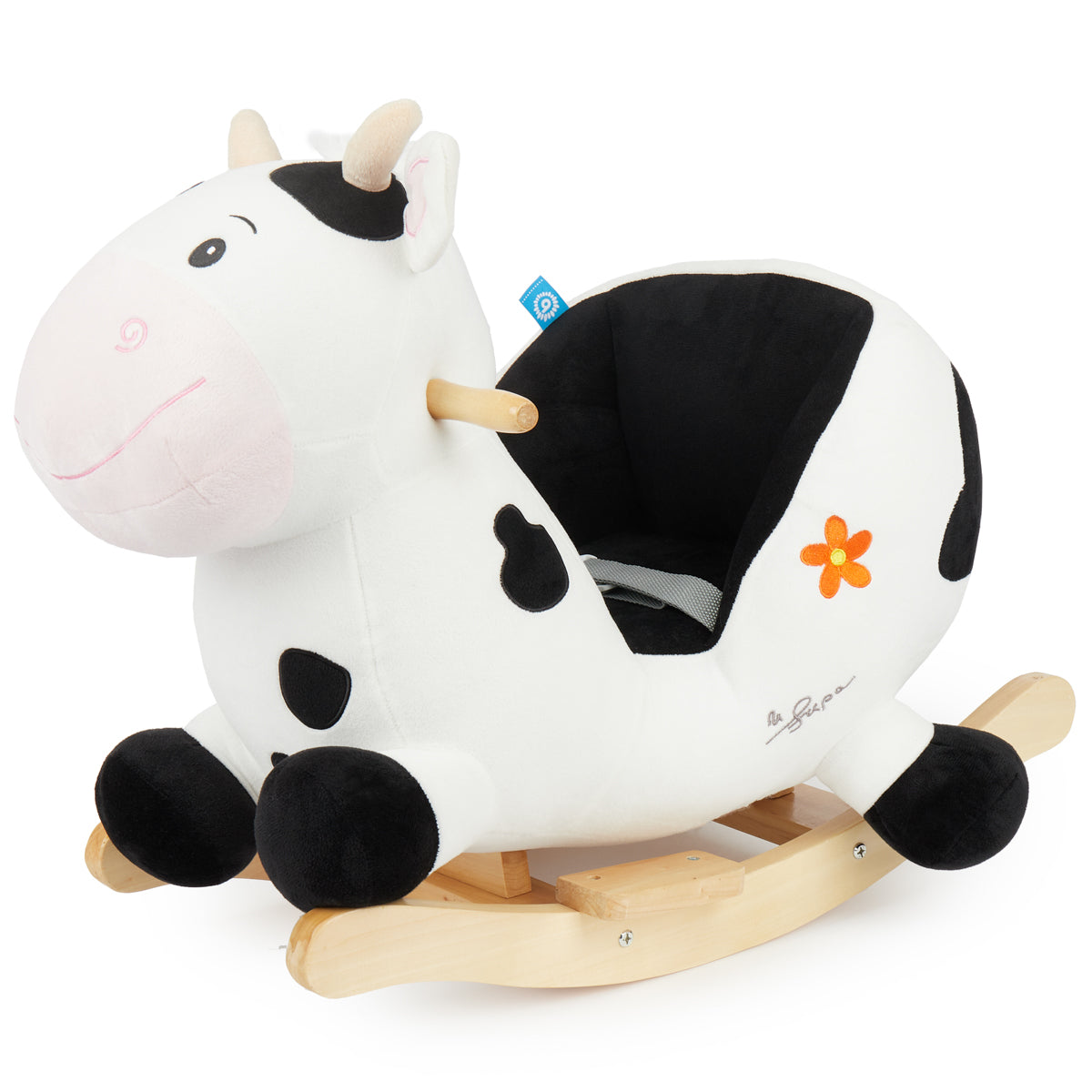
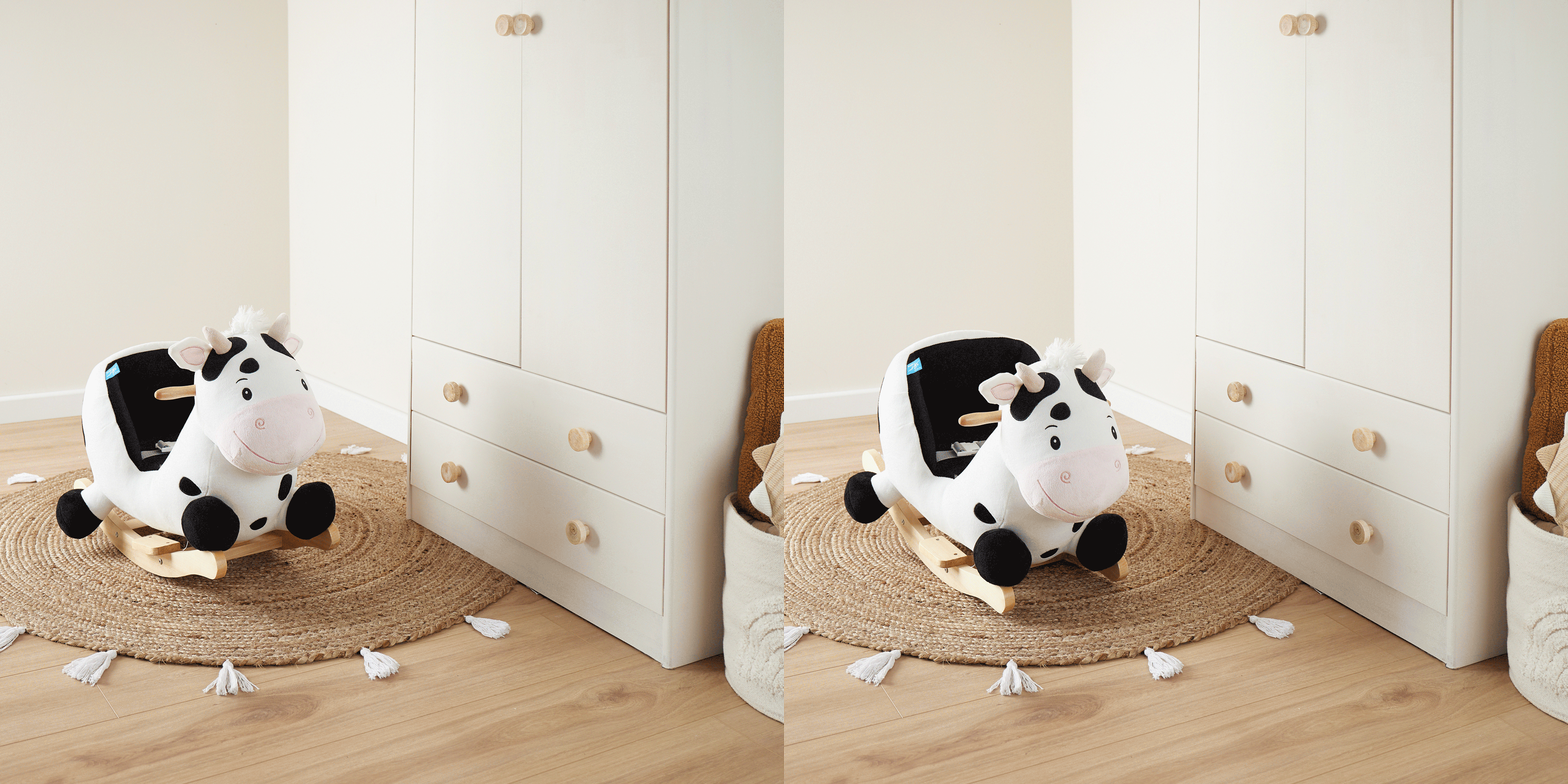
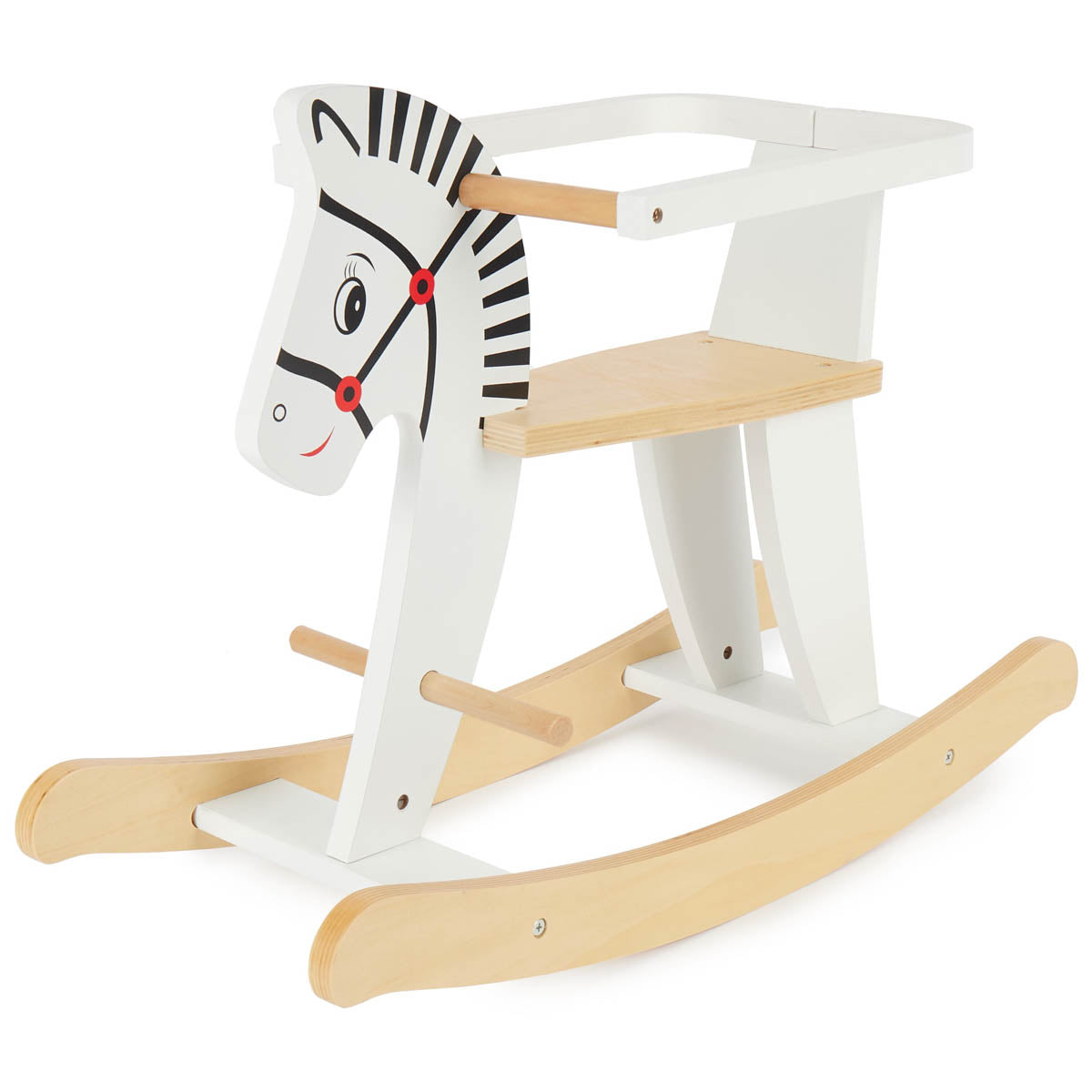
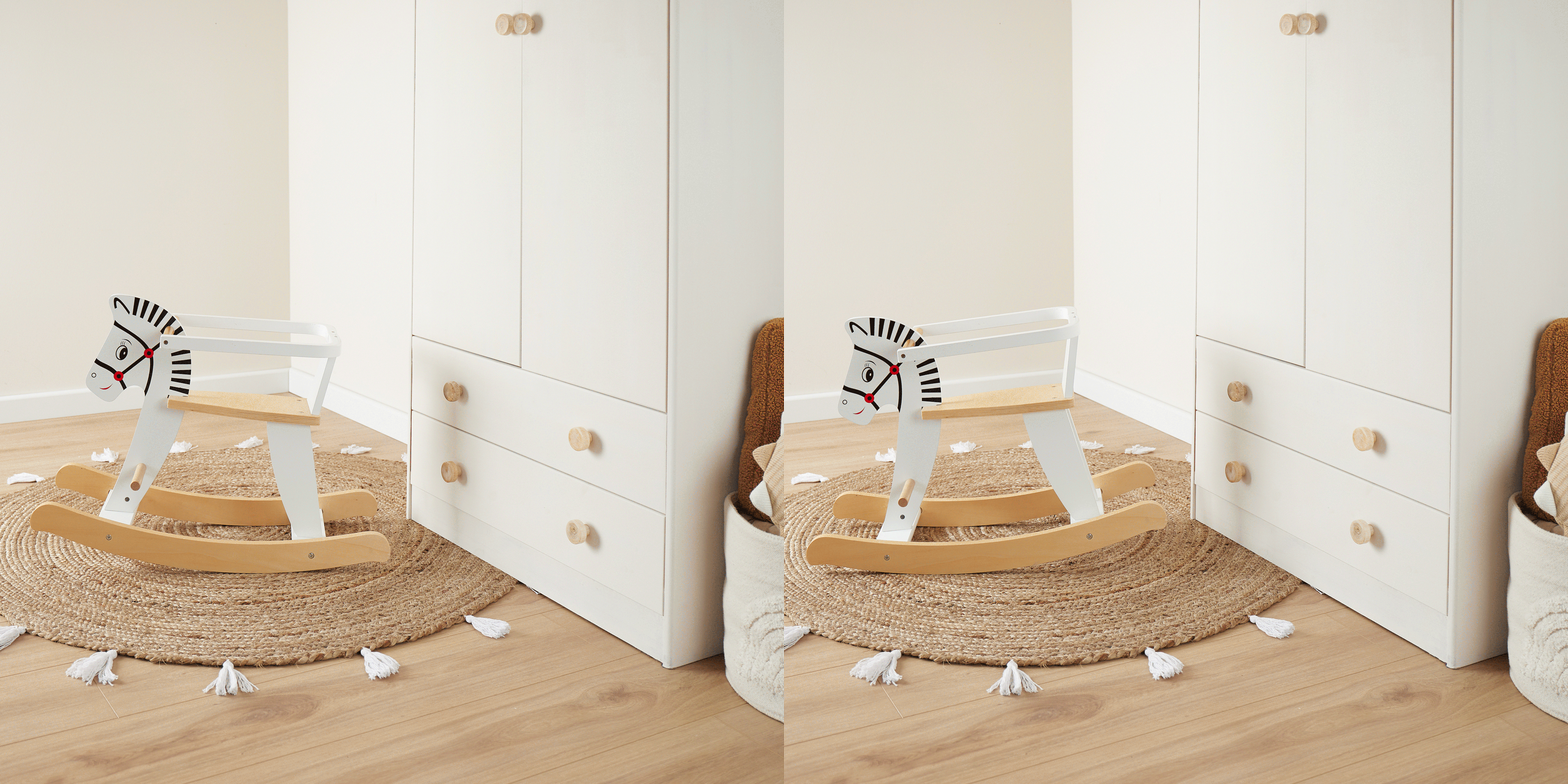
Our rocking animals for 9 months and up combine rocking fun with maximum safety. The padded seats with safety belt, handles and footrests provide support, while the solid wooden frame with tip-over protection ensures stability. While rocking, your baby playfully trains their sense of balance and strengthens their core muscles – important prerequisites for the first independent steps.
Whether Ella the deer, the little cow or the classic rocking horse: the cuddly-soft plush covers invite snuggling and quickly become a faithful companion. Rocking calms many babies and helps them fall asleep – a practical side effect for parents.
Wooden motor skills toys for little explorers
Natural wooden toys are ideal for 9-month-old babies, as they are durable, sustainable and free from harmful substances. Stacking cups, building blocks and shape-sorting games challenge fine motor skills and train spatial thinking. By stacking and knocking down towers, babies learn about cause and effect through play.
Motor skill loops and activity cubes offer a wide range of play possibilities in a small space: pushing, turning, inserting – every movement trains different motor skills. All wooden parts are carefully sanded and finished with saliva-resistant paints that meet the strict DIN EN 71 toy standard.
Soft toys and sensory playthings
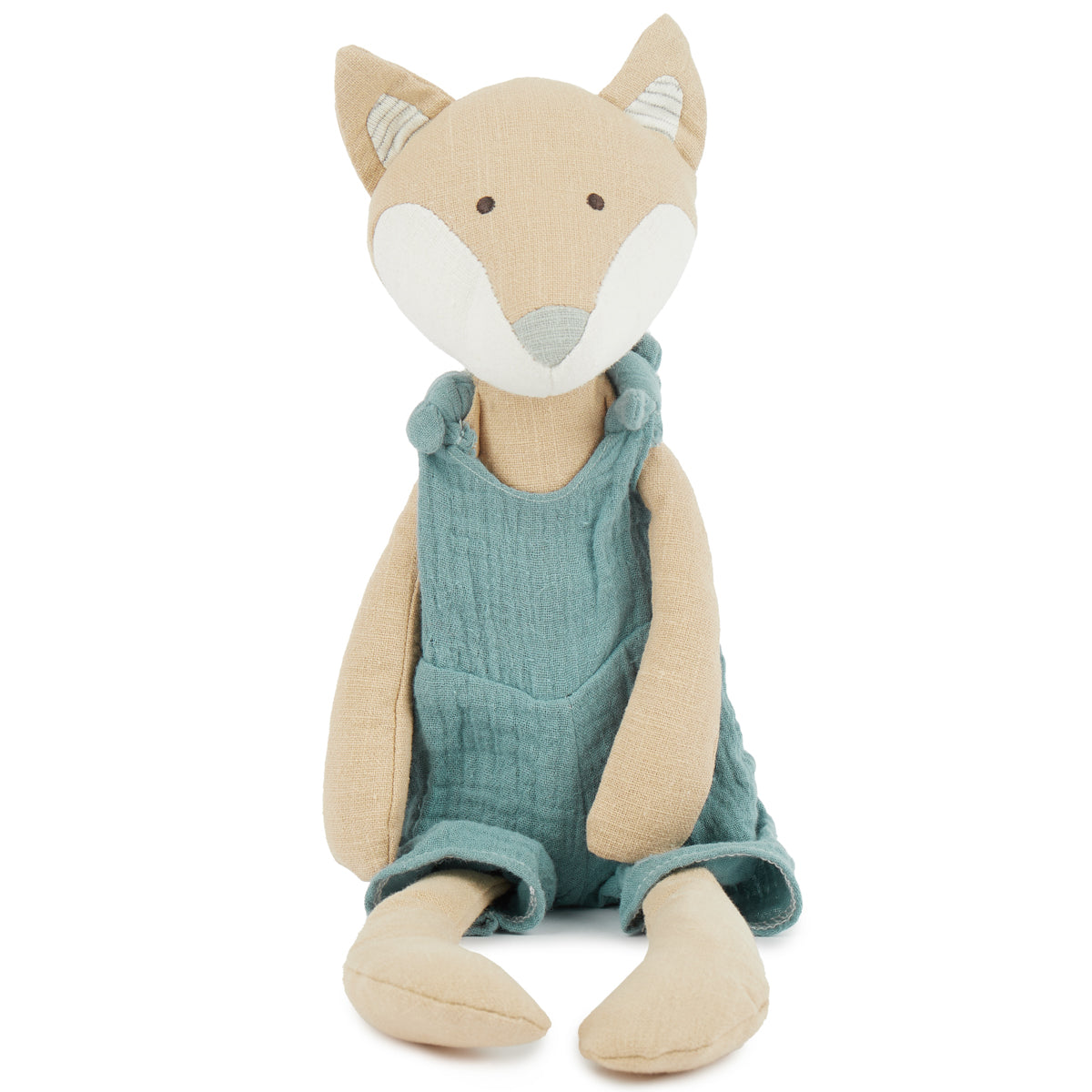
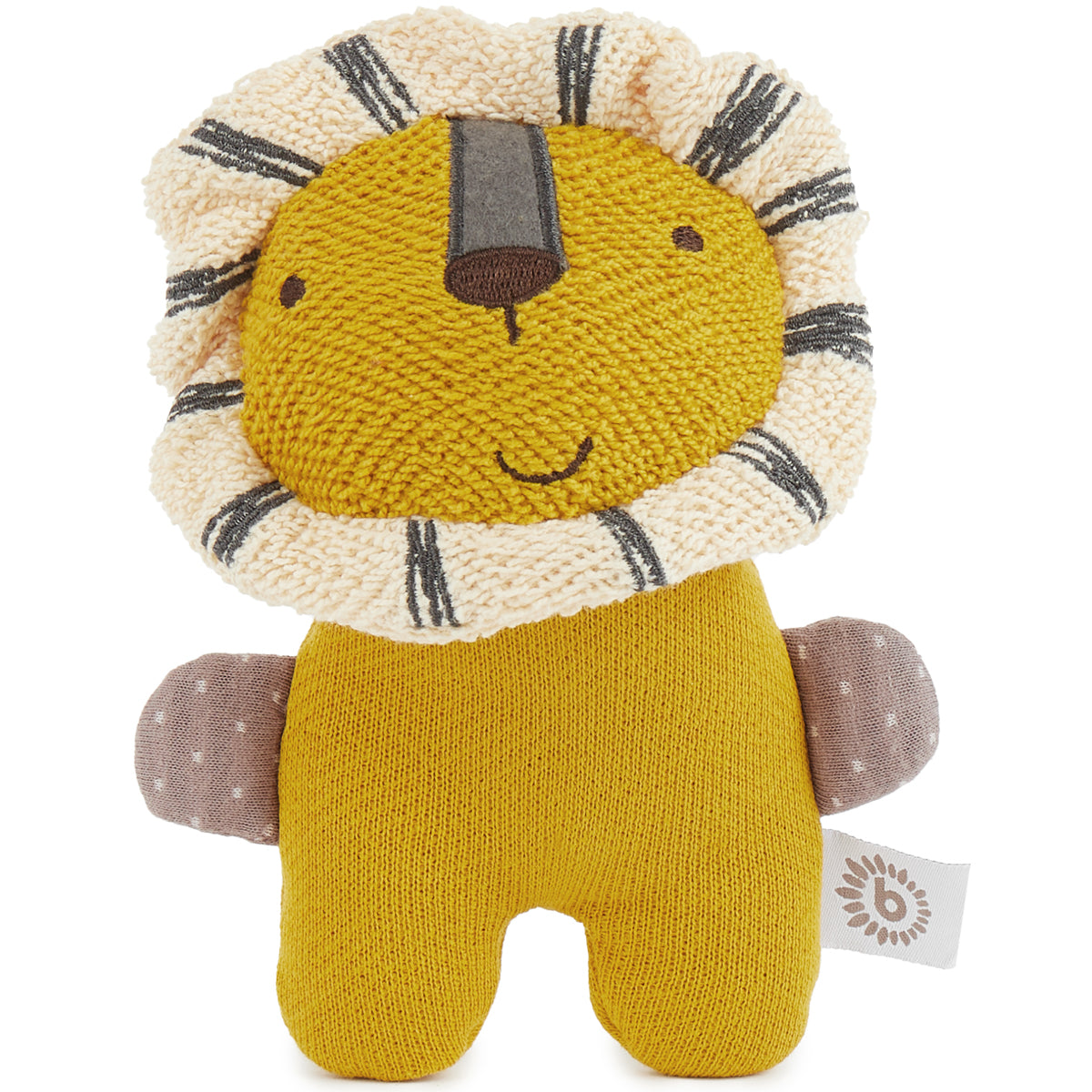
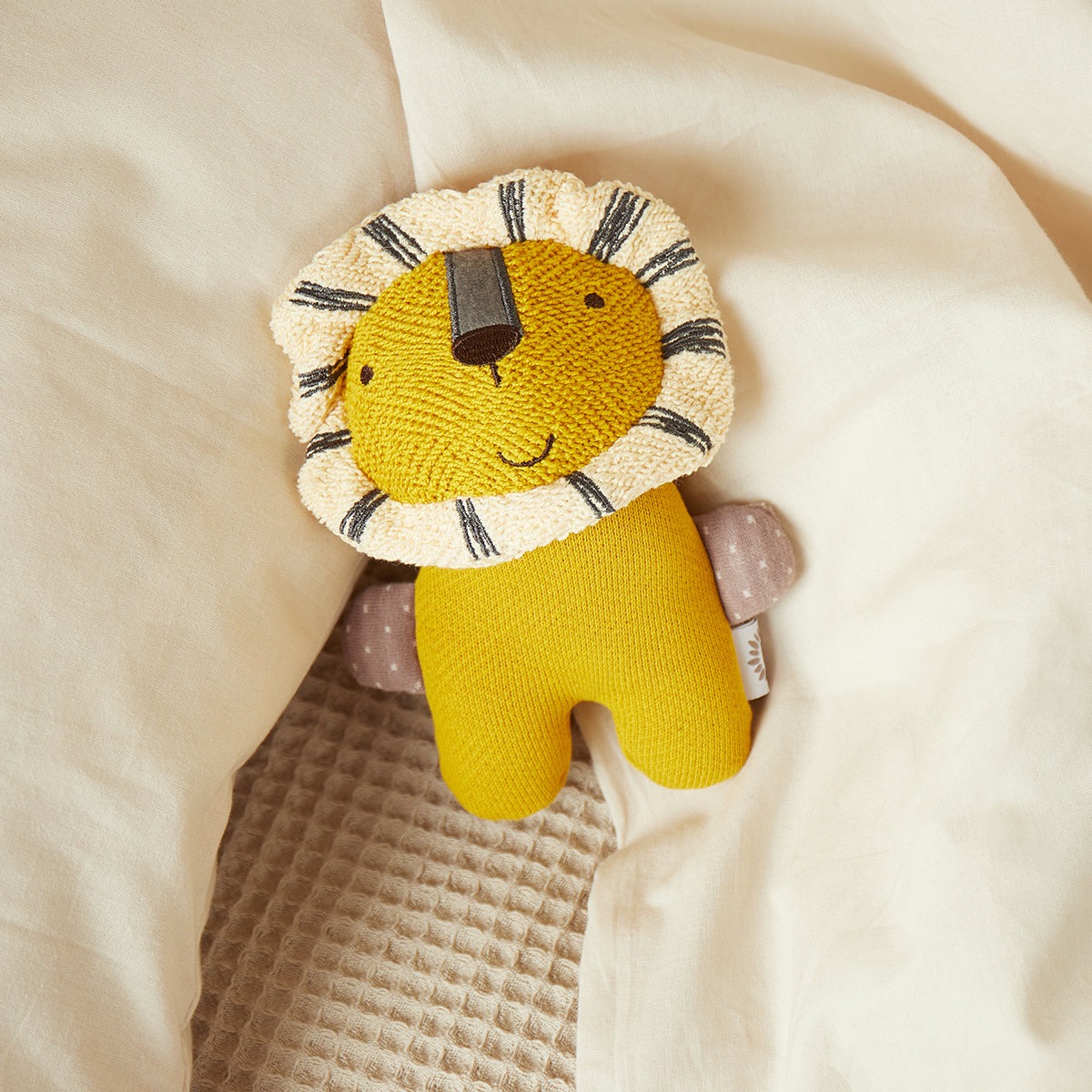
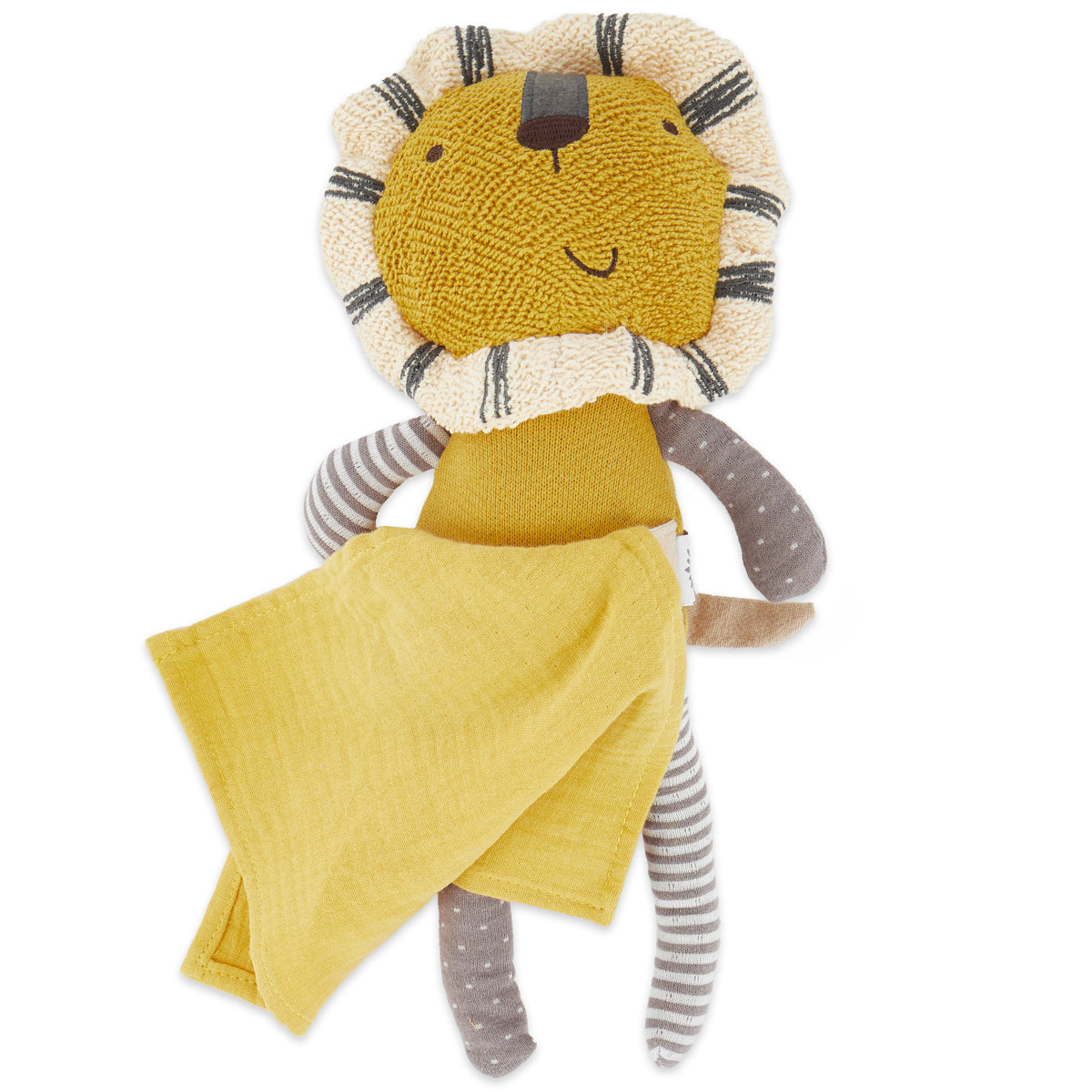
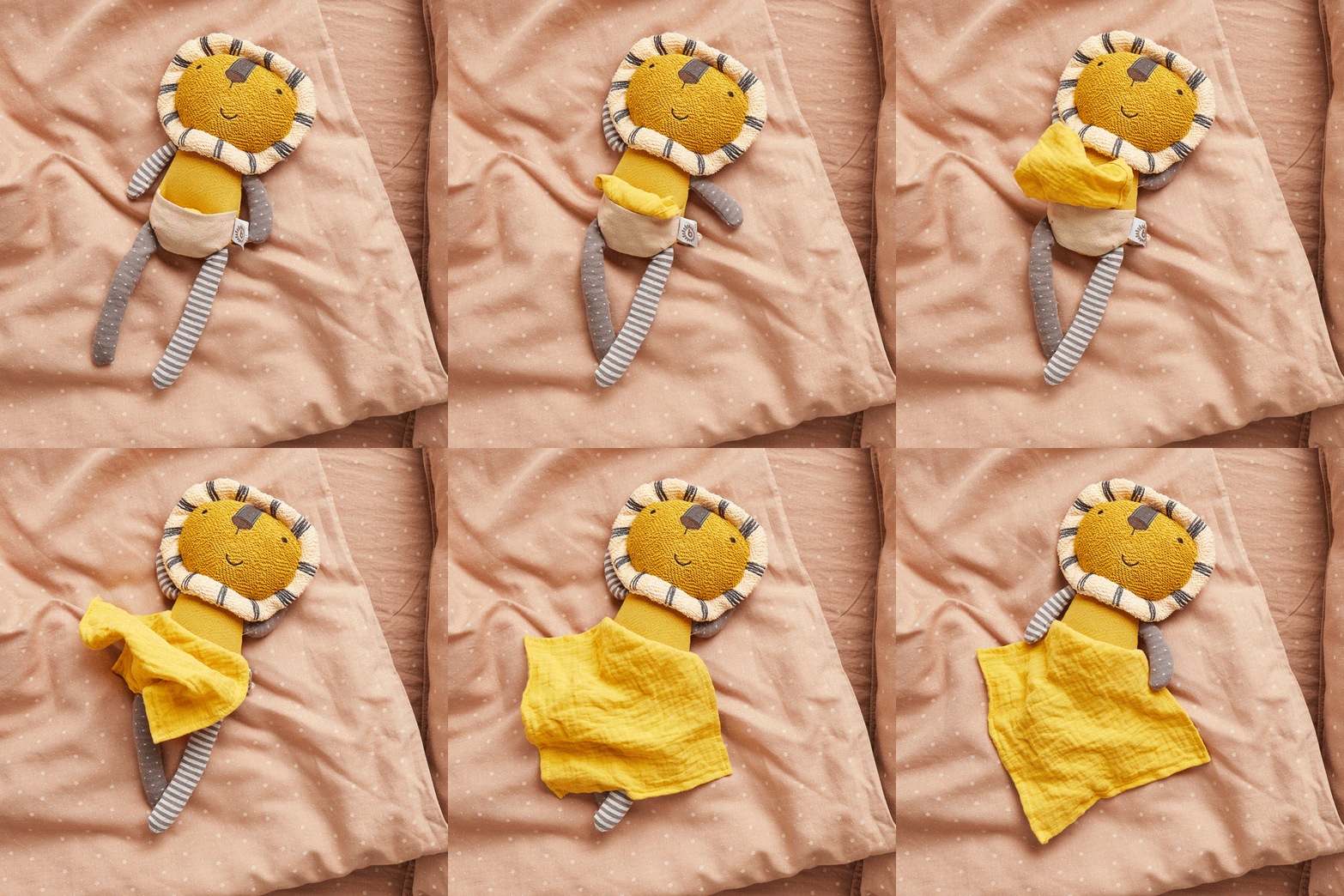
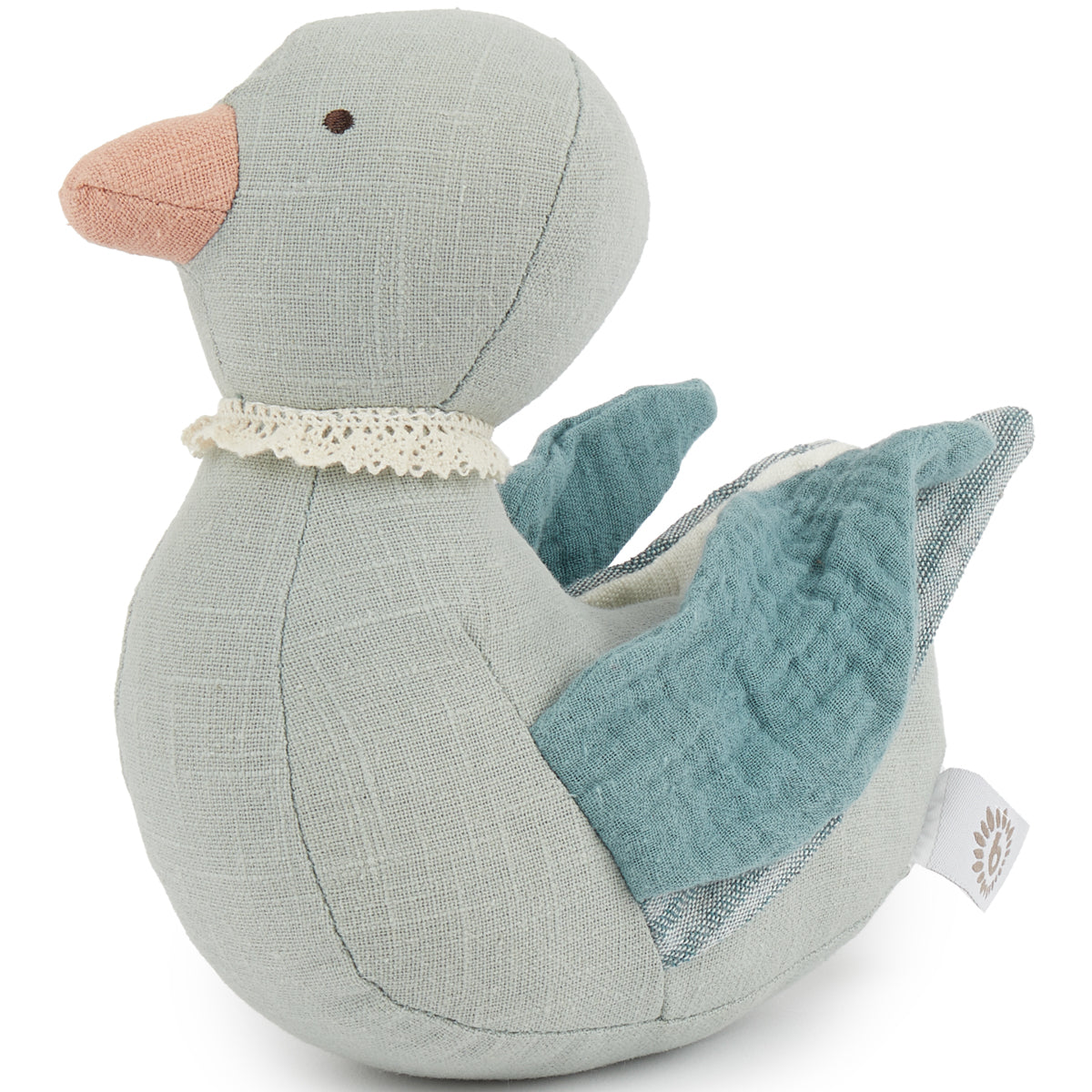
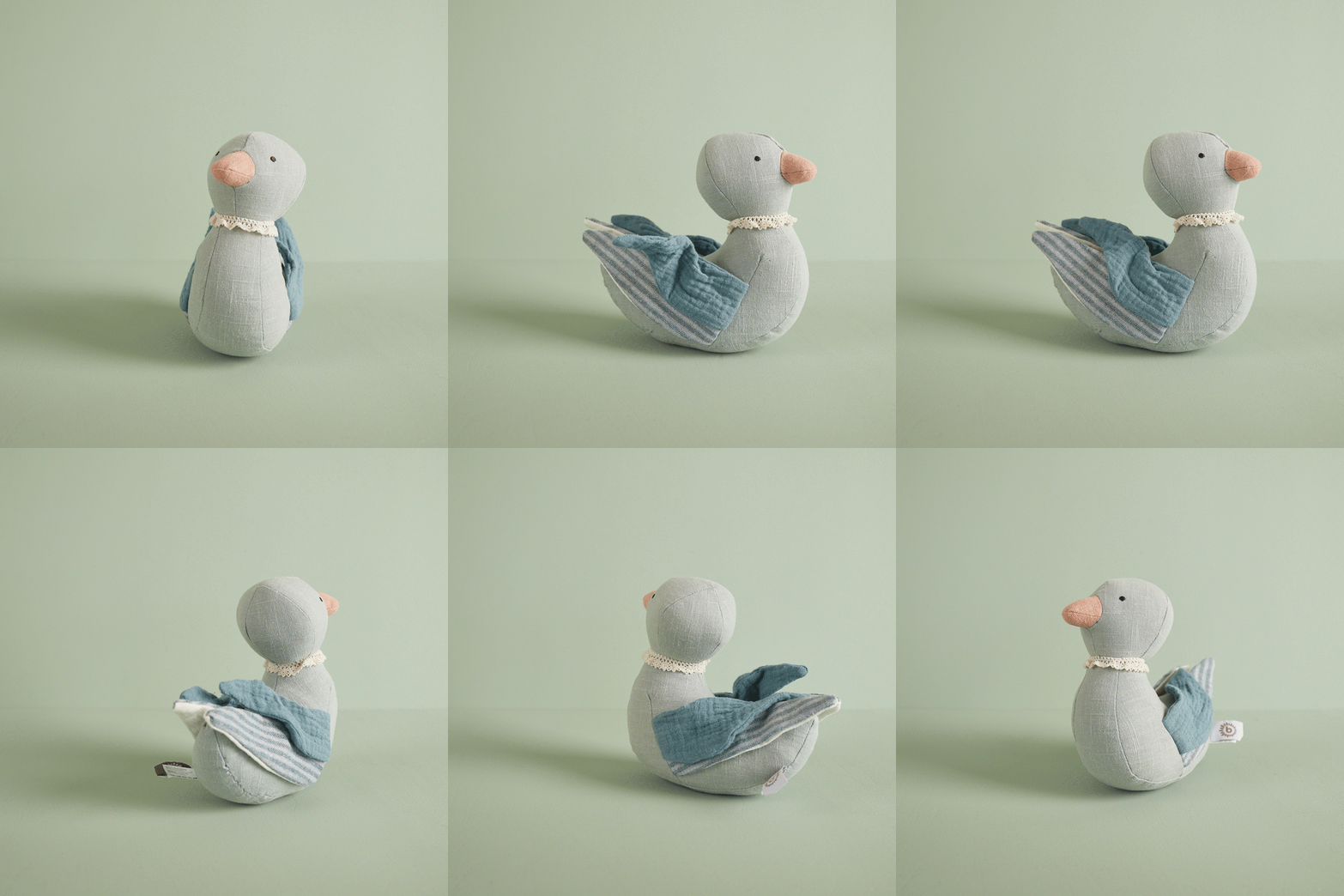
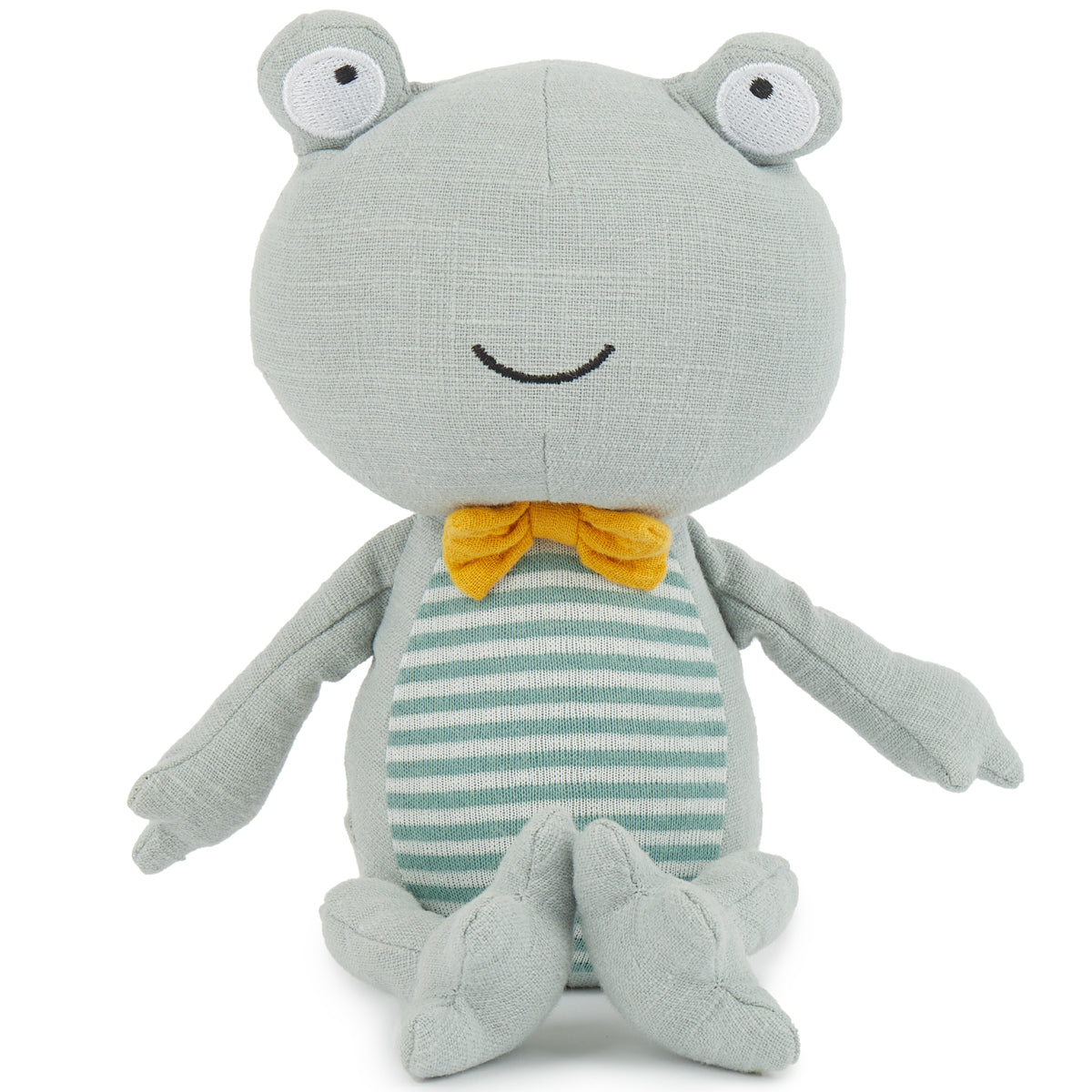
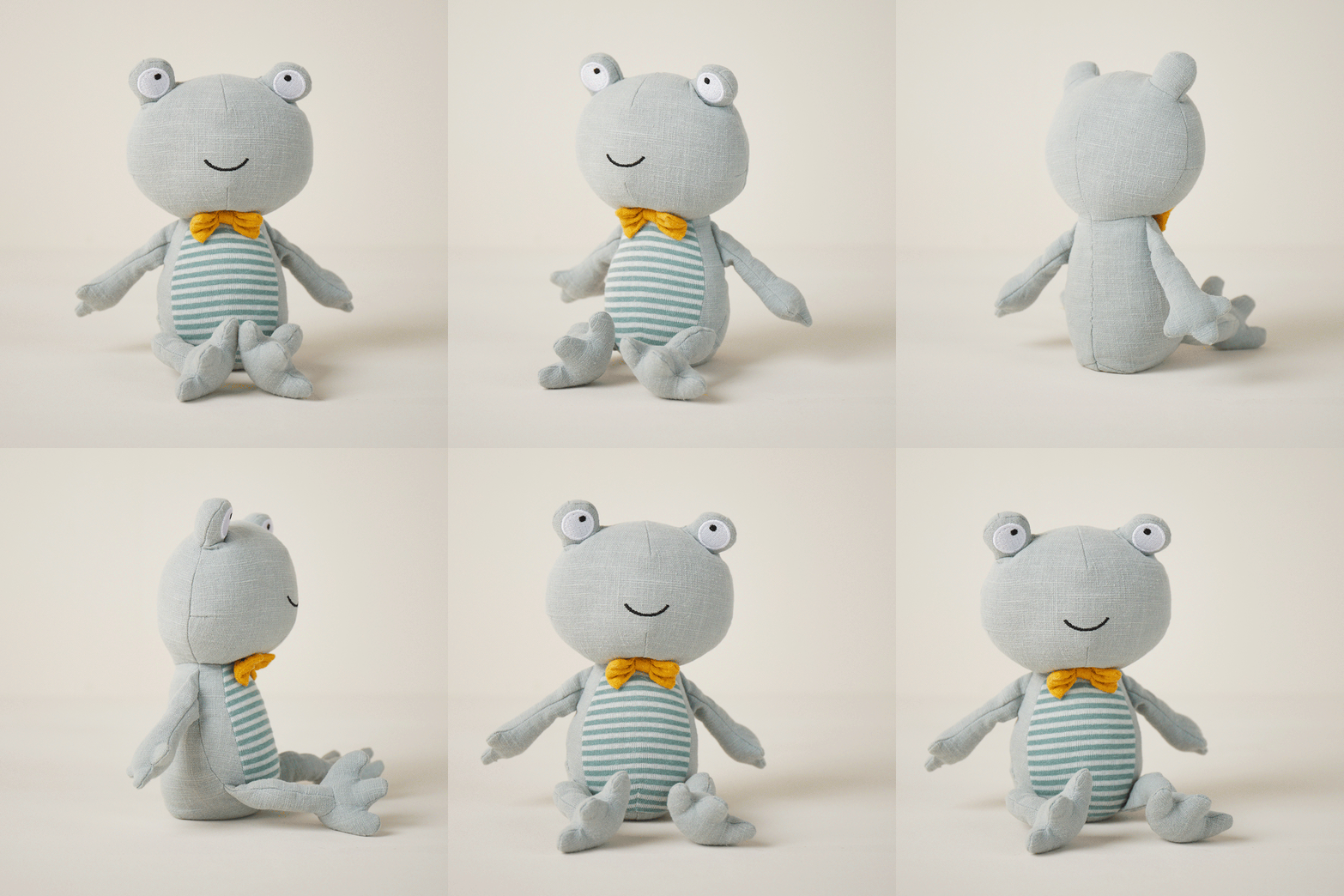
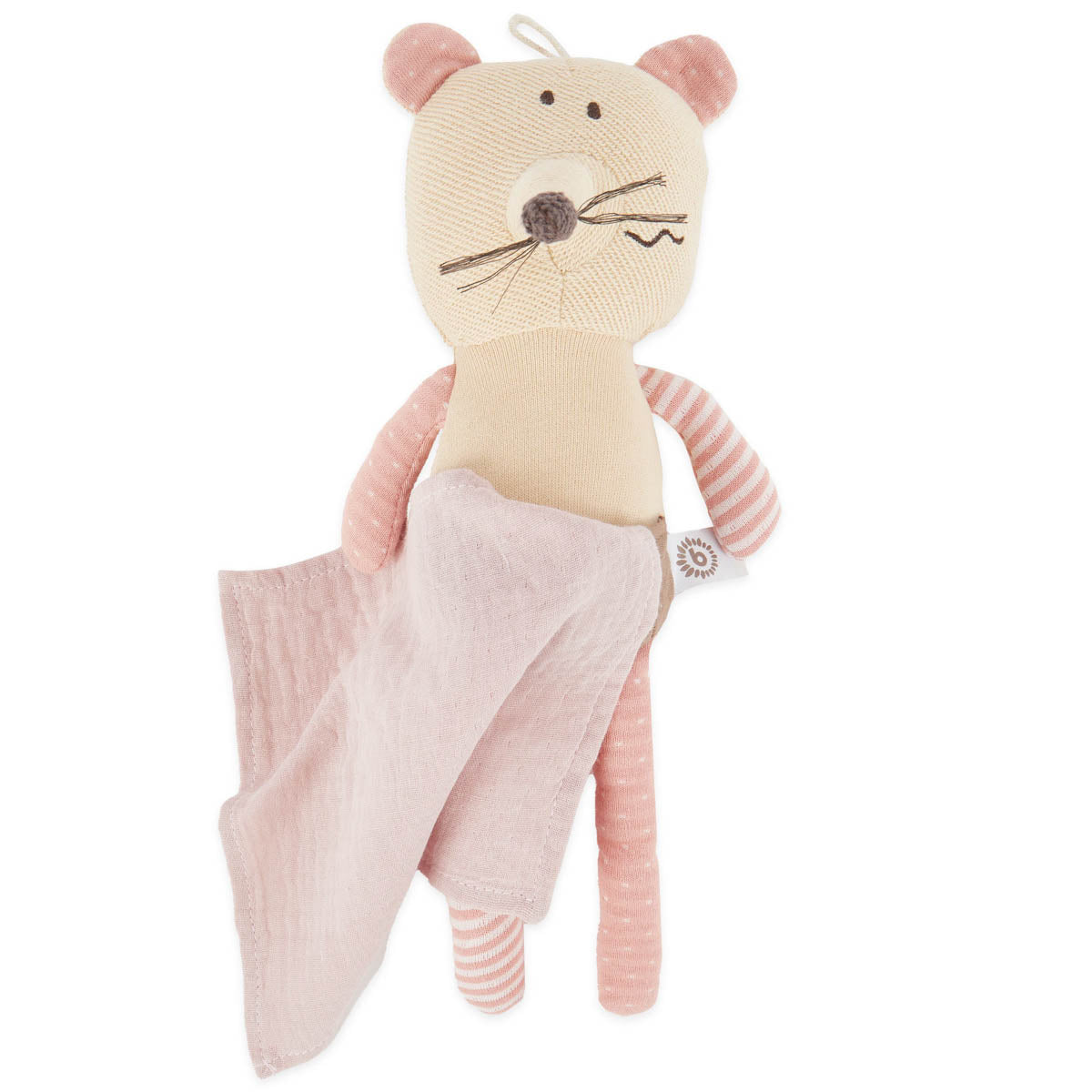
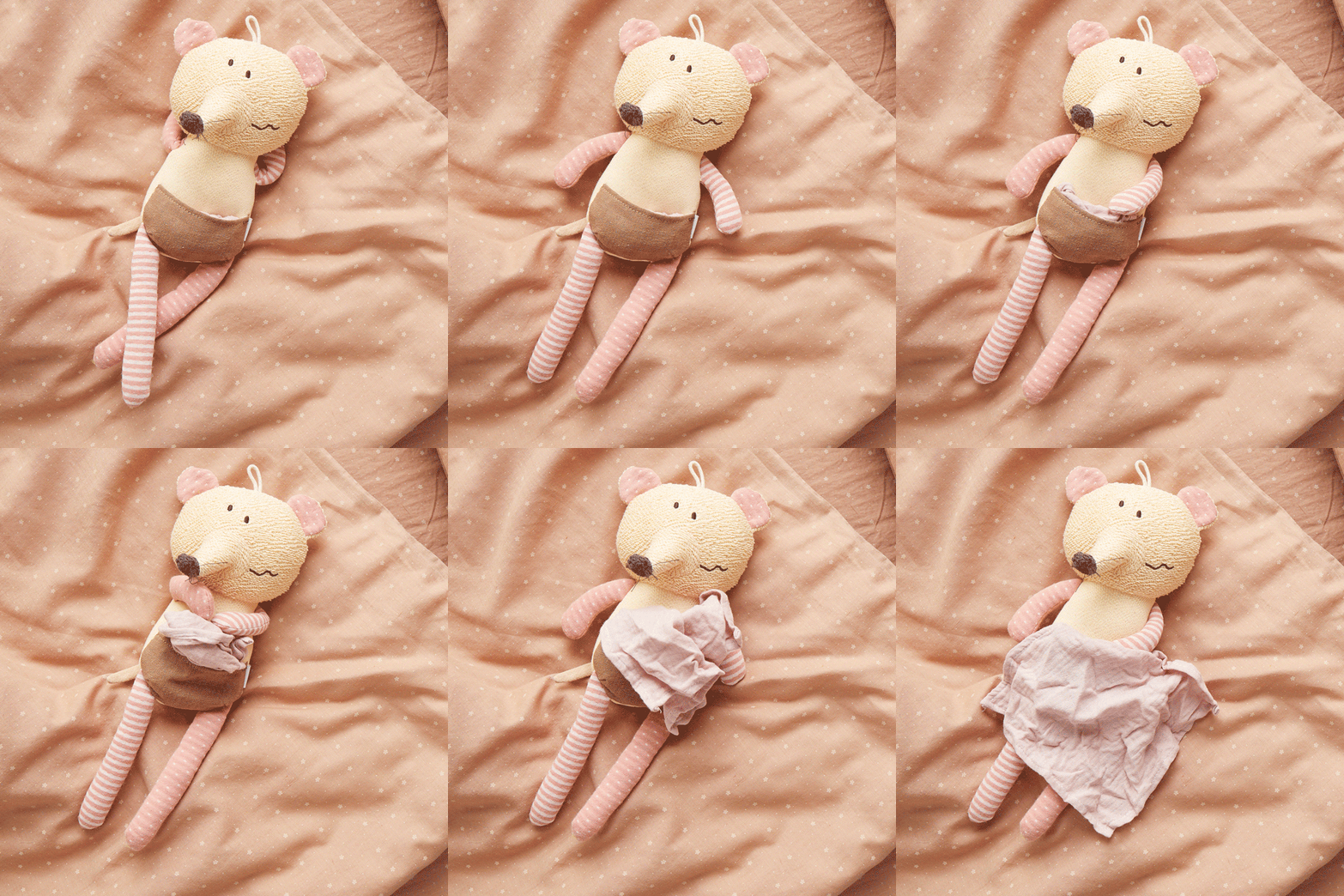
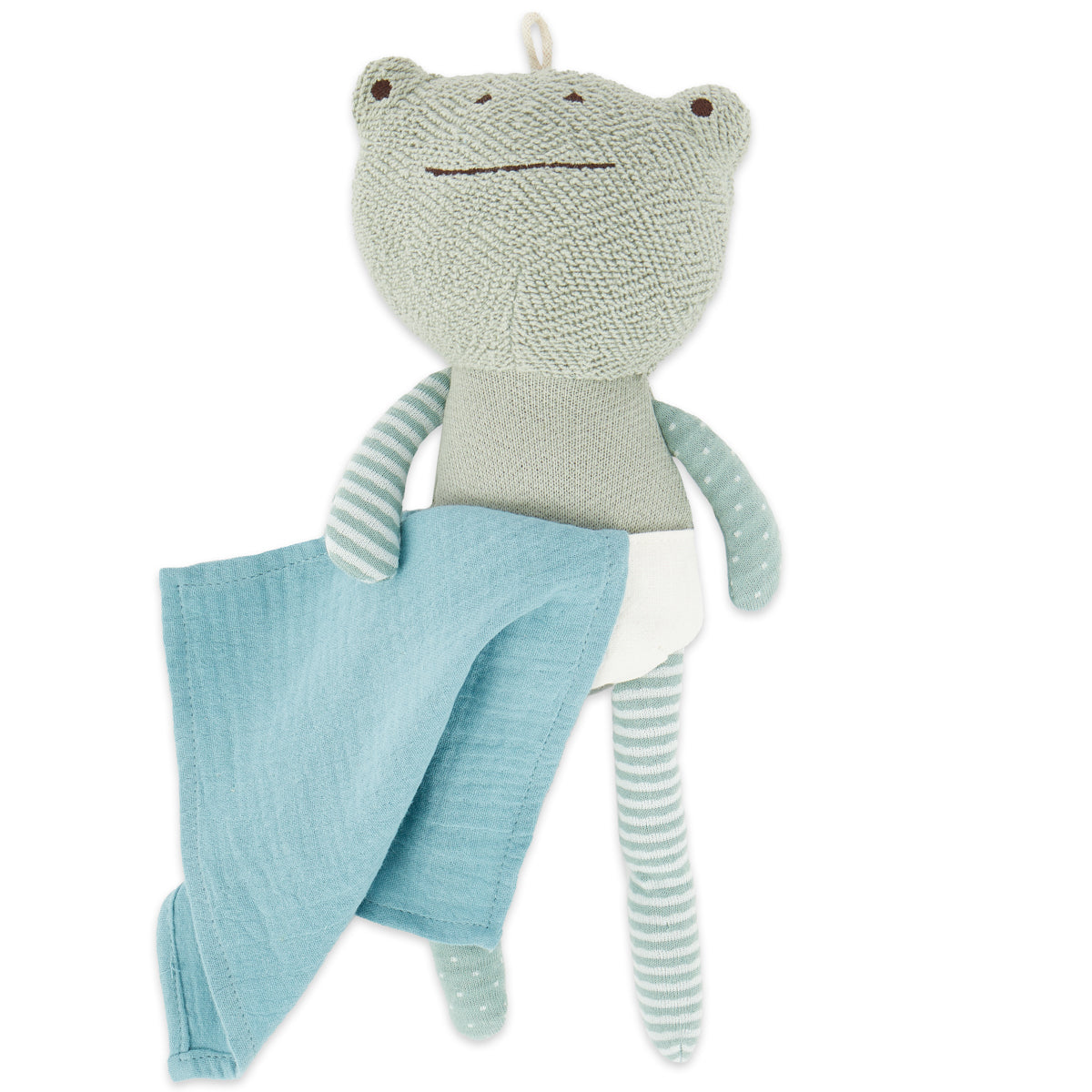
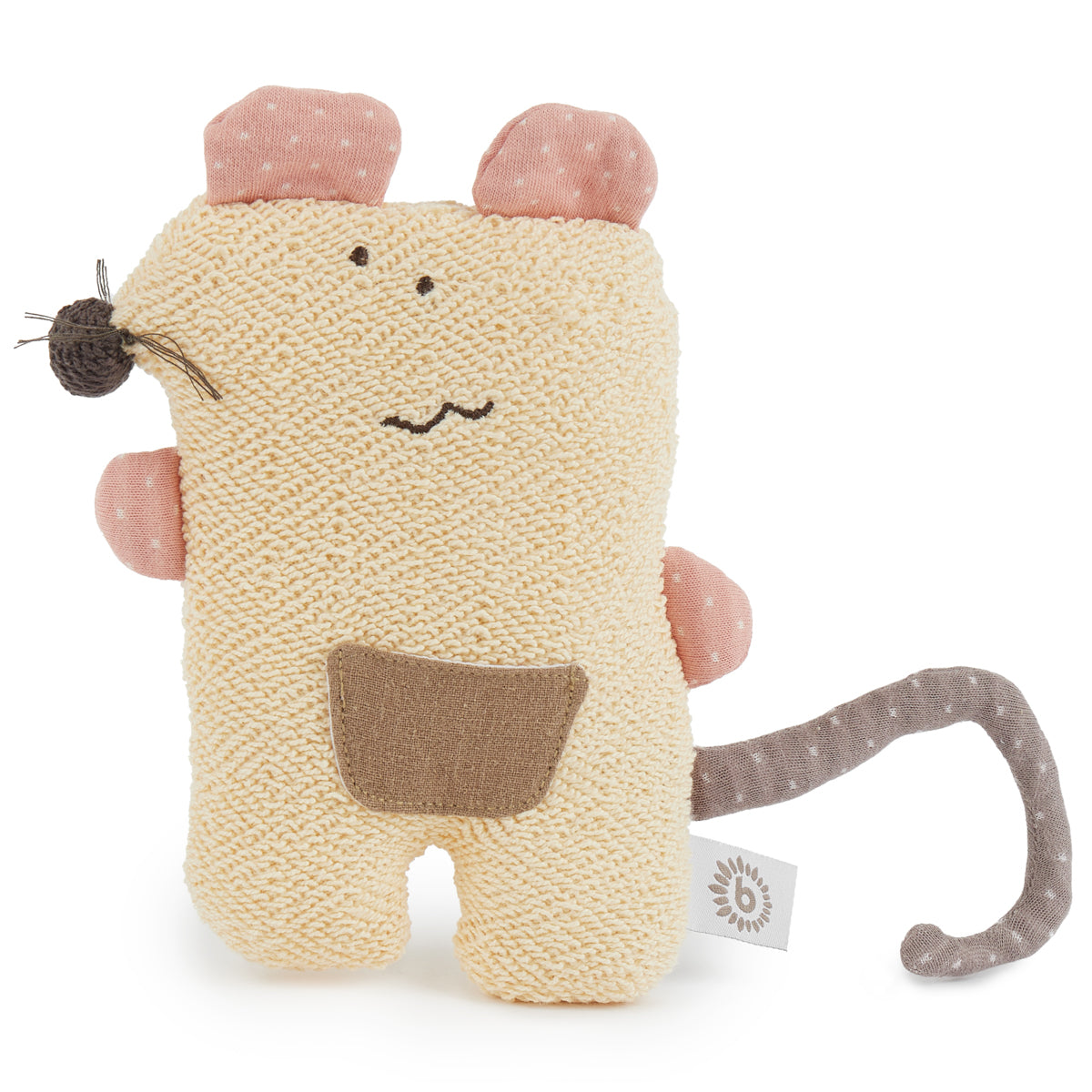
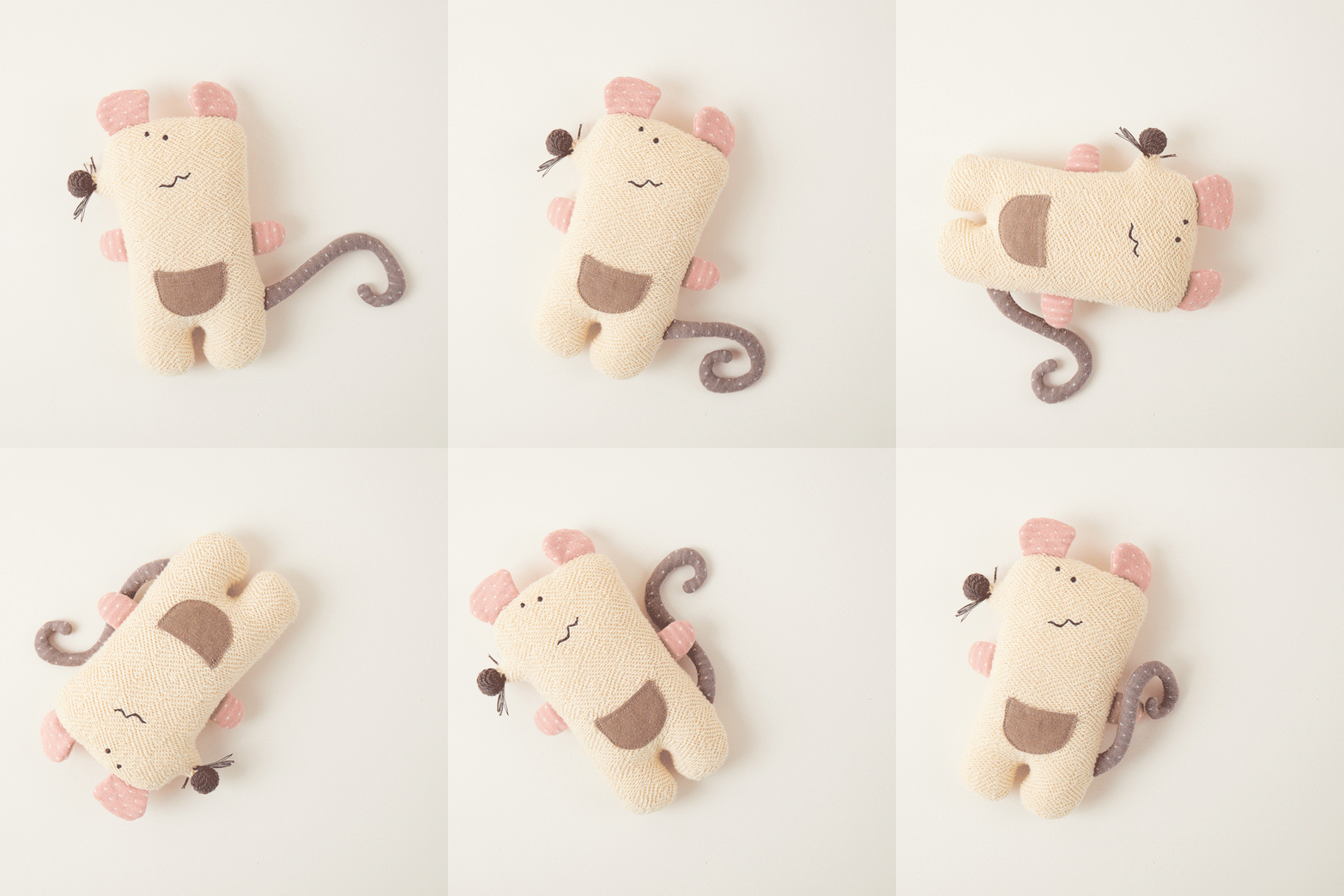
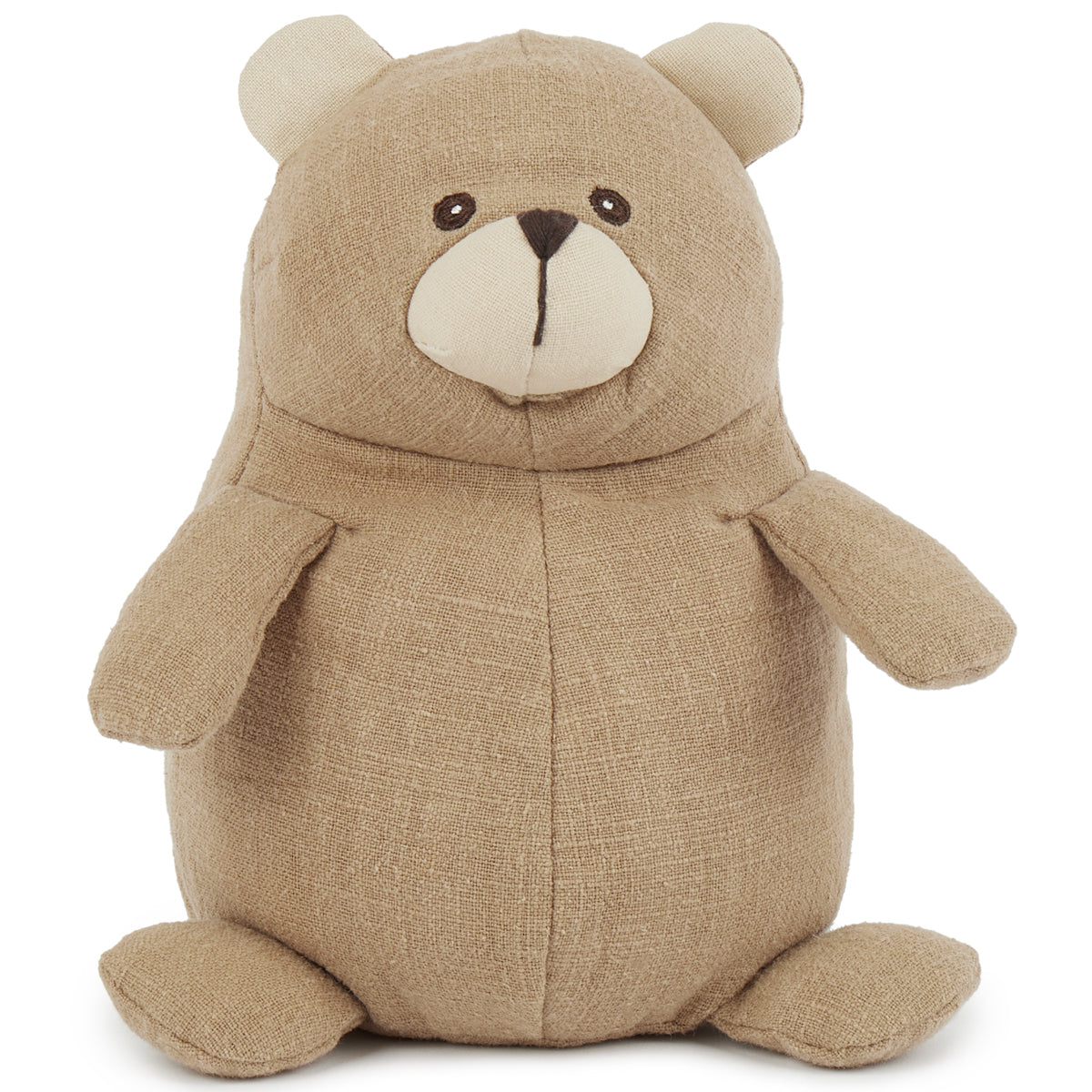
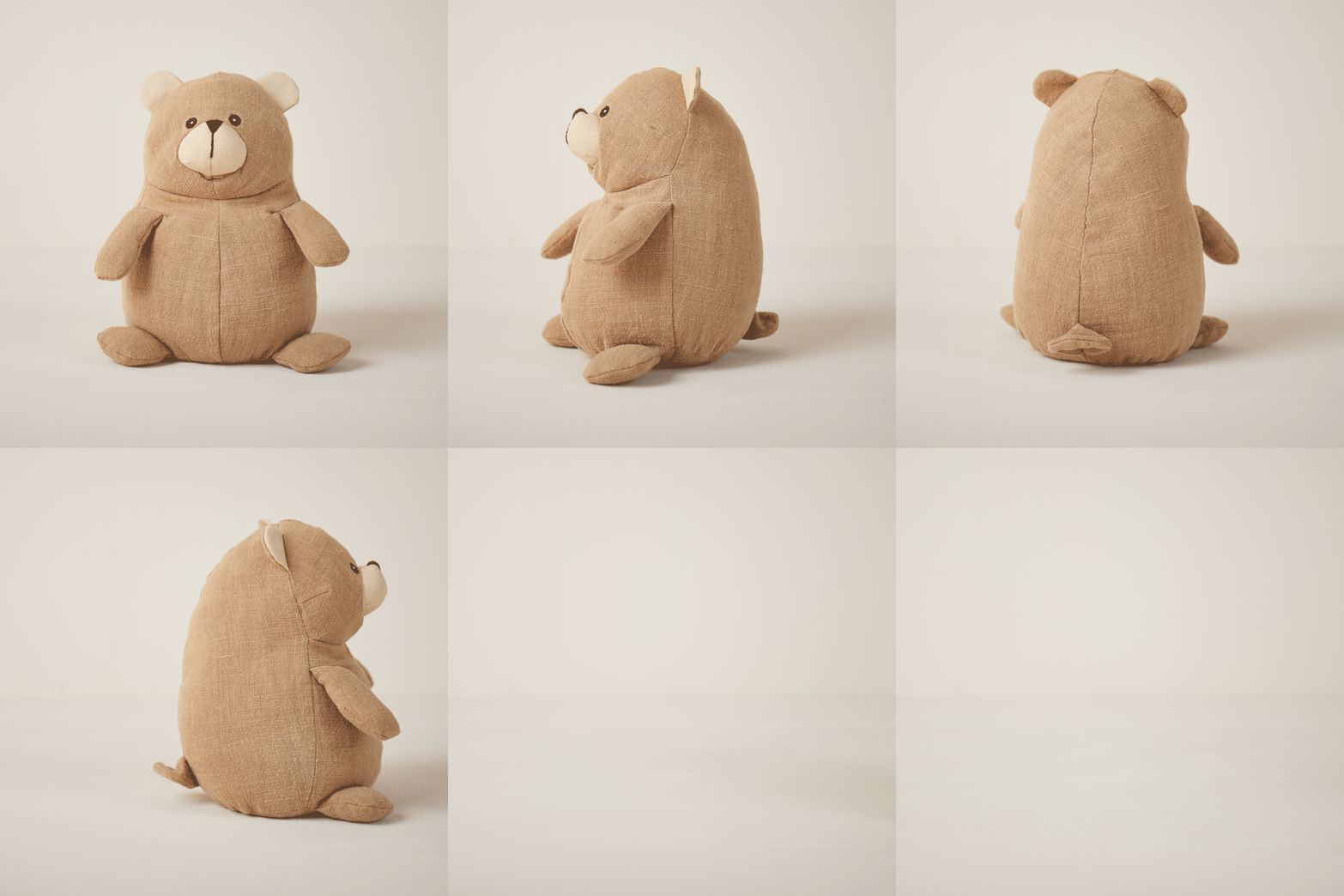
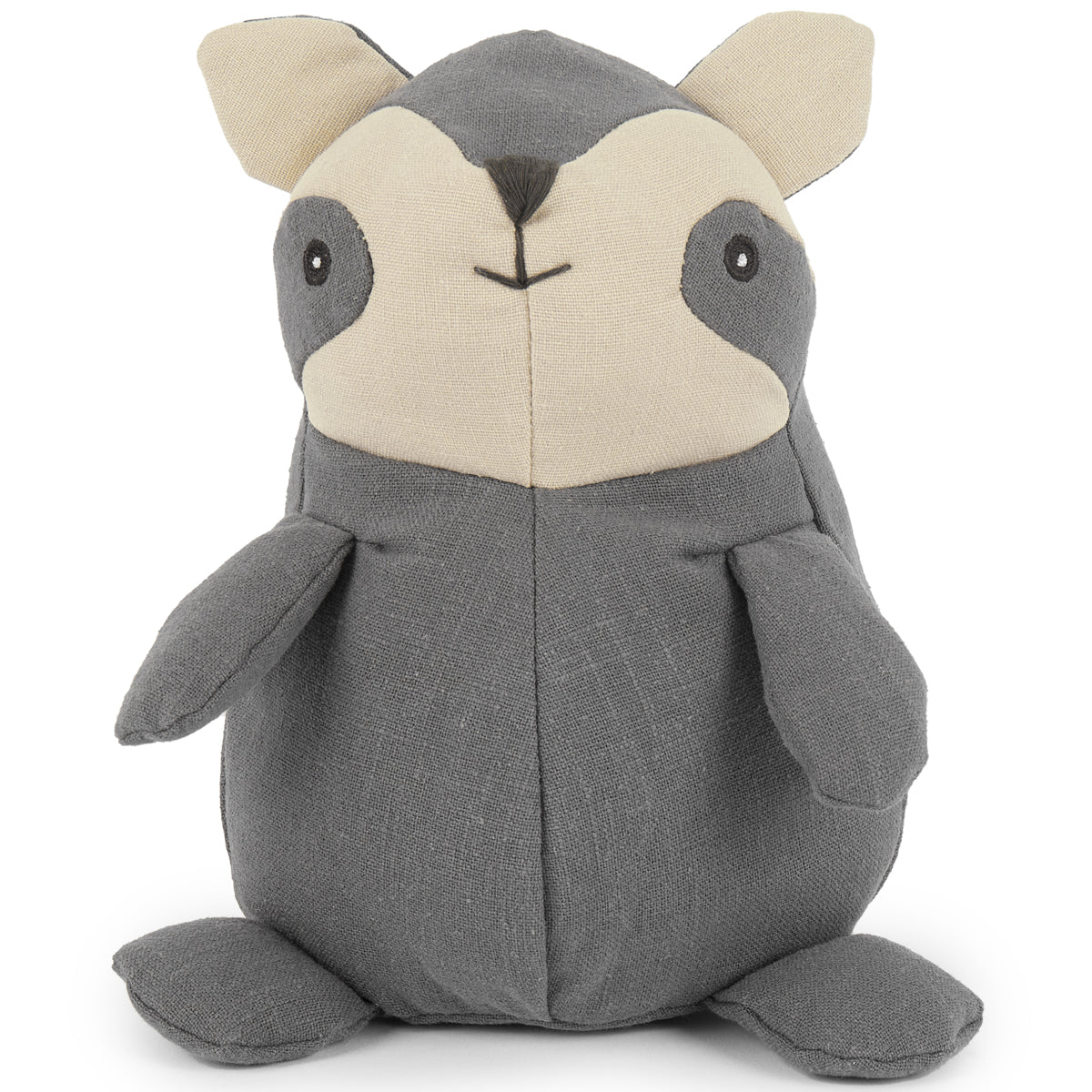
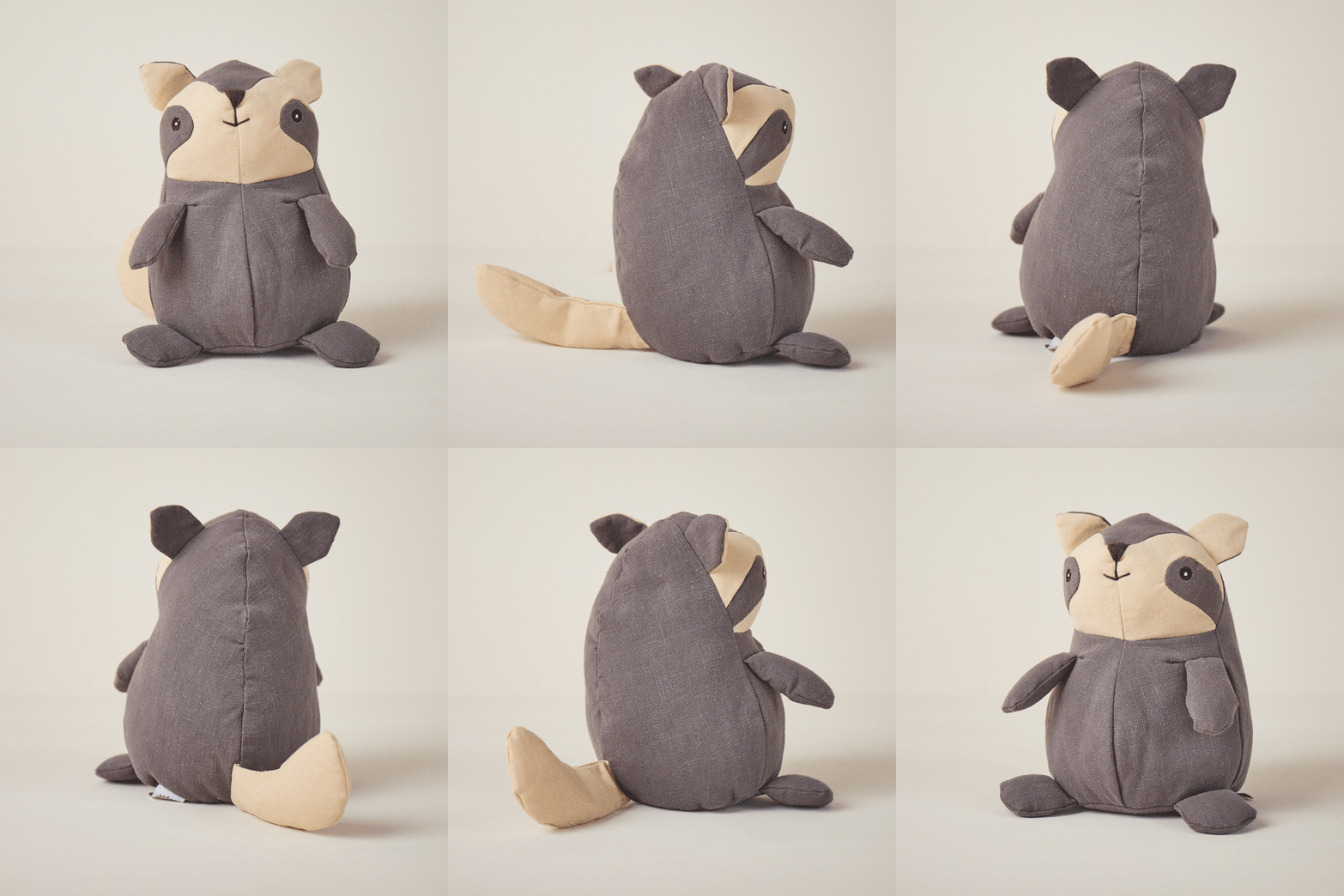
Soft cuddly toys now become important emotional companions. Babies form their first attachments to their favorite cuddly toys and seek comfort and security from them. Our plush animals made of high-quality linen and organic cotton offer different textures to feel and are filled with polyester and plastic granules – perfect for grasping and squishing.
Crinkle cloths, rattles and grasping toys engage several senses at once: different materials invite touching, while built-in bells or crinkle foil create exciting sounds. These multisensory stimuli are important for cognitive development and keep babies busy for a long time.
Safety is our top priority
All our toys for 9 months and up meet the highest safety standards. We pay attention to:
- No swallowable small parts – all elements are larger than 3.17 cm (EU standard)
- Saliva-resistant materials – colors and varnishes withstand the mouth test
- Tested for harmful substances – regular checks according to DIN EN 71
- Robust construction – withstands rough handling
- Rounded edges – no risk of injury
For rocking animals, we additionally rely on safety belts, tip-over protection and non-slip bases. The age recommendation of 9 months and up means that the toy is both safe and developmentally appropriate for this phase.
How to support development in a targeted way
To optimally support motor and cognitive development, you should combine different types of toys:
- Movement toys: Rocking animals, pull-along animals or first walking aids motivate your baby to get moving
- Fine motor skills training: Stacking games, shape sorter boxes and grasping toys refine hand-eye coordination
- Sensory stimulation: Toys with different textures, sounds and colors stimulate all the senses
- Creative play: Simple building blocks encourage imagination and spatial thinking
Important: let your baby play and develop at their own pace. Some babies crawl at 7 months, others only at 11 months – both are completely normal. You'll find more tips in our Guide: 9 to 12 months.
Quality from Hamburg
Bieco has been a family business from Hamburg for 66 years and stands for high-quality baby products in modern Scandi design. Our toys are not only educationally valuable, but also blend harmoniously into your home – without garish, overloaded colors.
Durability is our focus: our toys often outlast several generations of children and can be passed on later.
Making the right choice
When choosing toys for 9 months and up, you should pay attention to the following criteria:
- Developmental stage: Does the toy match your baby's current abilities?
- Safety: DIN EN 71 certification, no small parts, tested for harmful substances
- Material: Natural materials such as wood are durable and harmless
- Versatility: Toys that grow with your child and offer different ways to play
- Easy care: Washable plush animals, wipe-clean wooden surfaces
Our range includes carefully selected baby toys that meet these criteria and delight parents and babies alike.
What comes next? The transition to 12 months
Toward the end of the first year of life, motor skills become even more refined. Many babies take their first independent steps, and fine motor skills develop into the pincer grasp. Then it's time for more challenging toys for 12 months and up: more complex shape-sorting games, first puzzles with large pieces or pull-along toys for the first attempts at walking.
The nice thing: many of our toys for 9 months and up grow with your child and stay exciting after the first birthday. Rocking animals can be used well into toddlerhood, and building blocks are stacked into ever more complex structures.
Frequently asked questions about toys for 9 months and up
From what age are rocking animals safe? Rocking animals with a safety belt and backrest are suitable from 9 months, as soon as the baby can sit securely. Handles, footrests and a stable frame with tip-over protection are important.
How do I support fine motor skills in 9-month-old babies? Stacking cups, shape-sorting games, grasping toys and building blocks specifically train fine motor skills. Finger foods at mealtimes also promote the pincer grasp – the ability to pick up small objects between thumb and forefinger.
Which material is best for baby toys? Wood is particularly recommended: it is robust, sustainable, free from plasticizers and withstands intensive play. Look for FSC certification and saliva-resistant paints according to DIN EN 71.
How many toys does a 9-month-old baby need? Less is more! 5-8 well-chosen toys are completely sufficient. Rotate them regularly to renew your baby's attention. Too much choice quickly overwhelms babies.
Are electronic learning toys worthwhile? Simple, tactile toys often promote development better than electronic learning toys. Babies learn the most through their own experimentation and direct sensory experiences – not through pre-programmed light and sound effects.
How do I clean wooden toys properly? Simply wipe wooden toys with a damp cloth, using mild dish soap if needed. Do not soak them in water or put them in the dishwasher, as the wood can swell. Plush animals are usually machine washable at 30°C.
How can I tell if a toy is safe? Look for the GS mark (Tested Safety), CE marking and the age recommendation. Reputable manufacturers provide complete product information and meet the DIN EN 71 standard for toy safety.
Can babies already play with dolls? Yes, soft fabric dolls are suitable from 9 months and encourage early role play as well as empathy. Look for firmly stitched eyes and hair – no glued-on or detachable small parts.