
Toys for Ages 5+
Sort by
9 products
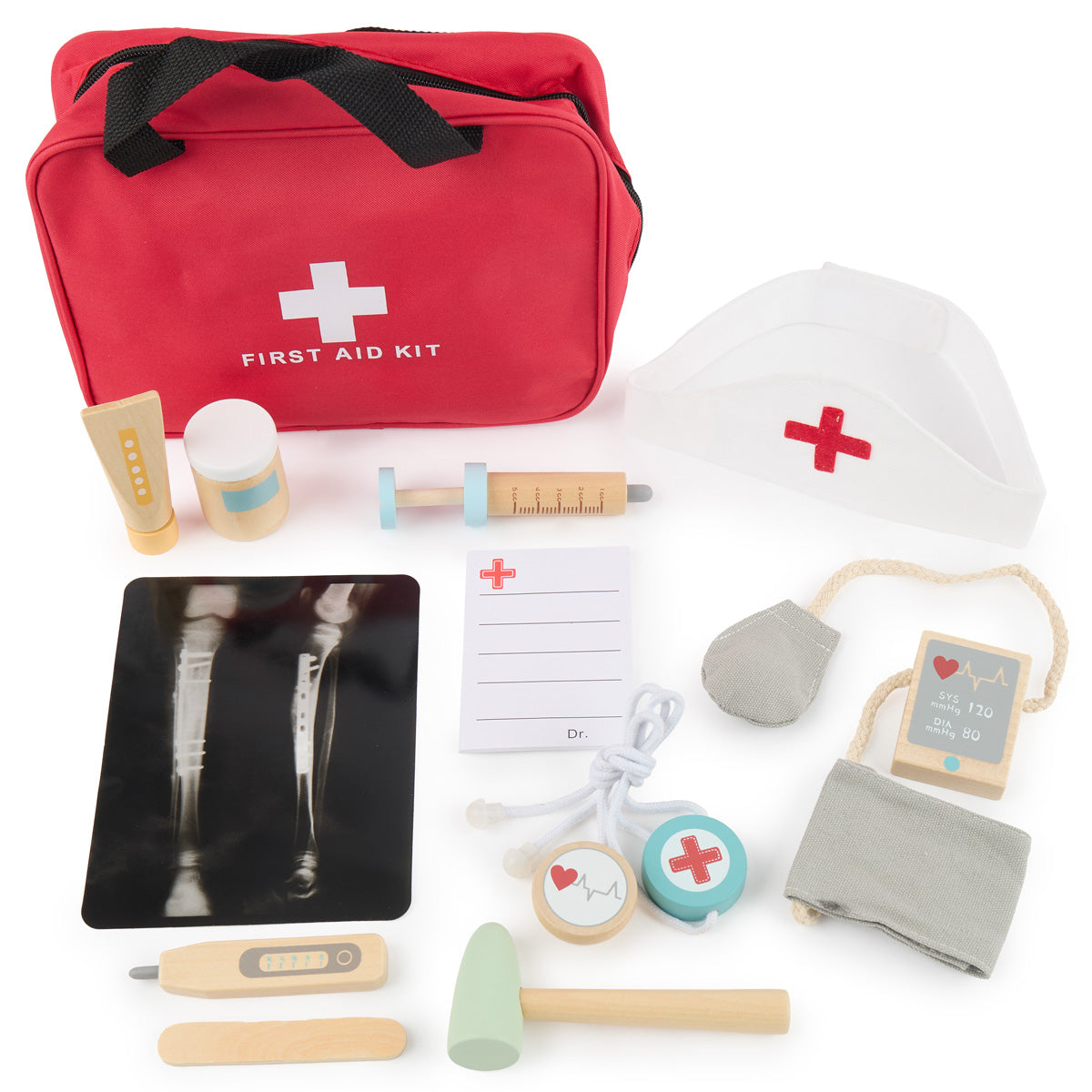
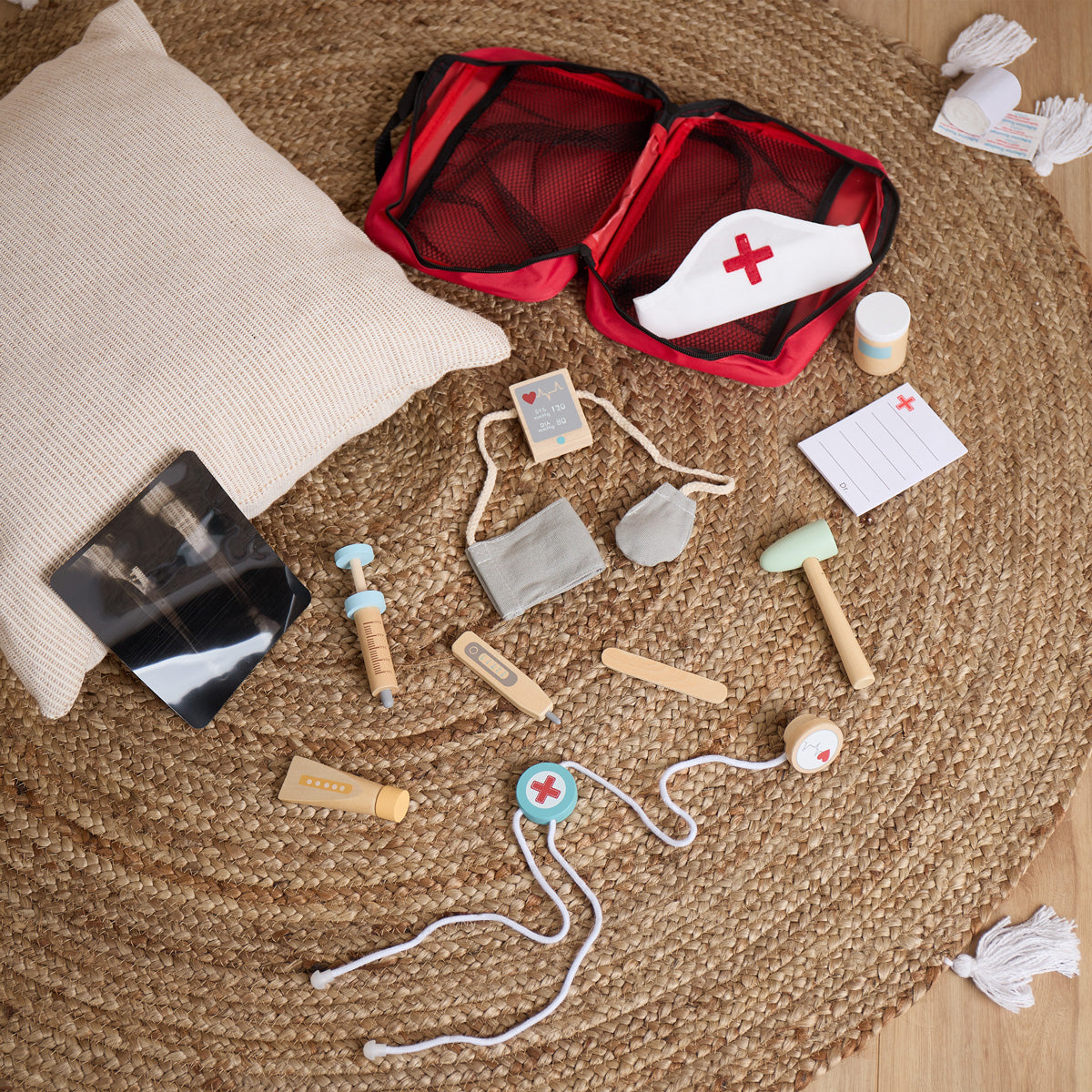
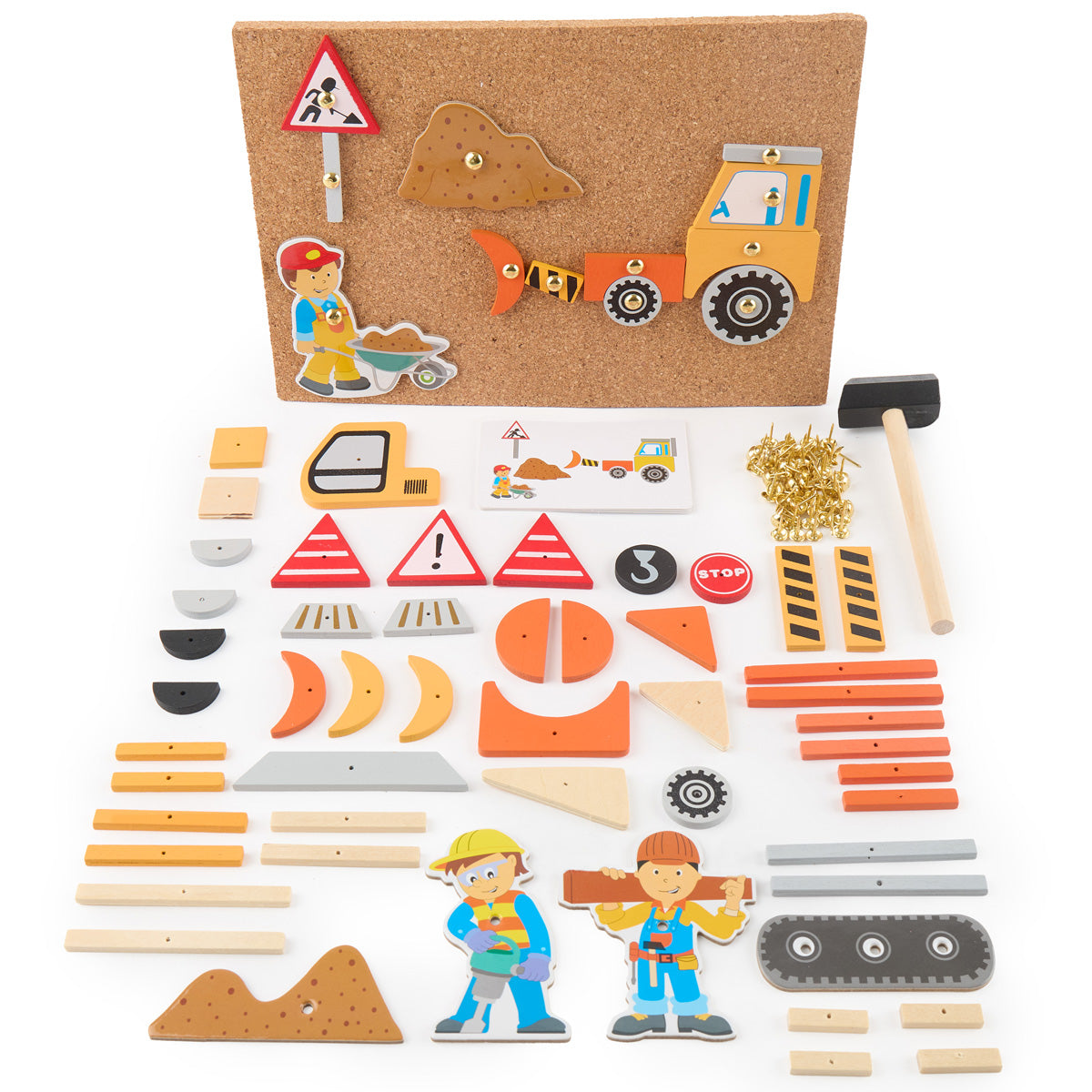
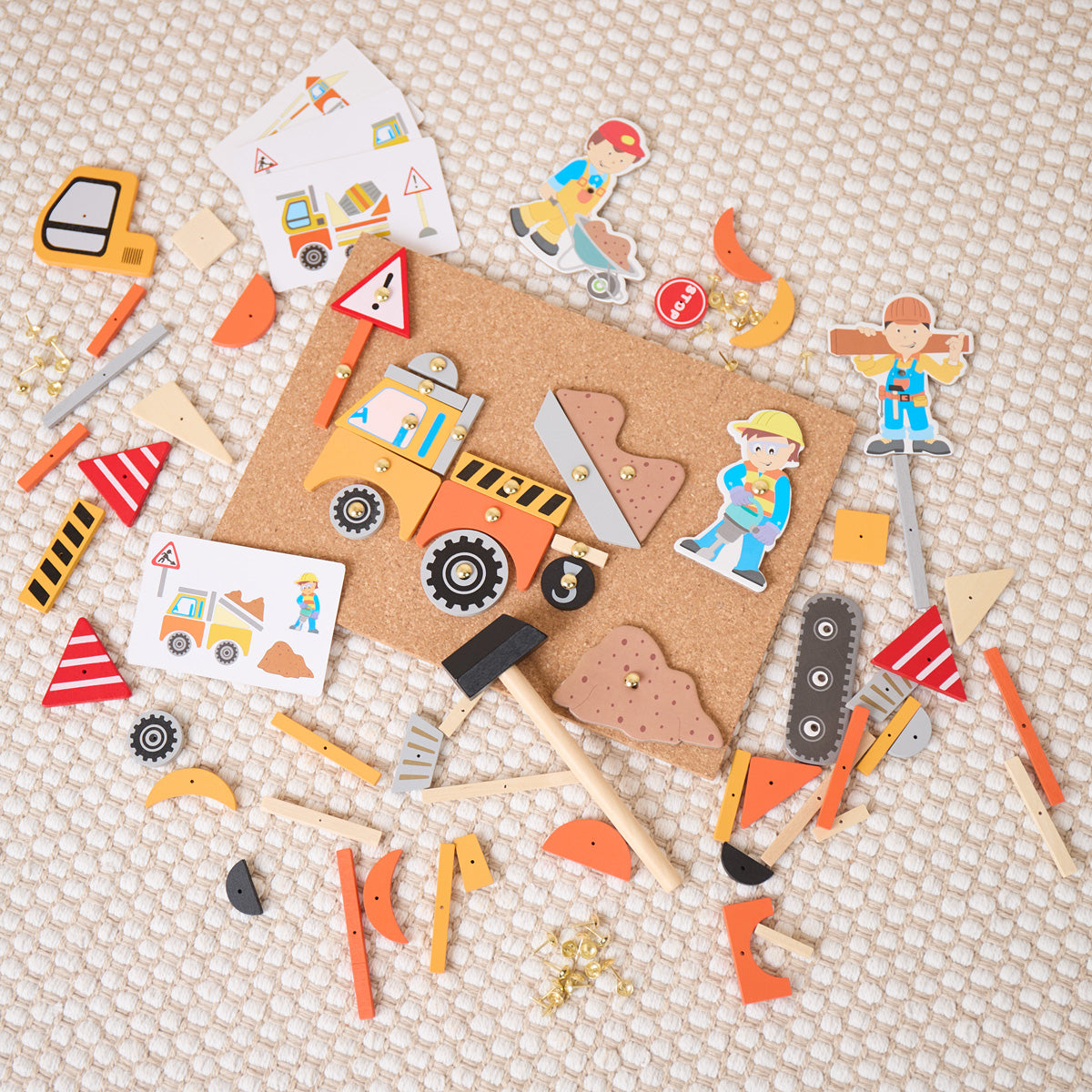
recently viewed
Toys for ages 5 and up are toys that preschool-age children can use on their own – with enough challenge to stay exciting, but without constant frustration. By five, “let me try” often turns into “I can do it myself.” That's exactly where many families find themselves: your child wants to build, puzzle and play out stories – and you'd like something that lasts longer than two minutes (and doesn't immediately vanish under the sofa). That's why this hub page gives you a quick way into the shop, a little cheat sheet for choosing, and a few reliable sources on safety & labelling – with no wagging finger.
Note on this collection: We're currently filling this collection – if you don't see any products here (yet), just take one of the shortcuts below. That's not a bug, it's “we're tidying up the shop to make it look nice.”
Browse directly (no detours):
Mini tip: Use the filters in the shop (age, material, price) and “scrolling” becomes “finding” again.
The most important points at a glance
- Toys for 5-year-olds can be tricky – but doable. A good starting point saves tears and keeps enthusiasm high.
- Construction toys for ages 5+ work best with clear connections. That way the creation still stands when it's proudly shown off.
- For a gift for 5-year-olds: expandable beats “one-time wow.” That keeps it exciting for longer.
- Warnings and age recommendations are not decoration. It's especially worth a look if there are younger siblings.
- Storage is part of the deal when it comes to small parts. Otherwise, in the end only the vacuum cleaner gets to play.
Children's toys for ages 5 and up: which types fit right now?
Children's toys for ages 5+ fit when they support independence and still leave room for imagination. According to the Federal Institute for Public Health (BIÖG) on kindergesundheit-info.de, play remains the most important activity up to preschool age; this includes building, doing puzzles, drawing, role play and movement, among other things (kindergesundheit-info.de: Play).
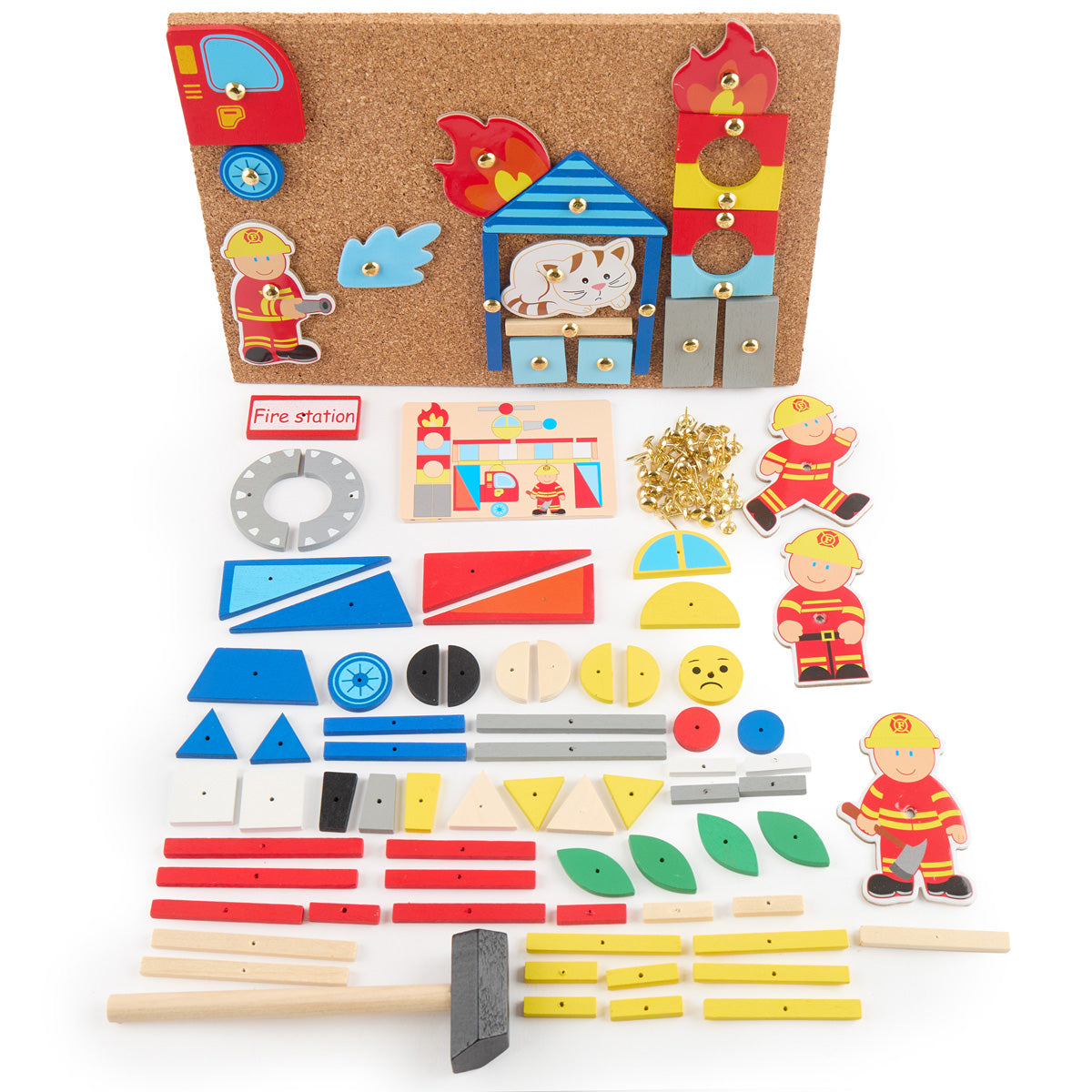
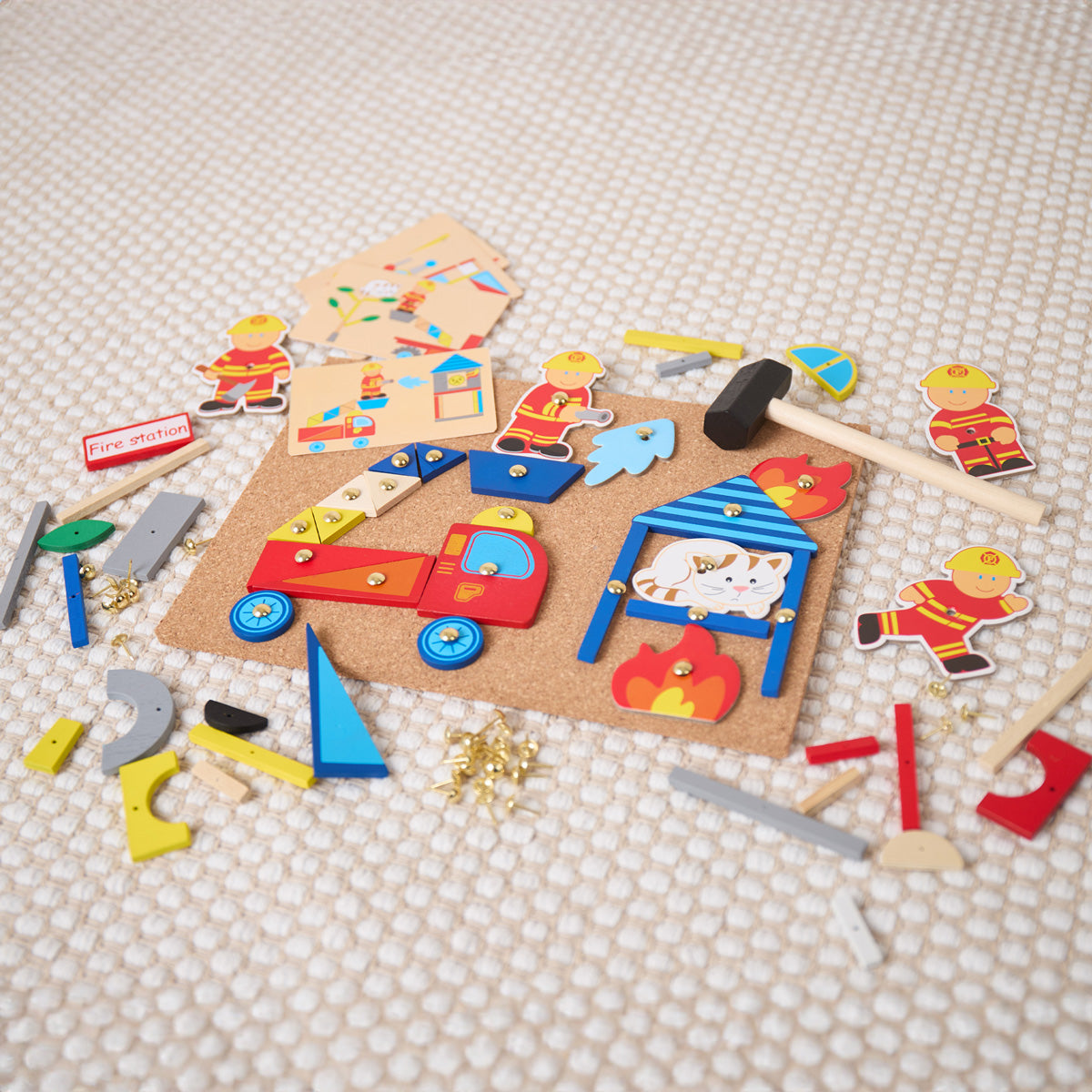
Construction toys for ages 5+ are great if your child likes to plan, experiment and rebuild. Construction toys for 5-year-olds can definitely have a bit of a “tinkering character” – as long as there are quick moments of success along the way.
Building toys for ages 5+ (free building, stacking, combining) are often the relaxed all-rounder. If you're searching for “children's toys 5 years” that work without instructions, this is often the direction to go.
Building sets for ages 5+ are a good fit if your child likes to start from a template and then take a different turn. For many children, a building set is the bridge between “I'm building something” and “I'm building exactly THIS.”
Creative toys are worth their weight in gold if your child loves to create – and you can live with glue residue. Small consolation: most artworks are produced “for Grandma” anyway.
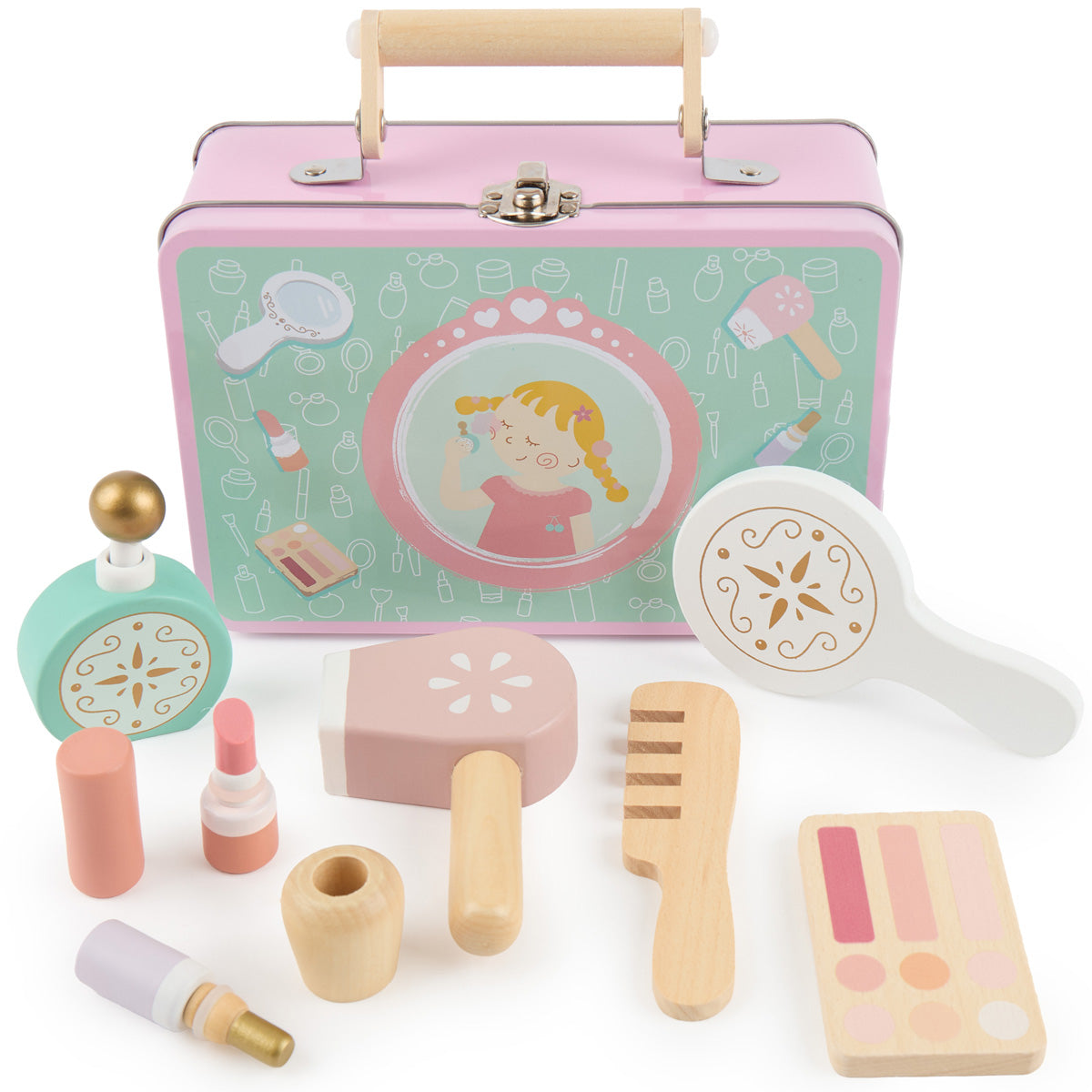
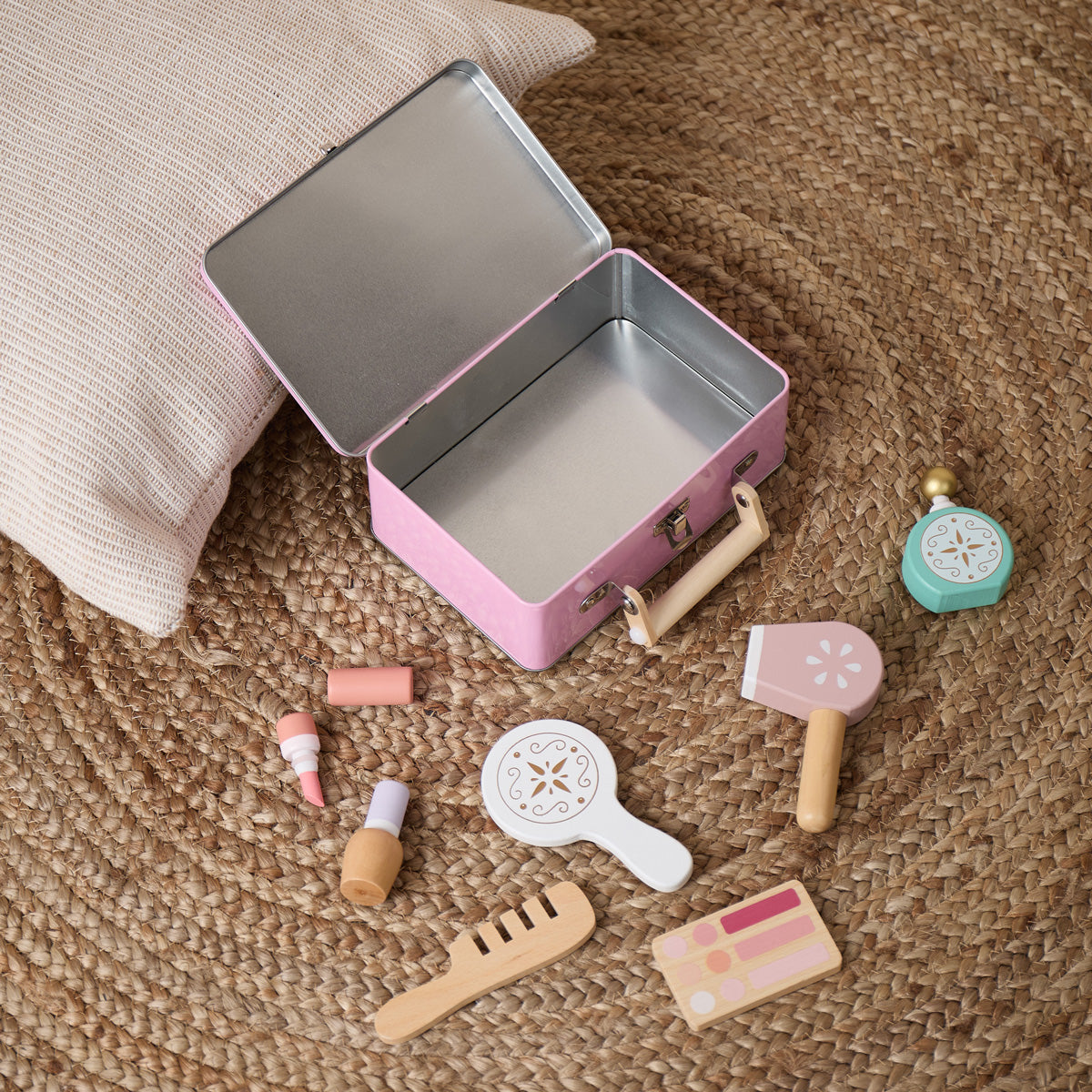
Role play & acting out everyday life (shop, workbench, kitchen) fits if your child loves stories. That works for toys for 5-year-old boys just as well as for “children's toys for 5-year-old girls” – interests are usually more colourful than the packaging.
Short definition + 3-point check: what suits you?
Construction toys for ages 5+ means: building, connecting, rebuilding – and sticking with it. It's ideal if your child likes to tinker and is proud of a “finished work.”
- Check 1: Does your child like instructions – or prefer to build freely?
- Check 2: How frustration-tolerant is your child today (not “in general”)?
- Check 3: Do you have a fixed place for small parts?
Montessori toys for ages 5+ are often understood as: simple, close to everyday life, usable independently. If that suits you, look for clear functions, little “blinking” and good tactile feel – then play stays calm and focused.
Fabric, wood or plastic – what holds up in real family life?
The best material is the one that stands up to your everyday life. Wood is often pleasantly grippy and “honest” in how it feels to play with, fabric is quiet and cosy, and plastic can be practical when a quick wipe-down is called for.
Mini check: choosing a material in 30 seconds
- Wood: good if you value tactile feel and sturdiness.
- Fabric: good for quiet play and cuddle moments.
- Plastic: good when easy cleaning and light weight are the priority.
Comparison table: building set, building toy or construction set?
You can tell the “right” choice by whether it gets taken out again tomorrow. Here's the quick overview – no technical jargon.
Shopping safely: CE, GS & Co. (no panic, just clarity)
What counts for you: check the labelling, read the warnings, quickly inspect the workmanship. The Verbraucherzentrale (consumer advice centre) points out that CE is not a test mark – and recommends checking toys with all your senses after purchase (smell, workmanship, loose parts) (Verbraucherzentrale: What to look out for when buying toys).
GS is an extra indicator – but not possible for every product. According to Stiftung Warentest, the GS mark stands for “Geprüfte Sicherheit” (tested safety) and is awarded by independent testing bodies; in addition, the mark of the testing institute should appear next to the GS mark (Stiftung Warentest: Test marks on toys).
Important, to keep it accurate: According to BAuA, a CE-marked, ready-to-use product cannot additionally receive a GS mark if the CE requirements are at least equivalent (BAuA: FAQ on the GS mark). What that means for you: GS is nice, but not a must – and its absence is not automatically “bad.”
EU toy safety rules: status of the information (so it doesn't become outdated)
The EU has adopted a new toy safety regulation – but timelines may still change. According to the European Commission, the Toy Safety Regulation entered into force on January 1, 2026 and is set to apply after a transition period from August 1, 2030 (European Commission: Toy safety).
What you can take away from this: Especially online, it pays to keep a watchful eye on labelling, warnings and reputable retailers. And if something seems off (smell, loose parts, sharp edges): better to send it back than to think “it'll be fine.”
Mini algorithm: which toy fits when? (cheat sheet for tired days)
If you're unsure, decide based on energy level, space and frustration tolerance. That saves you from wrong purchases – and arguments at the kitchen table.
- If your child is “quickly annoyed” today, then go for building toys for ages 5+ without much instruction.
- If your child likes to build “exactly like this,” then a building set for ages 5+ with templates is a good fit.
- If your child tinkers for hours, then construction toys for ages 5+ are your friend.
- If younger siblings are around, then pay extra attention to small parts and warnings.
What will you find at BIECO around toys for ages 5+?
BIECO is a family business from Hamburg – and we always think about toys starting from everyday life. For 66 years we have been making toys that children love to handle, and that parents don't want to sort out after two days. Our style is more Scandi: clean shapes, calm colours, not too much clutter.
If you'd rather search by mood than by age, these shortcuts usually help you faster:
- Wooden toys – for free building and tactile play.
- Wooden puzzles – for when things can get focused.
- Ride-on vehicles – for “get it out of your system” energy.
- Kids' room and decor – when play is allowed to live beautifully, too.
- Gift ideas – if you're looking for a gift for 5-year-olds.
Pros & cons: construction toys for ages 5+ in family life
Construction sets are often “good for a long time” – but need a fixed place. Here's the honest short list, before you're taken by surprise.
- Pro: Often longer play phases, because a project wants to be “finished.”
- Pro: Children practise planning, perseverance and fine motor skills – without it feeling like learning.
- Con: Many pieces = without a box it quickly gets wild (and loud).
- Con: Some children want success right away – then it's better to start with simpler building toys for ages 5+.
Mini glossary: terms that appear on packaging
These abbreviations help you categorise things quickly in the shop or online. No degree required – read it once and you'll know.
FAQ
Which toys are suitable for 5-year-olds?
Suitable toys are those that children can use independently and that still allow for new ideas. At five, building, puzzles, creative activities and role play work particularly well. Pay attention to the age recommendation, warnings, and whether your child prefers to tinker or play freely. Explained in detail in our guide: The best toys for ages 5 and up.
What are creative toys for ages 5 and up?
Creative toys invite children to create – drawing, crafting, combining, reinventing. It's about ideas, not about “pretty” or “right.” Materials that forgive several attempts and don't break right away are practical. You'll find more inspiration here: Creative toys for ages 5+.
Is there special construction toy for 5-year-olds?
Yes – many sets are designed so that children from around five can get started on their own. What matters are parts that are easy to grip and connections that really hold. If your child likes to tinker, sets with an increasing level of difficulty are often just right. Explained in detail in the guide: Construction toys for ages 5+.
How can I recognise safe toys when buying online?
It gets safer when you pay attention to labelling, warnings and clean workmanship. The Verbraucherzentrale recommends a quick check with all your senses after purchase. If it smells strongly, has sharp edges or loose parts: better to send it back. Source: Verbraucherzentrale.
What does the GS mark mean on toys?
The GS mark stands for “Geprüfte Sicherheit” (tested safety) and is awarded by independent testing bodies. According to Stiftung Warentest, the mark of the testing institute should also appear alongside it. That way you can better tell that it isn't a made-up seal. Source: Stiftung Warentest.
What should you give as a gift for 5-year-olds if you hardly know the child?
The safest choices are toys that work right away and can still grow with the child. A building set for ages 5+ or a simple building toy set is often a good pick. Avoid anything too “complicated” as a starting point – otherwise it ends up in the corner faster. To browse: Gift ideas.
Toys for 5-year-old girls – are there really “extra” rules?
No – in the end, what counts is what the child really enjoys doing. “Children's toys for 5-year-old girls” can just as well be building and construction play. Many children like both: building and playing out stories. If in doubt, ask about their current favourite topic – that's more on target than any colour.
Toys for 5-year-old boys: what usually goes down well?
Things where you can “make” something often work well: building, screwing, doing puzzles, moving things. For toys for 5-year-old boys, the same applies: interest beats cliché. Some love vehicles, others prefer crafting or playing shop. A set that allows for several play ideas is usually the most durable.
About this page
This page was created by the BIECO editorial team (Hamburg) and last reviewed on February 10, 2026. We combine everyday experience with sources from authorities and consumer organisations. For safety & labelling, we check with the Verbraucherzentrale, BAuA and the European Commission, among others – and we update sensitive time information (such as EU regulations) when something changes.
In closing: better suitable than perfect
If you're looking for toys for 5-year-olds, think briefly about your everyday life: space, tidying up, energy level – and whether your child is more “project” or “free play.” Good toys make less work, not more. And if this collection looks empty right now: use the shortcuts above – you'll quickly find alternatives there until everything is filled in here.
By Ulli & Flo · Owners & parents More about us ↓

About this page
Ulli & Flo
Owners of bieco · Hamburg · parents ourselves
What's worked for us: rather one good set that comes out again and again than five things that are only "wow" for a moment. And yes, a box for small parts is sometimes the best gift you can give your own feet.