Wooden toys are playthings made of wood that accompany children as they grasp, stack, push and role-play – pleasant to hold and often surprisingly durable. Wooden toys are good when they are safe, suit the child and actually get played with. In this BIECO collection you currently find, according to the assignment, 62 products – from motor skills toys and baby walkers to small outdoor classics. Handy for parents, grandparents and anyone buying a gift: wood usually feels “calmer” in a child’s room than constantly blinking, noisy toys. And don’t worry: you don’t have to curate the perfect toy shelf. A few good picks are enough – the rest is everyday life.
The most important points at a glance
- Under 3 years: choose large, sturdy toys without small parts. The age recommendation is your compass for safety and play.
- In Germany, the CE mark is mandatory in retail. According to kindergesundheit-info.de, you should not buy without CE.
- GS is voluntary, but independently tested and monitored. This is explained by kindergesundheit-info.de and also by the BAuA.
- For painted wood: a robust surface and clean workmanship count. Then “putting it in the mouth” is much less of a drama.
- With 3 types of play, you’re well covered for a long time. Stacking, pulling/pushing and one motor skills toy are often enough.
How to quickly find the right wooden toy (3 steps)
If you want to decide in 2 minutes: age, type of play, safety check. Sounds simple – and it is, and it saves you from the “everything is pretty” moment.
- Filter by age: For wooden toys for babies go for large and easy to grip, for wooden toys from 2 years preferably with a task (inserting, sorting, pulling).
- Choose the type of play: motor skills, building/stacking or role play (e.g. wooden play kitchen or wooden toy garage).
- Safety check: CE present (mandatory), suitable part size, smooth edges; GS is an extra plus.
For quick browsing: Wooden puzzles, Baby walkers and Pull-along and push toys.
Which types of wooden toys suit your everyday life?
The best wooden toy is the one that actually gets taken out of the box at your home. If your child plays in short, frequent bursts, small stacking towers, teethers and simple shape-fitting games are worth their weight in gold. If your child likes to “crack tasks”, sorting and peg puzzles work great. And when role play is in full swing, themed worlds like a wooden play kitchen or a wooden toy garage are often a perfect hit.
A quotable rule of thumb for real life: quick-start play is allowed. Quick-start play means: set it down, get going, no lengthy explanation. Children are wonderfully pragmatic about this – and we adults are allowed to be, too.
And yes, “wooden toys Waldorf” is often searched for, because many people like the simple look. Open-ended play means: one piece can be anything today. Forest today, bakery tomorrow, rocket ramp the day after – it happens in the mind faster than we can say “tidy up”.
Short answer: what really matters for safety?
Wooden toys seem harmless above all when they are age-appropriate and cleanly made. Specifically: the CE mark is mandatory in retail – and the BZgA portal kindergesundheit-info.de says very clearly, almost word for word, “better leave it on the shelf without CE” (Source). And if you want an extra level of control: the GS mark is voluntary, but is tested and monitored by independent bodies – this is also explained by kindergesundheit-info.de (Source) and the BAuA describes the testing and monitoring process in detail (Source).
Mini glossary (without officialese): CE, GS, EN 71
If you know these four terms, you’re already very far along. You usually don’t need more in everyday life.
- CE: This mark is mandatory for toys sold in the EU; according to kindergesundheit-info.de, you should not buy without CE (Source).
- GS: A voluntary mark (“Geprüfte Sicherheit”, i.e. tested safety) with independent testing and ongoing monitoring; the BAuA describes type examination and surveillance for it (Source).
- EN 71-1: This standard describes requirements and test methods for the mechanical/physical properties of toys; DIN Media summarizes it in its introductory article (Source).
- Toy Safety Directive 2009/48/EC: The EU set of rules on toy safety; the European Commission provides guidance documents on its interpretation (Source).
Fabric, lacquer, solid wood: what to look for in wood
With wood, the word “wood” matters less – the workmanship matters more. Smooth edges, a firm fit, no splintery surface: in everyday life, that is the difference between “is loved” and “lies around”. When buying toys, the Verbraucherzentrale (consumer advice center) recommends, among other things, paying attention to good workmanship and taking a closer look at seals/marks (Source).
One point many parents share (and which the BfR puts into scientific context): children often pick up toys in their hands and also put them in their mouths. That is why surfaces and ingredients are especially relevant for little ones. In a press release on fragrances in toys, the BfR points out that, in its view, toys for children under three years should not contain any fragrances at all (Source).
Comparison: which type of wooden toy fits when?
The best choice is the one that fits your days – not Pinterest. Here is a little cheat sheet that has proven itself in family life.
If you want to look more closely at wooden toys for 2-year-olds or wooden toys for 3-year-olds: our guide summarizes it by age group: Wooden toys for every age: recommendations from 1, 2 and 3 years.
Pros & cons: wooden toys in real family life
If you know the little quirks, you’ll have more calm left over. Wood is great – but it is also a real material.
- Pro: Feels warm in the hand and often seems “calm” in play.
- Pro: Many wooden toys are long-lasting and easy to pass on.
- Pro: Open-ended play: children are more likely to come up with their own ideas instead of just pressing buttons.
- Con: Wood gets dents – usually that’s just the patina of real life.
- Con: With very young children, you have to pay closer attention to parts, edges and surfaces.
Wooden toys for outdoors: briefly robust, briefly happy
Wooden toys for outdoors work best when they are simple and sturdy. Outside, what counts is: throwing, rolling, knocking over, setting up again – and then a quick wipe, done. A classic from the collection is, for example, our wooden skittles game (8 pcs.). And if it looks muddy in the end: that was usually a good afternoon.
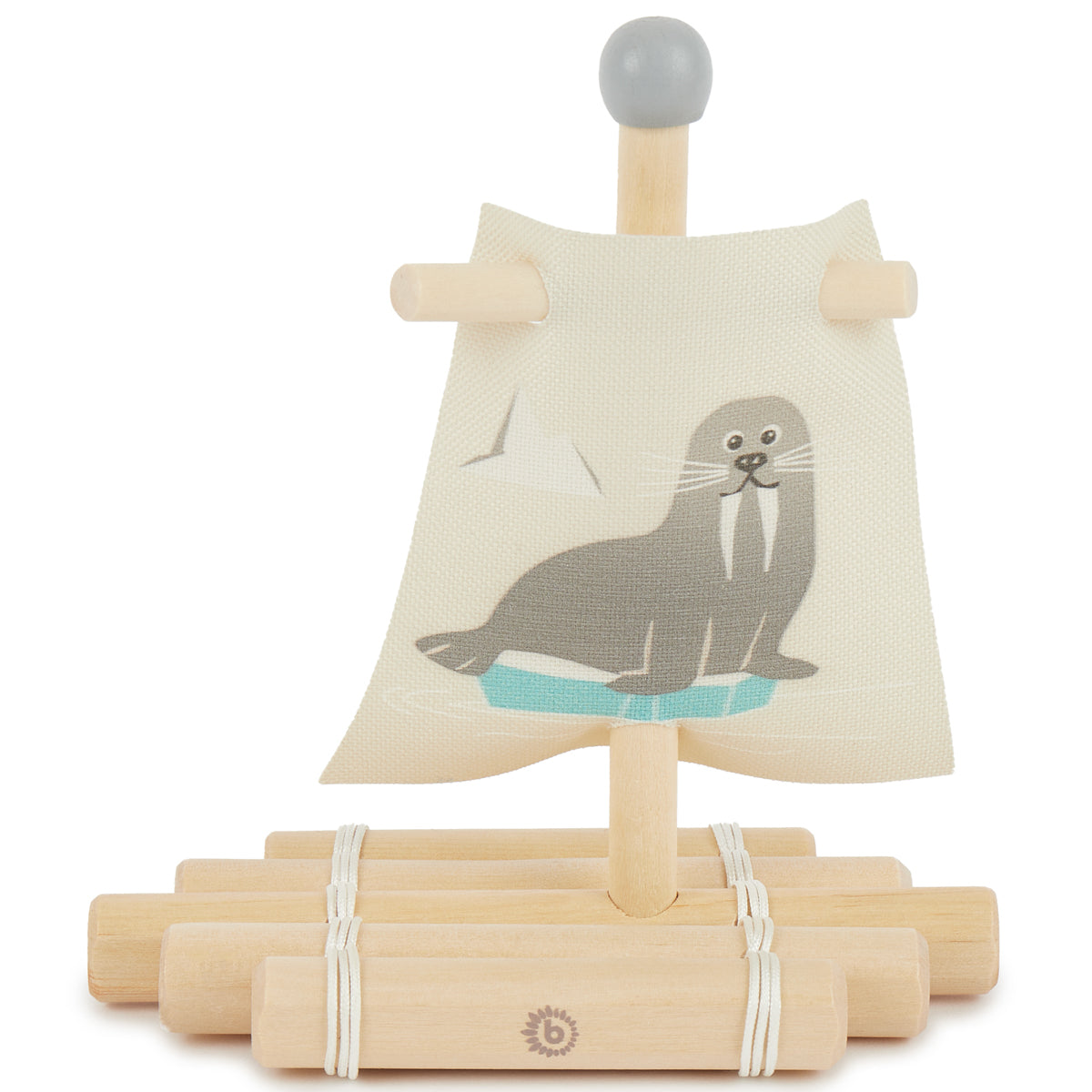
For water fans, we also have wooden boats that are perfect for “Captain, we’re setting sail!” at the beach or in the bathtub: Wooden sailboat and Wooden raft.
Popular wooden toy brands: briefly put into context (so you can get your bearings)
If you are searching by brand: what matters is still what your child enjoys playing with. Many searches revolve around names like fagus wooden toys, nic wooden toys, Little Dutch wooden toys, Eichhorn wooden toys, small foot wooden toys, Grapat wooden toys, Hape wooden toys, Hess wooden toys, Holzspielzeug Beck or Arche Noah wooden toys. We mention them here for orientation because these terms come up frequently – not as a promise that every brand is carried in this collection.
If you prefer to shop without brand-colored glasses (honestly: it often makes things easier): Sort by play idea instead of by logo – that works better in everyday life. Motor skills, stacking/building, pulling/pushing and role play cover most phases.
You can find the topic in more detail (with context and what to look for in manufacturers) in our guide: The best wooden toy brands & manufacturers compared.
What do you find at BIECO in this wooden toys collection?
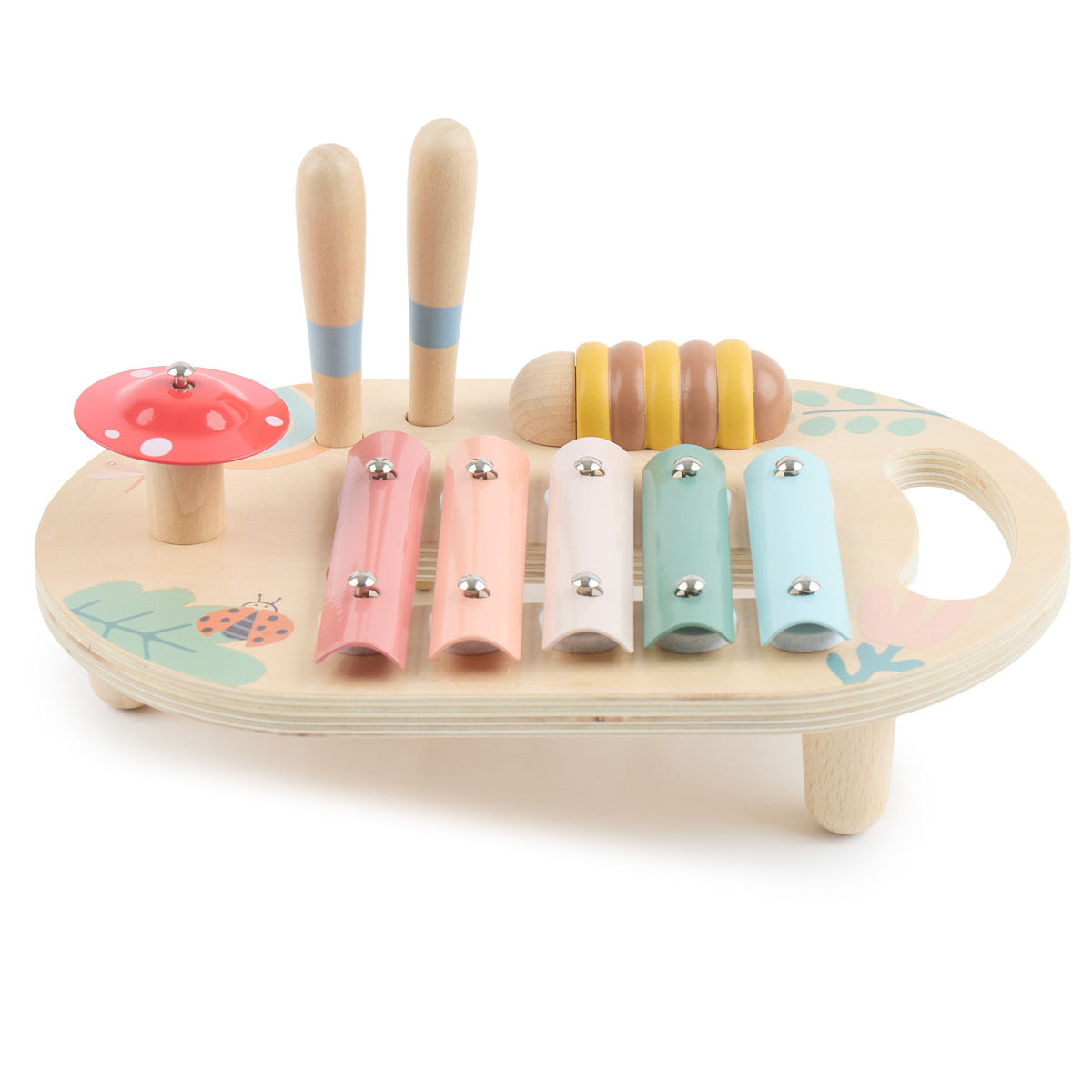
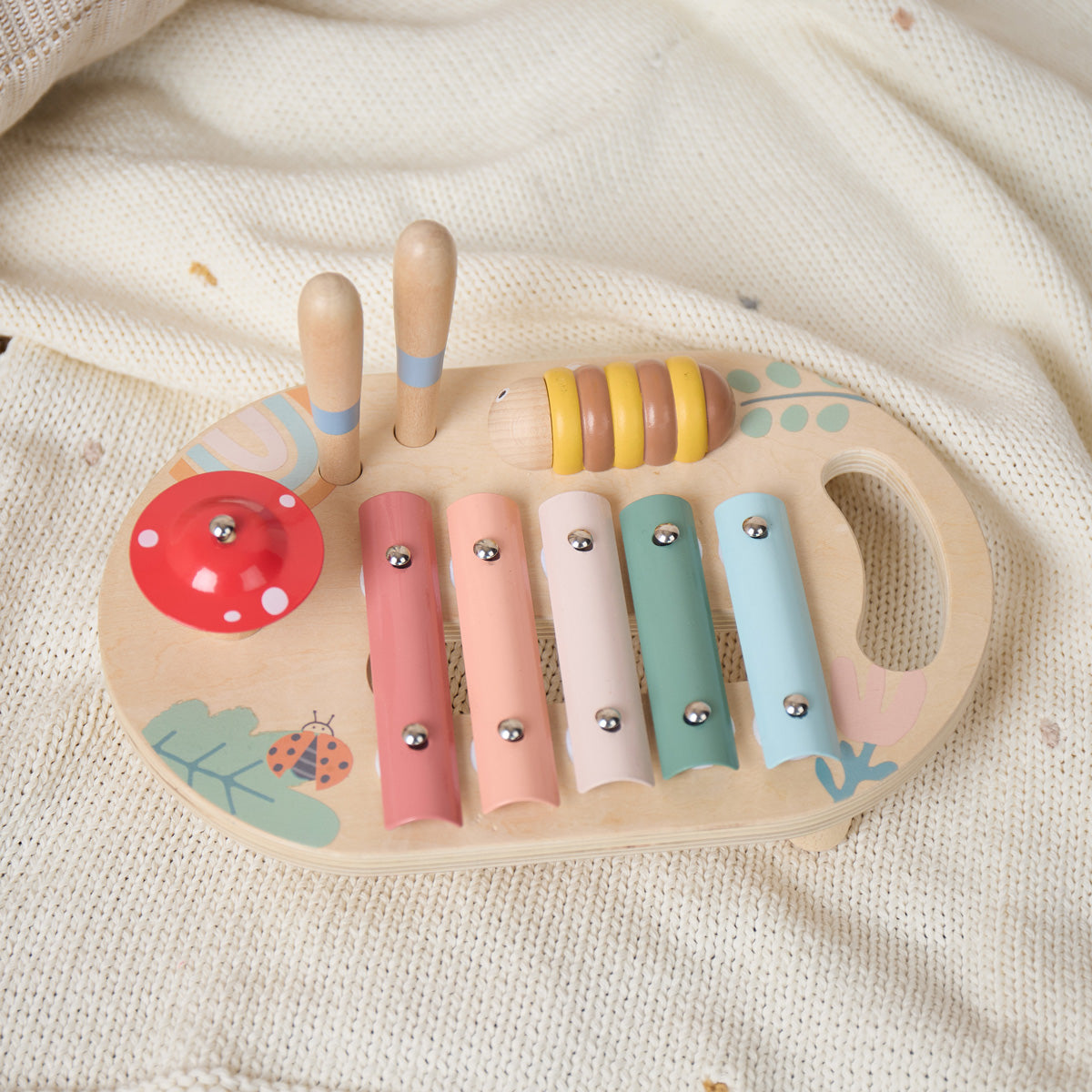
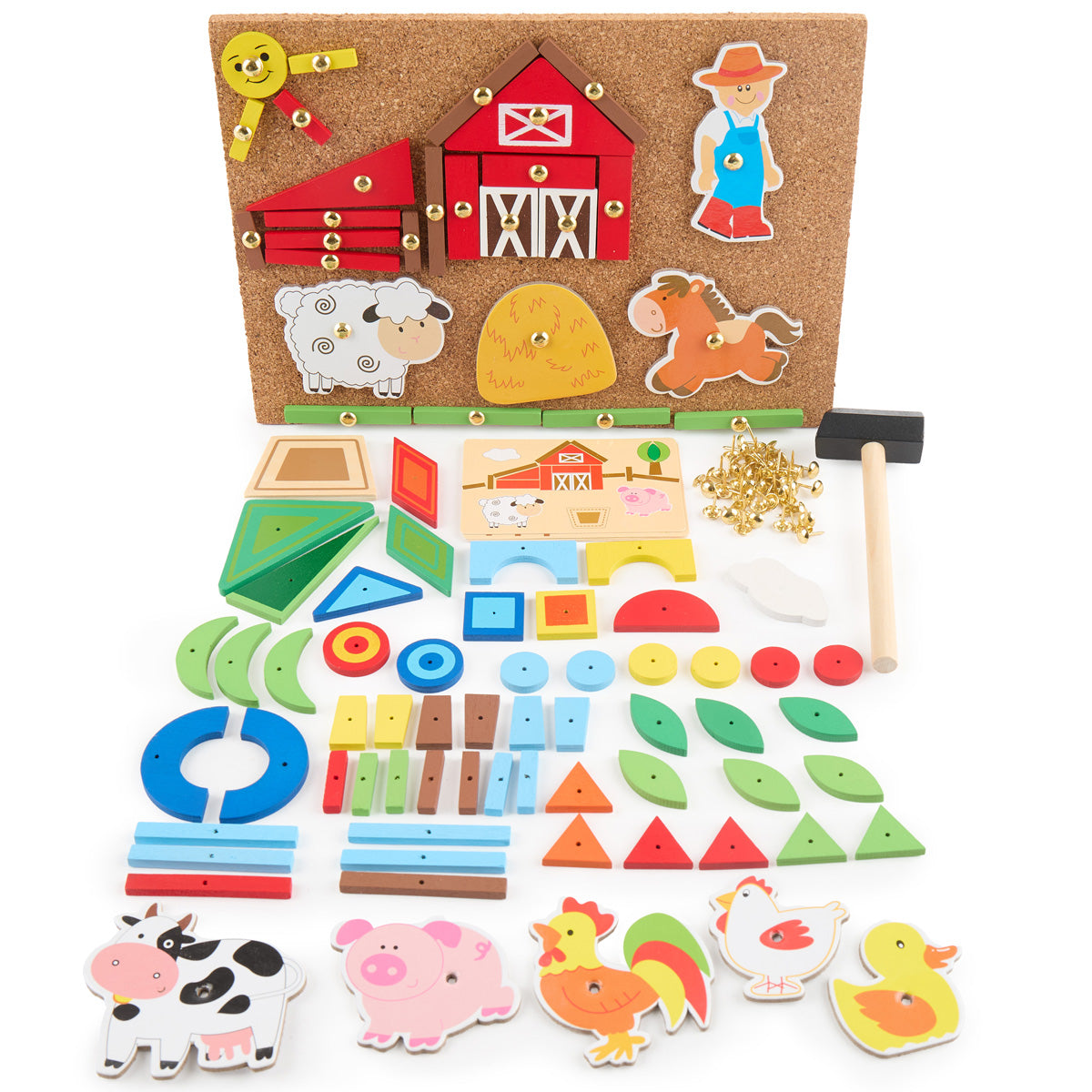
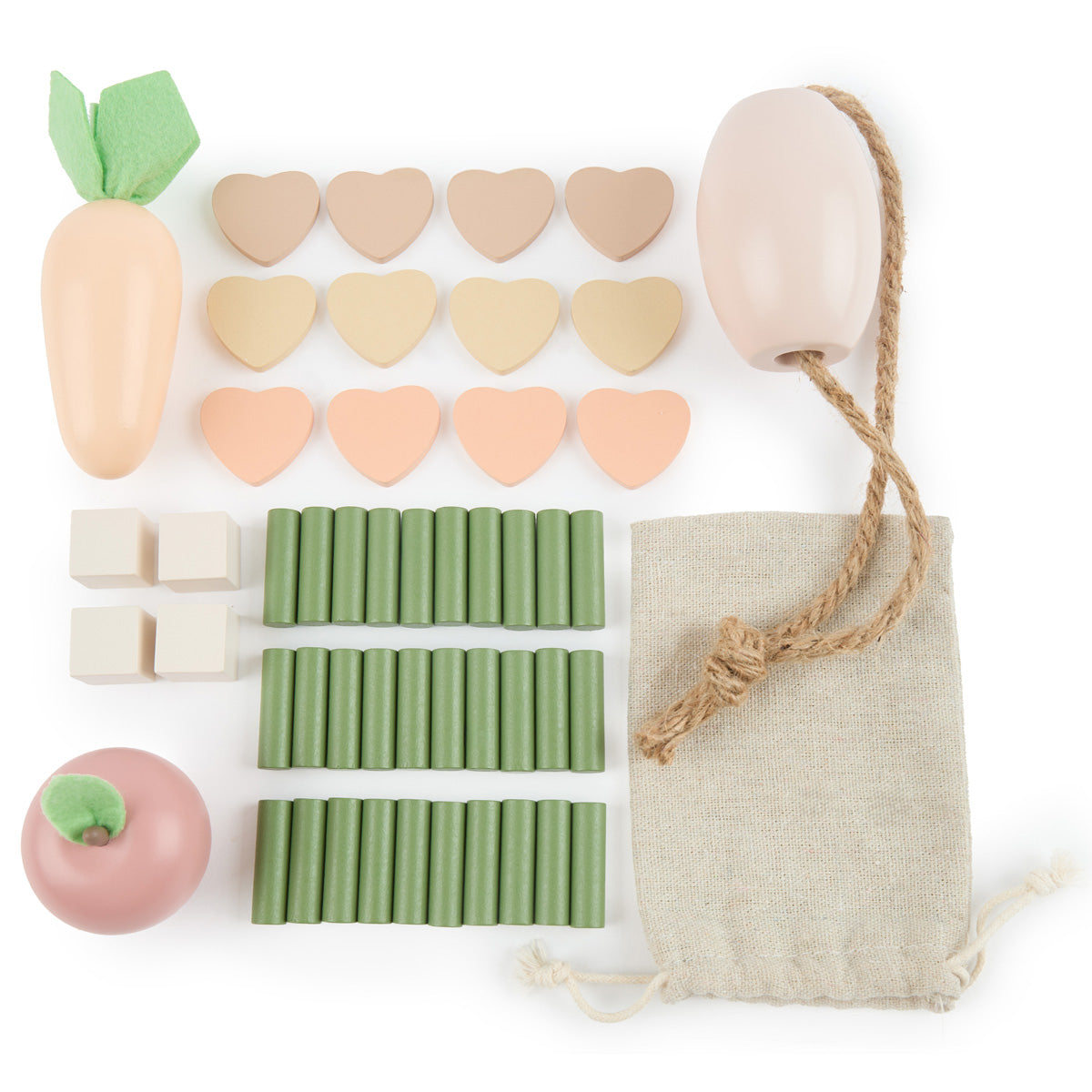
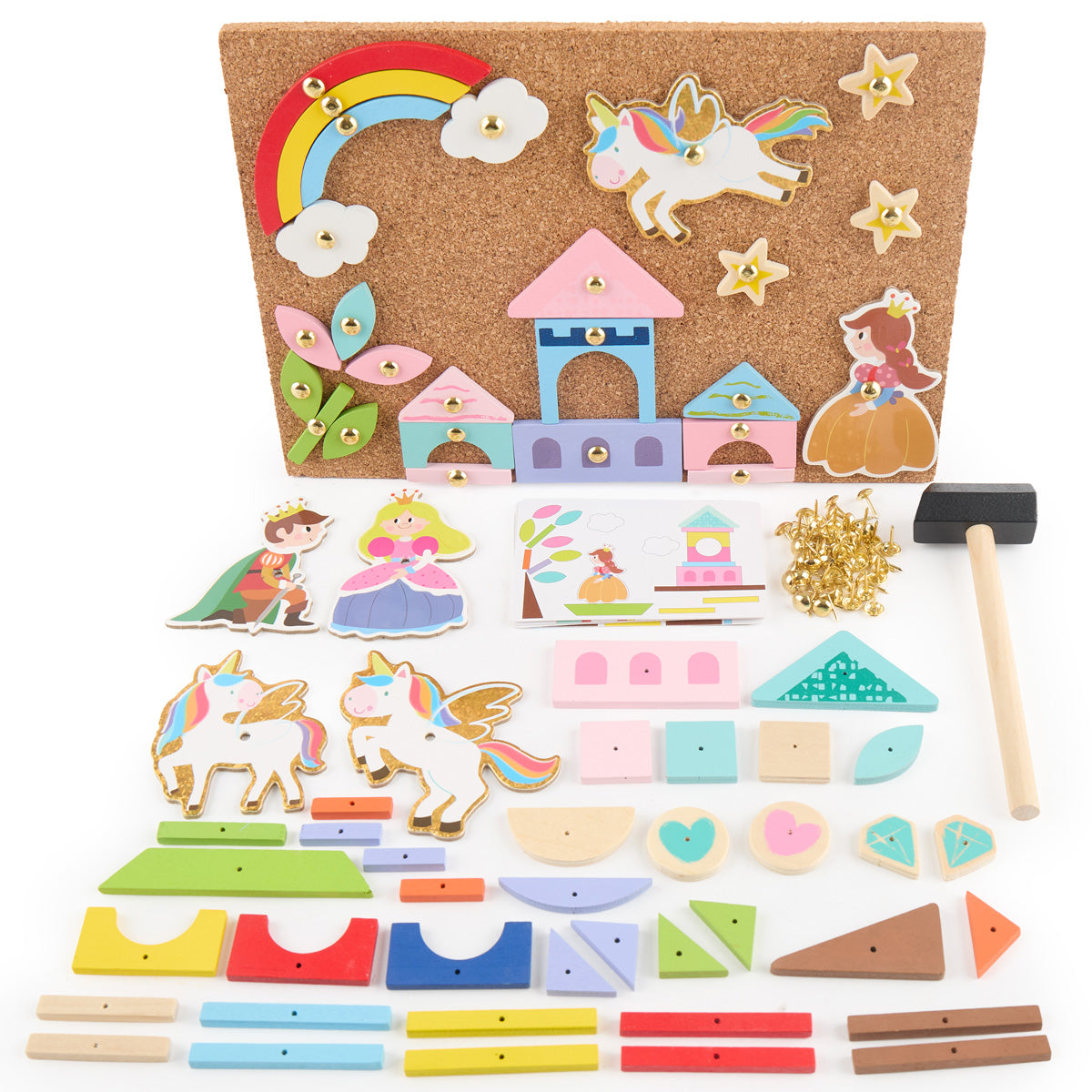
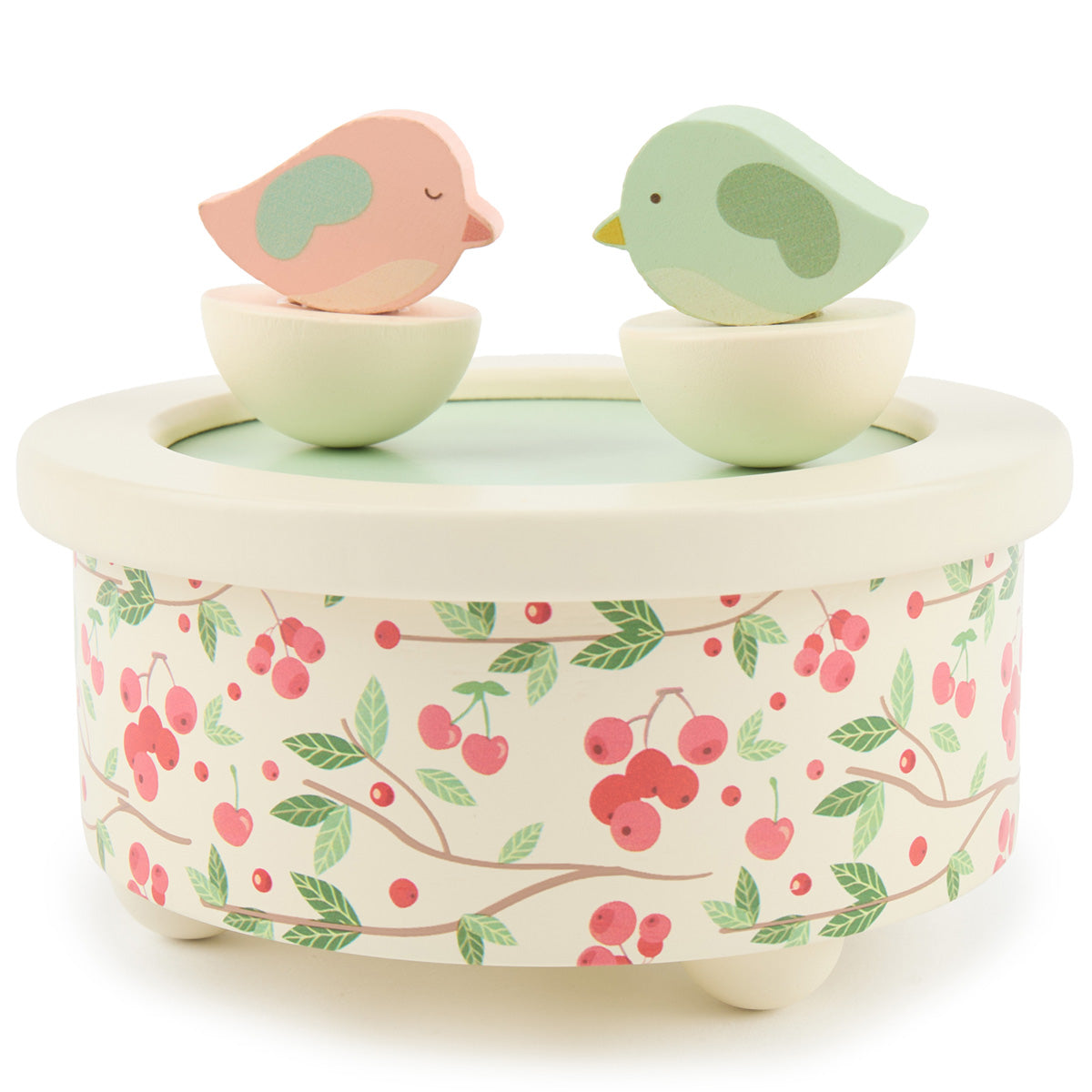
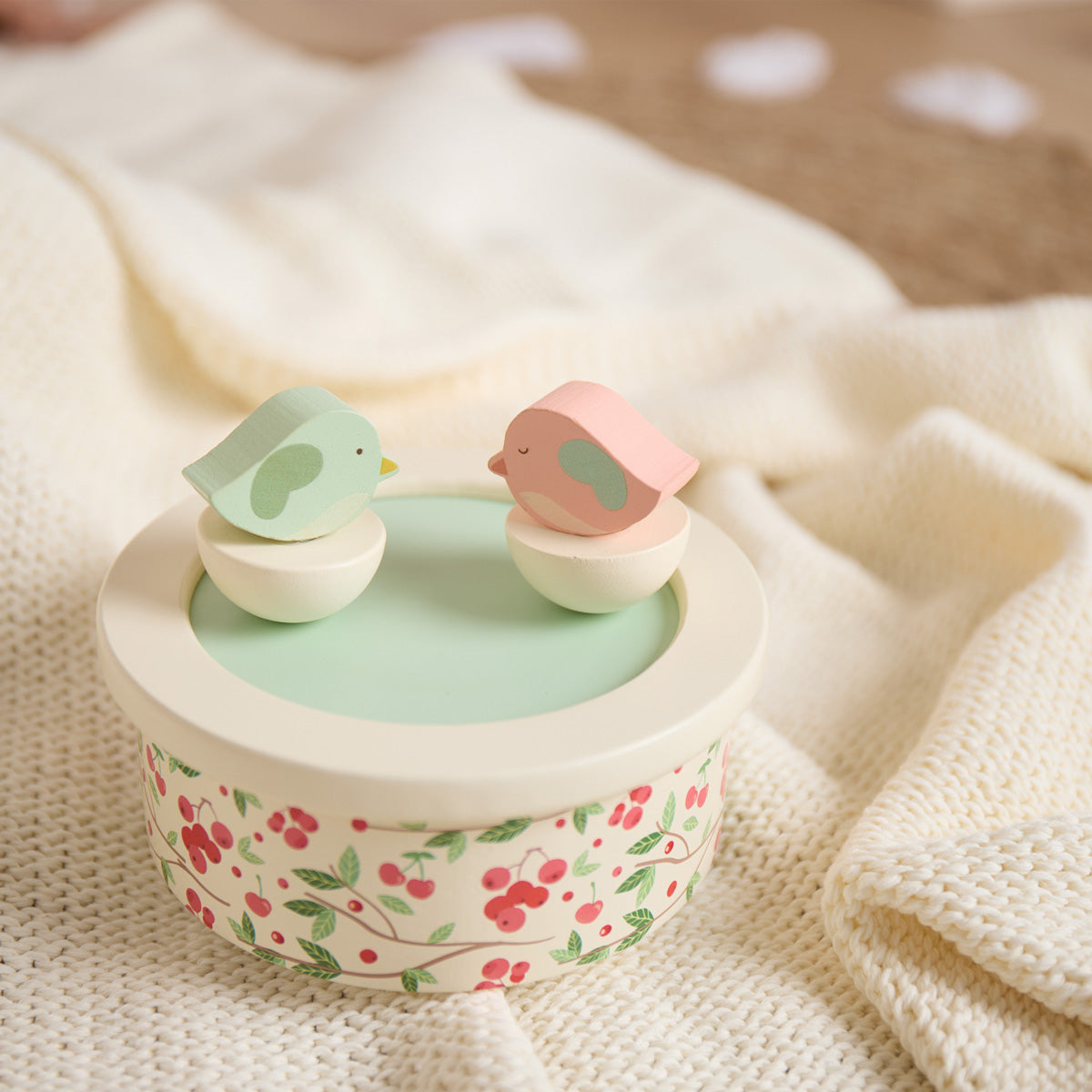
This collection brings together 62 wooden toys – from motor skills to movement. Here you will find, among others, motor skills cubes, motor skills loops, baby walkers, pull-along and push toys, stacking towers, rainbows, small musical instruments and puzzles (depending on model/variant).
And if you are currently looking more for “baby wooden toys”: also have a look at Rattles and teething rings or at Play arches – with us, that is often the quicker way to the right piece.
Quick definitions (short, so they stick)
A few terms are quickly explained – then everything reads more easily. And while browsing, you can better “translate” what you see.
- Motor skills toys keep hands busy with turning, pushing or inserting – and are often the small-scale “I’ll do it myself” training.
- Pull-along toys motivate walking: string in hand, off you go – and suddenly every hallway becomes a little racetrack.
- A rainbow or stacking tower grows with your child: stacking today, sorting tomorrow, building tunnels the day after – and decorating in between.
FAQ about wooden toys
Which wooden toys are safe?
Wooden toys seem harmless above all when they suit the age group, are cleanly made and the markings are in order. According to kindergesundheit-info.de, you should not buy without CE. If you would like an extra level of control, GS is a voluntary plus with independent testing. In detail: Wooden toys: benefits, safety & tips for parents.
Are wooden toys better than plastic?
“Better” depends on your everyday life: wood is often long-lasting and pleasant to hold, while plastic can be light and practical. More important than the material is: safe, sturdy and right for the child. If you want to dive deeper (including the environmental view): Wooden toys: benefits, safety & tips for parents.
Which wooden toys are suitable for which age?
For babies, large, easy-to-grasp pieces make sense; from 2 years, peg and sorting games as well as pull-along toys become more exciting, and from 3 role play plays a bigger part. The age recommendation helps avoid overwhelm and risks. In detail by age group: Wooden toys for every age.
Which wooden toy brands and manufacturers are there?
There are many manufacturers – and many searches revolve around names like fagus wooden toys, nic wooden toys, Little Dutch wooden toys, Eichhorn wooden toys, small foot wooden toys, Grapat wooden toys, Hape wooden toys, Hess wooden toys, Holzspielzeug Beck or Arche Noah wooden toys. What counts for you in the end: workmanship, safety and play value. You can find an overview with context here: The best wooden toy brands & manufacturers compared.
Why wooden toys for children?
Wooden toys are popular because they are often robust and stay open-ended in play: children can build, sort, push or invent their own stories. Less distraction can mean more self-directed play. If you want to dive deeper: Wooden toys: benefits, safety & tips for parents.
Which wooden toys are good for children from 2 years?
For wooden toys from 2 years, pull-along and push toys, simple puzzles and peg games often work particularly well, because children like to “crack tasks”. From 2, what counts is: robust enough for “I’ll do it myself”. If you are searching for wooden toys for 2-year-olds, our age guide helps you sort things out: Wooden toys for every age.
What works as a wooden toy for children from 3 years?
Wooden toys from 3 years can often involve more role play and “small worlds”: vehicles, garages, play kitchens or building sets with more pieces. At 3, role play often becomes truly story-driven. For wooden toys for 3-year-olds, you will find ideas by stage here: Wooden toys for every age.
What is important with painted wooden toys?
With painted wooden toys, a durable surface and clean workmanship are important – especially because so much ends up in the mouth. With little ones, it is worth taking an extra look at surfaces and smells. If you want guidance on marks & safety, kindergesundheit-info.de explains CE and GS in an easy-to-understand way (Source).
About this guide
This page was created by the BIECO editorial team – we are a family business from Hamburg and have been at home in the toy sector for 66 years. We write this for real buying moments, not for textbooks. For safety facts, we use, among others, kindergesundheit-info.de (BZgA) on CE/GS, the BAuA on the GS testing process, and the European Commission as an interpretive aid for the Toy Safety Directive. That keeps it practical for everyday life – and still properly documented.
If you simply want to get started now: filter by age, pick 1–2 favorites and see what actually gets played with. A child’s room doesn’t have to be full – just well chosen. And if you are looking for gifts right now: in our Gift ideas you will usually find something faster than with three tabs and cold coffee.