
Play Tents for Kids
Sort by
14 products


recently viewed
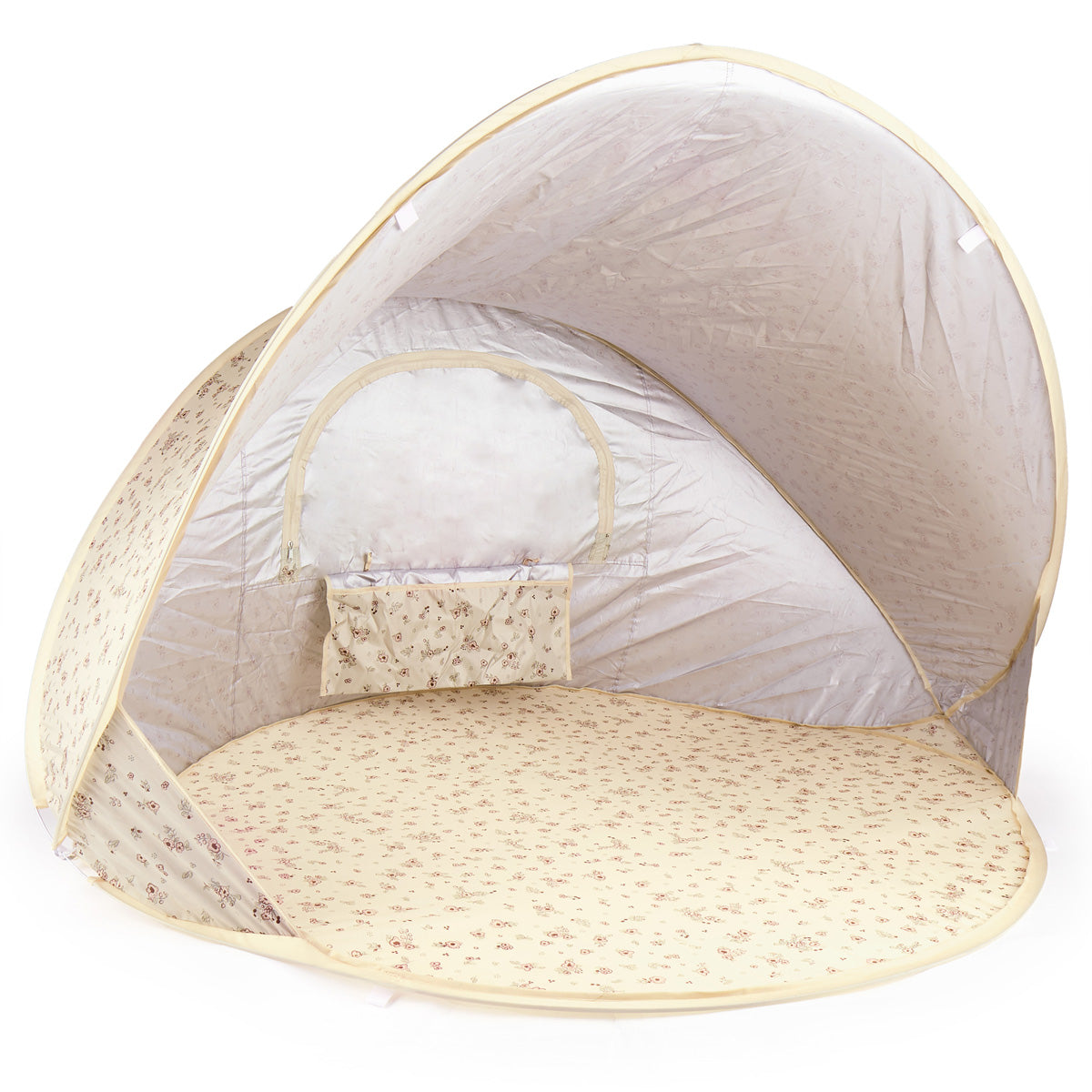
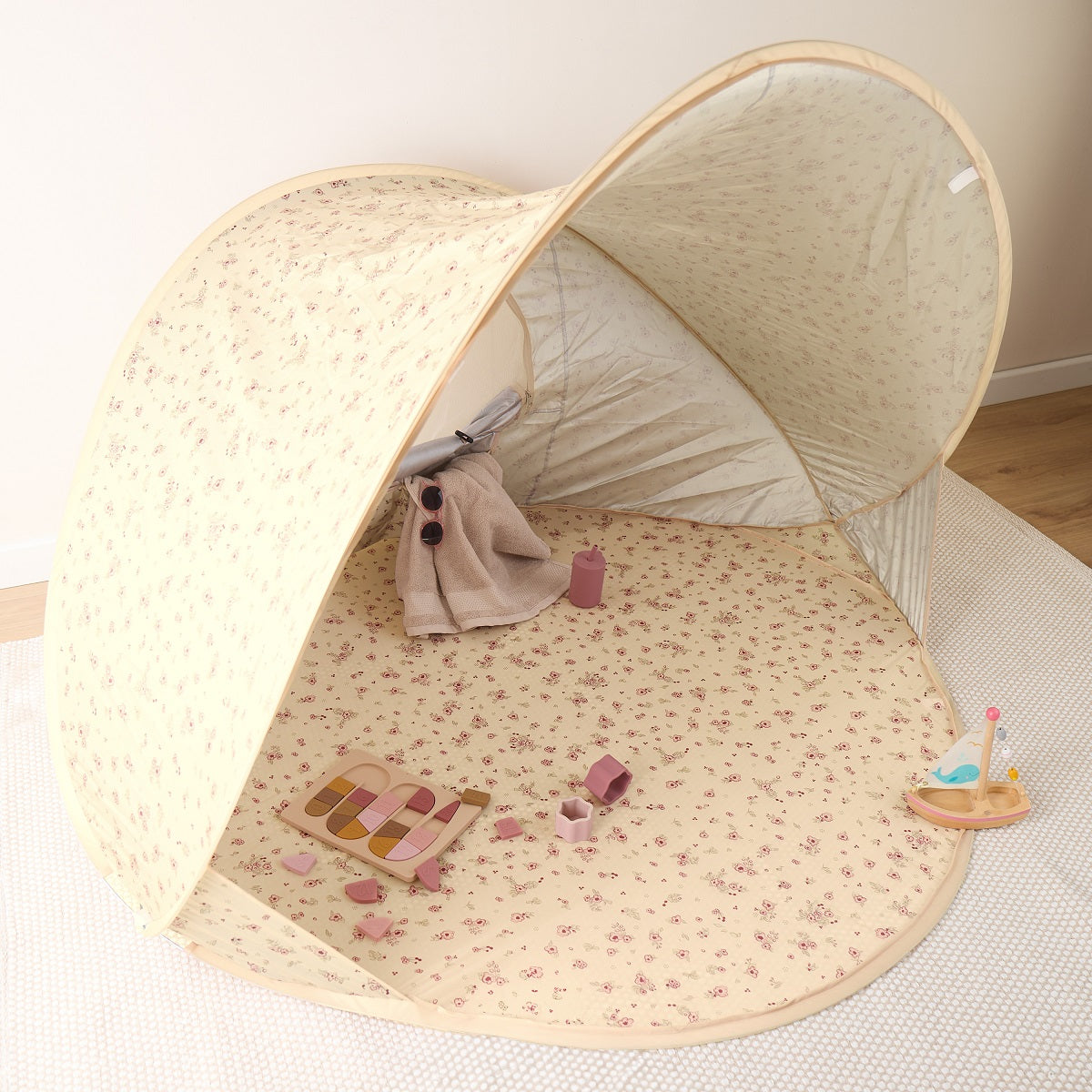
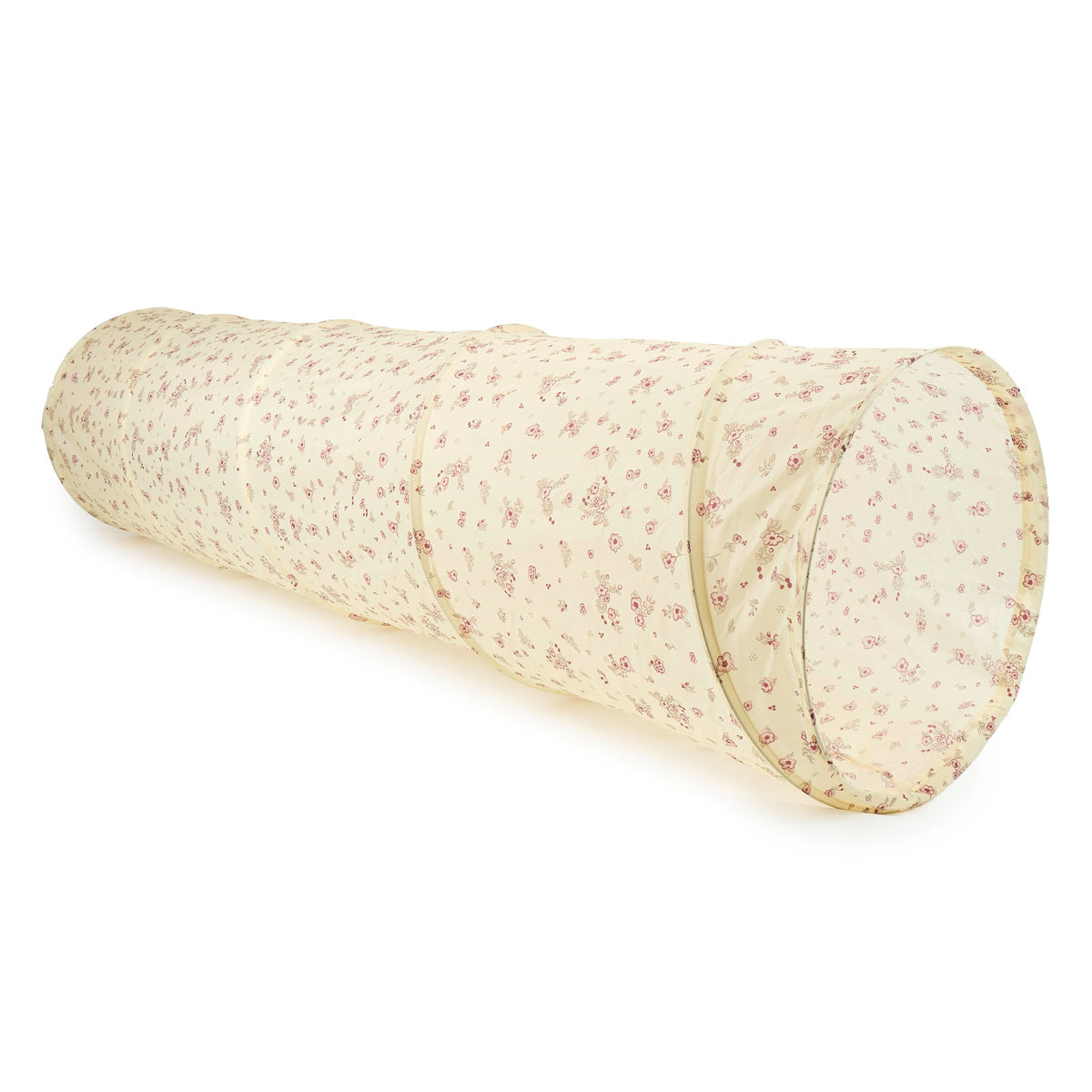
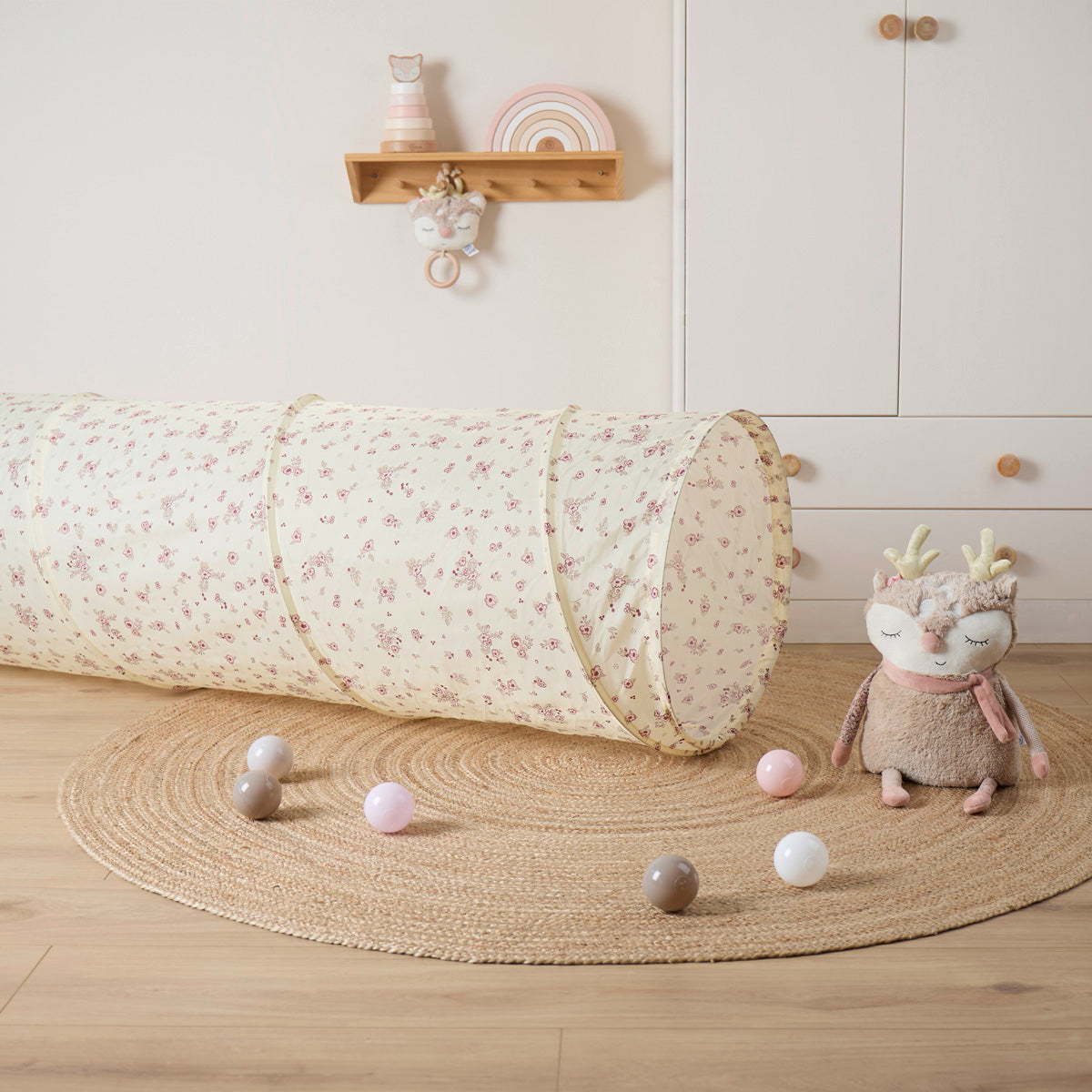
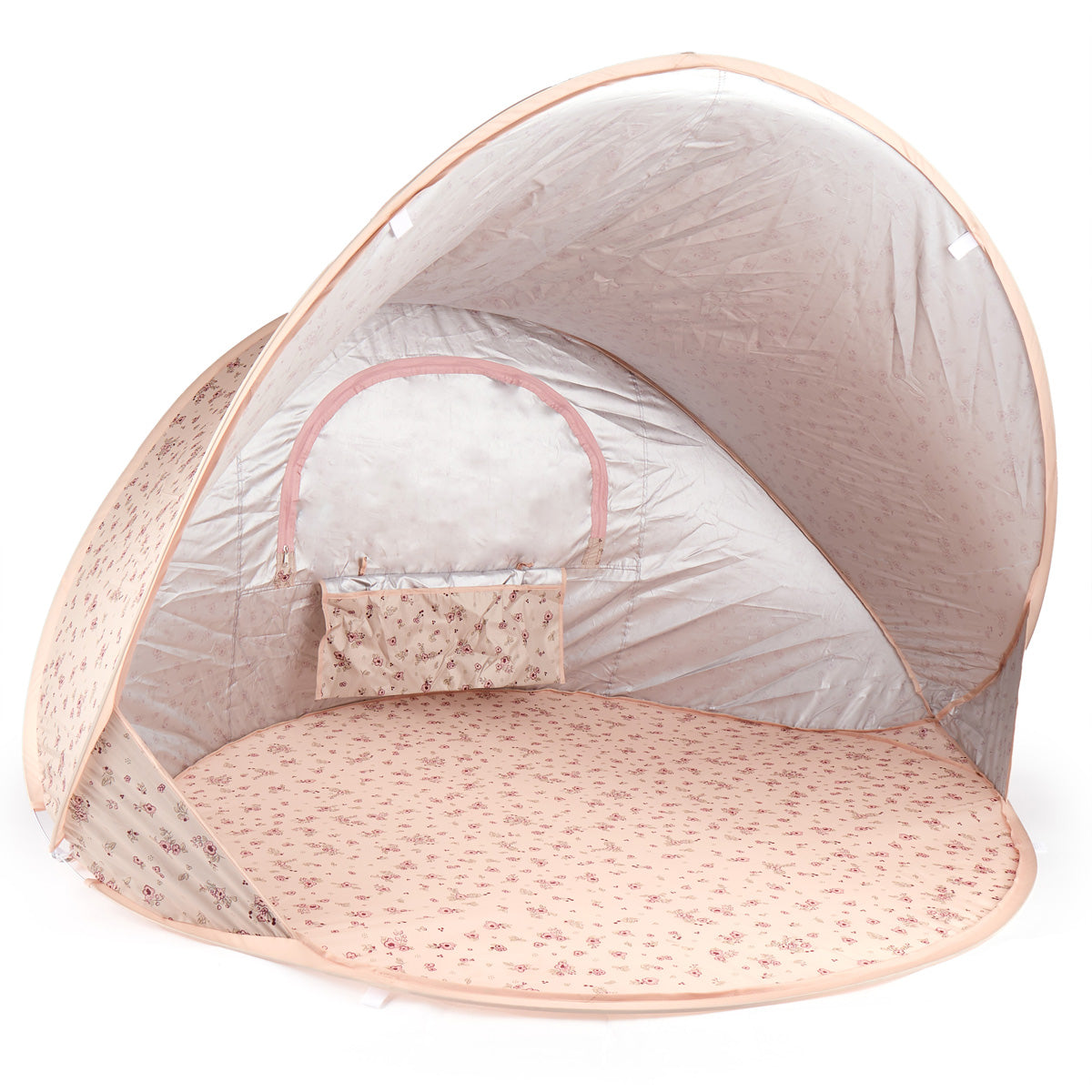
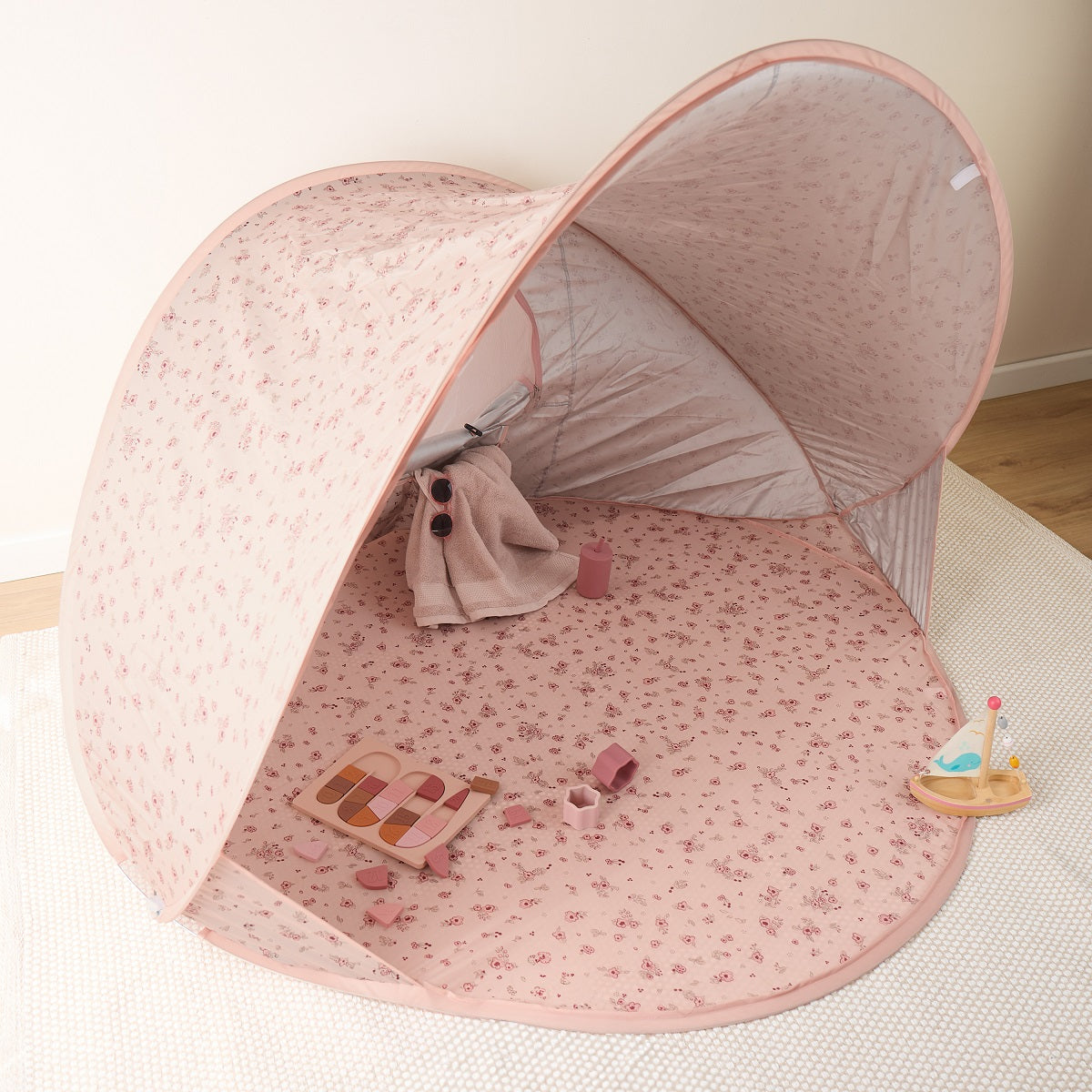
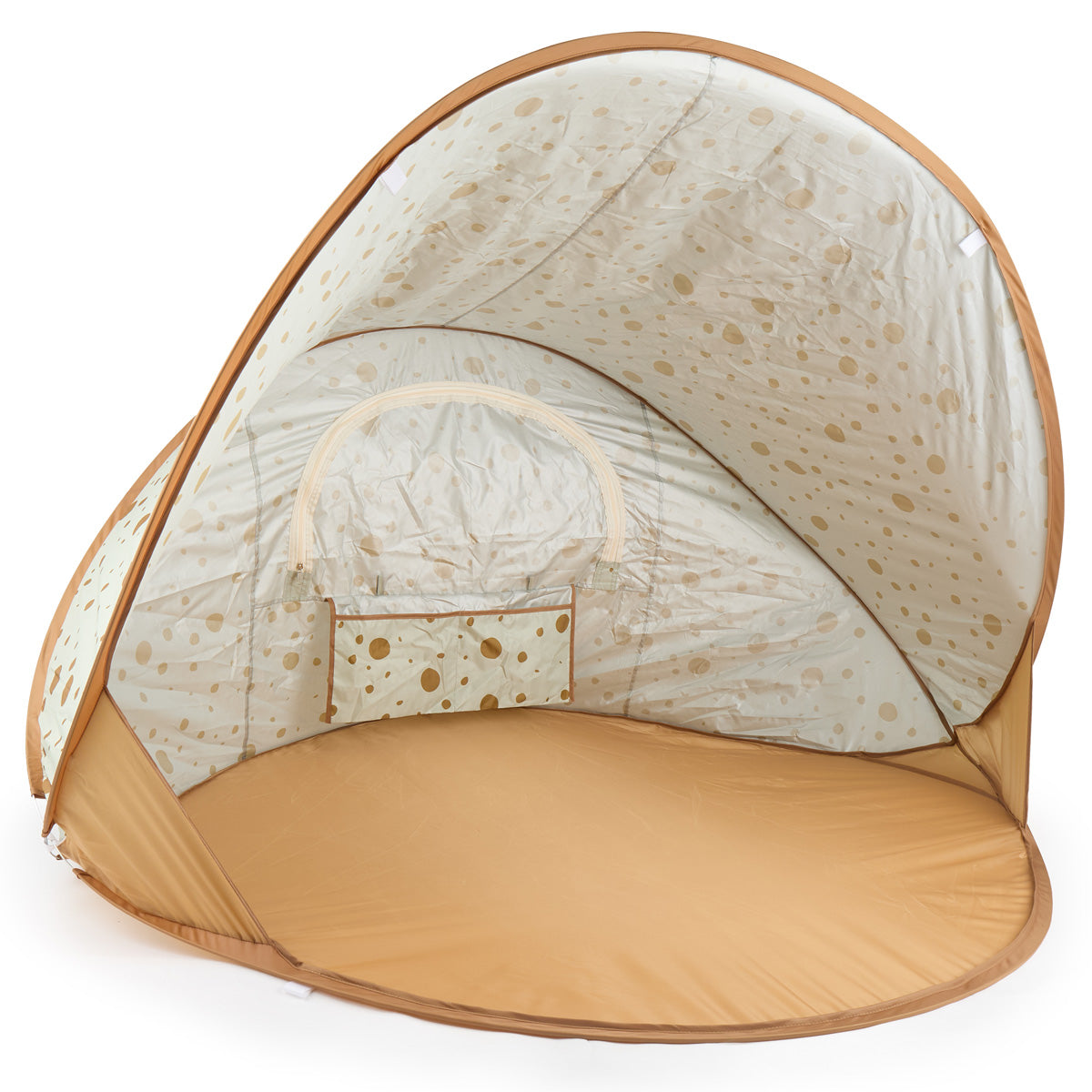
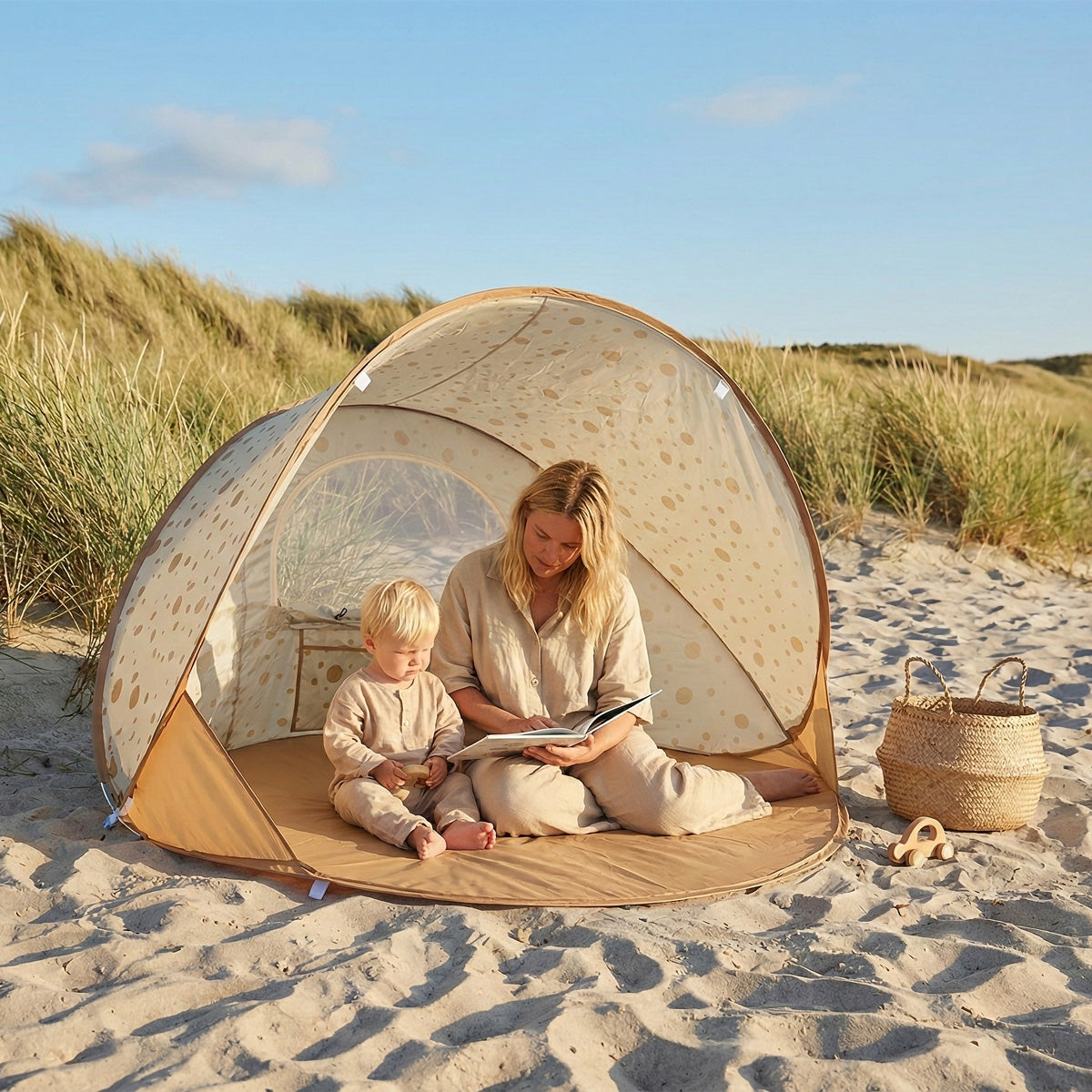
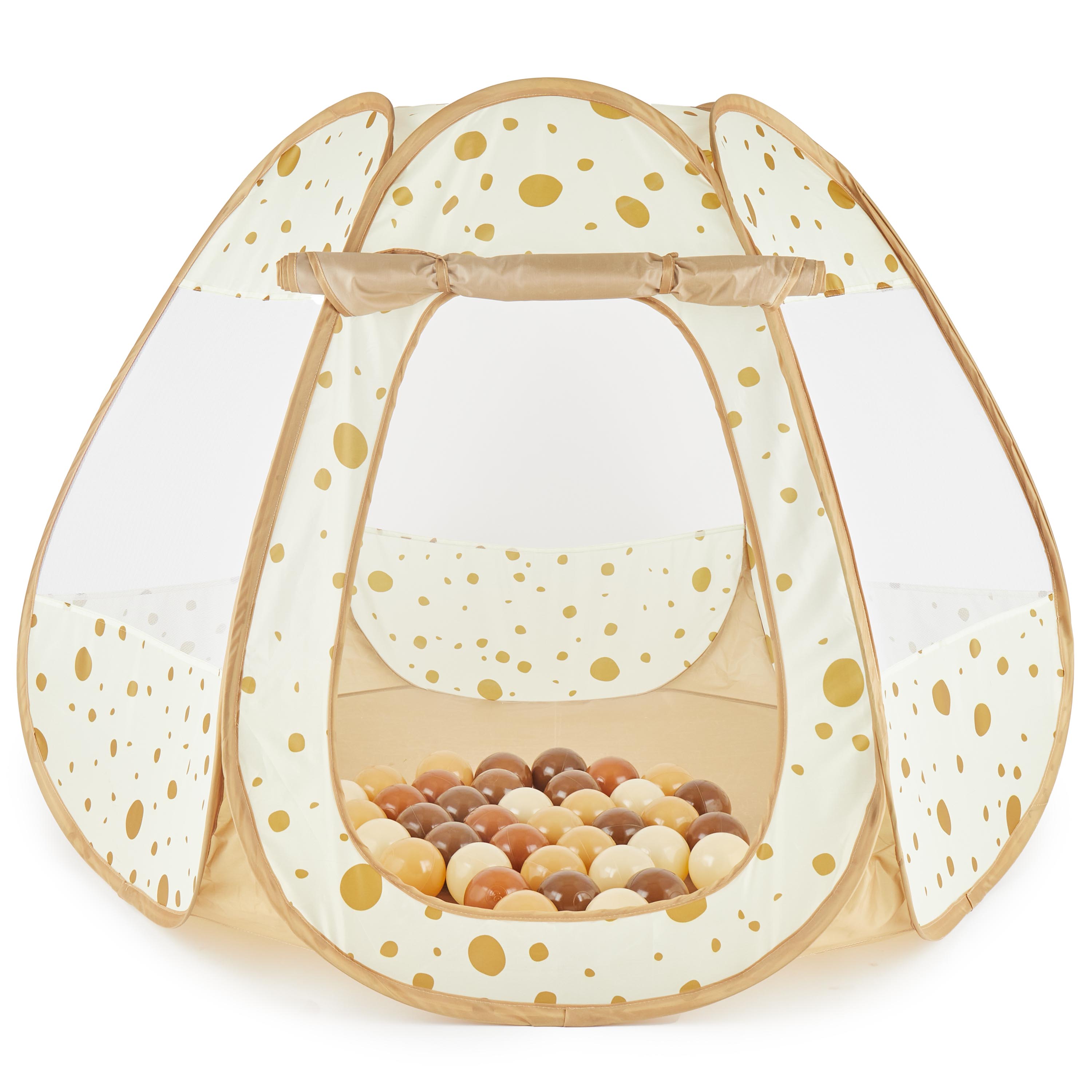
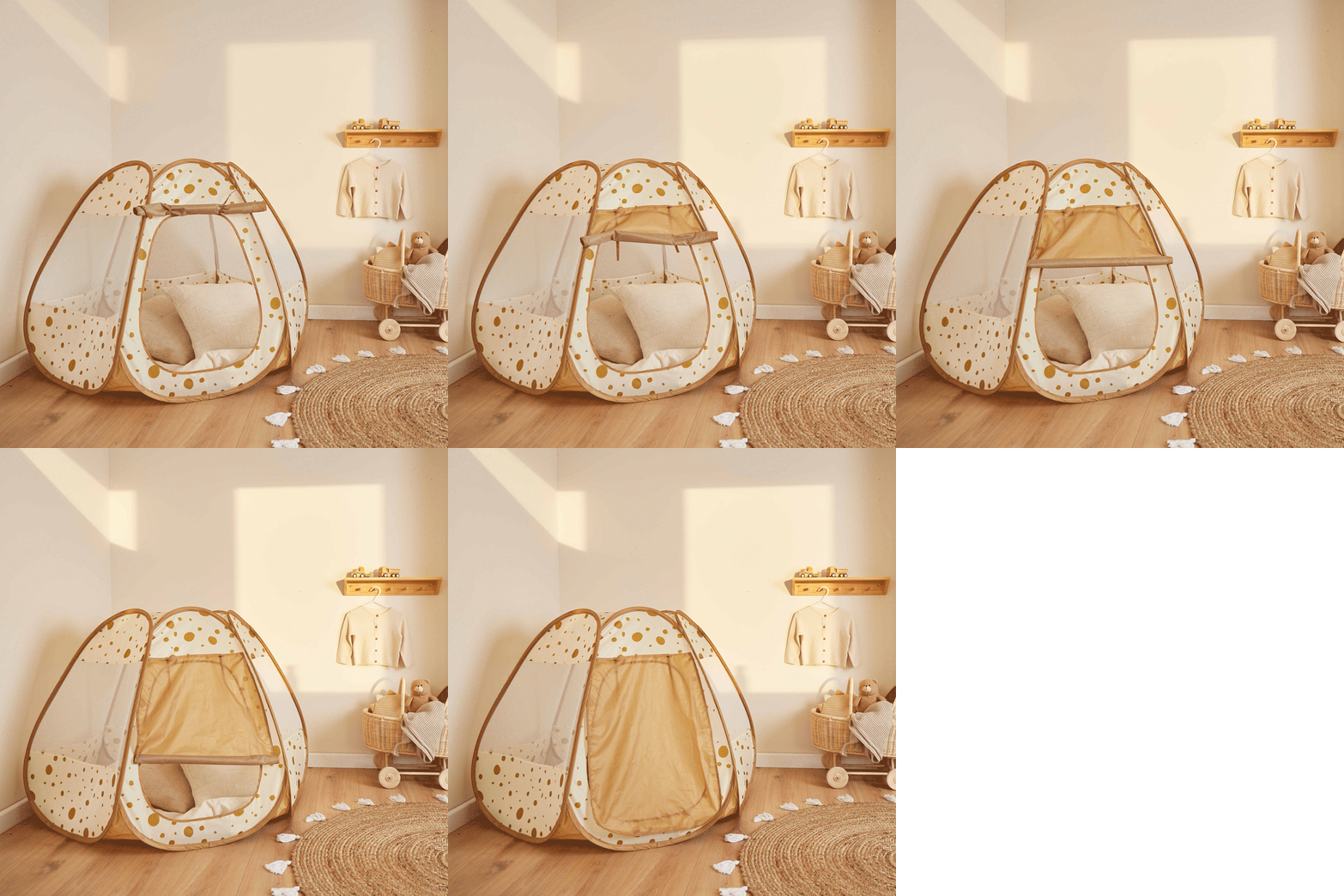
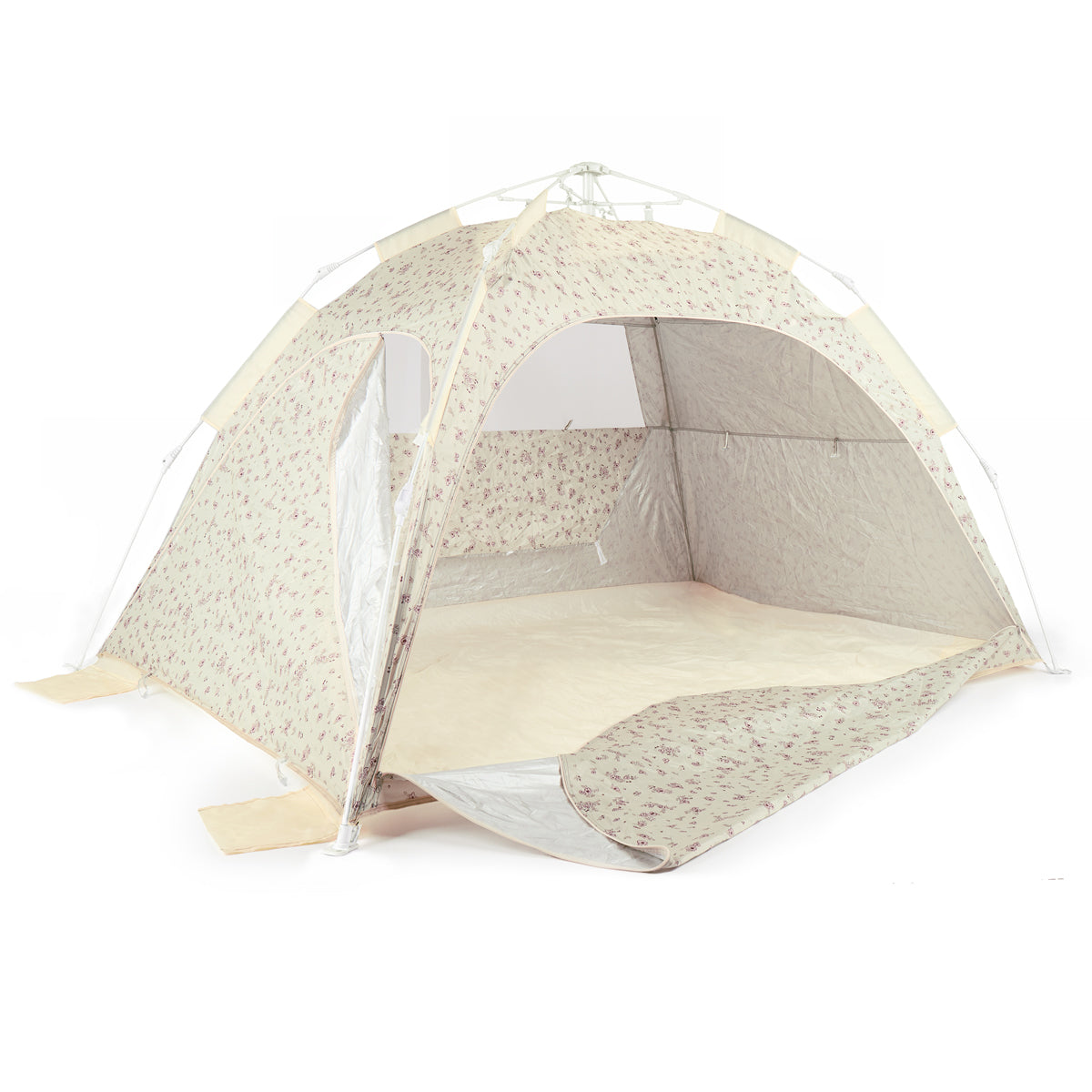
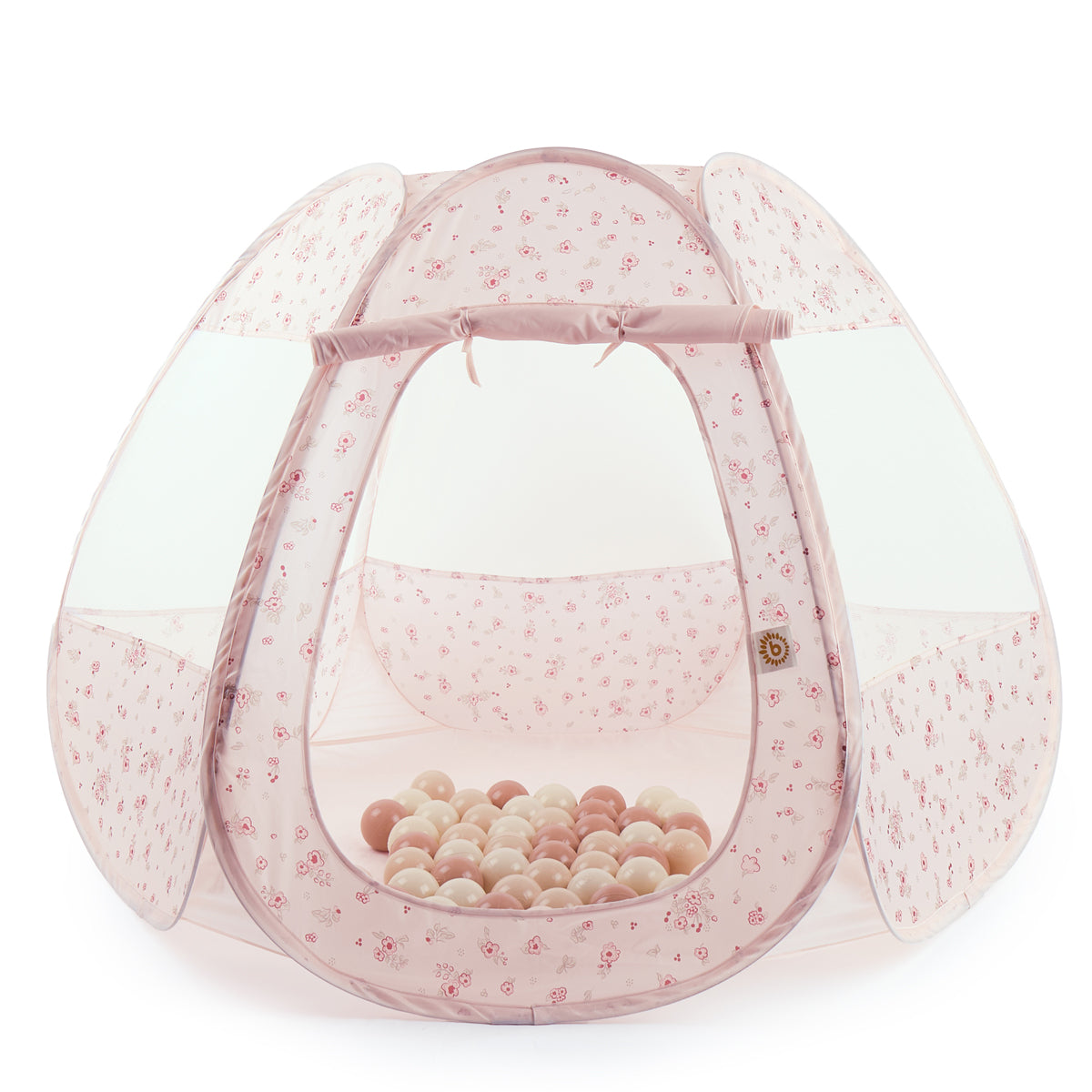
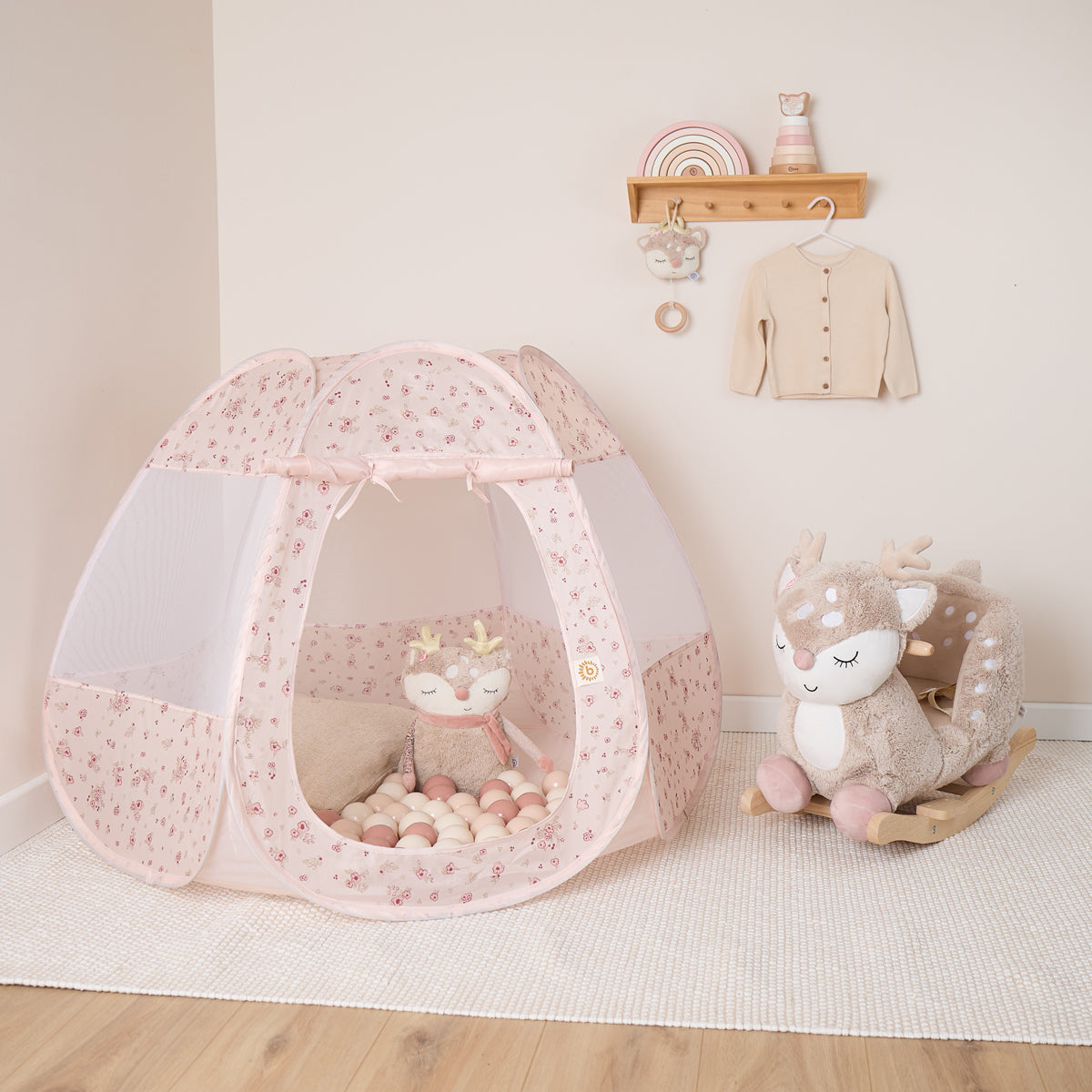
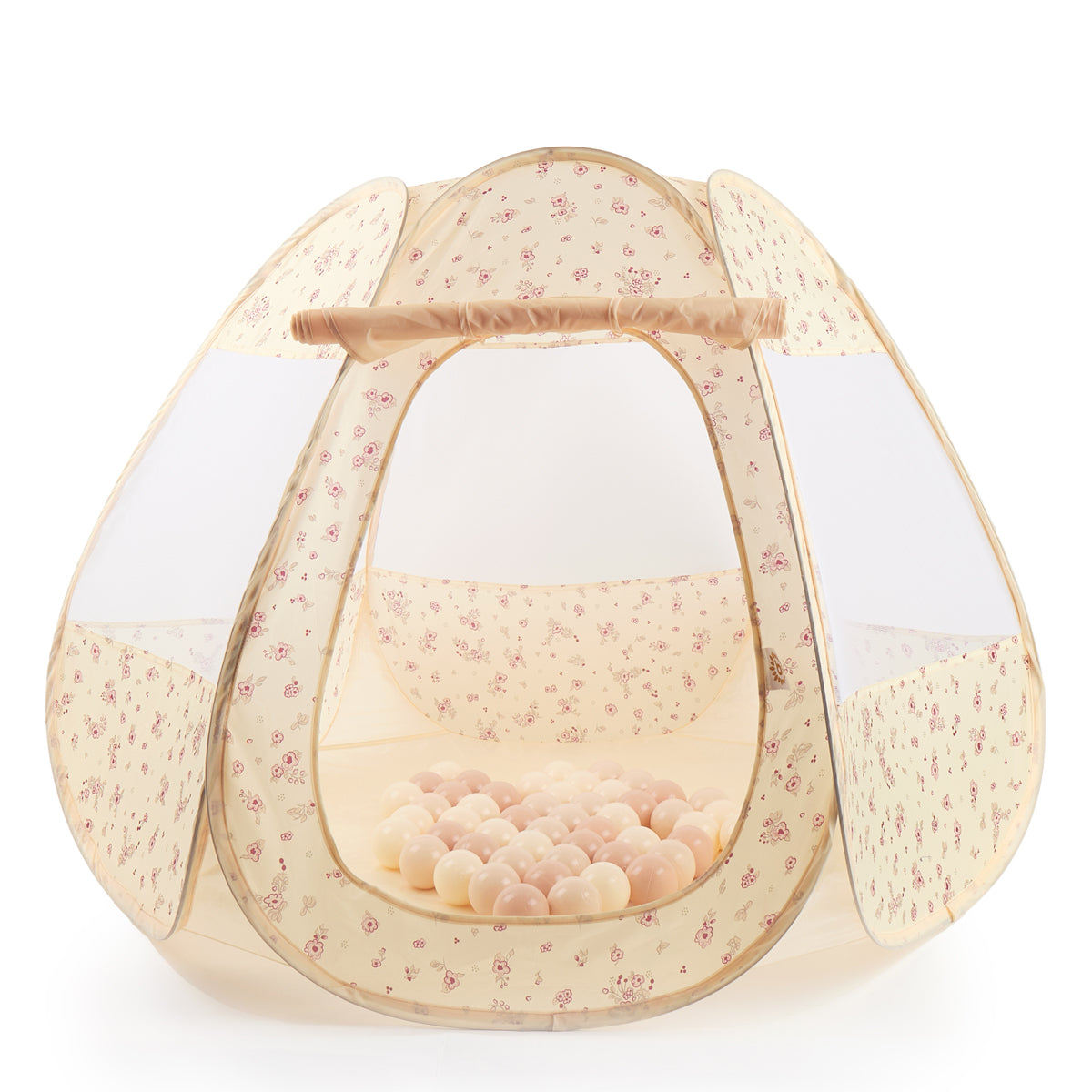
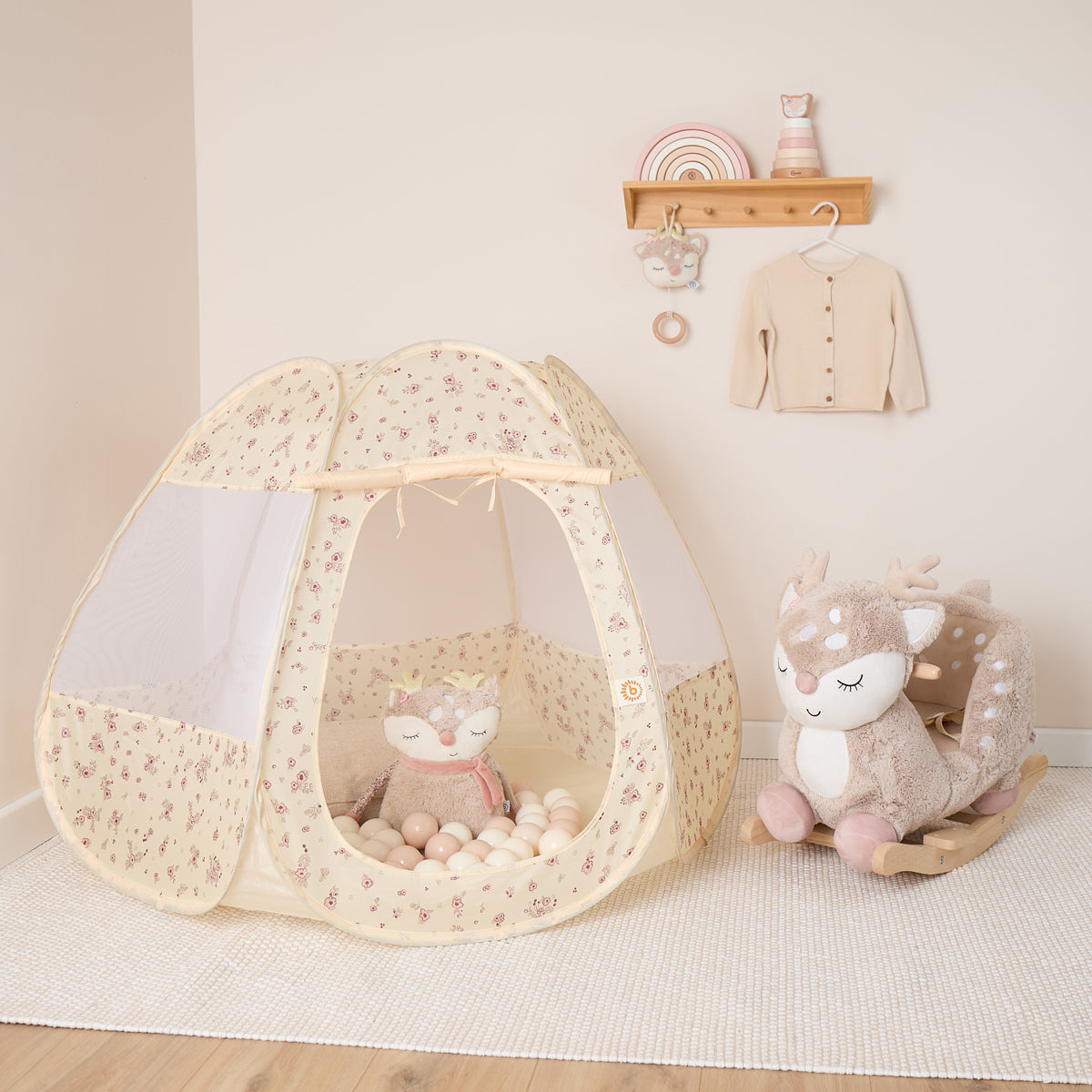
A play tent is a little space of its own for playing, reading and winding down – right in the middle of the kids' room. And yes: sometimes it's also the spot where you get a quick breather while a “secret mission” is underway behind the fabric. In this collection at BIECO, you'll mainly find pop-up play tents (unfold once and it stands) – some also as a play tent with ball pit in a set. If you want to buy a play tent that won't get on your nerves in everyday life, you're already in pretty good company here.
TL;DR: Pop-up works almost every time – a tipi is better if it's meant to stay up permanently. If you have little space or often set up and take down: pop-up. If you're planning a permanent reading nook and want the tent to look like a piece of furniture: tipi play tent for kids (more on this in the comparison below).
<strong>View play tents now</strong> | <strong>Compare pop-up vs. tipi</strong> | <strong>Jump straight to the 6 BIECO products</strong> | <strong>Go to the FAQ</strong>
The key points at a glance
- Pop-up play tents are up in seconds – ideal for small rooms and busy everyday life.
- For ball pit sets: 50 balls get scattered quickly – a basket next to the tent helps.
- CE marking is mandatory, but it's not a test seal – additional test marks often give better guidance.
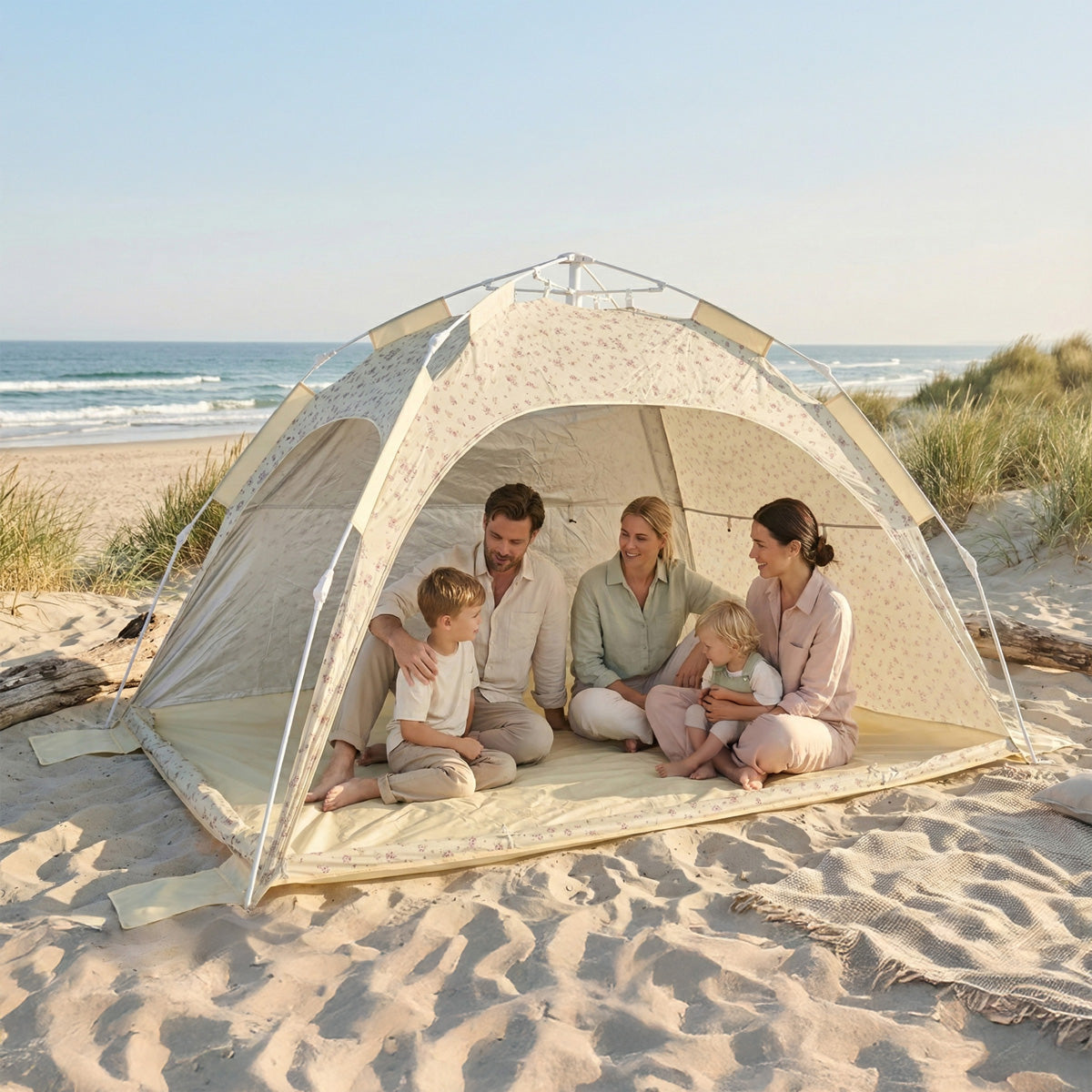
- Outdoors, shade, a groundsheet and wind protection matter more than an “outdoor look”.
- When cleaning: check the label, then gently wipe down or wash carefully.
Buying a play tent: 5 things that will save your nerves later
If you quickly tick off these five points, the play tent will usually fit really well. Don't overthink it – it's more like packing: sort things out briefly once, and then it runs smoothly.
- Size/space: Measure the corner in the kids' room (width/depth) and allow some room to walk around it.
- Setup: Pop-up = quick; tipi = more of an “I'm staying right here”.
- Material & care: Cotton often feels homey, polyester is often easy to wipe clean – the label is the most reliable guide.
- Place of use: Indoors, stability counts; outdoors, groundsheet, shade and wind count.
- Age: Follow the manufacturer's information and warnings – especially with little ones.
Mini definitions (so we're all talking about the same thing)
You unfold a pop-up play tent and set it down – done, no pole puzzle. That's worth its weight in gold if the tent isn't meant to stand every day.
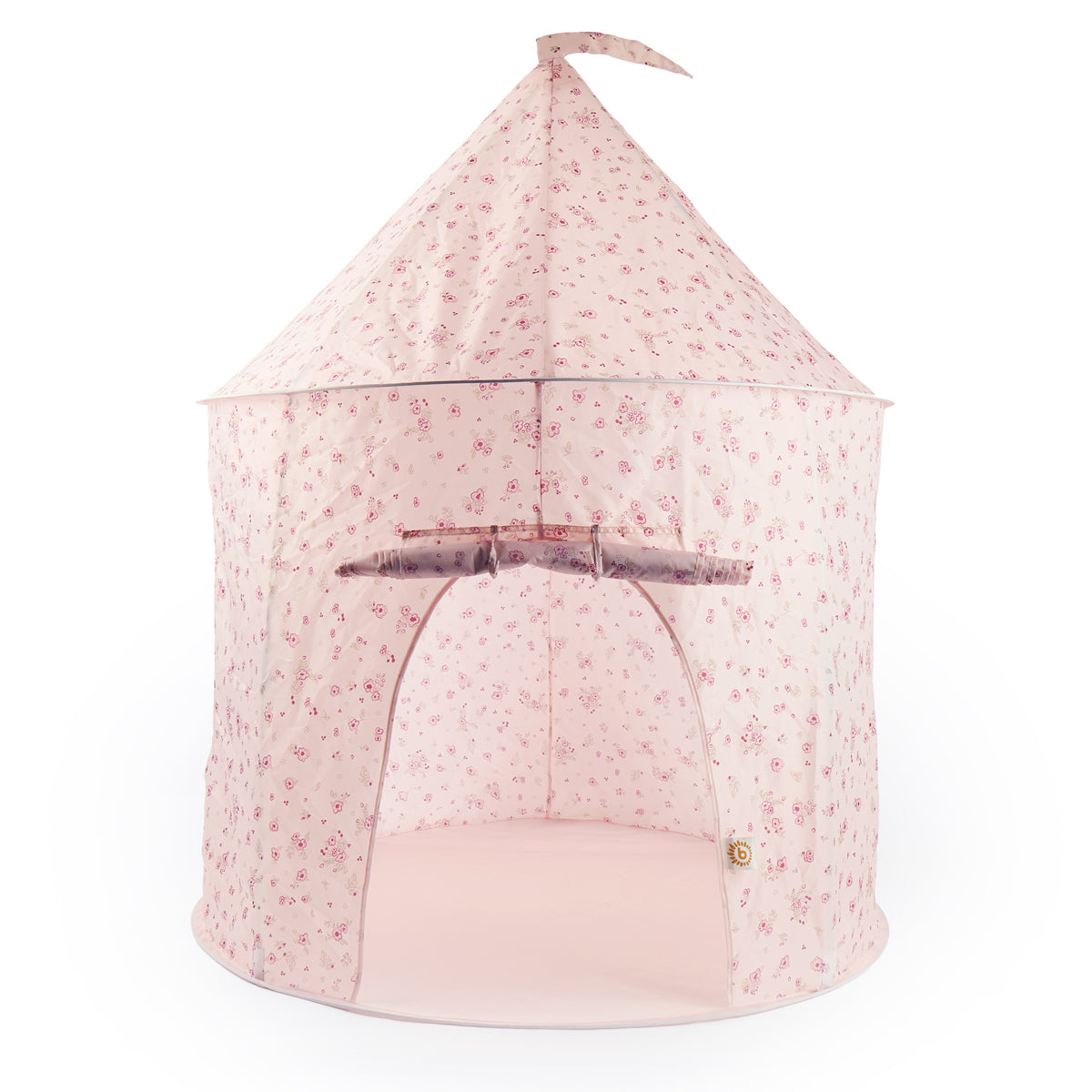
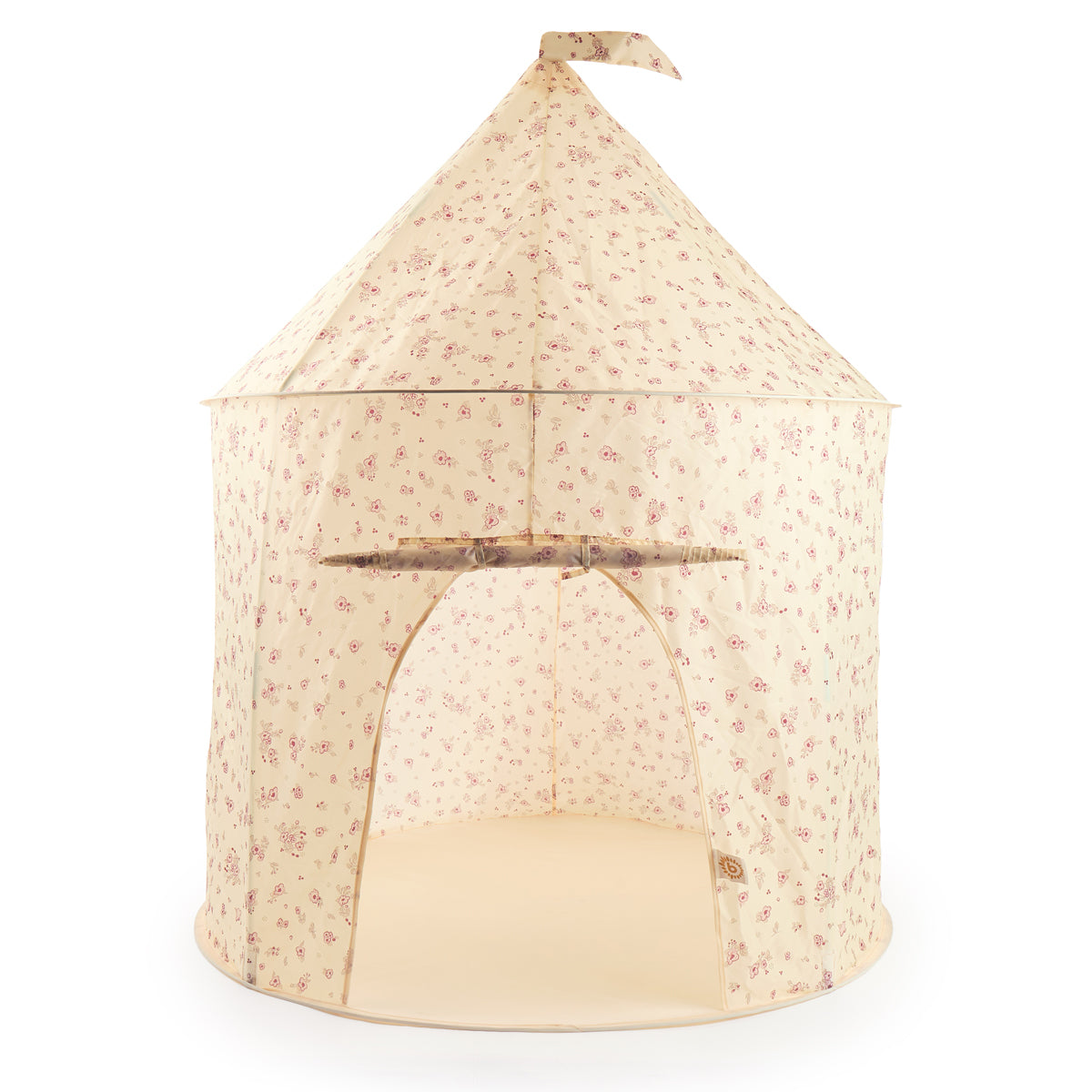
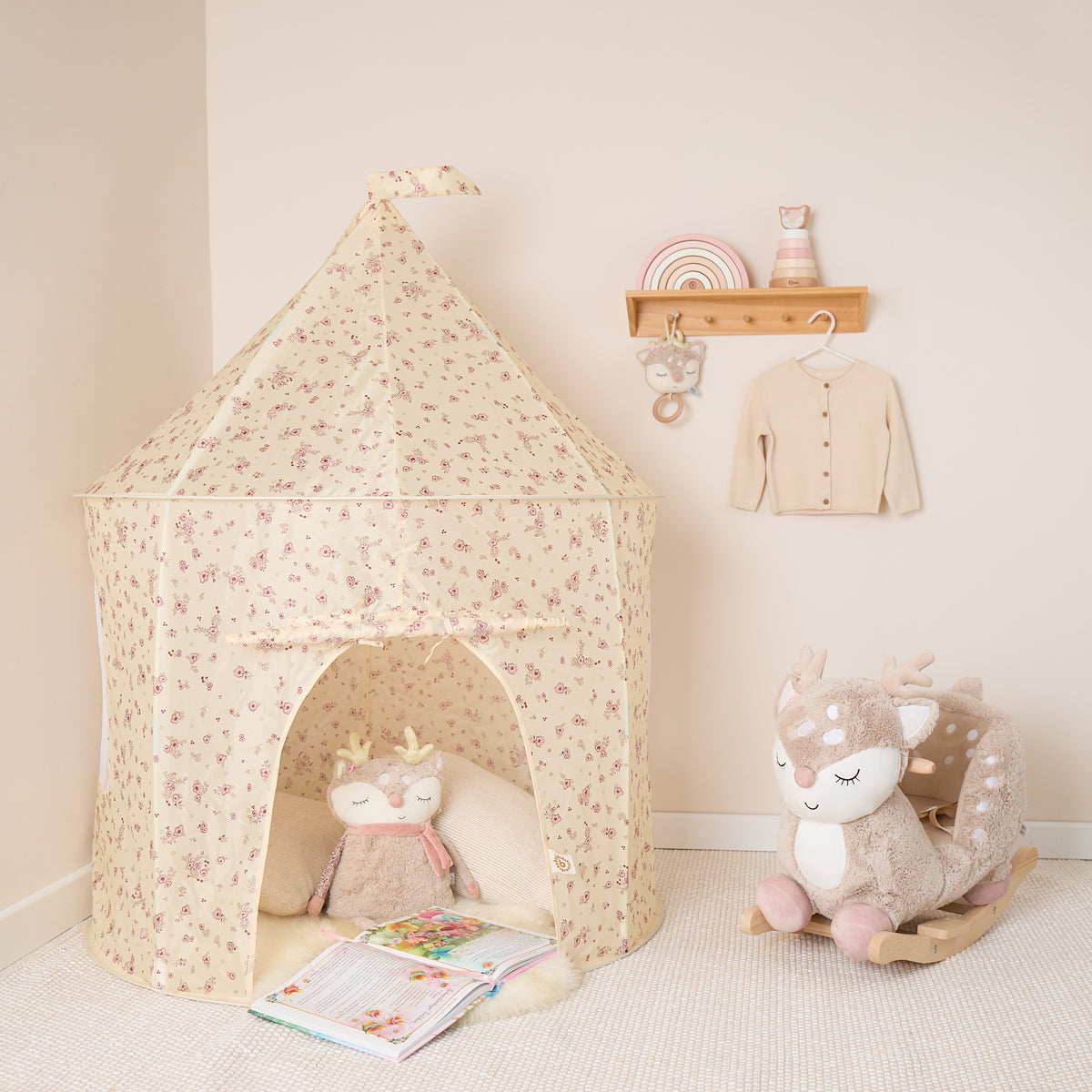
A tipi play tent for kids feels like a permanent cuddle corner and often stays set up for good. In return, it needs more floor space and is less of a “quickly put it away” item.
A play tent with ball pit is a tent plus ball action – great for movement, but with more small parts in everyday life. A little grandpa-style tip: a basket next to it, and things stay reasonably peaceful.
Pop-up or tipi? The quick comparison (honest & practical)
The shape mainly decides space, setup and whether you'll really use it. If you want to dig deeper: our comparison article helps you weigh things up without ten tabs open: Tipi or pop-up tent? Which play tent suits your child?.
Safety: CE, EN 71 & real guidance (without panic)
CE is important – but it's not an independent test seal. The European Commission explains that CE marking does not mean a product has been “approved” or “tested” by the EU (European Commission: CE marking). In practice, that means: CE is mandatory for many products – but it doesn't replace your own look at workmanship, warnings and reliable information.
For toys, the EU Toy Safety Directive is the foundation – and EN 71 is the well-known family of standards that goes with it. Directive 2009/48/EC sets out safety requirements for toys in the EU (EUR-Lex: Directive 2009/48/EC). And: the EU publishes harmonised standards (including EN 71-1, EN 71-2, EN 71-3) in the Official Journal, which give a presumption of conformity when complied with (EUR-Lex: harmonised standards (excerpt)).
If you want a “plus” in guidance: GS is voluntary and independently tested. The consumer advice centre (Verbraucherzentrale) describes CE as a manufacturer's self-declaration and names the GS mark as a voluntary, independent test by approved bodies (Verbraucherzentrale: CE vs. GS).
Material & care: cotton vs. polyester (and what really matters outdoors)
Indoors, what matters most: pleasant to touch, well ventilated, stains come out quickly – and no high-maintenance care. Fabric play tents don't become “clinically clean” in everyday life, but “family clean”. Shake out the crumbs, treat stains on the spot, air it regularly – and the most reliable guide is always a look at the label.
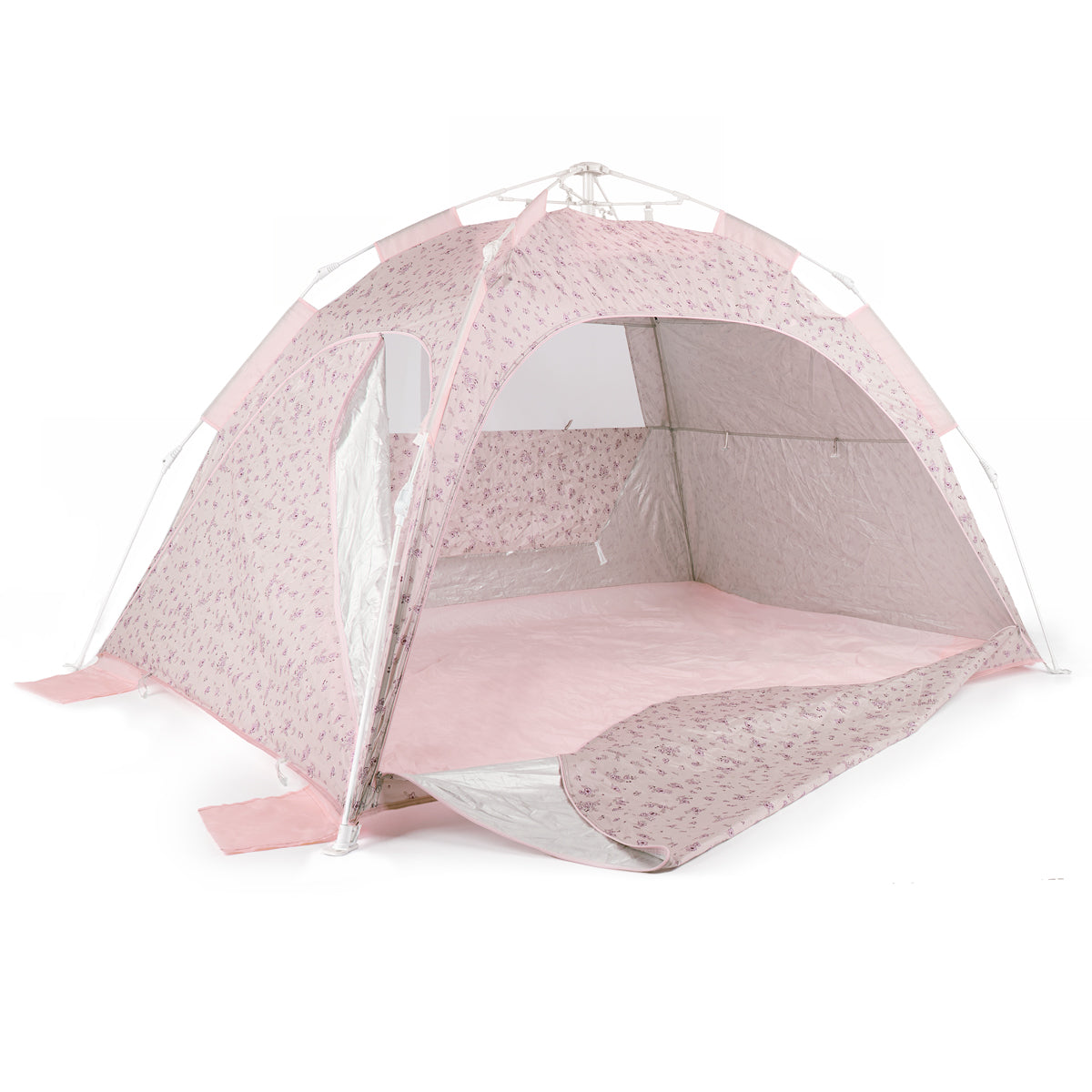
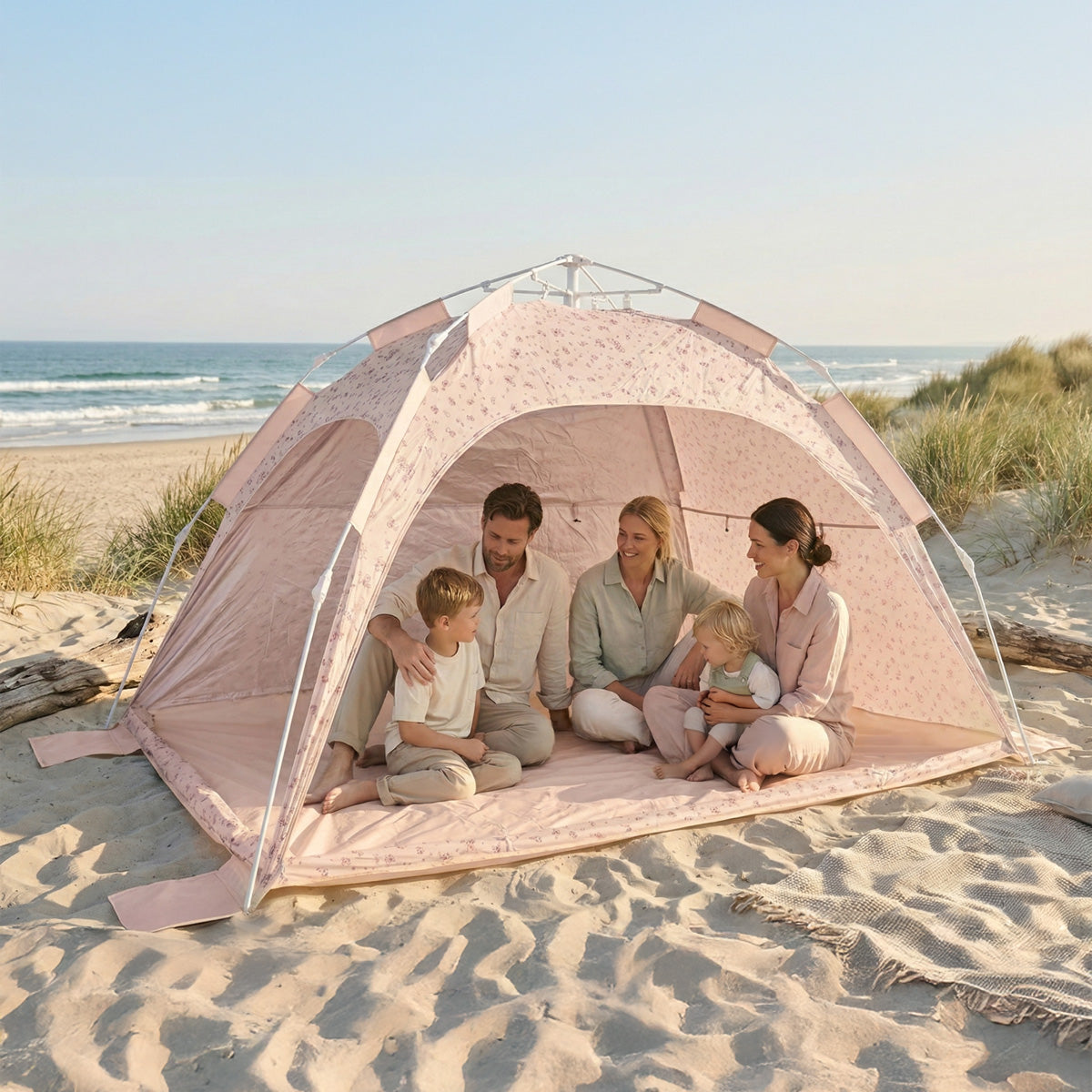
Outdoors: damp grass and wind are the natural enemies of any indoor tent. Fabrics that absorb moisture (e.g. cotton) are better placed outdoors on a thick groundsheet and not left for hours on wet grass. And when it's windy: better to take it down than hold it in place – that's less heroism and more common sense.
Harmful-substance seals aren't a magic wand, but they are sensible guidance for textiles. OEKO-TEX explains that with STANDARD 100, all components are tested against a list of more than 1,000 harmful substances (OEKO-TEX® STANDARD 100). If a tent involves a lot of skin contact (cuddling, lying inside), that's a reassuring reference point for many families.
The 6 BIECO play tents in this collection (quick overview)
Here you can see all six products at a glance – without a scrolling marathon through individual product pages. Important: dimensions, material, age information and scope of delivery may vary by variant – the binding details are always on the respective product page.
Play tent accessories: how to make it cosy (without it feeling cluttered)
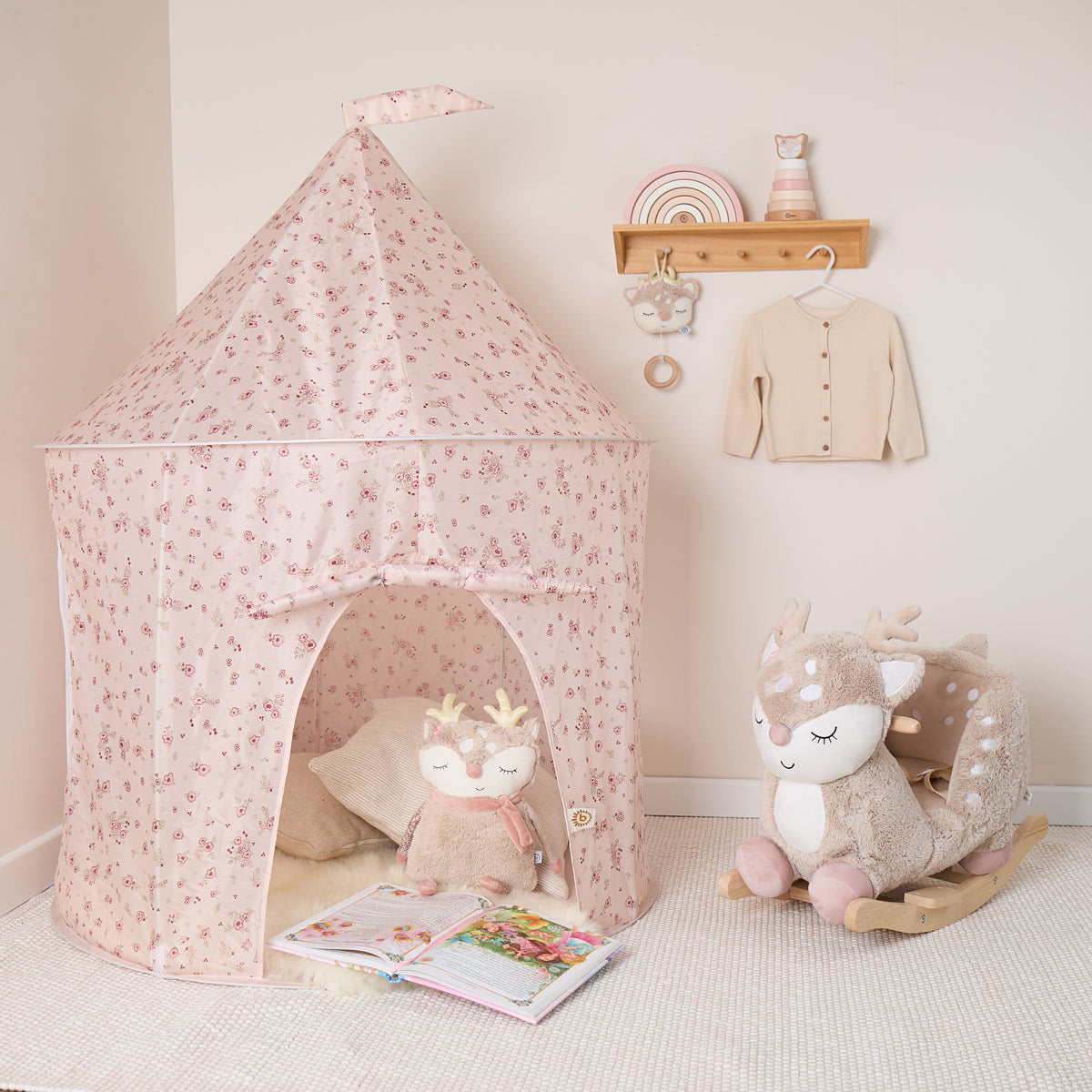
With 3–5 things, a play tent becomes a real feel-good nook – you usually don't need more. A cushion, a blanket, a small basket for books and a cuddly toy are often completely enough. Don't worry: in the beginning, things go “wandering” every day anyway – that's normal.
- For tidiness: A basket next to the tent is the ball pit balls' best friend. Storage
- For calm: Cuddly friends and sleep companions make it feel homey. Cuddly toys and stuffed animals & Sleep aids
- For the kids' room feel: If you're planning the tent as a “zone”: Kids' room and decor
FAQ: short answers so you can move on quickly
From what age does a play tent make sense?
A play tent makes sense as soon as your child is steady enough and the manufacturer's age recommendation fits. Warnings (e.g. small parts) and whether you can keep a good eye on your child are decisive. For the very little ones: better a tent that's easy to see into, start together briefly and slowly “release” its use.
Which play tent is the most practical for the kids' room?
For the kids' room, a pop-up play tent is often the most practical, because it's up quickly and gone again quickly. Especially in smaller rooms, that's a real advantage. If you're planning a permanent reading nook, a tipi play tent for kids can feel homier. Explained in detail in the guide: Play tent for kids: The big guide.
Pop-up play tent or tipi play tent – which is better?
Pop-up is better if you want to stay flexible; tipi is better if it's allowed to stay up permanently. Pop-up is often the “everyday solution” for changing phases. A tipi is more the “corner that stays”. You'll find the direct comparison here: Tipi or pop-up tent?.
What really belongs in play tent accessories?
For play tent accessories, a cushion, a blanket, 3–5 books and a cuddly toy are usually enough. That way it stays cosy and not overloaded. For ball pit sets, a basket for the balls helps, otherwise you'll find them later in shoes and sofa crevices. More ideas: Checklist & ideas for the play tent.
Can a play tent also go outside (outdoor play tent for kids)?
Yes, a play tent can also be used outdoors – shade, a groundsheet and little wind are important. Don't leave an indoor tent on damp grass for long, so the fabric doesn't absorb moisture. And please keep your distance from the grill, fire basket and patio heater. For short garden sessions, this is usually perfectly sufficient.
How can I tell whether a play tent is “safe”?
Look for warnings, age information, clean workmanship and a stable stand. CE marking is mandatory, but according to the European Commission it is not a sign that an authority has “signed off” on the product (European Commission: CE marking). Additional, independent test marks (e.g. GS) can provide guidance (see Verbraucherzentrale).
What's the best way to clean a children's play tent?
The best way to clean a children's play tent is by following the label – often gentle wiping and regular airing are enough. Shake out the crumbs, treat stains right away, done. If textiles are involved, OEKO-TEX® STANDARD 100 can serve as guidance, because components are tested there for more than 1,000 harmful substances (OEKO-TEX®).
How big should a play tent be (play tent size/dimensions)?
The right play tent size is the one that fits in your corner without you constantly tripping over it. Measure the floor space in the kids' room and allow some room for getting in and out. The exact dimensions differ by model – check the product page of your favourite, and then it will really fit.
How we work at BIECO: selection, notes, everyday testing
We mainly check for: clear warnings, sensible everyday use and workmanship that can withstand children's hands. BIECO is a family business from Hamburg – and we develop and select products so that they work in real family life (and not just in photos). If you're curious about who is behind the brand: About us.
About this page
As of: 02/2026 – created by the BIECO editorial team (Hamburg). For safety and labelling questions, we deliberately use reliable sources such as EU pages on CE marking and EU law on toy safety. Our experience as a family business also feeds into the everyday tips – so you can find the right play tent faster.
If you want to get started now: pick a pop-up play tent and set up a little tent corner. A few cushions, a blanket, a book basket – and the favourite spot is ready. And if you're torn between pop-up and tipi: the comparison above saves you the brooding (and often returns too).
By Ulli & Flo · Owners & parents More about us ↓

About this page
Ulli & Flo
Owners of bieco · Hamburg · parents ourselves
We've noticed that a play tent is a hit when it doesn't get in the way day to day – and when it quickly becomes cosy. That's why we like pop-up solutions: unfold, cushions in, done.