
Children’s Toys
Sort by
214 products


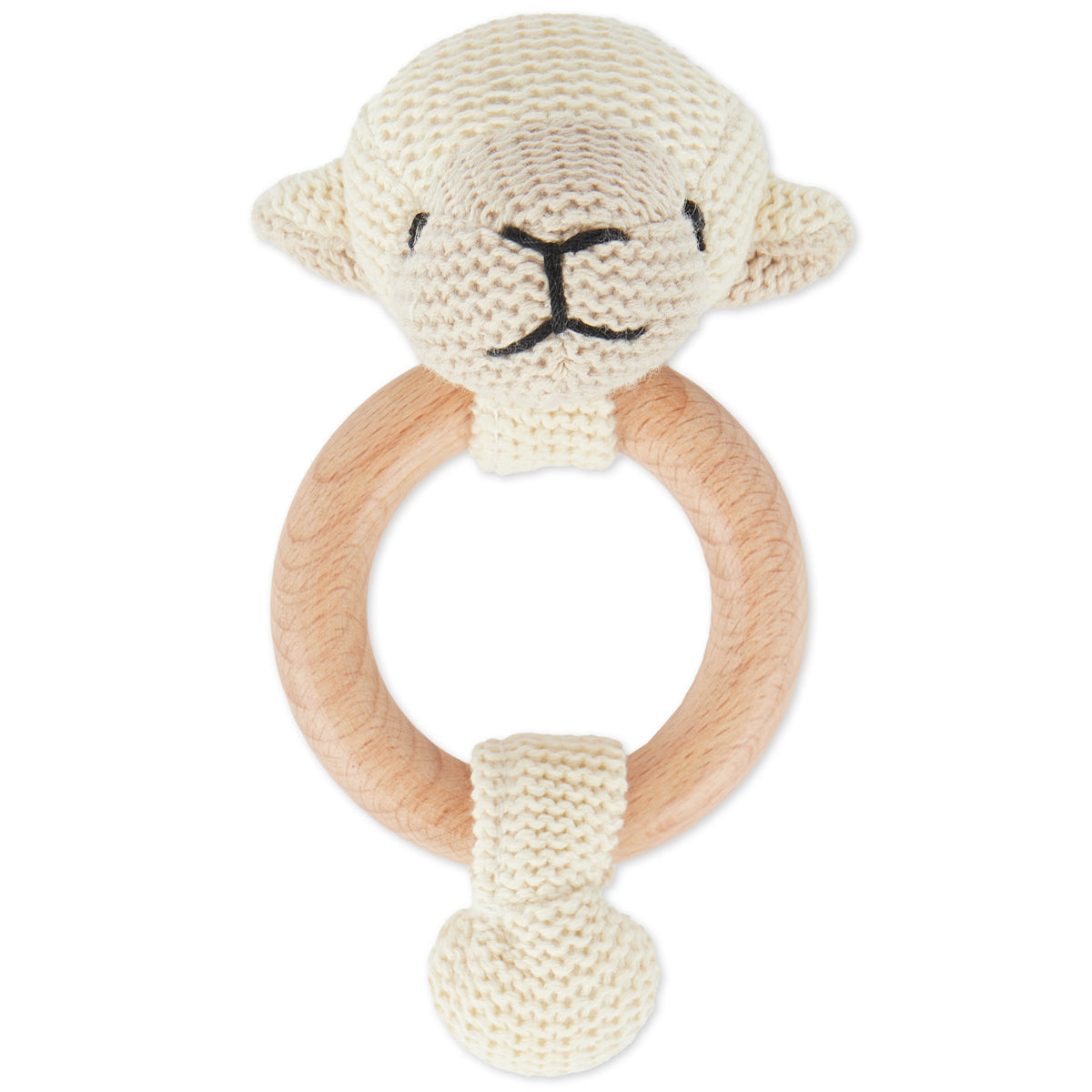


recently viewed
Children's toys are toys that safely invite kids to explore, move and play pretend – matched to their age and abilities.
If you've landed here, you usually don't want “more stuff,” but toys that actually get used in your home – indoors, outdoors and (yes) in the bathtub too. And because a collection page shouldn't read like an encyclopedia: we keep it short, practical and quotable. Important upfront: this collection is currently under construction – until it's full, you'll find reliable subcategories below to click straight through.
Quick answer for Google & for you: Children's toys should be age-appropriate, carry clear warnings and be easy to clean in everyday life. CE marking is mandatory in the EU but is not an independent test mark; independent marks such as GS are an added plus, as the Verbraucherzentrale (German consumer advice centre) explains (Verbraucherzentrale). For outdoors, durability counts; for the bath, quick drying – then it stays nice for longer.
- Age: “3 and up” often means small parts – be especially strict for children under 3.
- Safety: CE is mandatory; GS means independent testing (Verbraucherzentrale).
- Outdoor: Easy to grip, sturdy, easy to wash off – sand is an honest stress test.
- Bathtub: Empty out after bathing and let dry openly – that saves you trouble.
The most important points at a glance
- Age recommendations are a safety notice, not decorative text. Especially with small parts, a second look is worth it.
- CE is mandatory, but it is not a test mark. Independent seals such as GS are an added plus (Verbraucherzentrale).
- For the bathtub, what counts: let it dry openly. That helps against “musty” smells and extends the fun.
- Outdoors, what works is what's sturdy and washable. Garden, balcony and beach are unforgiving.
- A few long-term favourites beat shelf fillers. Rotating toys is often more relaxed than “everything at once.”
This collection is under construction – but you can already find suitable paths here
When a collection is still empty, it (rightly) feels like “So now what?” for you. That's why: click through the subcategories straight to matching play ideas. That way you don't end up nowhere, but at a range you can use right away – depending on age, material or place of use.
- Wooden toys – for building, rolling, puzzling and quiet play moments.
- Rattles and teething rings – when grasping and chewing are a full-time job.
- Stroller toys – for on the go, when “just a quick shopping trip” turns into a longer one again.
- Bath toys – for children's toys for the bathtub (and fewer arguments at bath time).
- Sand toys – for kids' beach toys, digging and “Look, a volcano!”
- Gift ideas – when you want to buy children's toys but don't want to ponder forever.
Which children's toys suit which age? (Mini cheat sheet)
The best guide is not “what's trending right now,” but: What can your child already do – and what is safe? Age ranges help, but the child sets the pace. For a deeper dive (with more examples) we have dedicated guides – here we deliberately keep it compact.
Children's toys for 6 months: Grasping, feeling, rattling – ideally without small parts and easy to clean.
Toys for 1-year-olds: Pushing, pulling, stacking – things that shout “I can do it!” without everything tipping over right away.
Toys for 3-year-olds: Role play, first puzzles, building – now stories come into their heads and into your home.
Children's toys for ages 4 and up: More rules, more fine motor skills, more “I'll do it myself” – happily with building and construction ideas.
Explained in detail by developmental stage in our guide: Children's toys by age: The best recommendations for every stage of development.
Safety & marks: CE, GS and what standards like EN 71 have to do with it
You don't have to be a testing lab – but a few basics will save you from bad purchases. CE has to be on it; GS is a voluntary extra with independent testing. According to the Verbraucherzentrale, CE is a manufacturer's declaration and not an independent test mark; the GS mark is awarded by independent bodies (Verbraucherzentrale).
And yes: behind “safety” there is also standards craftsmanship. The EN 71 series (“Safety of toys”) specifies requirements – for example, DIN EN 71-3 covers the migration of certain elements from toy materials, i.e. the release of substances such as lead or mercury, as DIN explains (DIN).
If you'd like a “reality-check” source: Stiftung Warentest (German consumer testing foundation) also advises looking out for test seals, because the CE mark alone says little (Stiftung Warentest).
Material & everyday life: wood, textile, plastic – what suits when?
Material is not “good” or “bad” – it has to fit your everyday life. A warning sign is a strong, unusual smell or a sticky surface. Stiftung Warentest recommends checking toys with all your senses (smell, rub, pull, wiggle) and leaving them on the shelf if anything seems off (Stiftung Warentest).
- Wood: often easy to grip, “calm” in look, good for indoors – always dry it well after wiping.
- Textile: cuddly, but it should be washable; a look at the label is your best friend.
- Plastic: practical for water/sand; just rinse briefly after play, done.
And if you get stuck on the topic of “plasticisers”: the BfR (German Federal Institute for Risk Assessment) explains that phthalates are now banned or strictly regulated in many products and that they can be released from materials (BfR). That's no reason to panic – rather a reason to buy from reputable providers and look for clear information.
OEKO-TEX STANDARD 100 can provide guidance for textiles. OEKO-TEX describes that STANDARD 100 tests against a list of over 1,000 harmful substances and that product class 1 (babies/toddlers up to 3 years) has the strictest limit values (OEKO-TEX).
Comparison table: Which type of toy for what?
If you just want to decide quickly: place of use + cleaning + age are often enough. The best choice is the one you enjoy using and care for well.
One more small matrix: age × place (so it clicks quickly)
This is not a rulebook, more of a friendly cheat sheet. If it fits, it fits – and if not, it gets swapped.
Bathtub, balcony, garden: small rules, big peace
For children's toys for the bathtub, the rule is: empty out after bathing, rinse briefly, let dry openly. Drying openly is the simplest hygiene routine. It sounds trivial, but it makes the difference between “always a joy” and “musty after two weeks.”
For children's toys for outdoors (and outdoor toys for kids), a simple rule helps: what you can't get clean with a damp cloth is rarely loved at your home. Outdoor toys for kids don't have to be perfect, just practical. You'll find more ideas here: Outdoor and garden toys for children: Fun and exercise in the open air and for the tub here: Bathtub toys for children: The best ideas for bath fun.
And if you're looking for active play toys for kids indoors: A “play zone” saves arguments. A rug as a road, a basket for balls, a fixed spot for the push toy – it sounds like grandma's advice, but it works surprisingly often.
Themed worlds & gifts: nursery, farm, doctor – and yes, “brands” too
Role play is often the secret engine in a child's mind: imitating, trying things out, being brave. Role-play toys are practising everyday life – just with more laughter. Whether nursery toys, farm toys for kids, doctor toys for kids or horse toys for kids: above all, pay attention to safe part sizes and a good grip.
Some people search very specifically for a brand reference – for example “Bosch toys for kids” – others simply want a coherent set, such as a horse farm toy set. What matters is not the name, but that quality of workmanship and age suitability fit. We've collected ideas and examples in: Themed worlds: Nursery, farm and doctor toys for children.
Buying children's toys online vs. children's toy shop: pros & cons
Both have their moments – and both ways are fine. Online is convenient; in a shop you immediately see the feel and quality of workmanship. Stiftung Warentest also recommends paying attention to the manufacturer's name and contact address when buying (Stiftung Warentest).
- Pro online shops for children's toys: Read, compare and order in peace – especially in the evening, when it's finally quiet.
- Con online: You need to do a quick check after delivery (smell, edges, loose parts).
- Pro children's toy shop: Touch, test, take it with you right away – ideal for a spontaneous gift.
- Con shop: With a child, “just a quick look” sometimes becomes… let's say: challenging.
And because the topic matters right now: the Verbraucherzentrale reports that of more than 100 toys bought online, over 80% did not meet the legal safety requirements in Europe (Verbraucherzentrale). That's a good reason to buy from reputable retailers with clear information.
Tips on buying children's toys, children's toy sales and what to look out for when buying online can be found here: Buying children's toys: Tips, online shops and current sales.
A few clear terms (so you don't stumble while browsing)
Toys for kids are “good” when they match the child's abilities. They may challenge, but not frustrate – and they must be safely made.
Children's toys for the bathtub should dry openly after bathing. That keeps them more hygienic and they don't smell like “forgotten in the net.”
Outdoor toys for kids are designed for weather, movement and rough use. They are usually easier to grip and designed for quick cleaning.
Children's toys for screwing make it possible to play “like the grown-ups.” In play, it trains patience, hands and brainpower – without you having to look for real screws.
Children's toy catalogues are handy for gift lists. A nursery toy catalogue often helps when several people want to chip in together.
FAQ
What are children's toys and what should you look for when buying?
Children's toys are toys that children can use in an age-appropriate way and that must be safe under normal use. Look for the age recommendation, warnings and clean workmanship. CE is mandatory but not an independent test mark; the Verbraucherzentrale additionally recommends looking for independent test seals such as GS (Verbraucherzentrale).
Which toys are suitable for which age?
Go by what your child can already do – plus the age recommendation and small-parts warning. For children under 3, swallowable small parts are especially critical. For a detailed overview by developmental stage, see our guide: Children's toys by age. That way you'll find toys that really fit more quickly.
Are there special toys for outdoors or the bathtub?
Yes, and that makes sense, because outdoors and the bathtub have different requirements. Outdoors, durability counts; in the bath, quick drying. After bathing it helps to rinse, empty out and let dry openly. You'll find ideas in our guides: Outdoor and garden toys and Bathtub toys.
Is the CE mark on toys a test mark?
No, CE is not an independent test mark, but a manufacturer's declaration. CE is mandatory, but it does not replace independent testing. The Verbraucherzentrale explains that the GS mark is a voluntary test mark awarded by independent bodies (Verbraucherzentrale). If both are present: all the better.
How can I recognise good toys when ordering online?
Good toys come with clear information on age, material and warnings – and look cleanly made. After delivery, do a quick check: smell, edges, seams, loose parts. Stiftung Warentest recommends exactly this “sniff, rub, pull, wiggle” as an everyday check (Stiftung Warentest).
How many toys does a child really need?
A few well-fitting toys are usually enough – and a bit of rotation works wonders. A small core of favourite toys is often enough. It's practical to cover different types of play (building, rolling, creative, role play) rather than ten variations of the same thing. And don't worry: at the beginning, “one more” will still be added.
Are there children's toys for girls – or is that nonsense?
Many children have preferences, but toys don't have to be put in boxes. More important than “for girls” is: does it match their interests? Horse toys, farm or doctor toys can be exciting for everyone. Rather, pay attention to age, safe part sizes and that your child can grip it well.
What matters with textile toys such as soft toys?
What matters is washability, clean seams and workmanship where nothing comes loose easily. Seals can provide guidance, but they don't replace a look at the label. OEKO-TEX describes that STANDARD 100 tests textiles for over 1,000 harmful substances and that product class 1 (up to 3 years) has the strictest requirements (OEKO-TEX).
About this page
This page was created by the BIECO editorial team (a family business from Hamburg, in the toy business for 66 years). We combine everyday experience with sources from authorities and testing institutes. Last updated on 10.02.2026. For safety basics we use, among others, the Verbraucherzentrale, DIN information on EN 71 and independent assessments from Stiftung Warentest.
If you want to browse now: it's best to start with Wooden toys, Bath toys or Sand toys. And if it has to be quick: take whatever you can easily get clean. In real life, that's often the best decision.
By Ulli & Flo · Owners & parents More about us ↓

About this page
Ulli & Flo
Owners of bieco · Hamburg · parents ourselves
We'll be honest: if children's toys wipe clean quickly, the chances go up that they'll really be loved at your place. And if the collection looks empty right now – just take the shortcut via the subcategories, it saves your nerves.