
Wooden Baby Rattle
Sort by
3 products
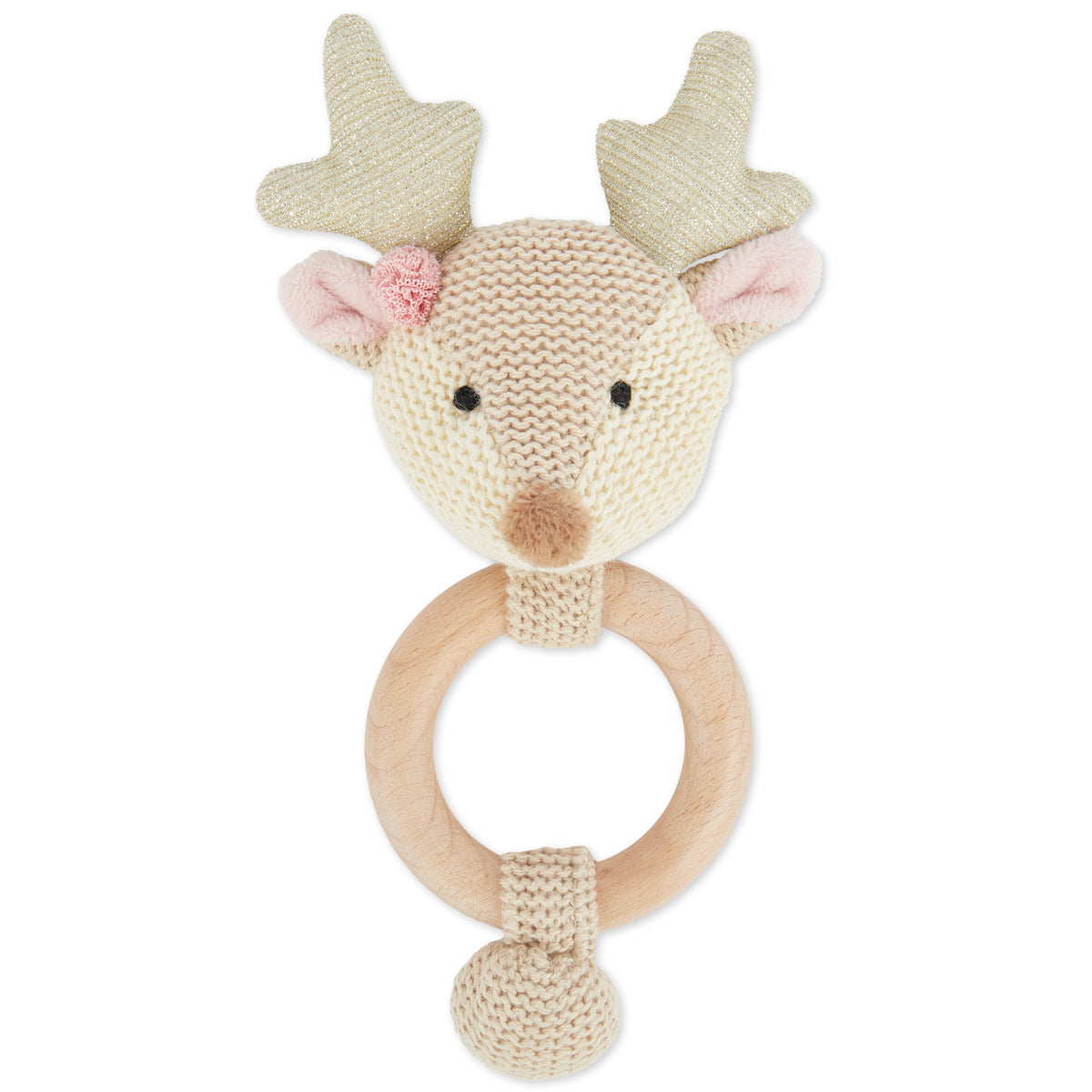
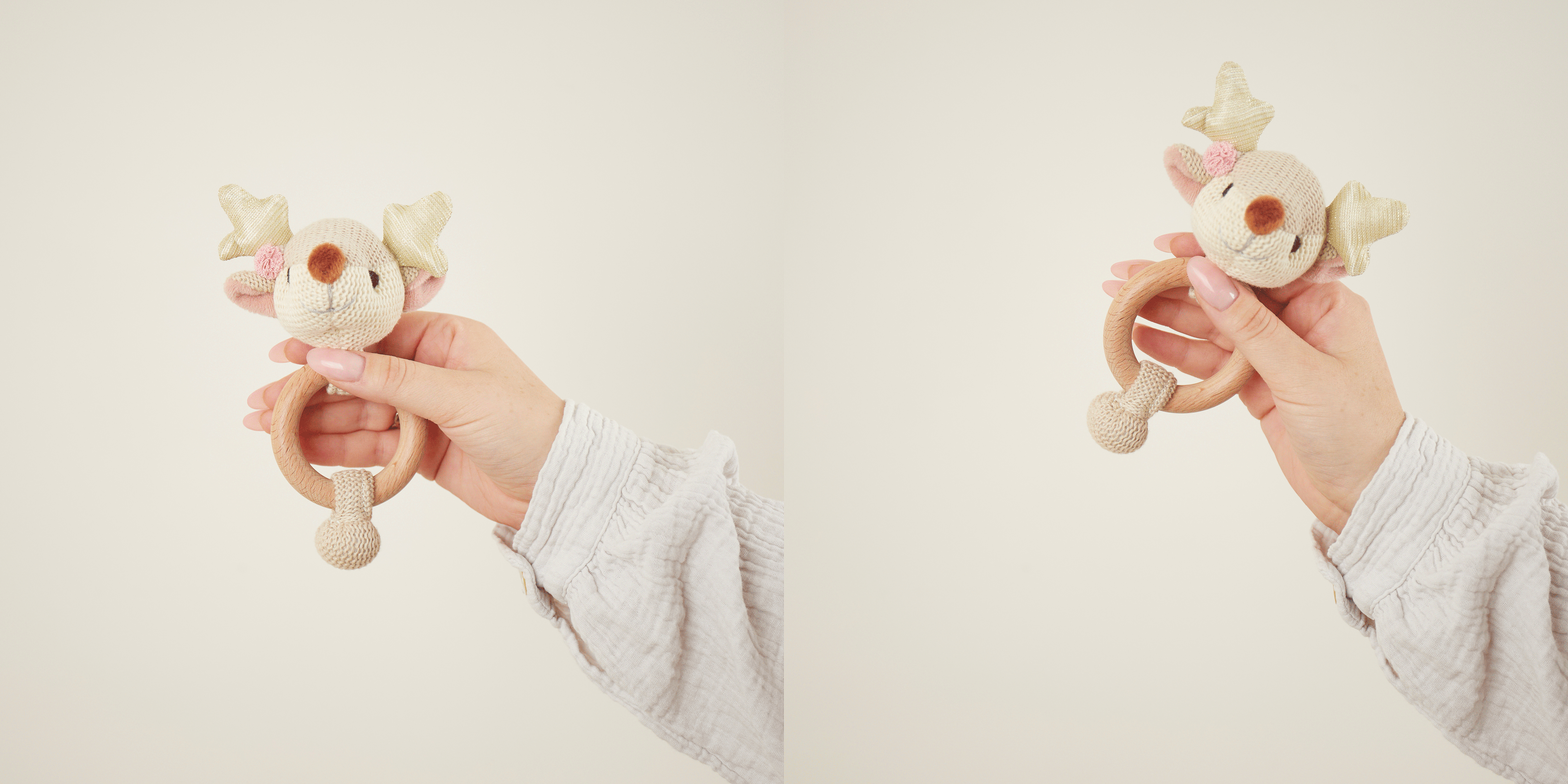
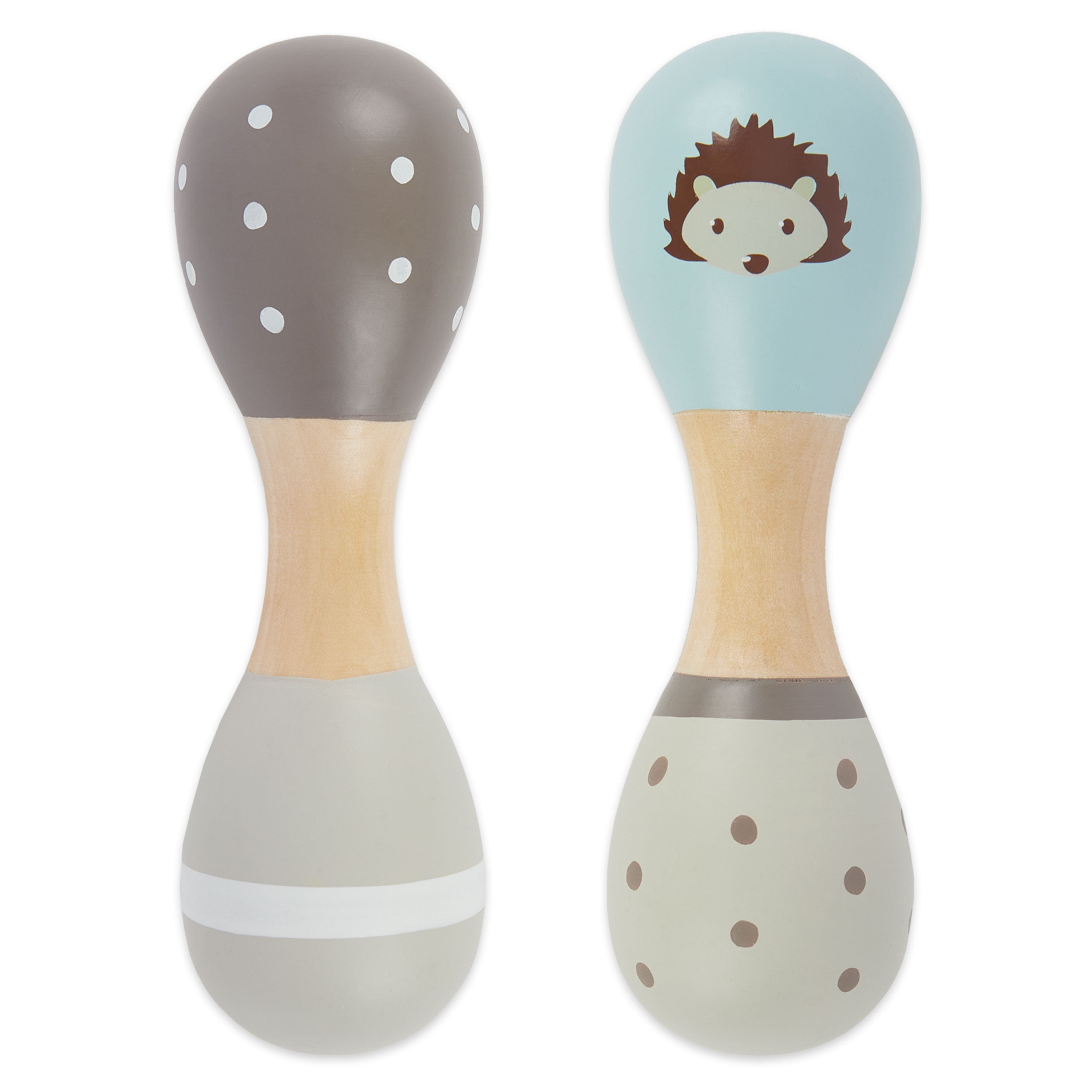
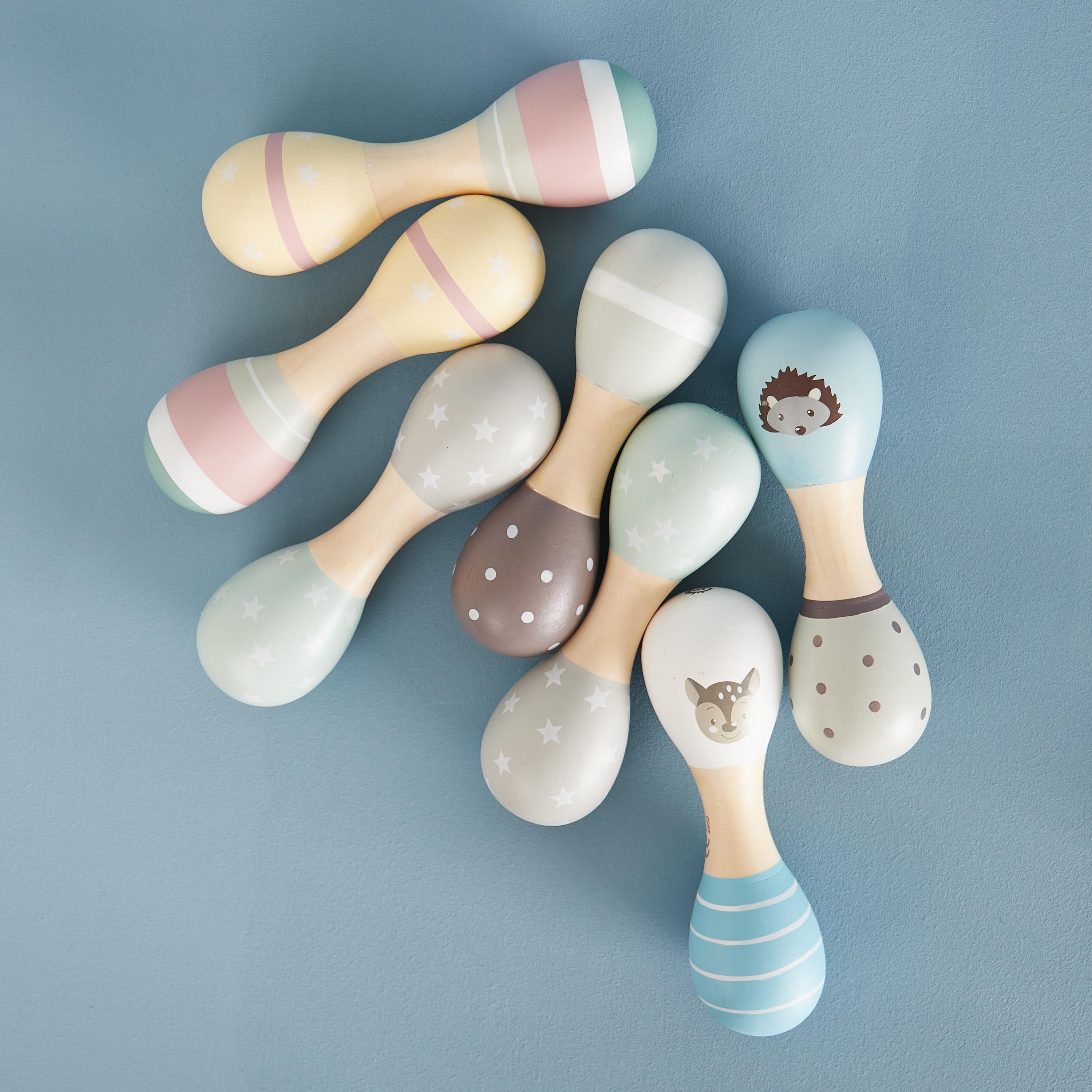
recently viewed
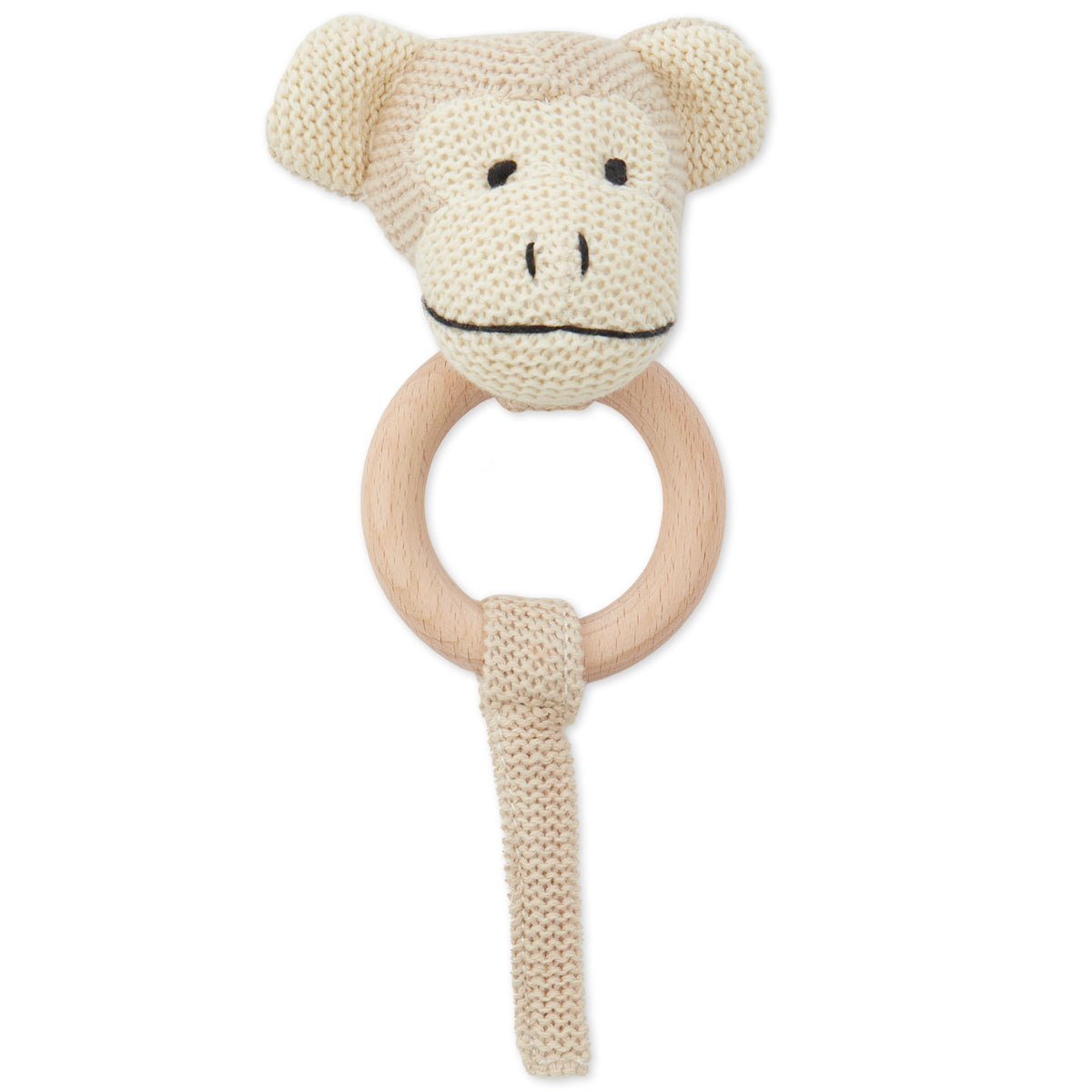
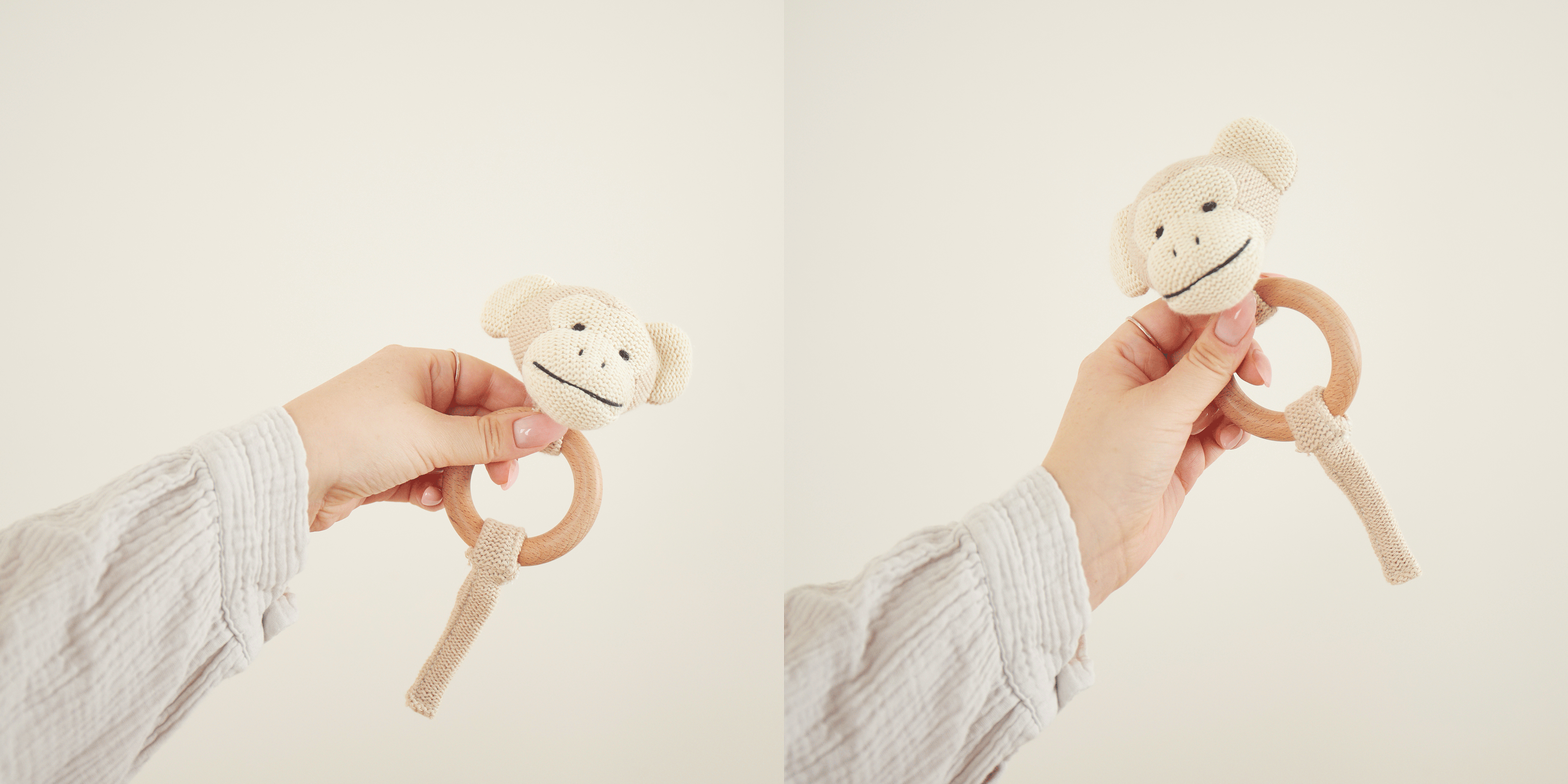
A wooden baby rattle is a first grasping and listening toy that invites babies to hold, shake and explore with its gentle sound. Wood feels calm, sits comfortably in the hand and fits into any daily routine. This page is worth having because with wooden rattles, feel, workmanship and an easy-care surface matter a lot – and because many parents are deliberately looking for wooden baby toys.
An important note up front, no drama: if this collection happens to be empty (for now), you won't end up with nothing. In the big overview you'll find all rattles & teethers to keep browsing. Just head straight to our hub: Rattles and Teethers.
Quick & helpful: What you want to know right away about a wooden rattle
- What is it? A wooden rattle is a grasping toy that makes a light sound when moved and encourages babies to experiment.
- From what age can babies have a rattle? Once your baby starts to grasp and hold on purposefully, it gets exciting – many start within the first few months (every child at their own pace).
- What to look out for? Smooth edges, nothing may wobble or come off; with varnished wood, the coating should comply with the toy standard.
- Cleaning? Wipe briefly with a damp cloth and dry well – wood doesn't like being wet for hours.
- Safety? CE marking is a must for toys in the EU; however, the German consumer advice centre stresses that CE is not a test mark but a manufacturer's declaration. (Verbraucherzentrale)
Wooden rattle, wooden baby grasping toy or rattle teether – what suits you?
The best choice is the model your baby can grasp easily – and that you can keep clean without much effort. To start with, simple shapes are often the most relaxed choice. A wooden grasping toy can absolutely be “simple”: babies are first practising holding on, turning, passing from hand to hand (and yes – dropping things is unfortunately part of the training, too).
One sentence to remember: Slim bars or rings are often easier to grasp than very wide shapes. If your child already likes to “re-grip”, models with several elements are interesting – then a plain wooden baby rattle quickly becomes a little motor skills toy.
And two more short, quotable explanations:
- Grasping rattle: Rattle teether means: easy to hold, plus a soft sound stimulus – and you have a favourite toy for in between.
- Saliva-resistant: In everyday life, saliva-resistant means: the surface should not bleed colour when chewed on and should wipe clean easily.
Wood types & surface: beech, maple – and why it matters at all
With wooden toys you often come across terms like beech wood or maple wood – and that's not just decoration for the label. What matters is that the wood is cleanly finished and has no chance of splintering. Beech and maple are often used for toys because they are considered hardwoods and can be worked to a smooth finish (still: wood remains a natural material, so run your hand over it briefly every now and then).
When you read “free of harmful substances”: in everyday use this is usually meant as a wish, not as a measurable guarantee. More practical: look for good workmanship, traceable labelling and reputable sellers. For wooden toys, the German consumer advice centre recommends, among other things, preferring untreated solid wood and states that if paints or varnishes are applied, they should comply with the toy standard DIN EN 71-3. (Verbraucherzentrale)
And if you also think about forests & origin when it comes to wood: FSC is a well-known label for more responsible forestry. FSC can be a good indicator if sustainable wood sources matter to you. The FSC explains that FSC certification is meant to help preserve forests in the long term and avoid deforestation. (FSC)
Safety without jargon: CE, EN 71-1/2/3 and “please, no small parts”
As a parent, what counts in the end is: nothing comes loose, nothing pricks, nothing bleeds colour – and the labelling is clear. For baby toys, mechanical stability is at least as important as chemistry. In the EU, the Toy Safety Directive 2009/48/EC applies to toys; the European Commission names risks such as mechanical/physical properties, flammability and chemical risks, among others. (European Commission)
A few concrete, reliable facts (so it's not just gut feeling): The European Commission lists limit values for 19 “heavy elements” in accessible toy parts. (European Commission) And: an EU decision on harmonised standards lists, among others, EN 71-1 (mechanical/physical properties), EN 71-2 (flammability) and EN 71-3 (migration of certain elements) as relevant standards in the context of the Toy Safety Directive. (EUR-Lex)
On the topic of “new EU rules” (briefly, promise): the European Commission states that the Toy Safety Regulation (EU) 2025/2509 enters into force on 1 January 2026 and is to apply from 1 August 2030. For everyday life this means: the EU requirements in force at any given time are what counts. (European Commission)
My pragmatic “doorframe check” for at home: If your thumb catches anywhere, your baby will definitely get caught there. So: feel the edges, pull on parts (gently but firmly), and if there are cracks or splinters, rather sort it out without hesitation.
Everyday care: keeping a wooden rattle clean (without bathing it)
Wood is easy to care for if you keep it short and simple. Wipe with a damp cloth, rub dry, done – that's usually the best routine. Soaking for a long time or using the dishwasher can make wood swell or promote cracks; for wood in the household, hand cleaning is often recommended. (Verbraucherzentrale)
- After meals: a quick wipe with a damp cloth, then dry.
- If it's sticky: lukewarm water, mild dish soap, dry promptly.
- If it gets rough: better to replace it – babies love chewing exactly there.
And yes: don't worry, at the beginning things constantly end up on the floor. All that matters is: check briefly, then carry on calmly.
BIECO & suitable alternatives if you want to keep browsing
BIECO is a family business from Hamburg – for 66 years – with a fondness for clear Scandi design. We like toys that work in everyday life and not just for the photo. If you're still looking for alternatives around wooden baby rattle (e.g. softer, washable or for on the go), these categories are often good next steps.
- More wood: Wooden toys
- On the go: Stroller toys
- Next developmental step: Play gyms
- When they get bigger: Push walkers
And if you just want “find a rattle, done” right now: In the parent hub you'll see all variants in one place. This way: Rattles and Teethers.
Pros & cons: wooden baby rattle in real life
Wood is a great choice – but as always: there is no perfect toy, only the right one. If you know where wood is strong, you'll shop with more peace of mind.
- Pro: Pleasant feel, often durable, visually calm.
- Pro: Quick to keep clean (wipe, dry).
- Con: Not for constant contact with water (bathtub/dishwasher).
- Con: With cracks/splinters, better to replace it rather than “it'll do”.
FAQ
Are wooden baby rattles safe for babies?
Yes, if they are well made and nothing can come off. Smooth edges, sturdy parts and clear labelling are the be-all and end-all. The German consumer advice centre advises checking toys with all your senses (smell, edges, colour bleeding) and cites, among other things, DIN EN 71-3 for paints/varnishes on wooden toys. (Verbraucherzentrale)
From what age does a rattle make sense for babies?
Once your baby starts to grasp purposefully and hold on to things, a rattle becomes interesting. It's less about “playing” – more about practising grasping, hearing and cause and effect. More detail (with developmental steps) in our guide: From what age does a rattle make sense for babies? Development & tips.
How do I clean a wooden rattle properly?
Wipe with a damp cloth, then let it dry well – that's usually enough. Wood likes it quick and thorough, not wet for long. For wood in the household, the German consumer advice centre likewise points out that the dishwasher is often not a good idea. (Verbraucherzentrale)
What does “saliva-resistant” mean for wooden baby toys?
In everyday terms it means: the surface should not bleed colour when chewed on and should be easy to clean. If varnish or paint is applied, what matters most is that it is suitable for toys. As a guideline for treated wooden toys, the German consumer advice centre cites the toy standard DIN EN 71-3. (Verbraucherzentrale)
If you now want to see specifically what's currently available: open the collection – and if it happens to be empty, take the short detour via our overview. That way you get straight to suitable rattles without searching. Here is the hub link once more: Rattles and Teethers.
By Ulli & Flo · Owners & parents More about us ↓

About this page
Ulli & Flo
Owners of bieco · Hamburg · parents ourselves
We like wooden rattles especially for the "five minutes of calm" moments: grab, shake, marvel, with no fuss. And honestly: if you can wipe it clean with a cloth, that's already half the battle in everyday life.