
Play Tunnels
Sort by
3 products


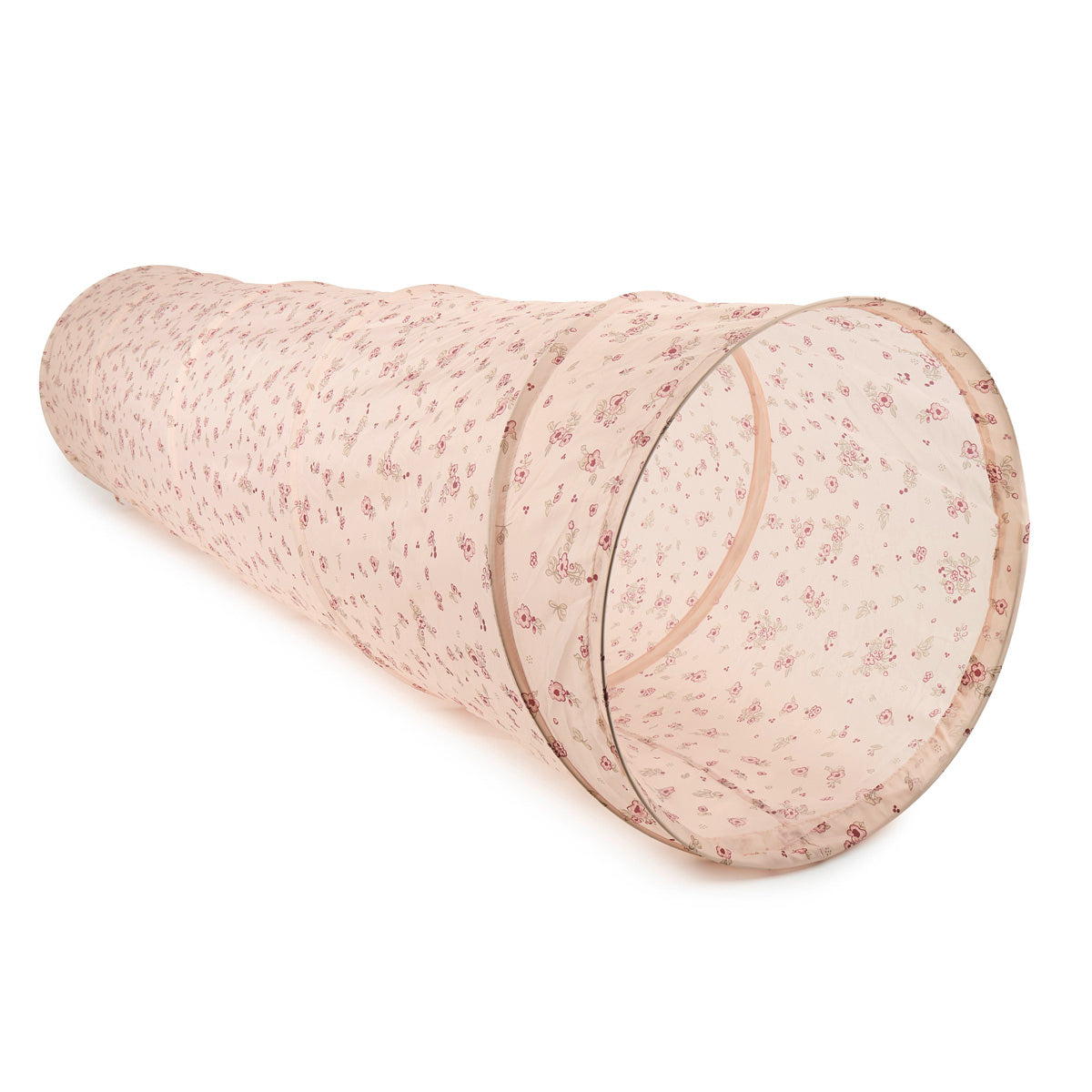
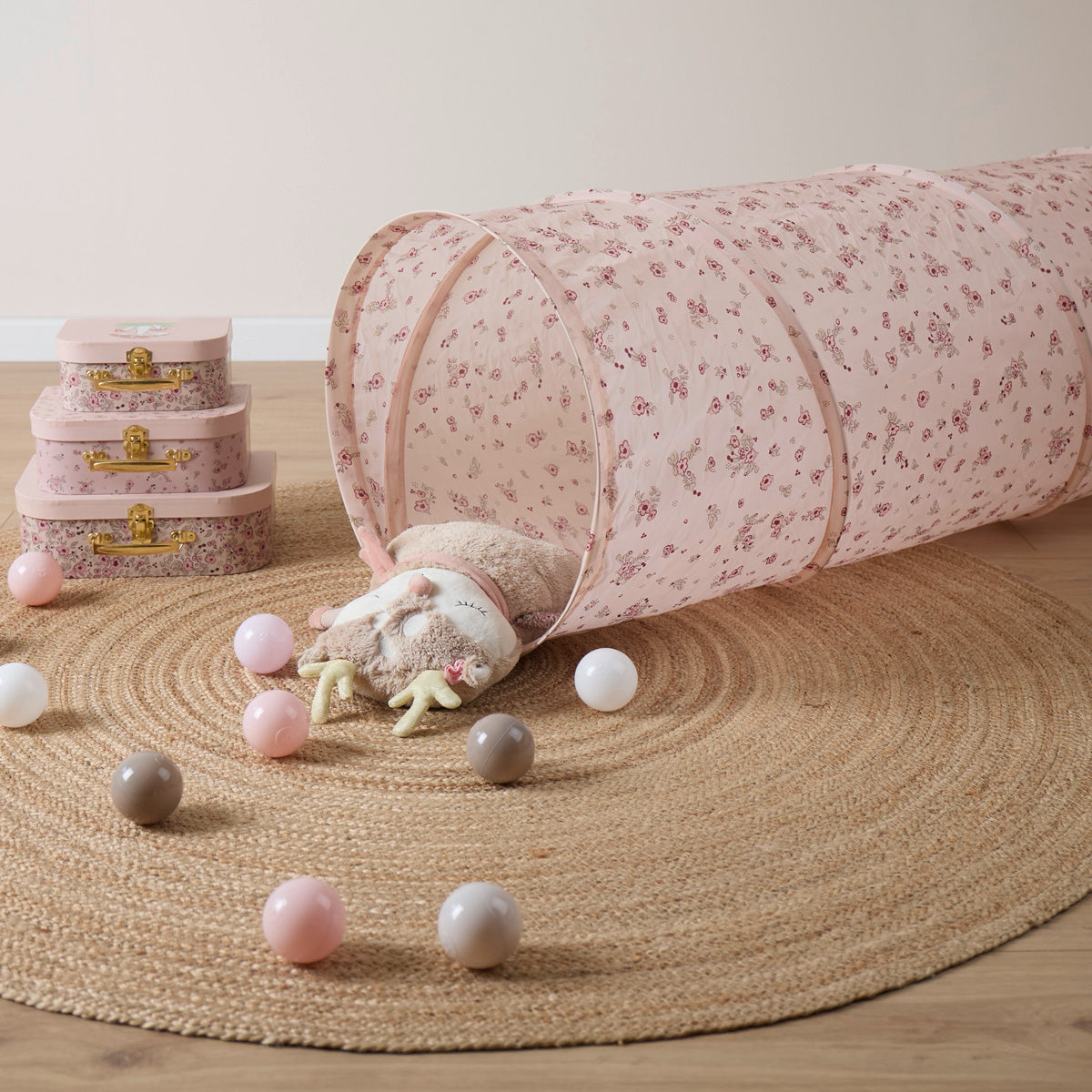
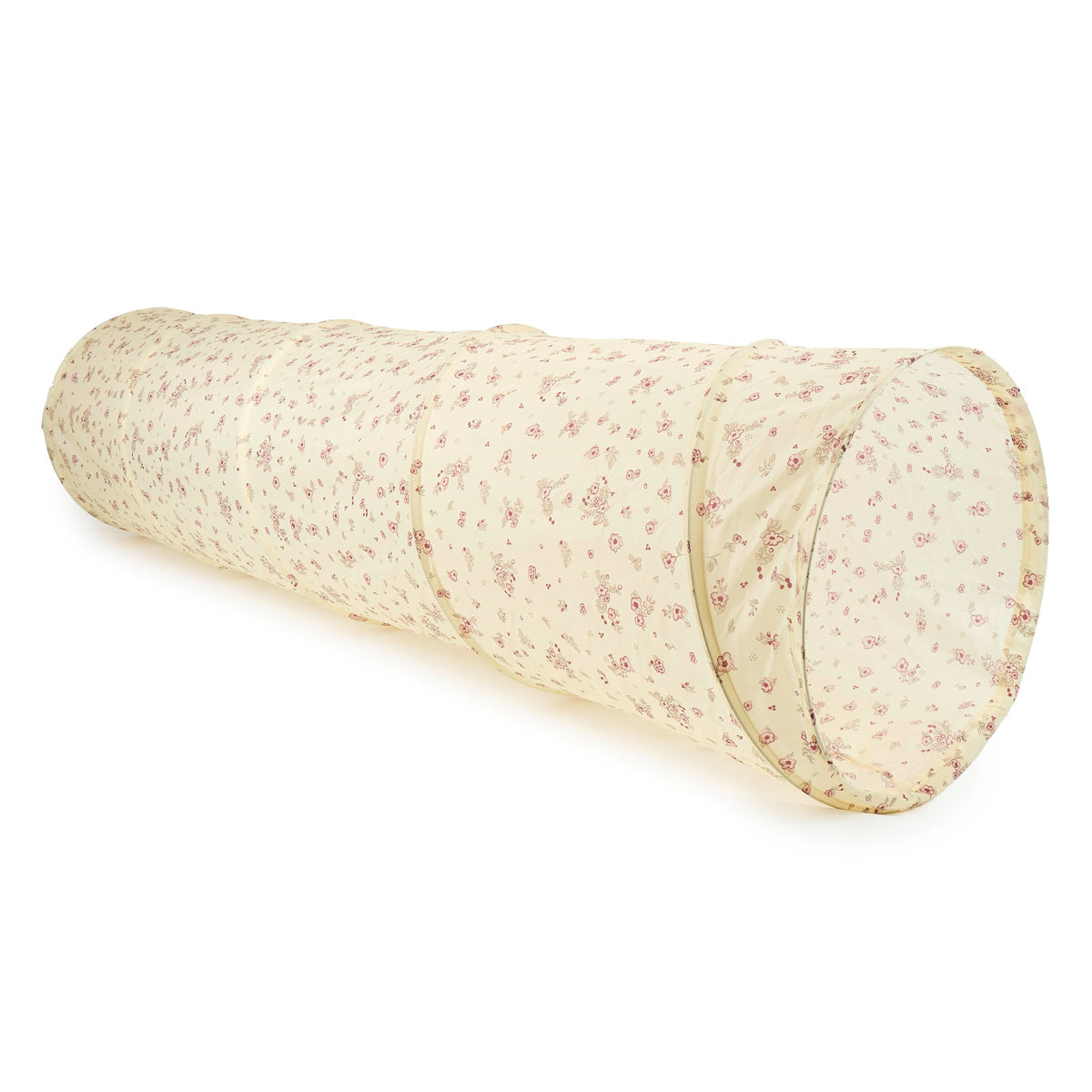
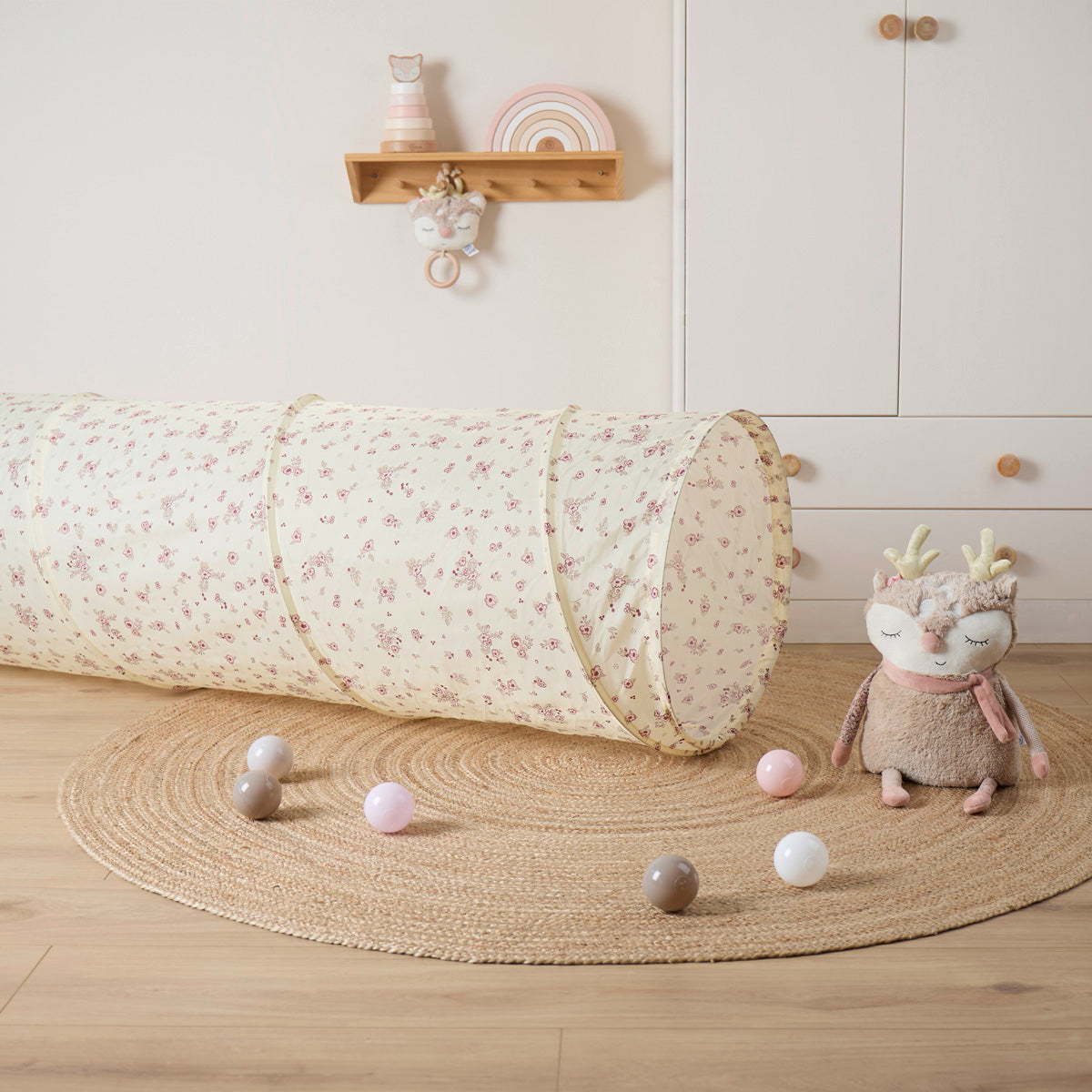
recently viewed
A play tunnel (crawling tunnel) is a lightweight tunnel for crawling through, hiding and dashing around. It brings movement into the nursery without you having to rearrange half the living room first. When buying, pay particular attention to a suitable size (length/Ø), clean workmanship and a solution you will actually enjoy setting up and taking down.
If you want it quick, a foldable pop-up play tunnel is often the most relaxed choice. Unfold it, put it down, off you go – and store it flat again after playtime. Especially for an indoor play tunnel, that is worth its weight in gold, because it doesn't stand in the way permanently.
Quick links: jump straight to what you need right now. Products | Size | Safety | Care | FAQ
The most important points at a glance
- A pop-up crawling tunnel is set up in seconds and quickly stowed away.
- For the nursery, smooth seams and a stable stand matter.
- The right Ø is the one where your child can turn around comfortably.
- CE marking is mandatory for toys – it is the manufacturer's declaration.
- Wipe it down, let it dry, give it a quick check – that keeps it practical for everyday use.
Our play tunnels at BIECO: three designs, one principle
At BIECO you will find pop-up play tunnels that are quickly ready to play. You can browse right here – and if you just want to “take a quick look”: click through once, and you will know right away which design suits you.
Mini CTA for those in a hurry: view and compare all play tunnels. To the play tunnel collection
Product table: a quick comparison (no guesswork)
The most important product data is most reliably found on the respective product page. If you are looking for dimensions, material or recommended age: here is the quick overview with a link – then just click over for the details.
Which size fits? (Length, Ø – and how much space you really have)
A play tunnel is “right” when your child can get through comfortably and turn around. For small rooms, shorter models are often the better choice because they get set up more often. And to be honest: a tunnel that is used briefly every day beats the giant tunnel that gets its turn “sometime”.
A crawling tunnel becomes a crawling tube as soon as children pick up speed. Then it is worth checking whether the tunnel slides on smooth floors – a rug or a non-slip mat often makes things more relaxed.
A crawl tunnel is ideal when your child is just discovering commando crawling and crawling. From what age it fits is less a number than a developmental thing: as soon as your child gets forward on their own, it usually becomes exciting.
If you want a quick match: little space → rather pop-up; more space → feel free to go longer. And if you are torn between two designs: choose the one you like seeing in the nursery – it surprisingly increases the chance that it will really be used.
Fabric, pop-up, combination: what suits when?
Pop-up is practical, classic shape-stable is often sturdy – both have their days. Here is a small comparison so you can get a feel for it faster:
Safety & labelling: short, clear, no drama
For toys, CE marking is mandatory in the EU – and it is a manufacturer's declaration. According to “Your Europe”, the CE marking shows that the manufacturer meets the EU requirements, and there is no central EU body that issues a “CE certificate” for it (Your Europe, CE marking; as of: 09.01.2026: Source).
The DIN EN 71 series of standards is an important technical compass for toy safety. DIN describes DIN EN 71 as the European series of standards “Safety of toys” and names, among other things, mechanical/physical requirements and flammability as topic areas (DIN, “Clear requirements for safe toys”: Source).
For parents, what counts in everyday life: no loose parts, no sharp edges, clean seams. When buying toys, the BZgA points out risks such as strangulation/suffocation, among others, and refers to DIN EN 71 as well as the mandatory CE marking (BZgA, buying toys: Source).
And yes: supervision is not about control, but simply a good start. Especially in the beginning, children like to “test” things – and you quickly see whether something chafes, slips or gets tangled in an unfortunate way.
Harmful substances & seals: guidance, not magic
OEKO-TEX STANDARD 100 is a label for textiles tested for harmful substances. OEKO-TEX explains that every certified item is tested against a list of over 1,000 substances, and that product class 1 for babies and children up to 3 years has the strictest requirements (OEKO-TEX, STANDARD 100: Source).
The CE mark is not an independent test seal – that is a common misconception. The Verbraucherzentrale (German consumer advice centre) stresses that CE is a manufacturer's declaration and names the GS mark as a possible point of orientation (Verbraucherzentrale, toys without harmful substances: Source).
Care: how to keep the play tunnel nursery-ready
The easiest way: shake out the crumbs, wipe with a damp cloth, let it dry completely. Especially with an indoor play tunnel, “snack archaeology” otherwise quickly builds up in the corners. For everything else: a quick look at the label is the most reliable.
An outdoor play tunnel works too – if you dry it well afterwards. On dry grass or a patio this is usually uncomplicated, in sand it quickly gets gritty. And back into the nursery while damp? That tends to backfire with a “musty” smell.
Pros & cons: honest from everyday family life
A play tunnel is loved quickly – and sometimes just as quickly in the way. So that you are not surprised:
- Pro: Movement in a small space – ideal for the nursery.
- Pro: Role play starts immediately (“cave”, “train”, “secret passage”).
- Pro: Pop-up saves time – unfold, done.
- Con: On smooth floors it can slide (a rug often helps).
- Con: Some children need two or three attempts. (Totally normal.)
Play ideas that work without a craft box
A play tunnel is the perfect stage for “I'll do it myself!” games. Two cushions are often enough. If you want more ideas (plus a small safety checklist): our guide covers it in detail – without blowing up the collection text here.
You can find more in our guide on play tunnels for children. Play tunnels for children: benefits, safety & play ideas
FAQ about play tunnels
What is a play tunnel and what is it used for?
A play tunnel is a crawling tunnel for crawling through, hiding and moving around. It fits in the nursery, works indoors as well as outdoors (on a dry surface) and makes role play easy. More detail – with play ideas and variations – in our guide: Play tunnels for children: benefits, safety & play ideas.
Are play tunnels safe for babies and children?
Play tunnels are safe when age, workmanship and supervision fit together. Look for sturdy seams, no loose parts and clear warning notices. When buying toys, the BZgA names risks such as strangulation/suffocation, among others, and refers to DIN EN 71 as well as CE (BZgA, buying toys: Source).
Play tunnel from what age – is there a rule of thumb?
A play tunnel usually becomes exciting from the crawling stage, not from a fixed month. As soon as your child shuffles or crawls and likes to “go exploring”, a crawl tunnel often fits well. The age recommendation on the product remains decisive – and in the beginning, simply stay nearby.
What is the difference between a crawling tunnel, a crawling tube and a crawl tunnel?
In everyday use, all three terms mean the same thing: a tunnel for crawling through. Some say “crawling tube” when the tunnel looks particularly round and “tube-like”. The word matters less than the size and workmanship – so that your child can get through comfortably.
Indoor play tunnel: what helps if it slides or tips over?
A rug or a non-slip mat often makes a play tunnel noticeably steadier. On smooth floors, a lightweight pop-up crawling tunnel can move around when children dash through. At first, place it so that it does not point directly at furniture edges, and do a quick “seams-and-rings check”.
How do you best clean a play tunnel?
Usually it is enough to wipe it with a damp cloth, let it dry well and air it out occasionally. Shake out the crumbs, use mild soapy water for stains – done. The most reliable approach is to check the label, because materials react differently. And yes: children manage to carry snacks into every corner.
How can I tell “good” toys when unpacking them?
Good toys look cleanly made, don't smell strongly and feel sturdy. The Verbraucherzentrale recommends checking with all your senses after delivery and reminds us that CE is not a test mark (Verbraucherzentrale, toys without harmful substances: Source).
Is a play tunnel a good gift?
Yes, a play tunnel is a gift that quickly gets turned into movement. It works without much accessories and suits families who need space indoors for little adventures. If you are unsure about the pattern: choose a calm design – it usually lasts longer. Alternatively: Gift ideas.
About this page
This collection text was written by the BIECO editorial team in Hamburg. We are BIECO, a family business for 66 years – and we write the way we would have wanted it ourselves: short, practical, no panic. For facts, we deliberately use official sources such as the BZgA and EU information on CE marking (Your Europe, CE marking; as of: 09.01.2026: Source).
Last updated on 10.02.2026. If rules or guidance change, we will update this guide section – so that you don't shop based on information from “back then”.
In conclusion: better used than perfect
The best play tunnel is the one that is in regular use at your home. Start simple: tunnel open, child in, done. If it goes well, you can add cushions, a blanket or a cuddly toy later. And if it gets ignored for a couple of days: don't worry – some adventures need a little run-up.
If you want to compare now: here is the way back to the overview. View all play tunnels
By Ulli & Flo · Owners & parents More about us ↓

About this page
Ulli & Flo
Owners of bieco · Hamburg · parents ourselves
We've found for ourselves that a play tunnel doesn't have to be perfect – it just has to go up quickly and get used happily. If it can go back flat in the corner after playing, that's already half the battle in everyday life.