
Comforter Blanket
Sort by
5 products


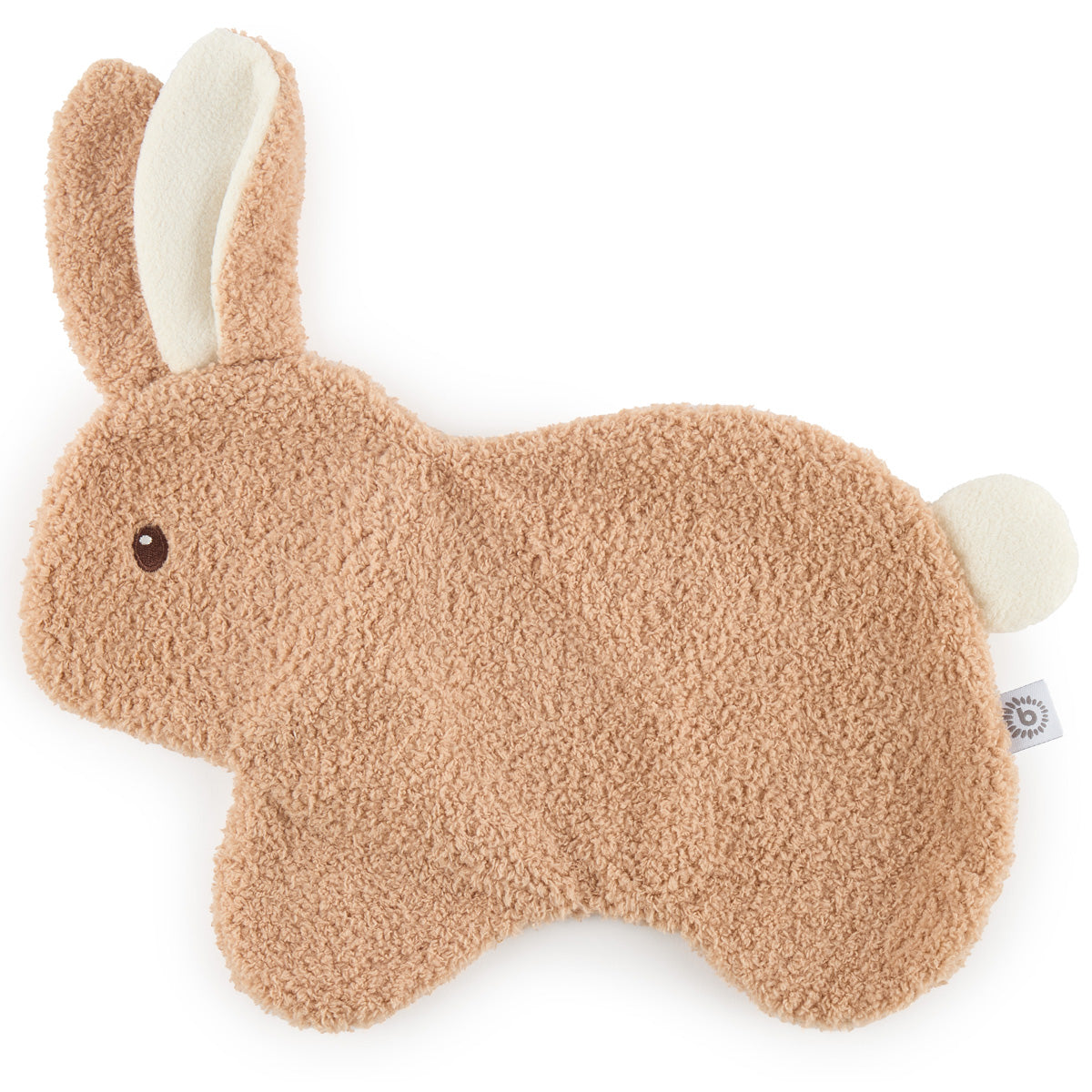
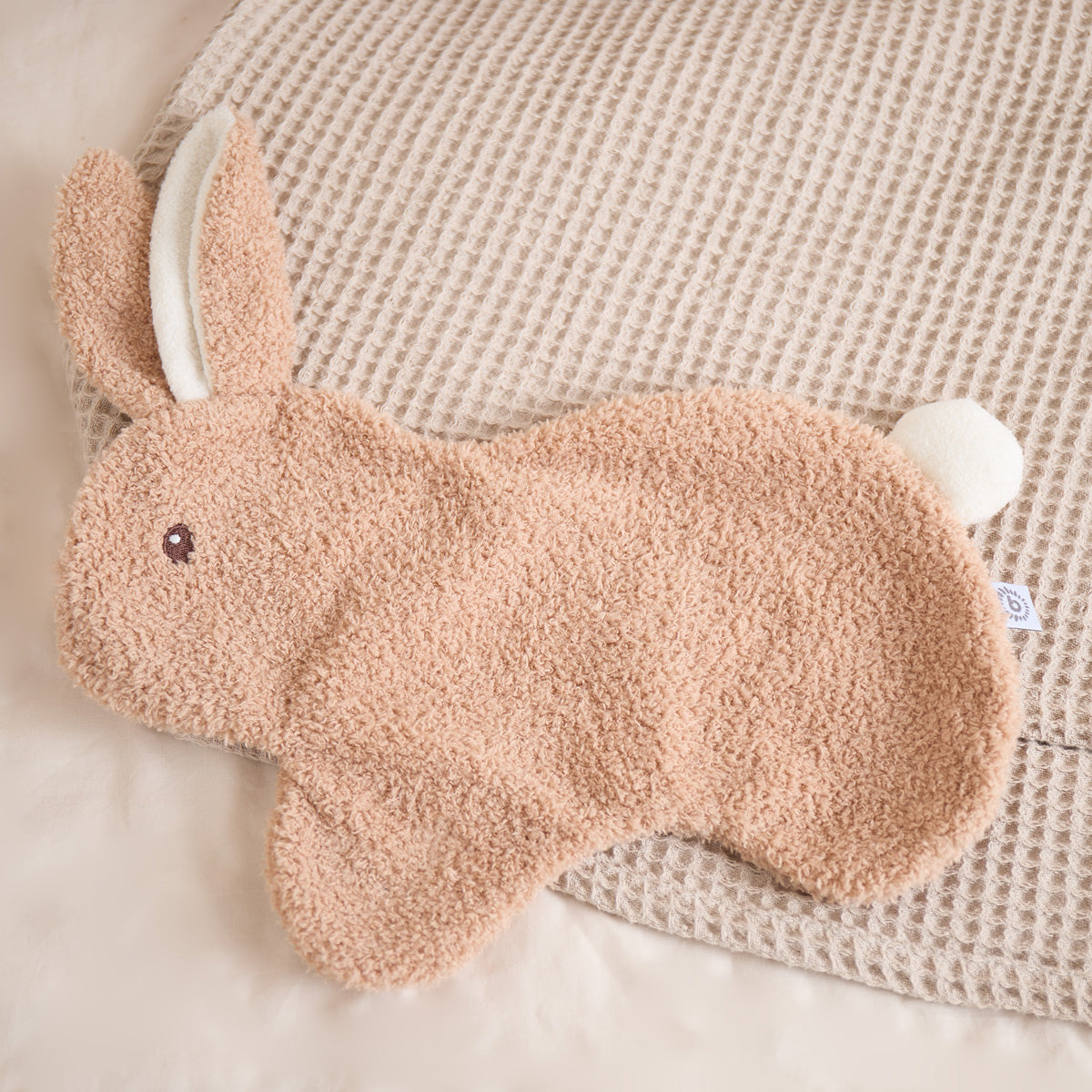
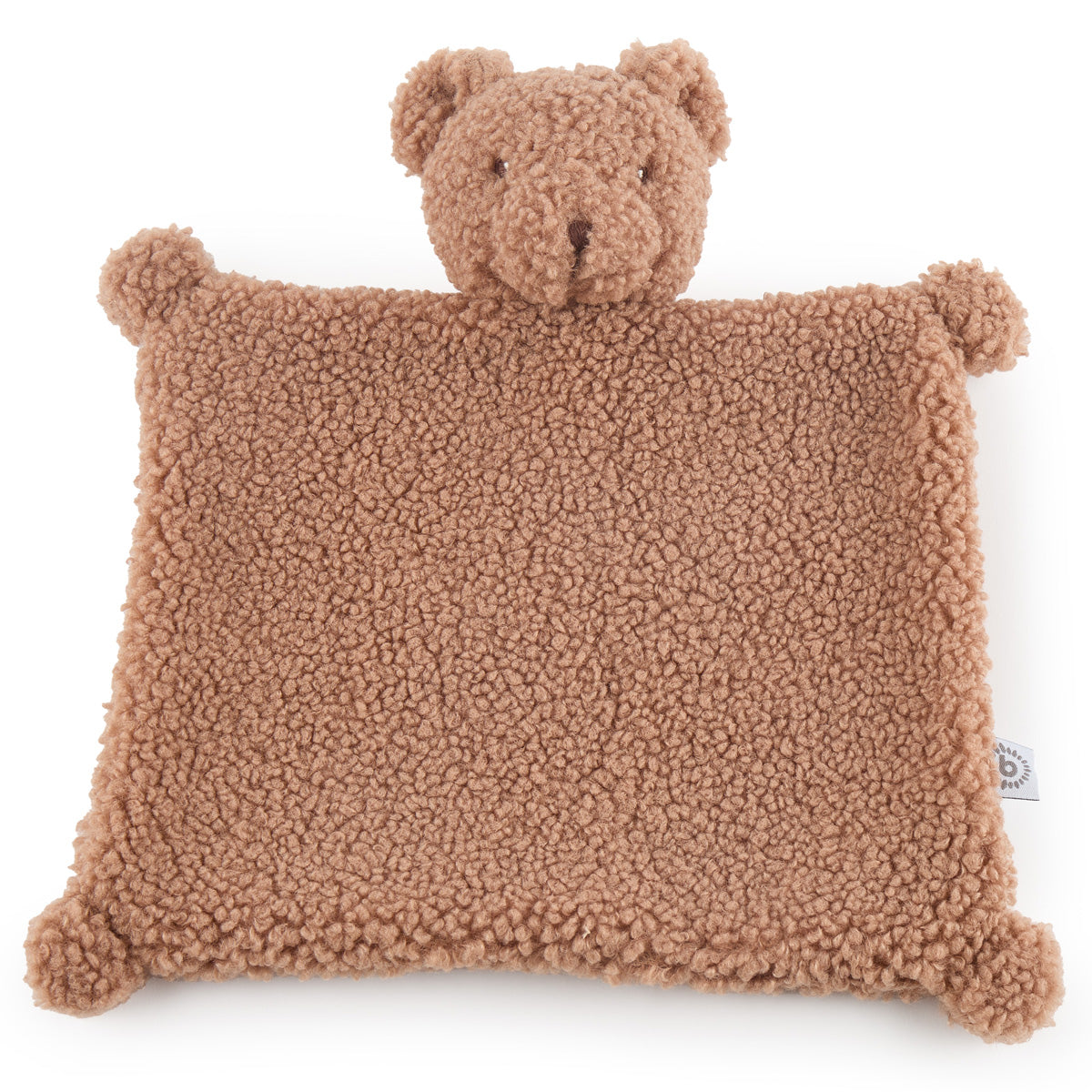
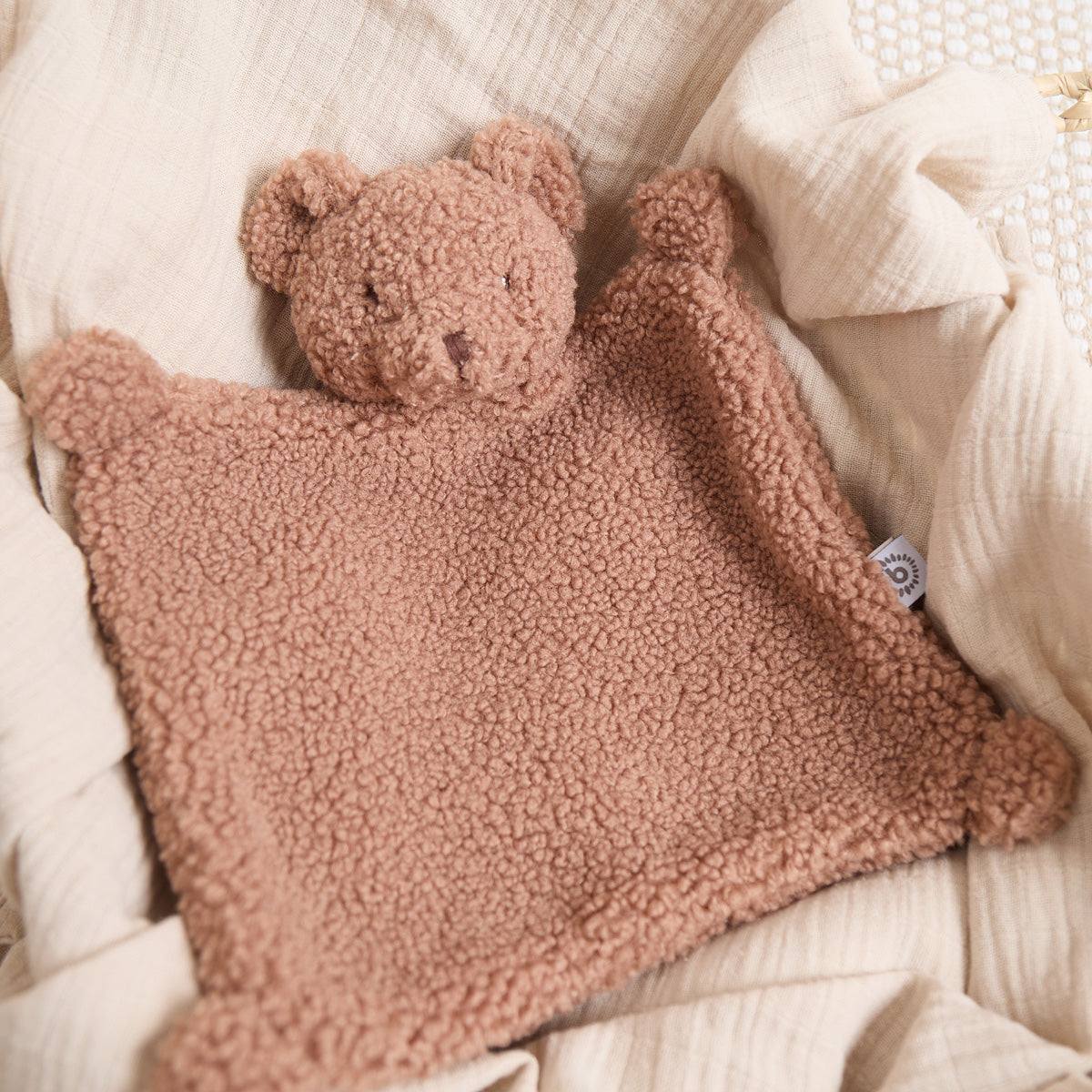
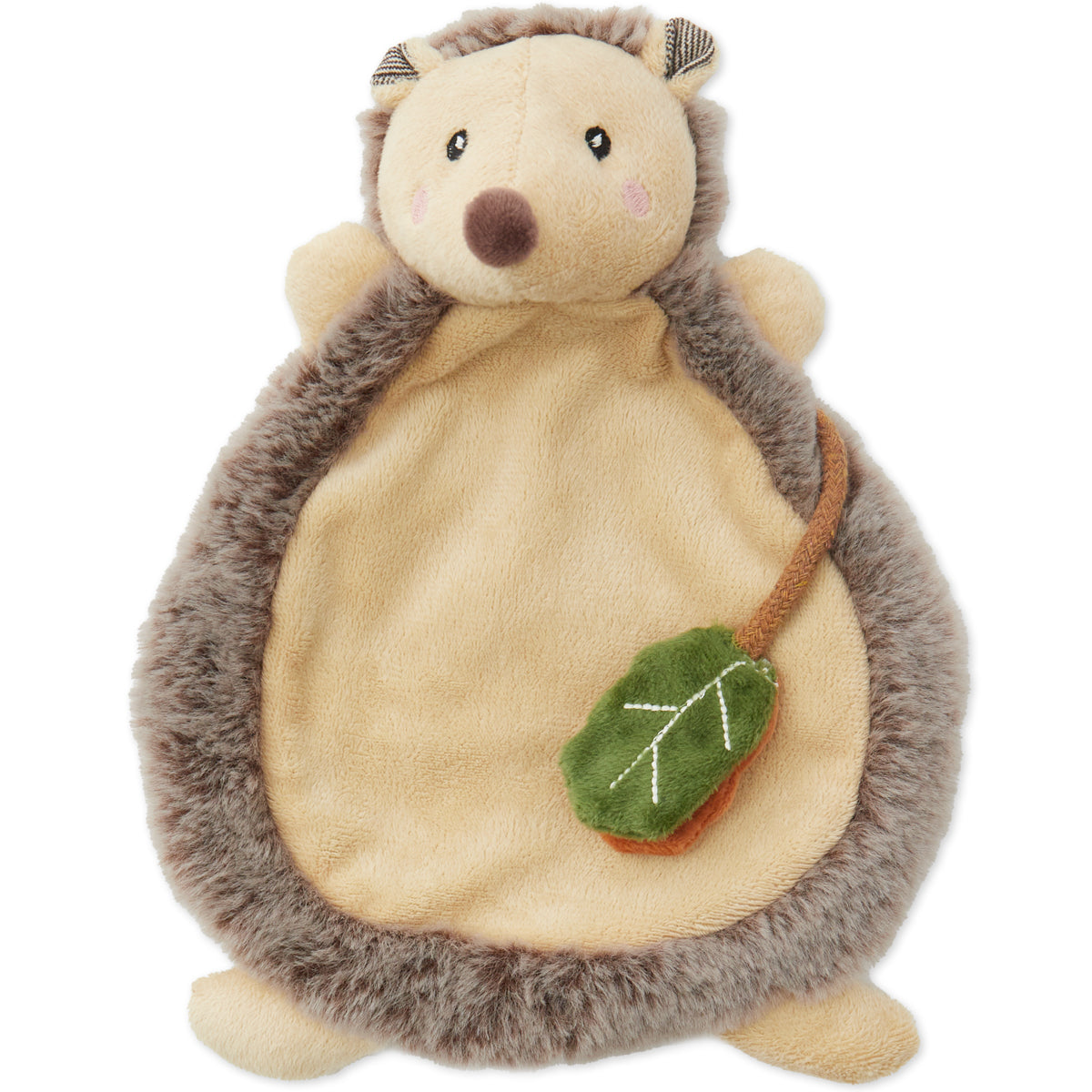
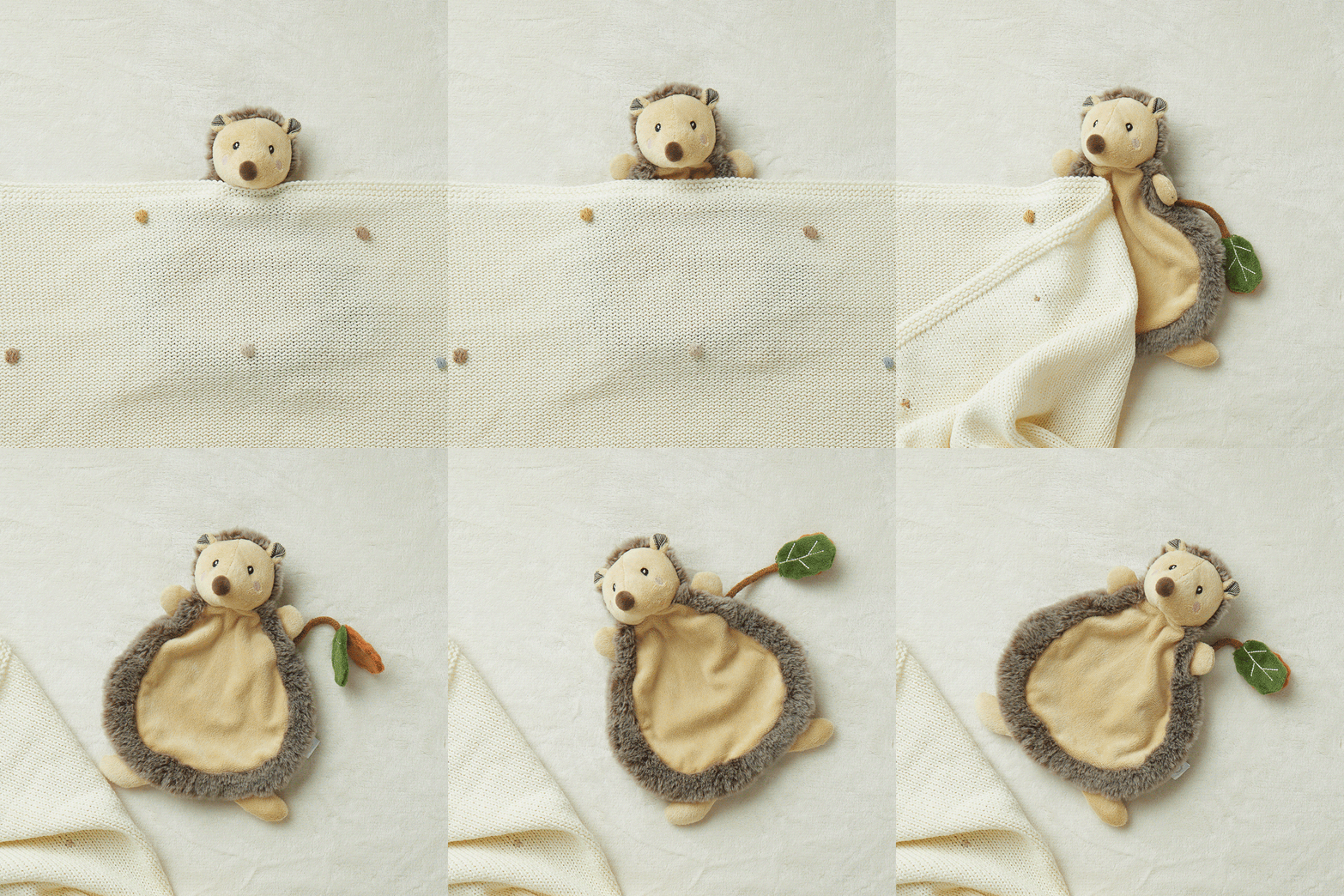
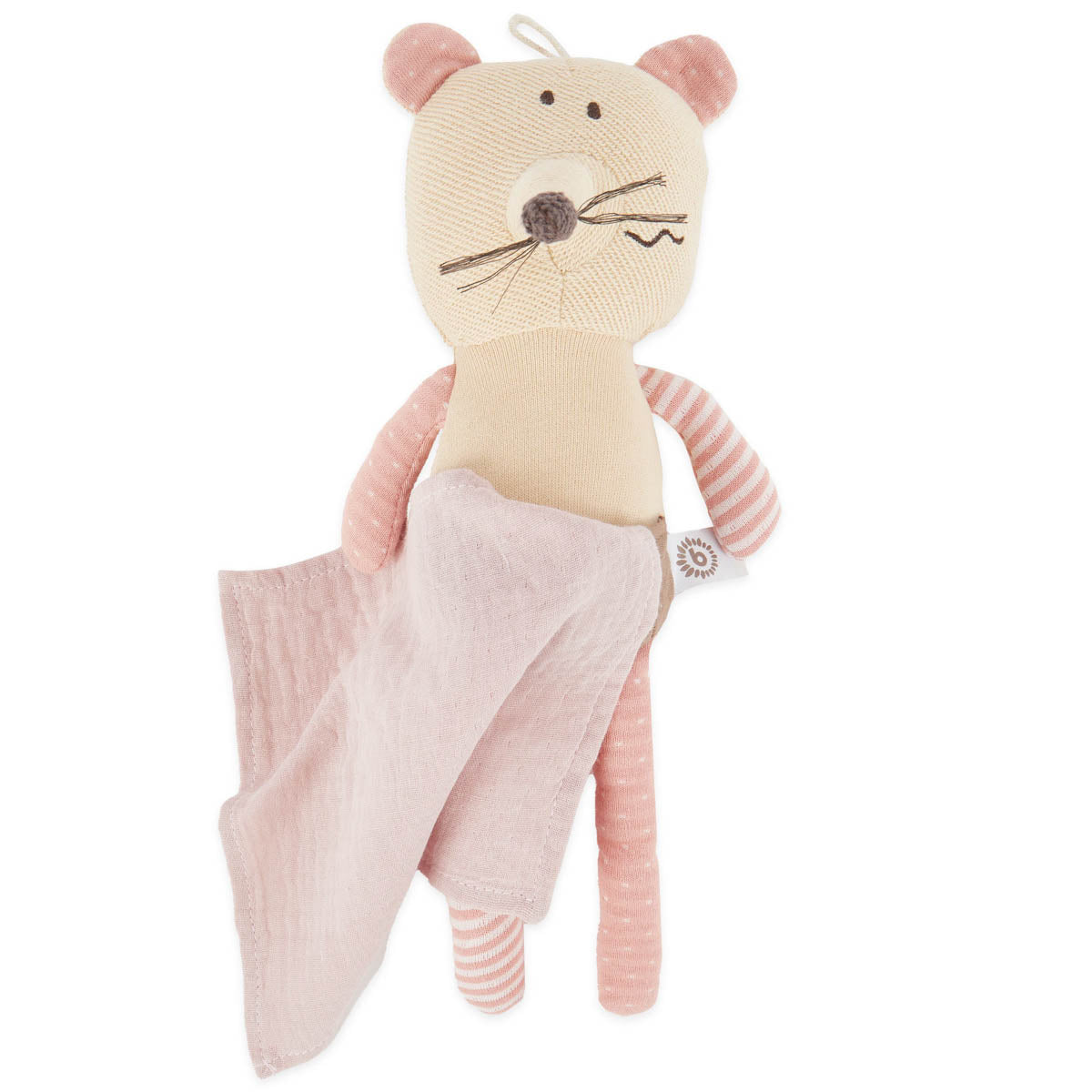
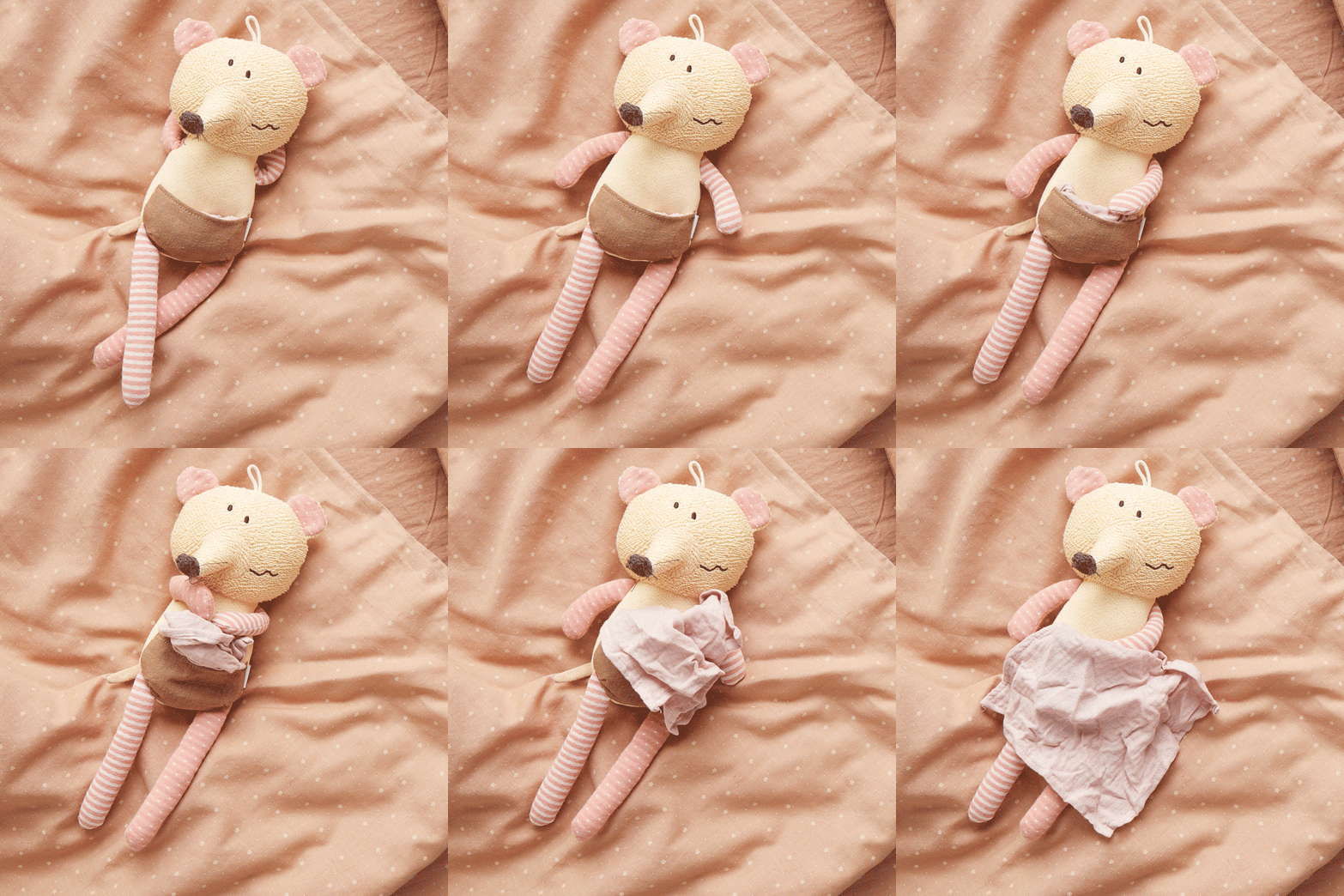
recently viewed
A baby comforter is a small cuddle cloth that feels like “home” to many babies – and that is exactly why it is often worth its weight in gold at bedtime and for soothing. A comforter is less a toy and more a familiar ritual. It fits in small hands, smells familiar and is quickly at hand when the world gets a little too loud. And yes, don't worry: at the beginning, comforters don't just get cuddled – they also end up in baby food, in the stroller and sometimes down the sofa crack.
Quick answer for those in a hurry: soft, washable, uncomplicated.br/>What matters? Something easy to grasp, a washable comforter (ideally washed regularly) and without long ribbons. Why two? One stays with your child, one is in the wash – that saves you night-time search missions.
The key points at a glance
- A snuggle cloth is small, light and quickly back within reach. Ideal for the stroller, daycare and on the go.
- In the baby's cot, the rule is: better bare than cozily full. Kindergesundheit-Info (BZgA) advises: nothing in the bed that could cover the airways (Sleeping safely).
- Two similar comforters are the most relaxed parenting hack. One is there, one is drying – done.
- OEKO-TEX® STANDARD 100 is a good point of reference. OEKO-TEX describes tests for harmful substances and the strictest class for babies up to 3 years (OEKO-TEX® STANDARD 100).
- For babies, compact sizes are often the most practical. As a rule of thumb: approx. 25–35 cm is easy to grasp and fits in a bag or pocket.
In this collection: 7 comforters – briefly sorted so you don't have to guess
In our Comforter collection you will find flat cuddle cloths and combos of soft toy + cloth. The difference usually lies in shape, design and everyday care. The exact details can always be found on the respective product page (material, dimensions, washing instructions) – here is a quick overview to give you a feel for it.
Comforter, snuggle cloth, cuddle cloth – what's what?
A comforter is the soft companion that calms babies through touch and habit. It becomes familiar because it always smells the same and feels the same. That is exactly what makes it so valuable in everyday life.
A snuggle cloth is usually the smaller, lighter variant – perfect for little hands and quick use on the go. A snuggle cloth fits in your bag and in the daycare box. Handy if you don't want to lug half the nursery around every time.
A soft toy with a comforter combines “an animal to hold on to” with “a cloth to chew on”. This combo is often ideal for babies who like to hug tightly. In return, it sometimes needs a bit more patience when washing and drying.
Which comforter suits your everyday life? A little cheat sheet
The best choice is the baby comforter that your child likes to grab – and that you can get clean without drama. What works in everyday life is what is soft and stays easy to care for. These rules of thumb have proven their worth: compact (approx. 25–35 cm), corners that are easy to grasp, no long ribbons and ideally washable at 30 °C or more (if the label allows 40 °C: even better).
Material: cotton comforter or rather a blended fabric?
When it comes to materials, a simple principle helps: it has to feel good and be easy to wash. It matters less that it is “perfect” and more that it is “pleasant against the skin”. A cotton comforter is often chosen because many babies find it pleasant and parents are familiar with cotton from everyday life. Blended fabrics, on the other hand, can often be more durable and dry faster – especially if the cloth has to come along every day.
If you want to watch out for harmful substances, labels are a useful starting point: OEKO-TEX® names the strictest product class for baby items. OEKO-TEX describes that product class 1 applies to babies and children up to 3 years and has the strictest limit values (OEKO-TEX® STANDARD 100).
Safety & sleep: one section so we don't have to repeat ourselves three times
For baby sleep, “less in the bed” really is one of the most important rules. Kindergesundheit-Info (BZgA) recommends: nothing in the baby's cot that could block the airways. It also states very specifically that you should not put anything in the bed that could cover the airways – a soft toy is given as an example (Sleeping safely).
If you like to read a medical perspective on this: The DGKJ summarizes measures for SIDS prevention in a parent information sheet. There, the DGKJ names, among other things, sleeping on the back and a sleeping bag as important points (DGKJ: Safe sleep for my baby), and the AWMF maintains a guideline on the prevention of sudden infant death (valid until 05.11.2027) (AWMF: SIDS prevention).
And, down to earth: If a comforter is used in the bed, then deliberately, small and without long ribbons. When in doubt, it is better to use it as a ritual during the day (stroller, sofa, in your arms) and to consistently keep the sleeping environment safe at night.
“Charging up the scent”: the little trick that often really works
Many parents do it in a way that is as simple as it is effective: the cloth gets a little bit of “home scent” before it becomes a favorite. A comforter is often accepted faster when it smells familiar. In practice, that means: a few hours close to you (e.g. against your body while breastfeeding or bottle-feeding) – and then use it as normal. Please without any extra perfume, that isn't necessary.
If you have sensitive skin in the family: The consumer advice center advises avoiding fragrances and fabric softener. It lists fragrances as common allergy triggers and recommends avoiding fabric softener and separate laundry scent (Verbraucherzentrale: Reducing allergy risk).
Personalized comforter: a lovely gift – as long as it stays cuddly
A personalized comforter is great as a gift because it immediately says “yours” – without a big fuss. The best personalization is the one you don't notice while cuddling. Make sure the embroidery/label stays soft and doesn't chafe. And if you really want to be the hero or heroine at the gift unwrapping: add a second, similar cloth right away. That isn't unromantic, that's parenting reality.
Looking for a Nici comforter? An honest look at what really counts
If you are looking for a Nici comforter, you are usually not looking for “the brand” but for a certain feeling: soft, cute, reliable. What matters is that your baby accepts the cloth and that you can care for it well. At BIECO you get comforters and combos in a modern Scandi look – and for each product you can take your time clicking through material, dimensions and care instructions.
What do you find at BIECO – and why does it fit family life?
BIECO is a family business from Hamburg – for 66 years – and we develop toys that are meant to work in everyday life. When it comes to comforters, we think about grasping, washing and finding them again. That is why you will find both flat cuddle cloths (practical on the go) and combos (for babies who need “more animal”). If you want to browse further: in Cuddly toys and soft toys there is more to cuddle, and under Sleep aids you will find calm companions for the evening ritual.
And if you are currently in “What do you really need?” mode: A second comforter often makes more sense than the tenth extra gadget. It isn't glamorous, but it saves nights.
Pros & cons: comforter in everyday life (short and honest)
- Pro: A comforter is there immediately when things tip over. On the go, that can save the day.
- Con: Favorite items like to go on adventures – a replacement is more relaxing.
- Pro: A flat comforter is usually washed and dry faster. Handy with baby food, milk and “oops” moments.
- Con: Some babies want more “body” – then a combo fits better.
FAQ about comforters
From what age is a comforter suitable for babies?
That depends less on the calendar than on how it is used and on the sleeping environment. For the baby's cot, the rule is: nothing that could cover the airways. Kindergesundheit-Info (BZgA) recommends a bare sleeping environment (Sleeping safely). Explained in detail and calmly in our guide: Comforter & safety.
How big should a snuggle cloth be?
The most practical snuggle cloth is one that is easy to grasp and fits in your bag. As a rule of thumb, approx. 25–35 cm is often pleasantly handy. Too big quickly becomes unwieldy, too small easily gets lost. More about safe use (including around the baby's cot) can be found here: Comforter & safety.
Why do babies need a comforter?
Many babies don't necessarily need one – but many love it as a firm anchor. A comforter can be a ritual that helps with winding down. It always feels the same and is quickly there when tiredness or commotion sets in. If your baby doesn't want one: completely normal – then perhaps music, babywearing or another evening ritual is a better fit.
How long is there a suffocation risk for babies from comforters?
There is no fixed number of hours – what matters is the situation and the sleeping environment. Nothing that could cover the airways should be in the baby's cot. Kindergesundheit-Info (BZgA) explicitly recommends this (Sleeping safely). You can find a detailed assessment here: Comforter & safety.
What is the best way to wash a comforter?
The most reliable approach is to check the label – and then rather wash regularly than just “air it out”. A comforter should be clean without becoming hard or scratchy. Many families do well with mild detergent; skipping fabric softener is often a good idea. Tip: only wash it once a replacement is ready.
How do I recognize an OEKO-TEX comforter?
If a textile is certified to OEKO-TEX® STANDARD 100, this is usually indicated on the product. OEKO-TEX describes product class 1 as the strictest class for babies up to 3 years. You can read this directly at OEKO-TEX (OEKO-TEX® STANDARD 100). Regardless of that: clean seams and no long ribbons are always a good sign in everyday use.
Which is better: a bunny comforter or a neutral cuddle cloth?
“Better” is whatever your child gladly accepts. A bunny comforter gives many babies a clear point of focus. A neutral cuddle cloth is often simpler, lighter and dries faster. If you are unsure: start neutral – and if your baby loves faces, the bunny is a lovely second option.
Does a personalized comforter make sense as a gift?
Yes, as long as it stays practical for everyday use. A personalized comforter is lovely if it stays soft and is easy to wash. Make sure the name/embroidery doesn't chafe and the care is uncomplicated. And, very pragmatically: a second similar cloth as a backup is often the best extra gift.
About this page
This text was written by the BIECO editorial team – we are a family business from Hamburg and have been making toys for everyday family life for 66 years. We research using official and expert sources and still write in a human way. For sleep safety we use, among others, Kindergesundheit-Info (BZgA) (Sleeping safely) and the DGKJ parent information (DGKJ: Safe sleep). For textile guidance, we link to OEKO-TEX® STANDARD 100 (OEKO-TEX®).
If you are now choosing a baby comforter, make it easy on yourself: first choose the shape (flat or combo), then check the care instructions, then feel free to add a second one right away. A familiar comforter is often the smallest helper with the biggest effect. And if you are looking for more ideas: in Gift ideas you will find little presents that don't just look pretty but actually get used.
If you would rather sew one yourself: DIY is great, as long as it stays safe and easy to wash. You can find our simple guide here: DIY comforter: Simple instructions for making one yourself for babies.
By Ulli & Flo · Owners & parents More about us ↓

About this page
Ulli & Flo
Owners of bieco · Hamburg · parents ourselves
With comforters, we place great value on cuddly-soft materials, because there's nothing more soothing than a little one hugging their beloved cloth and falling asleep peacefully.