
Kids’ Xylophones – Mini Models & Buying Guide
Sort by
5 products
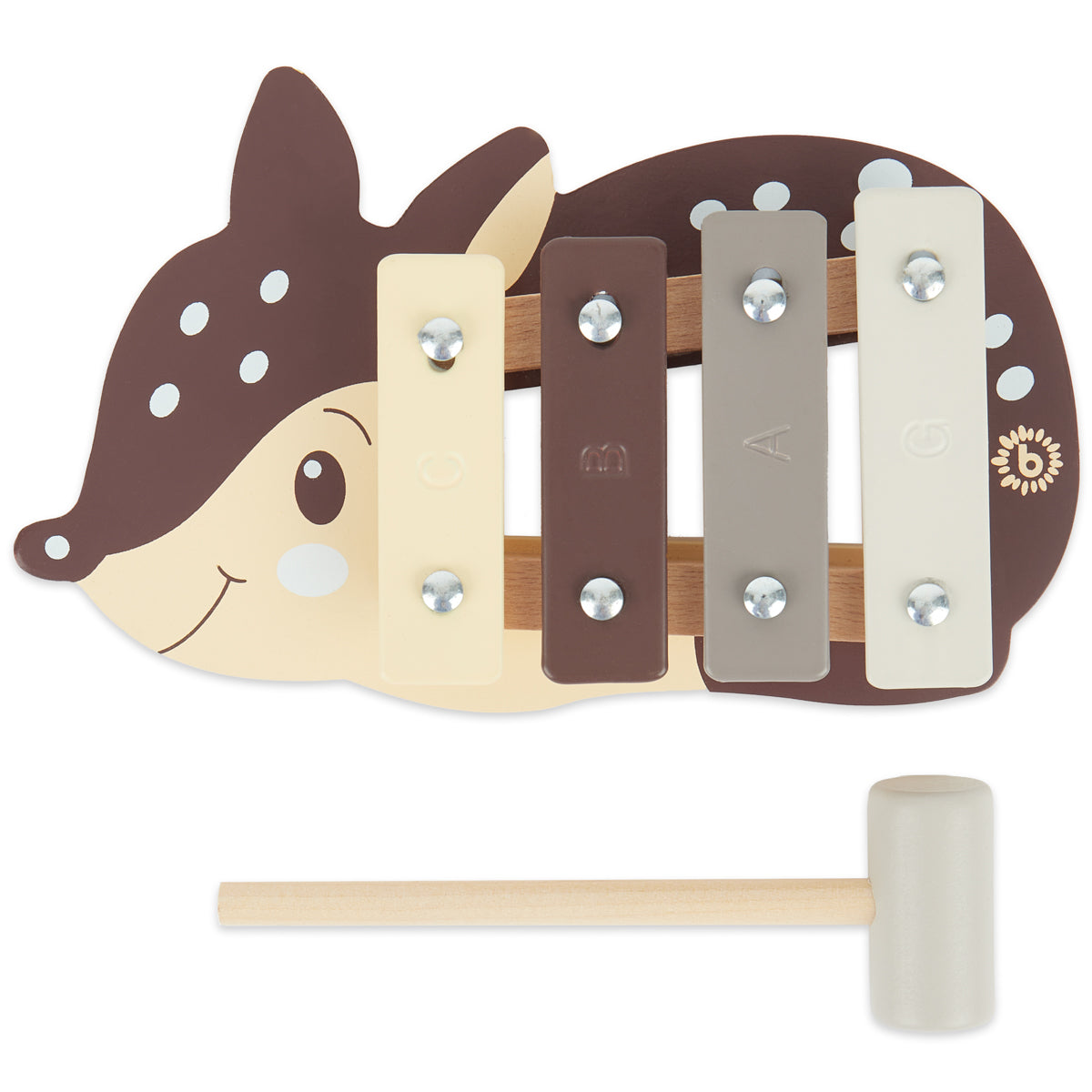
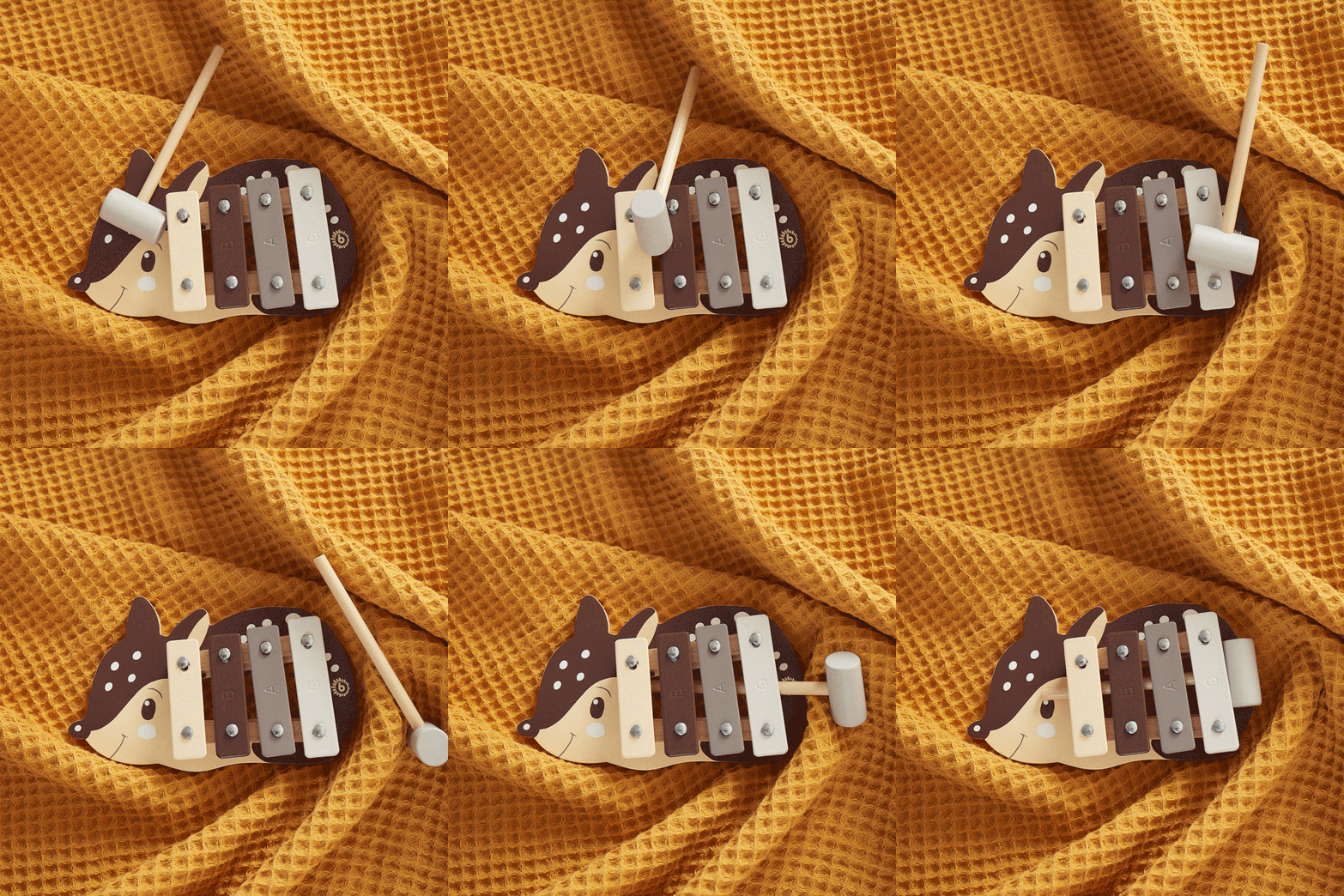

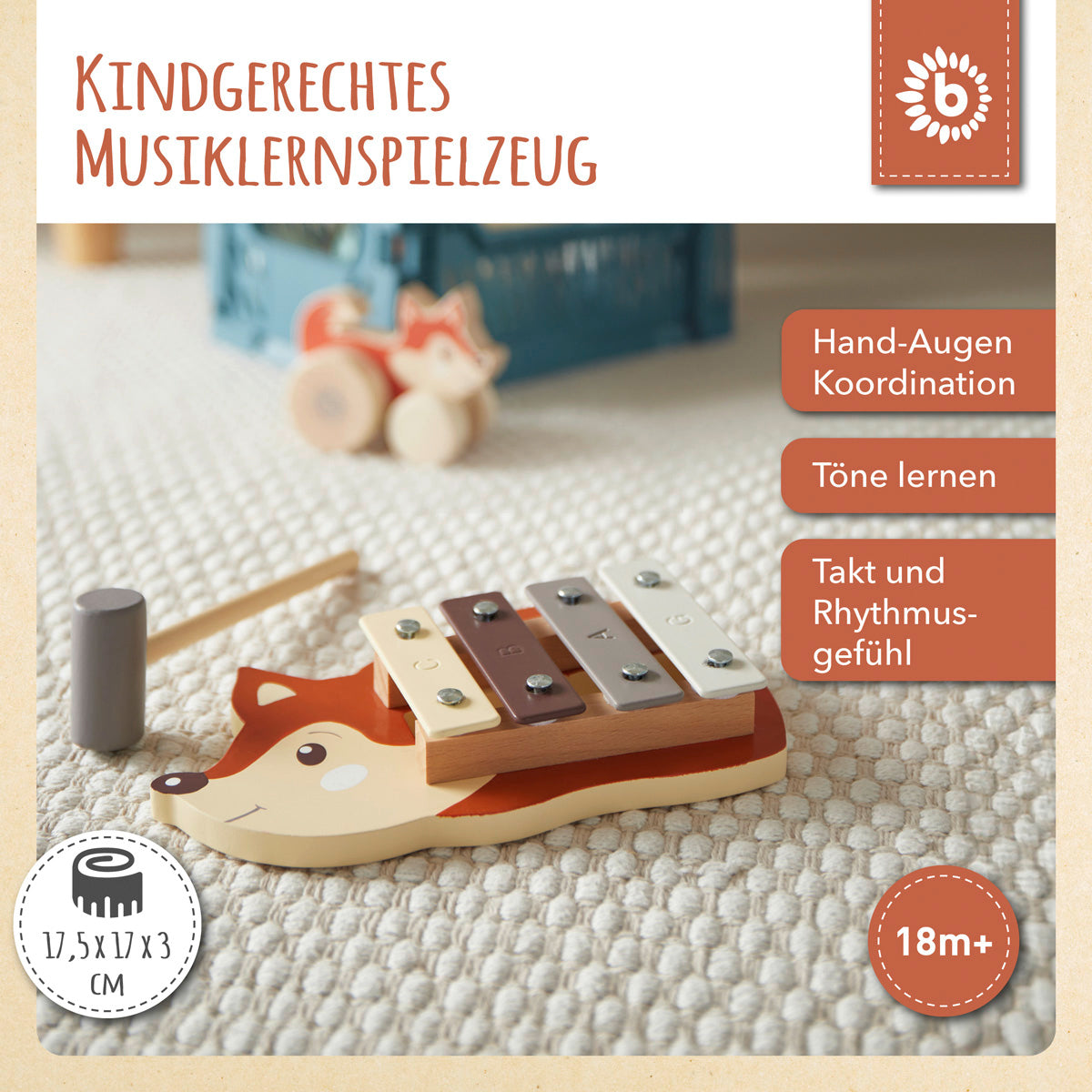


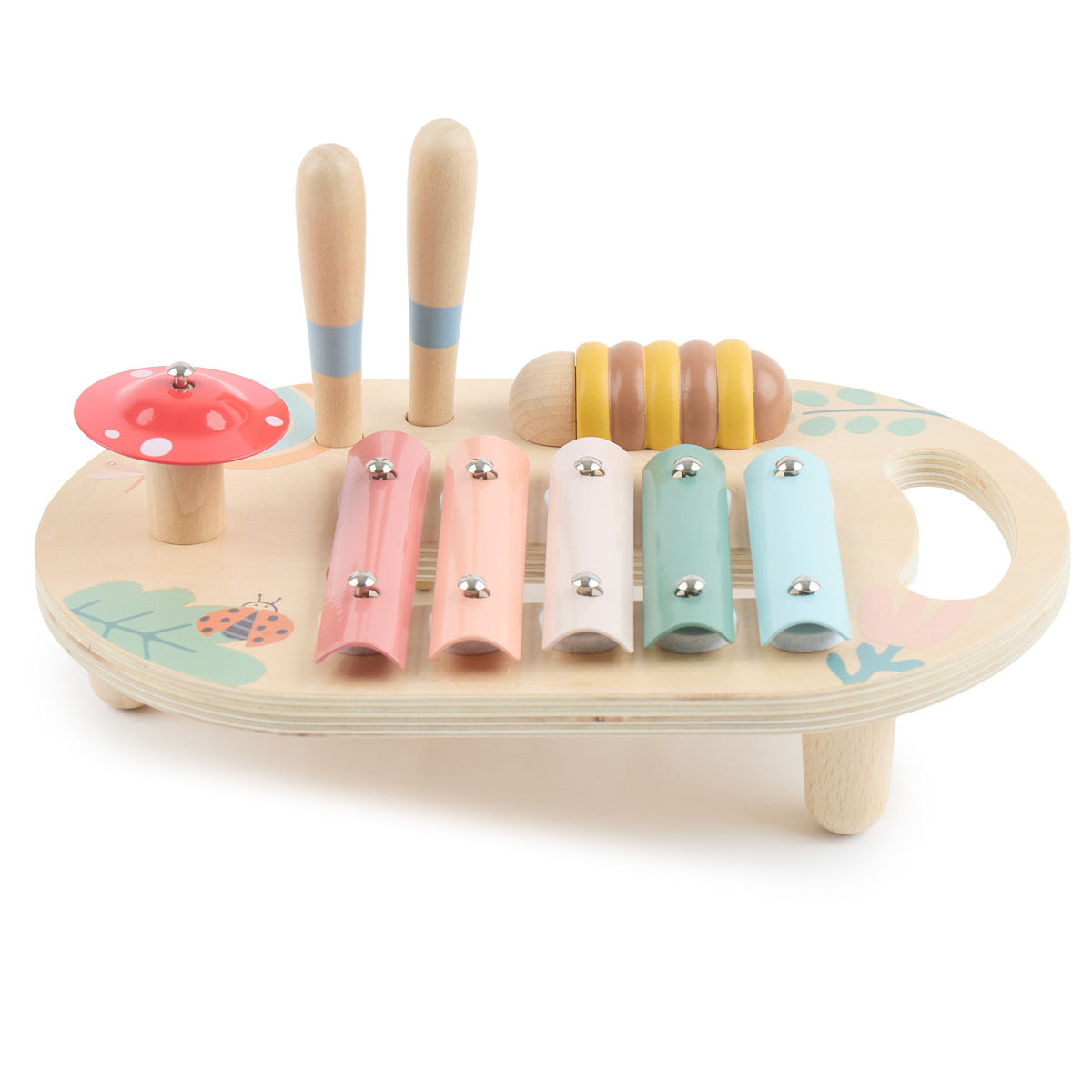
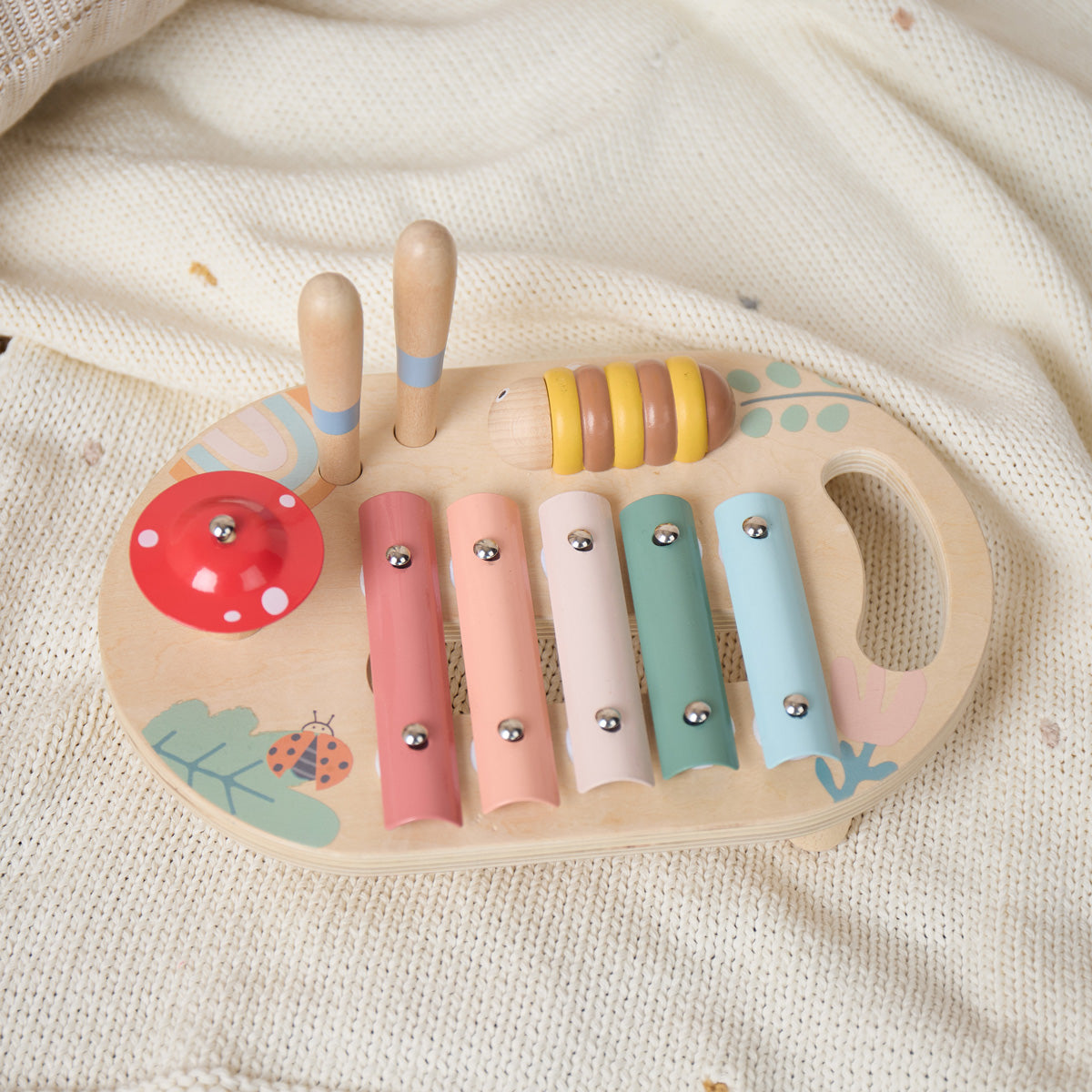
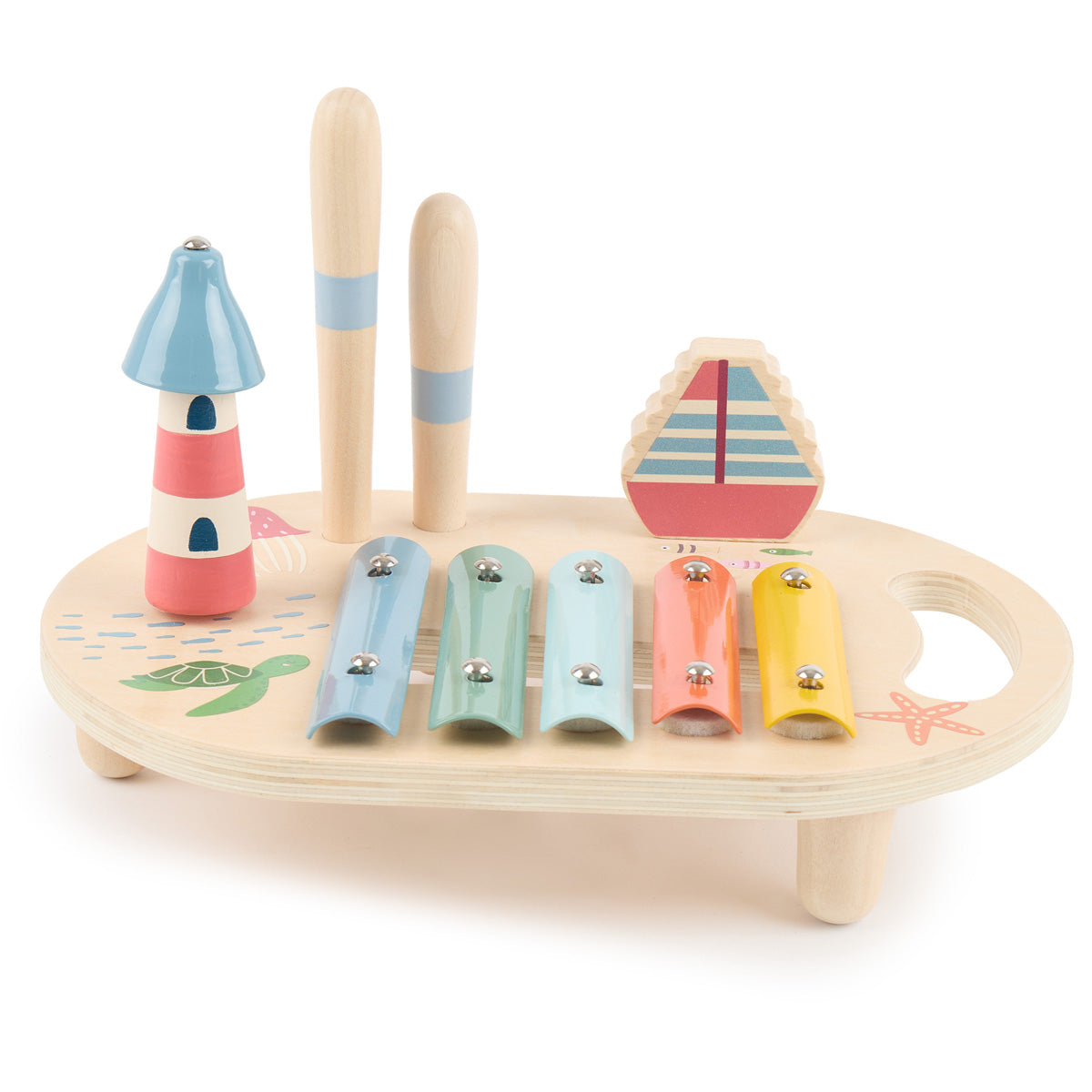
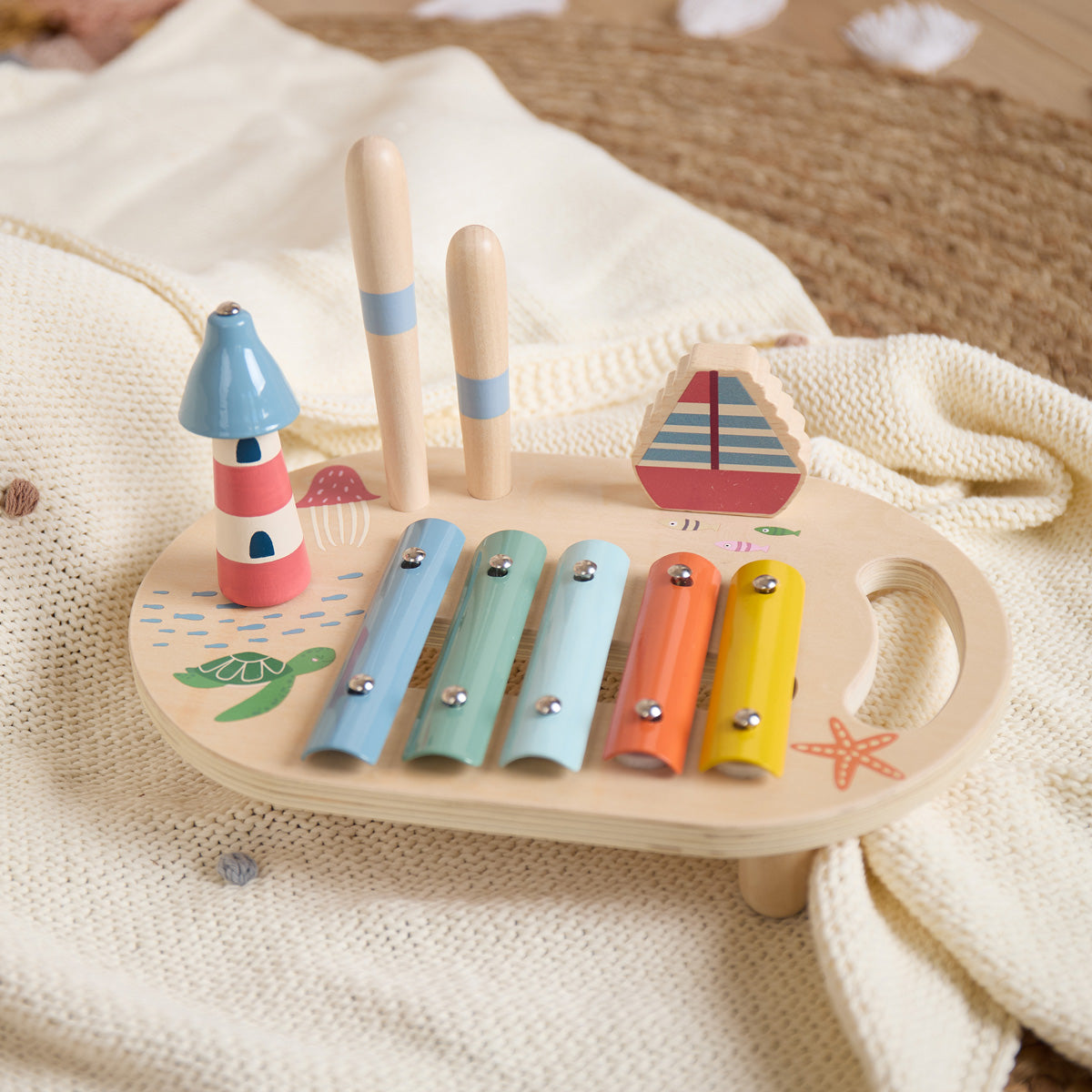
recently viewed
A xylophone is a children's instrument with sound bars that make audible tones the moment you strike them – no “let me explain first” needed.
What matters most in a collection: choose quickly, have fun quickly. That's why you won't get a music lesson here, but a little cheat sheet for browsing: by age, material (wood/metal) and “How loud can it be at your place?”. And yes: at the beginning it rarely sounds like a concert. More like “Alle meine Entchen” in a wind tunnel. Totally fine.
<strong>View xylophones now</strong> – and if you like: filter briefly first, then pick at your leisure.
The essentials (so you can move on in 30 seconds)
- For ages 1–3, a few large sound bars are often the best choice.
- Wood usually sounds softer, metal often clearer and rather louder.
- Look for the age rating, sturdy parts and a mallet that doesn't disappear right away.
- Colors/markings on xylophone notes often make children's songs less frustrating.
- CE marking is mandatory – but it is not a “test seal” (consumer advice center Verbraucherzentrale).
3 criteria that really help you filter
If you sort by these three points, you'll usually land on the “right” one quickly.
- Age & motor skills: The smaller the child, the larger and simpler the sound bars should be.
- Material & sound: Wooden xylophones often feel more living-room-friendly, metal xylophones cut through more.
- Volume & nerves: Thin walls? Then better to “start gently” than “solo at 6:12 a.m.”.
Short & quotable: A children's xylophone is suitable for everyday use when it is easy to grip, stands securely and the mallet can be stored safely.
Quick overview: our 3 xylophone products at a glance
Here you can see at a glance what feels like what – without a scrolling marathon.
Note: Specific details such as the number of sound bars, dimensions or material mix are listed on each product page – a quick look is worth it.
Fabric, wood or metal – er… wood or metal?
Wood and metal sound different – and you notice it immediately in everyday use. Metal bars usually sound clearer and ring longer, while wood often sounds a bit softer. Both are good – just different. If you want to dive deeper: in our guide we explain it in detail and at leisure: Wooden or metal xylophone? Differences, sound & recommendations.
Short & quotable: A wooden xylophone is often perceived as “softer”, a metal xylophone more as “clear and present” – important for homes with thin walls.
Decision tree: Which xylophone fits when?
If you're unsure: just go by age → volume → “song or racket?”
- If ages 1–3 & “let's just try it out” → then compact, simple, easy to grip.
- If you have neighbors/a sleeping baby in the house → then go for a gentler sound and plan short play sessions.
- If your child wants to play along with melodies → then look for clearly distinguishable tones and simple songs.
Safety in practice: CE, EN 71 & “a quick look over with your eyes”
With toys, “looks solid” is nice – but marking is mandatory. The EU Toy Safety Directive sets out safety requirements; manufacturers must, among other things, carry out a conformity assessment, draw up an EU declaration of conformity and then affix the CE marking (Directive 2009/48/EC on EUR-Lex).
A rule of thumb: toys without CE may not be sold in the EU – but CE is not an independent test mark; this is exactly what the Verbraucherzentrale points out (Verbraucherzentrale: Test marks, seals, tests).
And since many people ask: the European Commission mentions “19 heavy elements” (i.e. 19 so-called heavy metals/elements) with limit values in the Toy Safety Directive (European Commission: Toy safety).
DIN summarizes in an easy-to-understand way what the EN 71 series roughly covers: the series deals with, among other things, mechanical/physical properties, flammability and (in EN 71-3) the migration of certain elements (DIN: Requirements for safe toys).
Looking for a “Hape xylophone”? Honest and brief, without brand drama
If you search for “hape xylophone”, you usually want a solid starter instrument – not necessarily that exact brand. So pay attention to what really counts in everyday use: a clear age rating, sturdy workmanship, no sharp edges, and a mallet that fits well in small hands. Then you're on the safe side regardless of brand.
Xylophone building blocks: what are they – and are they worth it?
<em>Xylophone building blocks</em> are usually combination toys in which sound bars sit in or on building blocks. That can be exciting if your child likes to build and “make music” along the way. To start, though, it's often easier if the xylophone is clearly recognizable as an instrument: sit down, play, done.
Pros & cons (short, as if at the kitchen table)
A little honesty saves you arguments with yourself later.
- Pro: Instantly understandable – strike, listen, strike again.
- Con: Some xylophones are surprisingly loud (yes, even early in the morning).
- Pro: Rhythm play fits perfectly into short time windows.
- Con: Mallets like to go “wandering” – a fixed storage spot helps.
Notes, colors, children's songs: how to keep it relaxed
For many children, colors are the fastest way to “I can do this!” If you're looking for xylophone notes: sheet music for xylophone children's songs with colored dots or numbers is often the easiest way in – especially for classics like “Alle meine Entchen” on the xylophone. You'll find a detailed version (with playing tips) here: Xylophone notes & children's songs: The most beautiful pieces and playing tips.
Short & quotable: Xylophone notes with colors/numbers help children play songs without having to read traditional sheet music.
What you get at BIECO (and what we can properly back up)
BIECO is a family business from Hamburg – and that's not just in the brochure. On our “About us” page we introduce ourselves as a team and provide the company details; you'll also find the address in Hamburg there (About BIECO) as well as the Legal notice.
If you're looking for more wooden play ideas besides the xylophone: in Wooden toys you'll find plenty for grasping, pushing and marveling. For the very little ones, rattles and teething rings are often a good fit too, or later pull-along and push toys.
FAQ about xylophones
What is a xylophone and how does it work?
A xylophone makes sounds when the sound bars are struck with a mallet. Each bar sounds higher or lower, and children grasp the principle immediately: strike, listen, repeat. That's exactly why it's such a rewarding first instrument.
From what age is a xylophone suitable for children?
That depends on size, workmanship and the age rating on the product. For toddlers, simple models with an easy-to-grip mallet are the most pleasant, and at the beginning it's best to play under supervision. Please take warnings (e.g. about small parts) seriously – they're not there as decoration.
What are the differences between wooden and metal xylophones?
Wood often sounds softer, metal usually clearer and rather louder. Metal tones often ring longer, while wood often sounds “shorter” and gentler. What fits better is decided by your daily life: thin walls → start gently; “child wants melodies” → clear tones help.
Where can I find sheet music for xylophone children's songs?
The easiest are children's song notes with colors or numbers. That way you can get started without reading music, and moments of success come faster. You'll find this in detail (including playing tips) in our guide: Xylophone notes & children's songs.
What does the CE mark on toys mean?
CE is the manufacturer's declaration that the toy meets EU requirements. According to the European Commission, only toys with CE marking may be sold in the EU (European Commission: Placing toys on the EU market). The Verbraucherzentrale emphasizes, however: CE is not an independent test mark, but a mandatory marking (Verbraucherzentrale).
How do I recognize a “good” xylophone for children in everyday use?
More important than extras is sturdy, clean workmanship. Check the edges, firm parts and whether the mallet fits well in small hands. If something smells strongly, rubs off or wobbles, it's better to make a complaint – the Verbraucherzentrale generally advises taking a close look at conspicuous toys (Verbraucherzentrale: Toys without harmful substances).
How do I clean a wooden xylophone properly?
Usually a slightly damp cloth is enough – don't soak it. Wood doesn't like long baths, and metal parts stay nicer if you quickly wipe them dry. The most reliable approach is to check the care instructions on the respective product page. Sticky fingers arrive faster than you can say “applesauce”.
Are colorful notes for the xylophone really helpful?
Yes, colors take the pressure off many children at the start. Colored dots help with matching (“red to red”) without any need to read music. That turns “practicing” into more of a game – and that's exactly what we want in family life.
About this page
This page is a buying guide by the BIECO editorial team – short, practical, suited to everyday life. We are BIECO (bieco GmbH) from Hamburg and bring together experience from everyday toy retail plus reliable sources here. On safety questions, we orient ourselves among other things on the EU Toy Safety Directive (EUR-Lex: Directive 2009/48/EC) and on consumer advice (e.g. Verbraucherzentrale).
In closing (without any fuss)
A xylophone is a good gift when it actually gets used. Better to choose a model that suits your daily life: simple for small hands, “living-room-friendly” in sound and with a clear age rating. And if you'd like to browse a little further: also take a look at Gift ideas or at Nursery and decor – sometimes you'll find exactly that “Oh, that's the one!” there.
By Ulli & Flo · Owners & parents More about us ↓

About this page
Ulli & Flo
Owners of bieco · Hamburg · parents ourselves
With mini instruments, we prefer the "short and sweet" option: quickly taken out, quickly put away – and still a real sense of achievement. And if the mallet goes missing: don't worry, it usually turns up in a shoe.