
Toys from 1 Year
Sort by
14 products
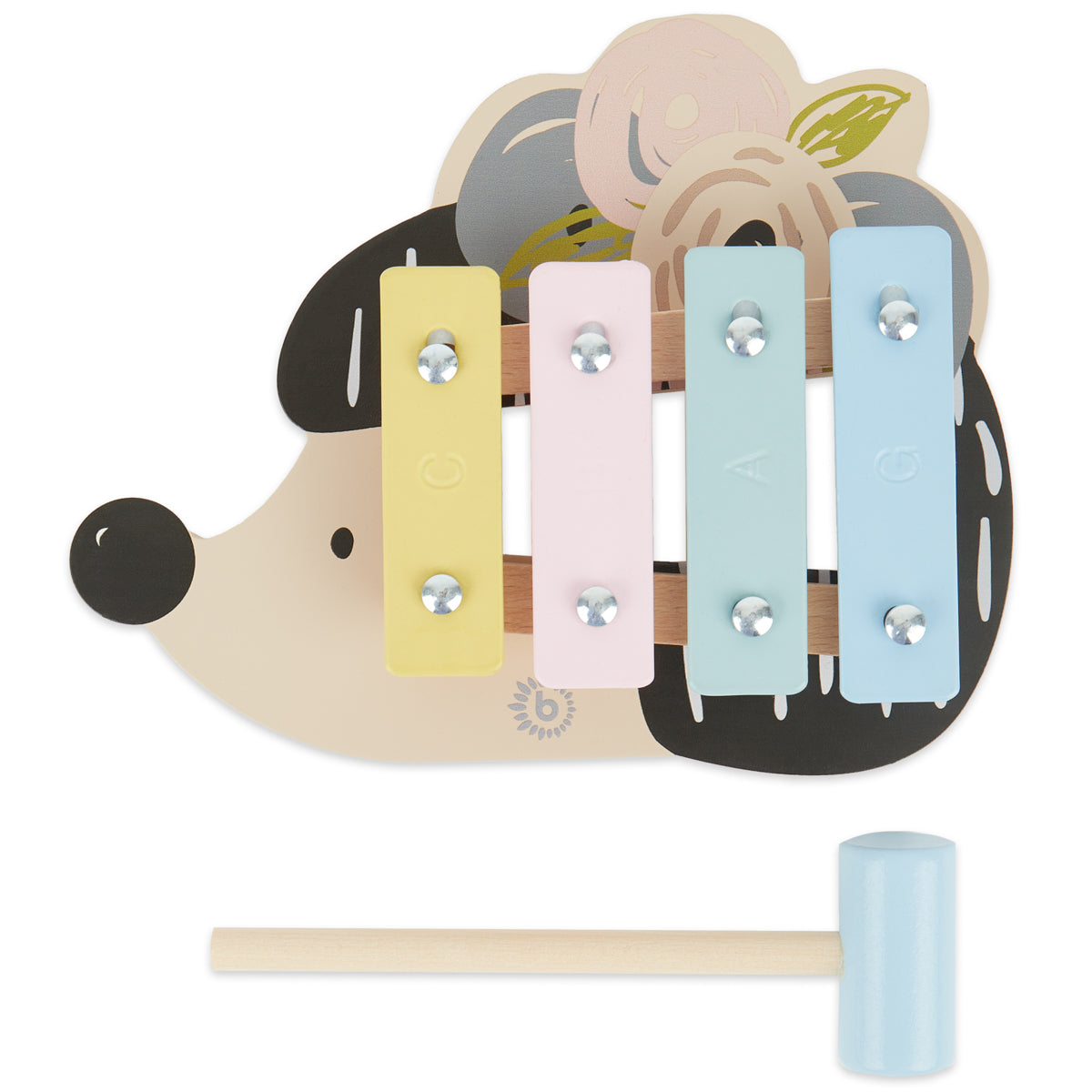
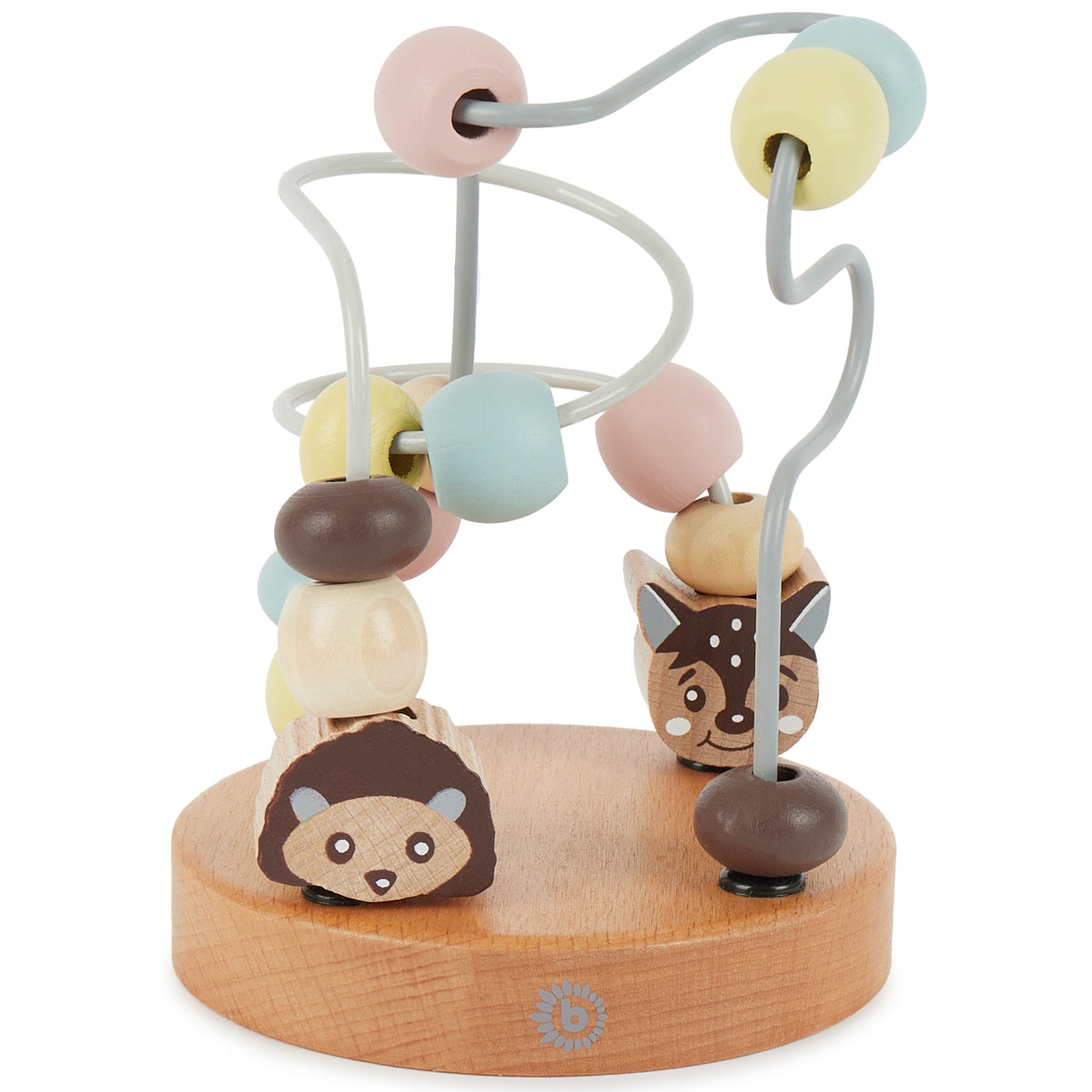
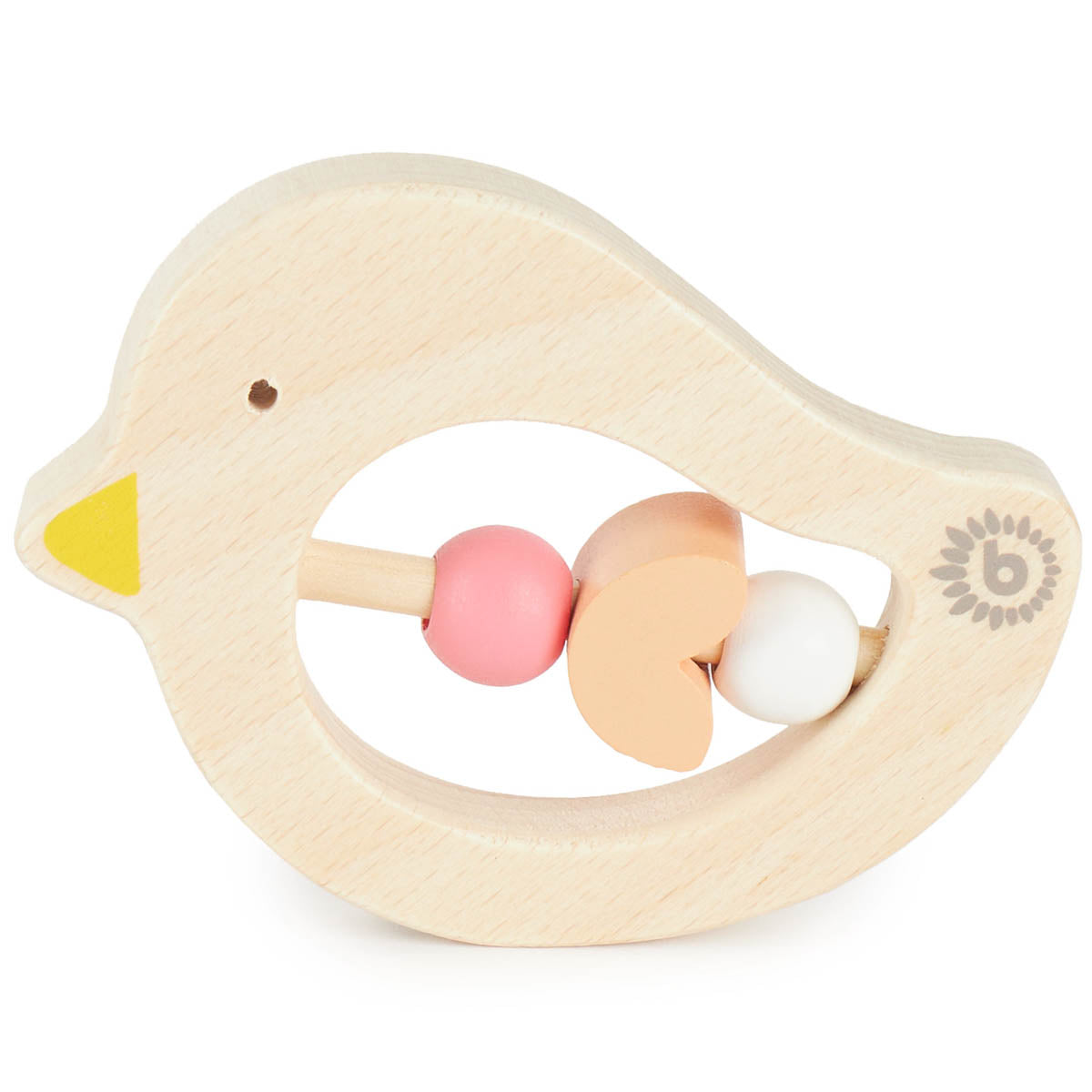
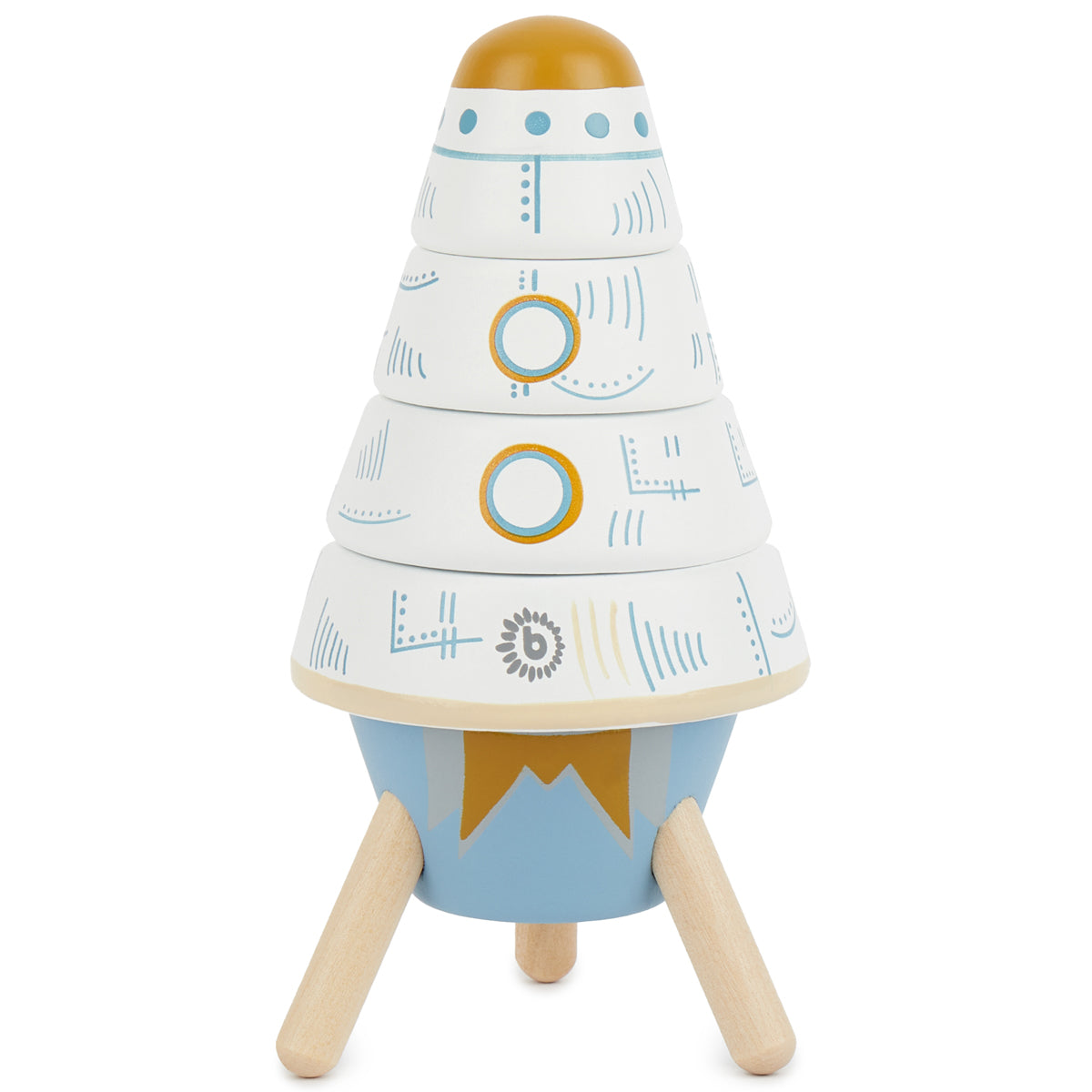
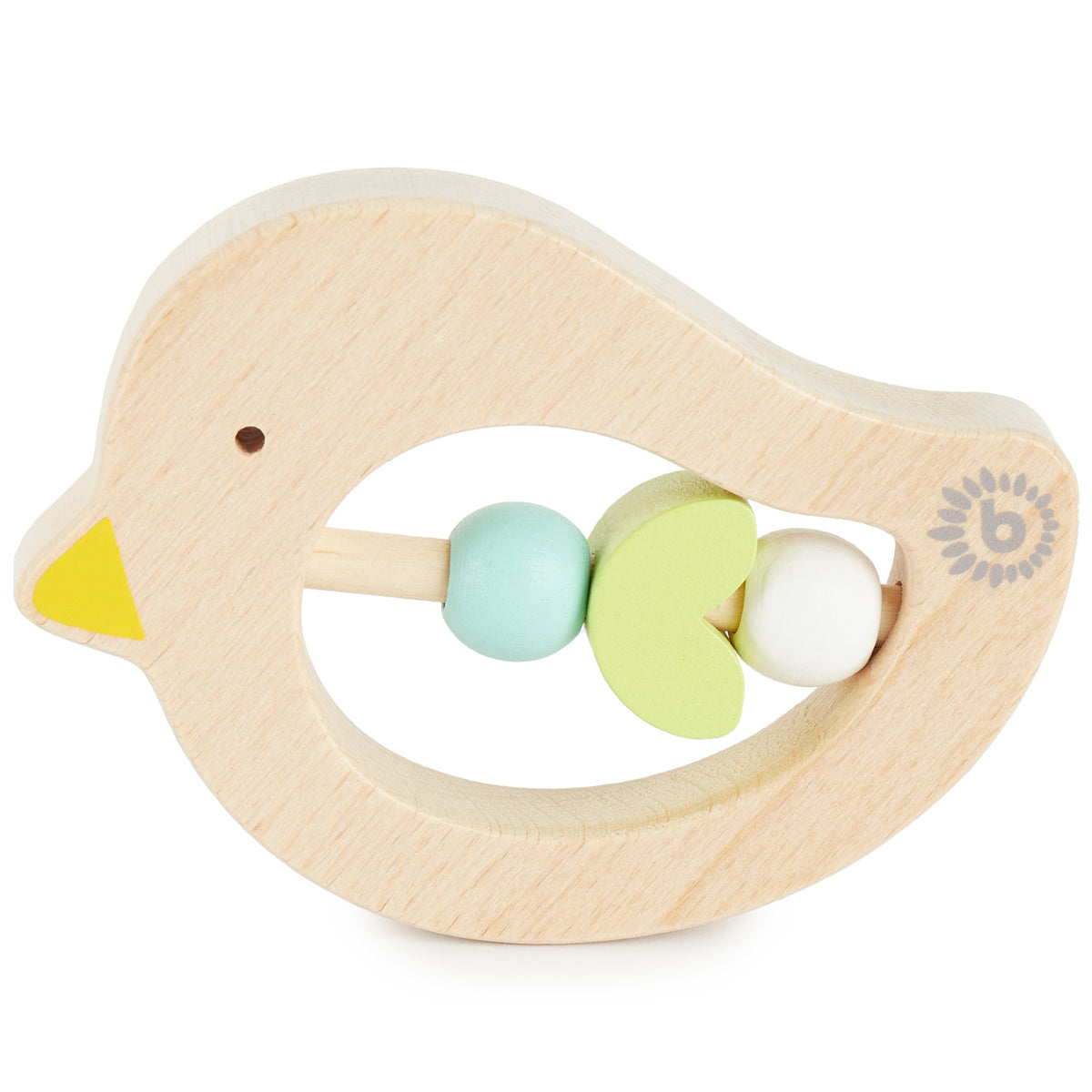
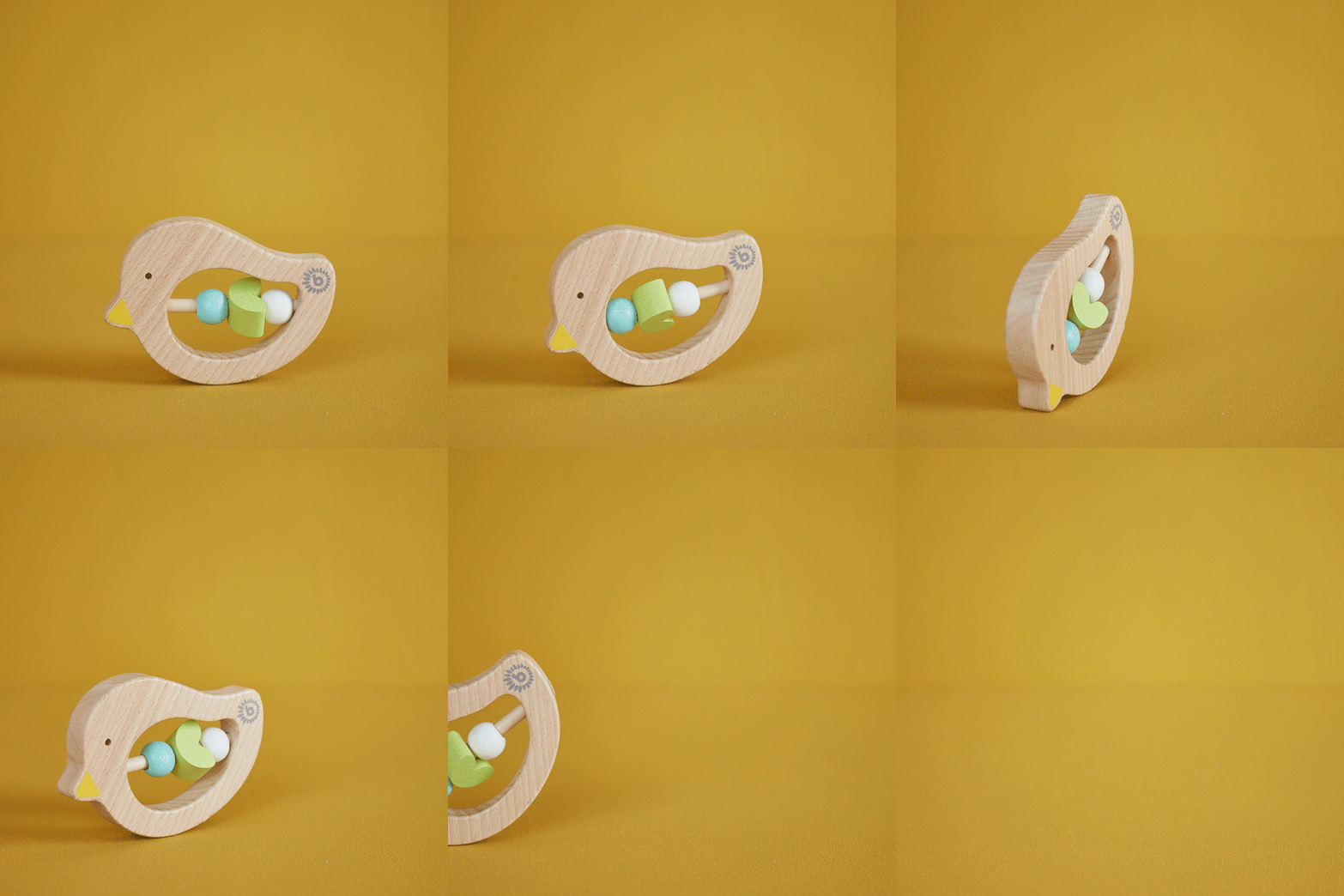
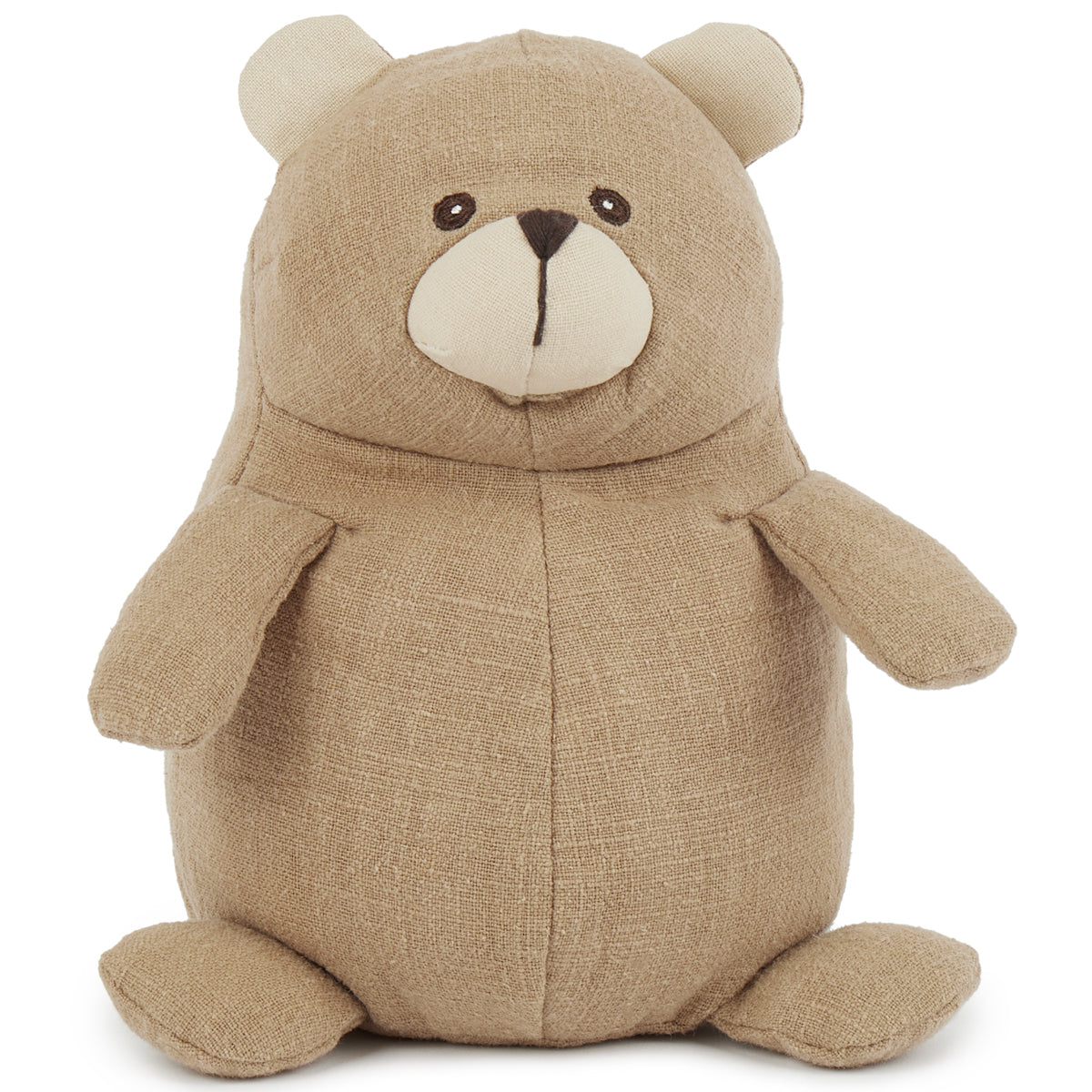
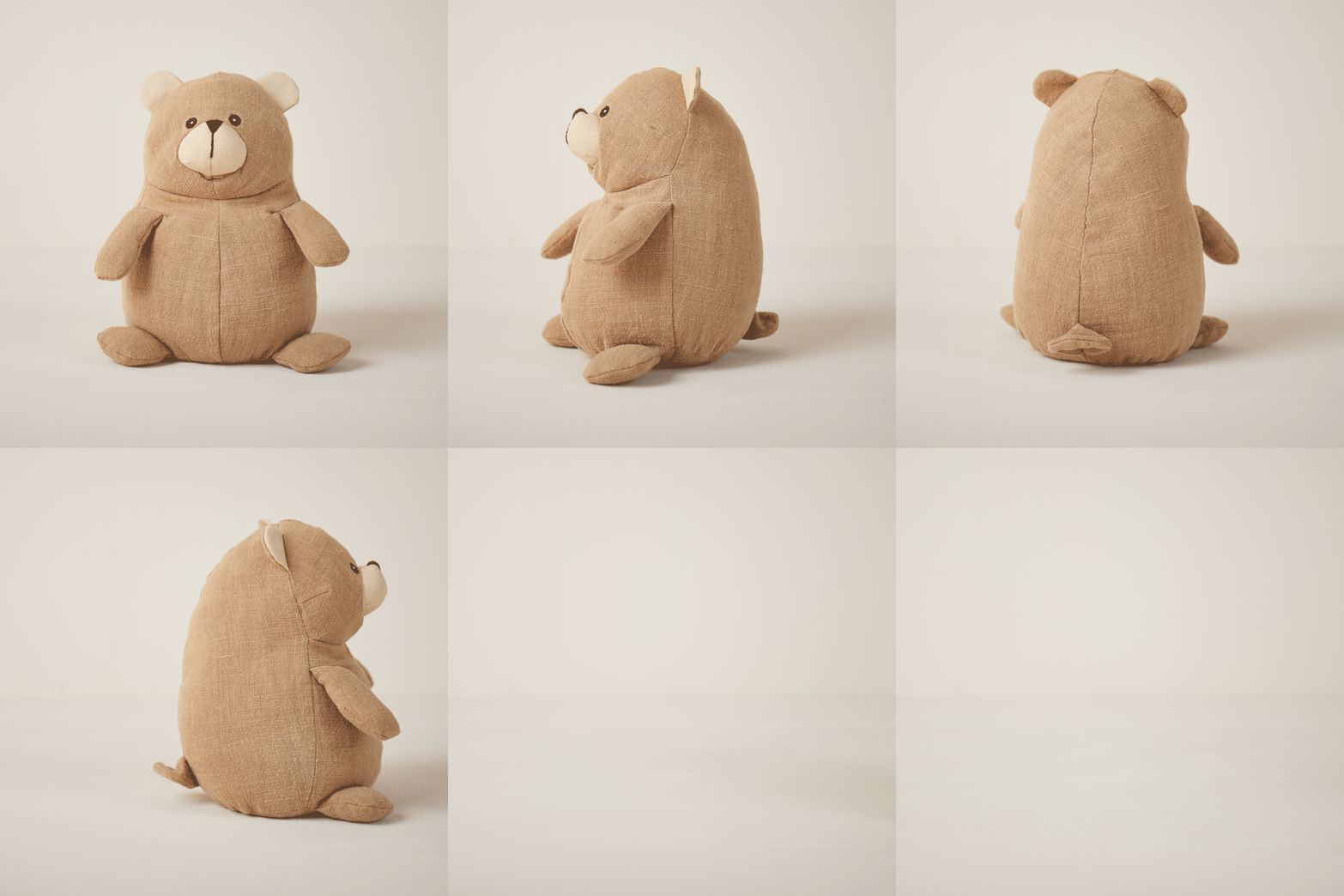
recently viewed
Toys for 1-year-olds are toys that can handle everyday life at 12 months: grabbing, pushing, stacking, knocking over again. From now on, “looking” turns into “doing” pretty quickly – with plenty of curiosity and a (small) urge to move. That's why in this “Toys from 1 Year” collection you'll mainly find children's toys for ages 1 and up that start simple and grow with your child – up to around 18 months (1.5 years). And because no individual products are hand-picked and highlighted here at the moment, this page is deliberately a guide hub: from here you click through to the matching subcategories instead of wading through 1000 items. In northern German terms: less frills, more hits.
Last updated on 10.02.2026. Especially with safety and standards topics, a date is worth its weight in gold – for you and for anyone who looks things up later.
The most important points at a glance
- From 12 months, cause-and-effect games count: pushing, inserting, stacking. The simpler they are, the longer they stay exciting.
- At 18 months (1.5 years), play can become more “purposeful”. More roles, imitating and “I can do it!” often fit well at that point.
- Safety means: read the age recommendations and avoid small parts. Especially while a lot still goes into the mouth.
- Wood, fabric or bath: choose what you actually want to clean. Wipeable/washable saves your nerves.
- Rotate rather than overload. A small change often feels like “new” – without the new chaos.
Popular categories for ages 1 and up (this way, please)
If you want to find the right thing quickly, go through the subcollections. That's often the more relaxed shortcut – especially if you're looking for toys for a 1-year-old or need a gift.
- Wooden toys – for stacking, sorting, “clack” and long play sessions.
- Pull-along and push toys – when little legs have big plans.
- Baby walkers – when your hallway turns into a racetrack (it happens).
- Wooden puzzles – for quiet minutes and proud “I did it!” faces.
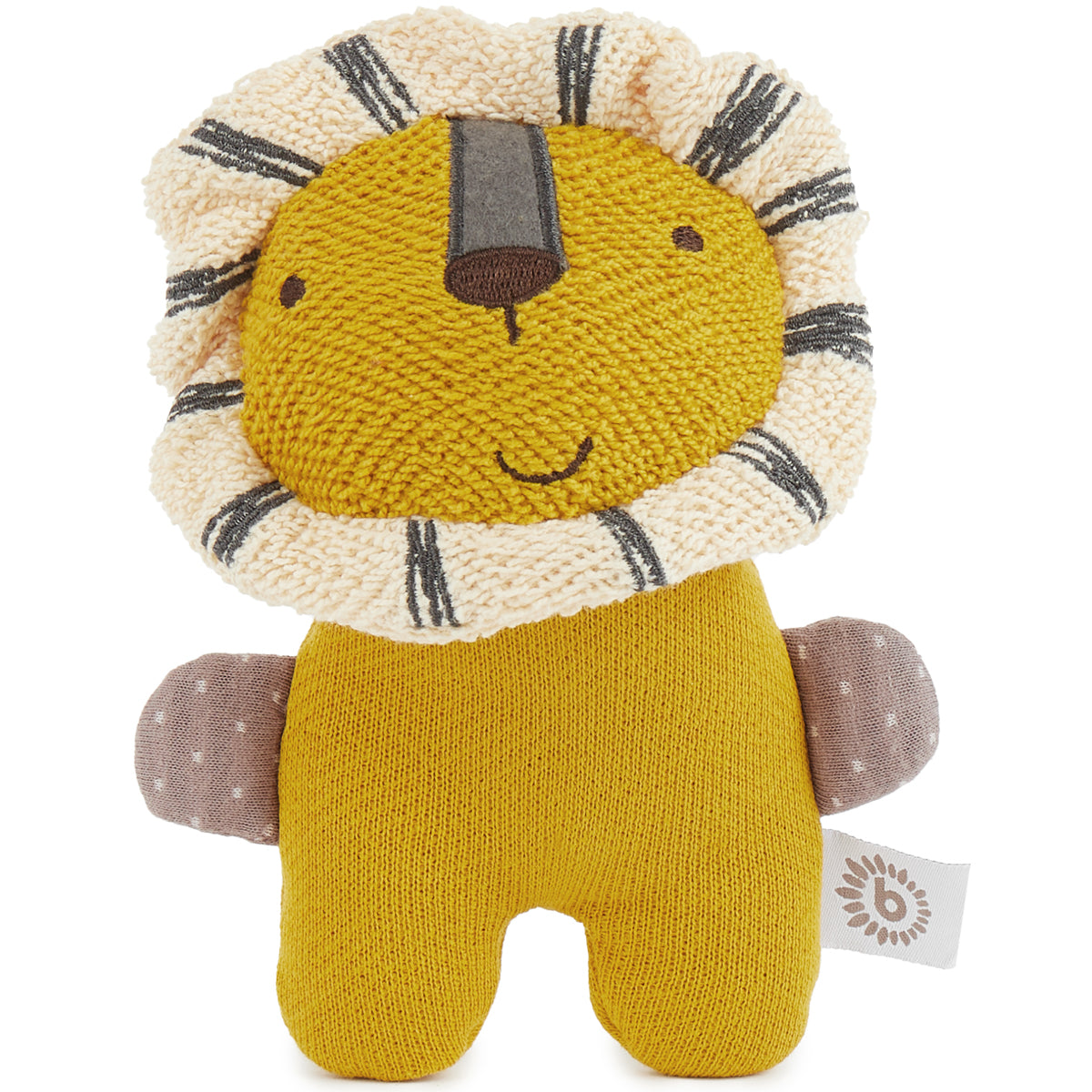
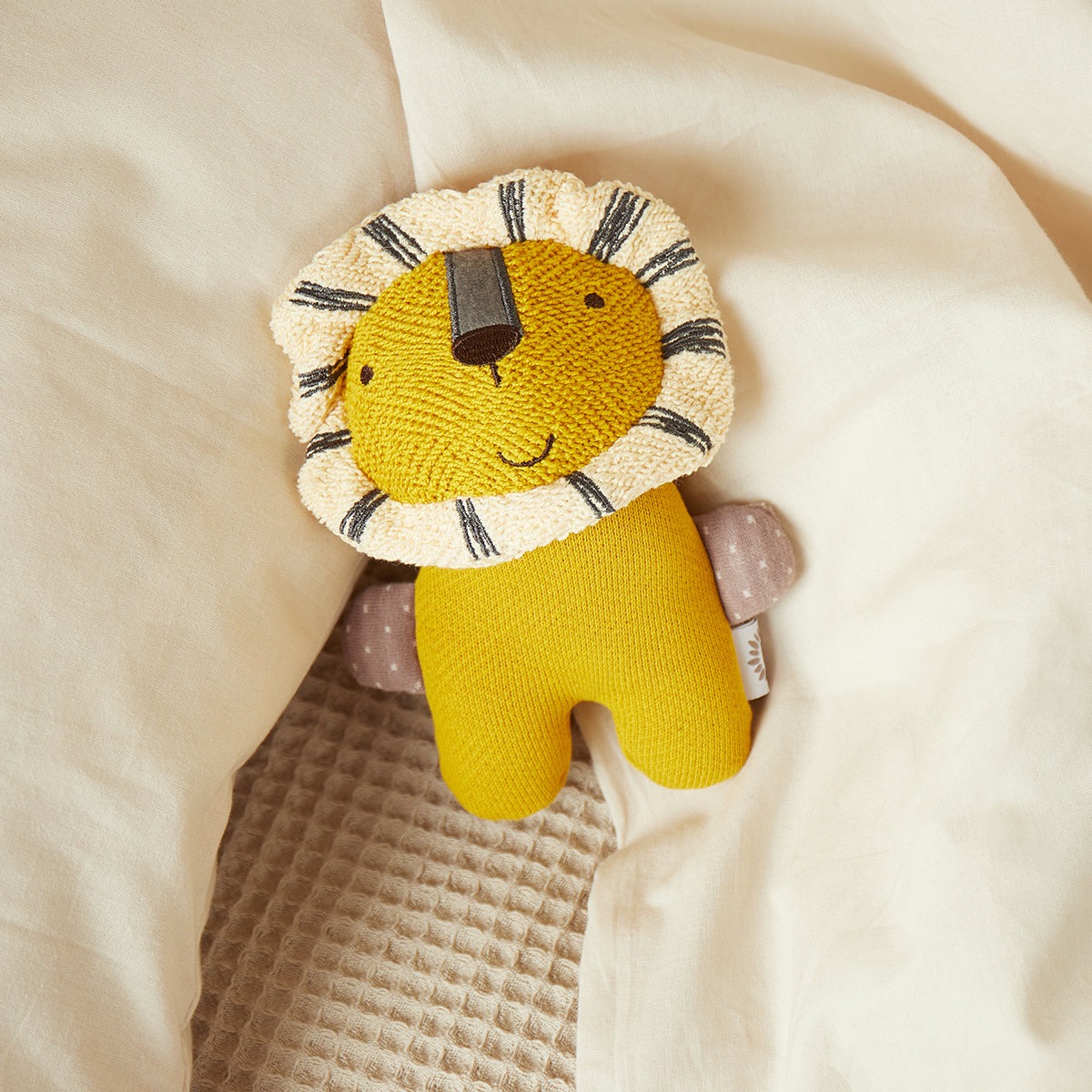
- Cuddly toys and stuffed animals – when closeness matters more than action.
- Bath toys – in case bath time only works with a distraction (we know the feeling).
Definitions in 3 sentences (so everyone is talking about the same thing)
Motor skills toys for ages 1 and up bring hands and mind together – because turning, grasping and sorting all happen at the same time. That's exactly the kind of “practice” that feels like play to children.
A baby walker is a push toy that can support your child in pulling up and starting to walk. What matters is that it suits your child's pace – not the ambitions of the adults.
A shape sorter is a “shape goes in – it fits!” game that trains patience and fine motor skills. And yes: at the beginning, everything is also happily put in the wrong place.
Which toy fits your daily life? (A little cheat sheet)
The best toy recommendation for ages 1 and up is almost always: “doable on their own” rather than “super complicated”. According to kindergesundheit-info.de, curiosity and the urge to move shape play in toddlerhood. (BIÖG / kindergesundheit-info.de) In everyday life, that means: things your child can start without help get played with the longest.
- For the home & hallway: Pull-along and push toys, baby walkers, ride-on vehicles – when “on the go” is the motto of the day.
- For quiet minutes: Wooden puzzles, inserting and sorting games, stacking games – your coffee won't stay hot, but at least it'll stay lukewarm.
- For on the go: Stroller toys – small, sturdy, easy to attach, quickly collected again.
- For the evening: Cuddly toys and sleep aids – for winding down after a big day.
And if you're searching for “toys for 1 1/2-year-olds”: That usually means 1 1/2 years (so approx. 18 months). At that age, more “copycat” ideas often already work: pushing, rolling, simple role play.
Fabric, wood or bath? A quick comparison (without the culture war)
The material determines how good a toy feels – and how easy it is to clean. Wood is often easy to grip and “honest” in the hand. Fabric is soft and comforting. And bath toys have to be able to do one thing above all: get wet and come out again.
Top decision aid: 3 questions that really help
If you're unsure, decide based on motor skills, movement and calm. That covers almost every day – whether you're looking for toys for a 1-year-old or already thinking ahead to recommendations for toys from 18 months.
- Does your child want to “fiddle”? Then sorting, inserting and puzzle ideas are often a hit.
- Does your child want to “go”? Then push, pull-along or ride-on ideas fit better.
- Does your child want to “cuddle”? Then a fabric toy/stuffed animal or a sleep aid is often worth its weight in gold.
Safety check for ages 1 and up (short list, 5 points)
- Really read the age recommendations and warnings. Under the EU Toy Safety Directive 2009/48/EC, retailers must, among other things, check labelling and safety information. (EUR‑Lex)
- CE is mandatory – but not an independent seal of testing. The CE mark is a manufacturer's declaration; the GS mark is considered an independent test mark. (Verbraucherzentrale)
- For children under 3 years: small parts are a no-go. If there's still a lot of “mouthing phase”, choose large, sturdy items with nothing that can be nibbled off.
- Smell is a warning sign. If it smells strongly chemical, better to leave it aside and air it out/check it rather than “it'll be fine”.
- For swallowing/choking hazards: let them cough and, when in doubt, get help. You'll find first aid information at gesund.bund.de. (gesund.bund.de)
Pros & cons: Three classics for toys from 1 year
If you only want to choose three types of toy, pick one for motor skills, one for movement, one for closeness. That's a pragmatic basic set – without having to open a playroom.
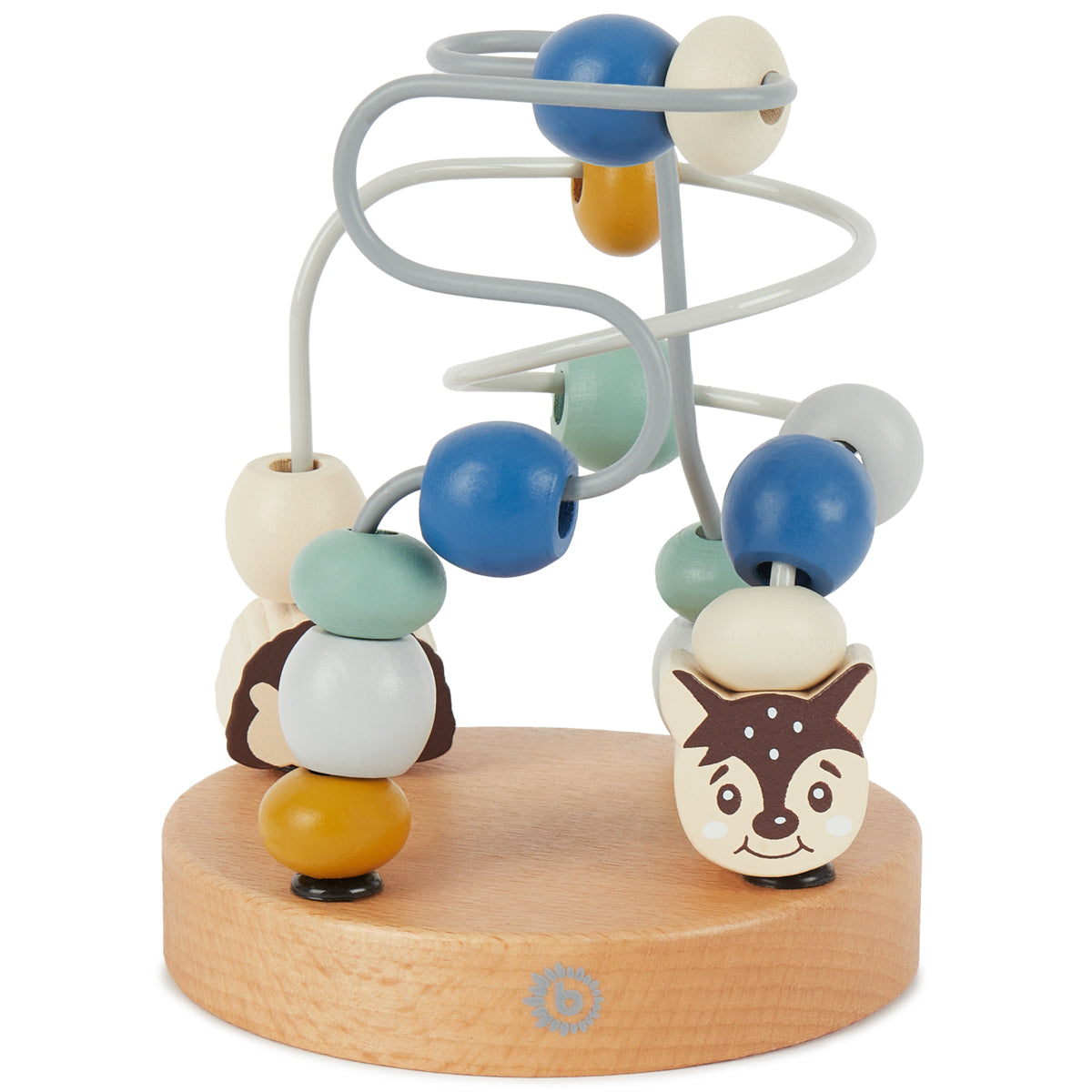
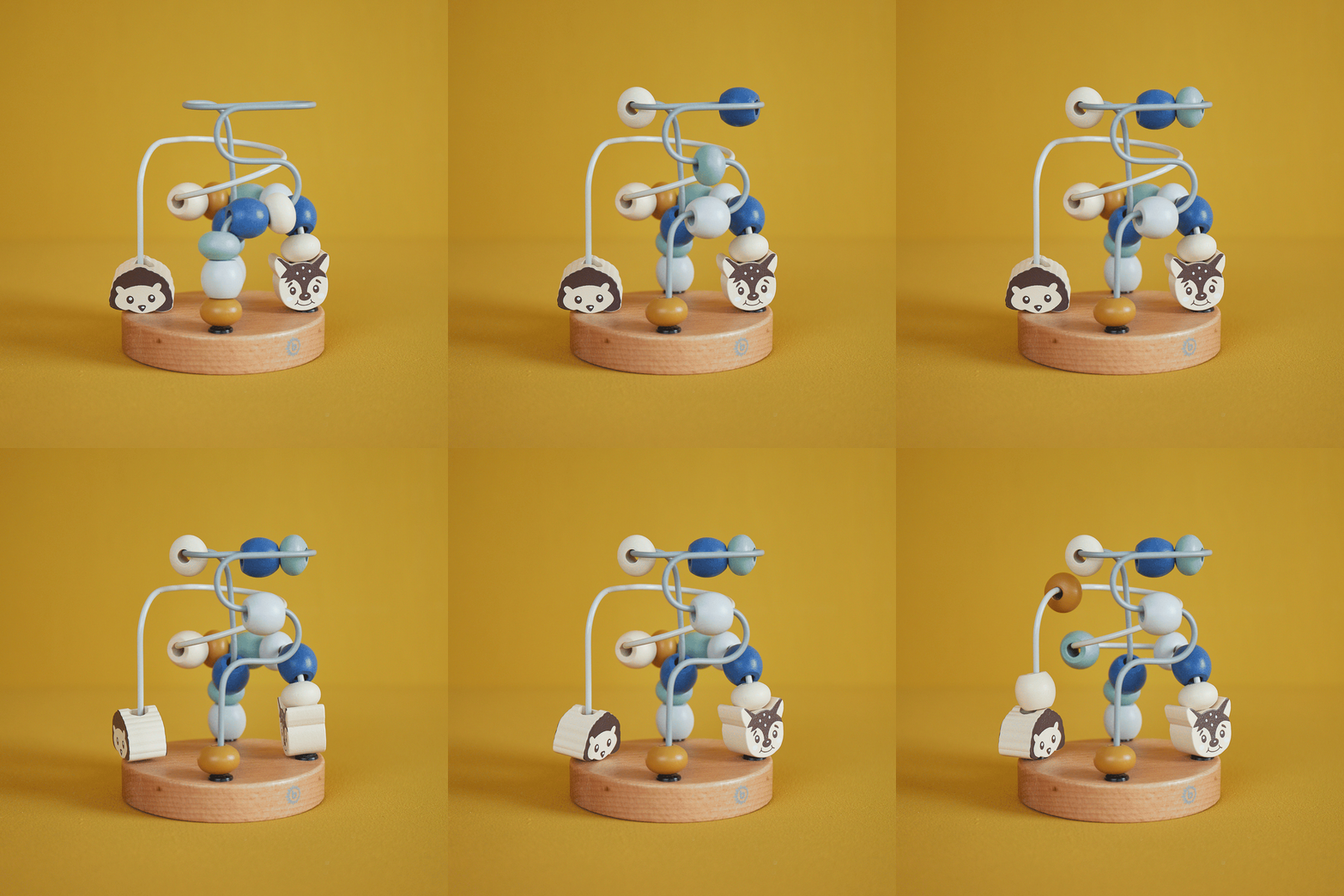
- Inserting/sorting game
ul>
li>Pro: trains fine motor skills, often keeps them entertained for a long time - Con: only age-appropriate, so that nothing is too small
What does “tested” actually mean for toys? (short, but important)
For toys in the EU, the Toy Safety Directive 2009/48/EC is the central foundation. It sets out essential safety requirements and, in practice, works together with harmonised standards. (EUR‑Lex)
For chemical requirements, EN 71‑3 plays a role because it tests the migration of certain elements. DIN explains that the standard takes into account, among other things, heavy metals such as arsenic, lead and mercury as well as other elements. (DIN)
And yes, things are changing: The new EU Toy Safety Regulation entered into force on 01.01.2026 and applies from 01.08.2030. The European Commission names stronger protection against harmful chemicals and better enforcement as goals, among others. (European Commission)
Toys from 1 year: boy, girl – or simply fitting?
Toys for a 1-year-old boy or toys for a 1-year-old girl are best when they suit the child – not the cliché. Some love vehicles, others stack cups, still others empty out drawers (yes, that counts). If you're looking for toys for 1-year-old girls: colours can be fun – the play idea matters more. The same of course applies to toys for 1-year-old boys.
How we choose these recommendations (transparency, short & honest)
We base our choices on suitability for everyday use, age recommendations and official safety foundations. In concrete terms: we look at EU requirements (e.g. Toy Safety Directive 2009/48/EC), use information from authorities as guidelines and take parents' daily lives seriously: cleaning, durability, “will it really get played with?”. And because, according to BIÖG, toddlers are “little explorers”, we always plan for it: things will be pulled, banged and put in the mouth. (BIÖG / kindergesundheit-info.de)
FAQ: Short & helpful
Which toys are suitable for children from 1 year?
Suitable toys are those your child can operate on their own and that are sturdy and large enough for their age. From 12 months, inserting and sorting games, first wooden puzzles, pull-along or push toys and stuffed animals often fit. For more examples (and why what fits when): The best toys for 1-year-olds: recommendations & tips for parents.
What is Montessori toy and from what age does it make sense?
Montessori toys are usually simple and invite independent experimenting. From around 1 year, simple sorting, inserting or stacking ideas often work well because they don't need constant bling. What matters is less the label than the calm in play. Explained in detail in: Montessori toys from 1 year: development through meaningful play.
Which marble run is suitable for 1-year-olds?
A marble run is only suitable for 1-year-olds if all parts are large, sturdy and age-appropriate according to the manufacturer. Pay particular attention that no small balls are freely accessible – many families only start with them later. If you're unsure, rather start with sorting or push ideas. More details: Toys from 1 year: recommendations.
How many toys does a child from 1 year really need?
Many families do well with a small selection – as long as it's varied. As a rule of thumb, often one motor skills item (e.g. sorting), one movement item (push/pull), one quiet item (puzzle/book) and one cuddly friend are enough. Tip: rotate instead of accumulating – putting one item away and bringing it out later feels surprisingly often like new.
How can I recognise safe children's toys for ages 1 and up?
Safe toys are well made, have suitable age recommendations and no easily detachable small parts. CE marking is mandatory in the EU; however, according to the Verbraucherzentrale, CE is not an independent seal of testing, whereas GS is considered an independent test mark. (Verbraucherzentrale)
Which is better: wooden toys or fabric toys?
“Better” is the material that is well made and suits your daily life. Wood is often great for stacking, sorting and puzzling; fabric is soft, comforting and accompanies quiet moments well. If you only choose one: think about cleaning and whether your child currently wants to “do” or “cuddle” more.
Which toys suit 1 1/2 years (1.5 years)?
At 1 1/2 years (approx. 18 months), many children like toys that allow more imitation and movement. Push and pull-along ideas, simple vehicles, first role-play prompts and something to sort are often popular. At the same time: if your child is still fully in the “mouthing phase”, large, sturdy parts remain the more relaxed choice.
What makes a sensible toy gift from 1 year?
A sensible gift is something that gets used right away and isn't “done” after two days. Classics are inserting and sorting games, wooden puzzles, pull-along and push toys or a stuffed animal. If you're unsure, it helps to take a look at the gift ideas – and then go for sturdy rather than “mega fancy”.
About this page
This page is a guide hub from the BIECO editorial team – written for parents, grandparents and gift-givers. BIECO is a family business from Hamburg (for 66 years) and we deliberately keep things practical here: what works in daily life, what is age-appropriate, what is easy to clean? On safety questions, we rely on primary sources such as the EU Toy Safety Directive 2009/48/EC and on information from authorities. (EUR‑Lex)
To finish: choose with a relaxed mind
Good toys for 1-year-olds don't have to be perfect – just fitting. If you pick one item for motor skills, one for movement and one for calm, you're already very well set up for many days. Browse “Toys from 1 Year” and click through to the subcategories – that's usually faster than wanting everything at once. And if you're torn between toys for a 1-year-old girl and toys for a 1-year-old boy: choose the one where you think, “I'd want to touch that too.” Surprisingly often, that's the right track.
By Ulli & Flo · Owners & parents More about us ↓

About this page
Ulli & Flo
Owners of bieco · Hamburg · parents ourselves
We're Ulli & Flo from the BIECO editorial team, and we like toys that don't get offended straight away in real everyday life. If it falls on the floor, it has to be able to take it (and so do we).