
Wooden Stacking Tower
Sort by
1 product
recently viewed
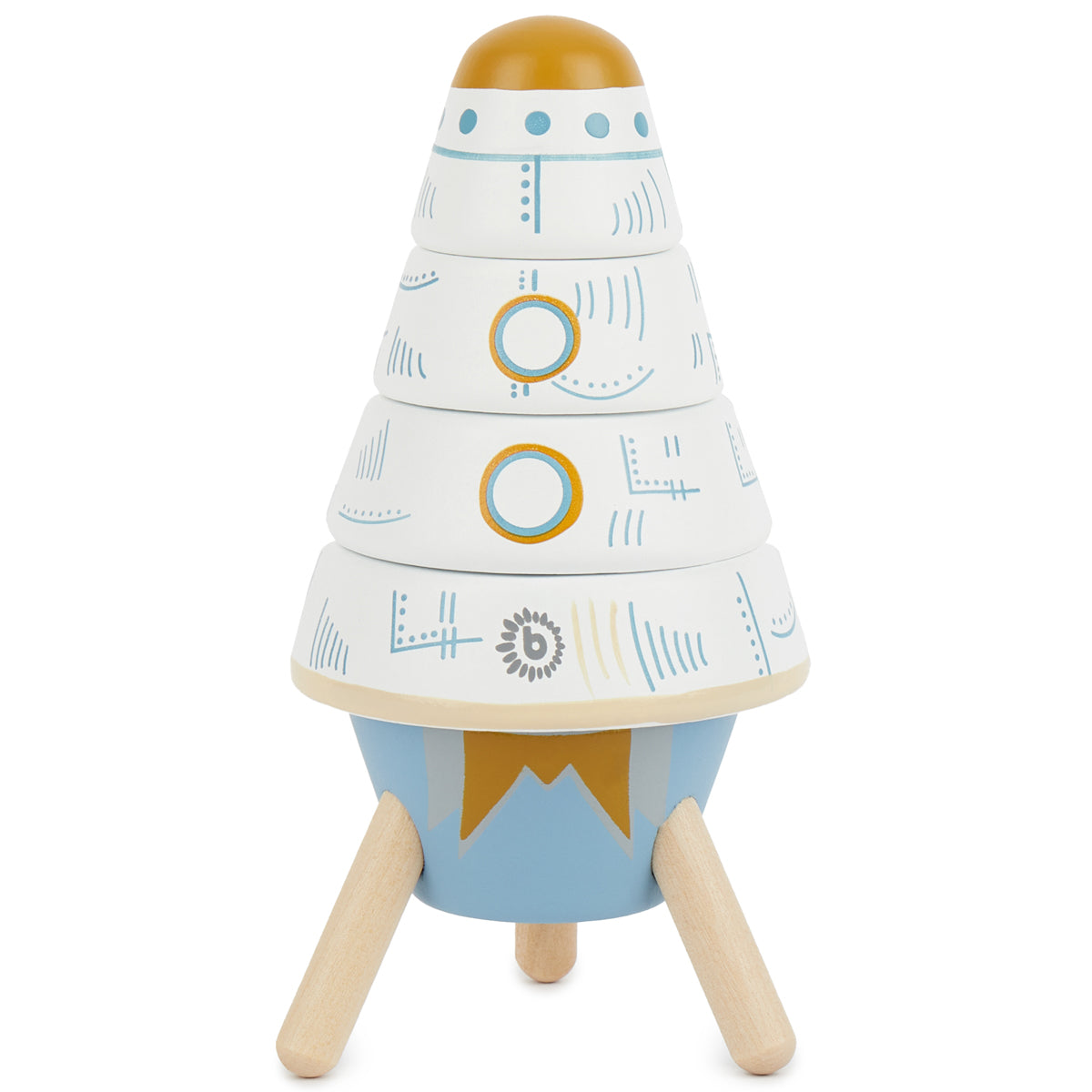
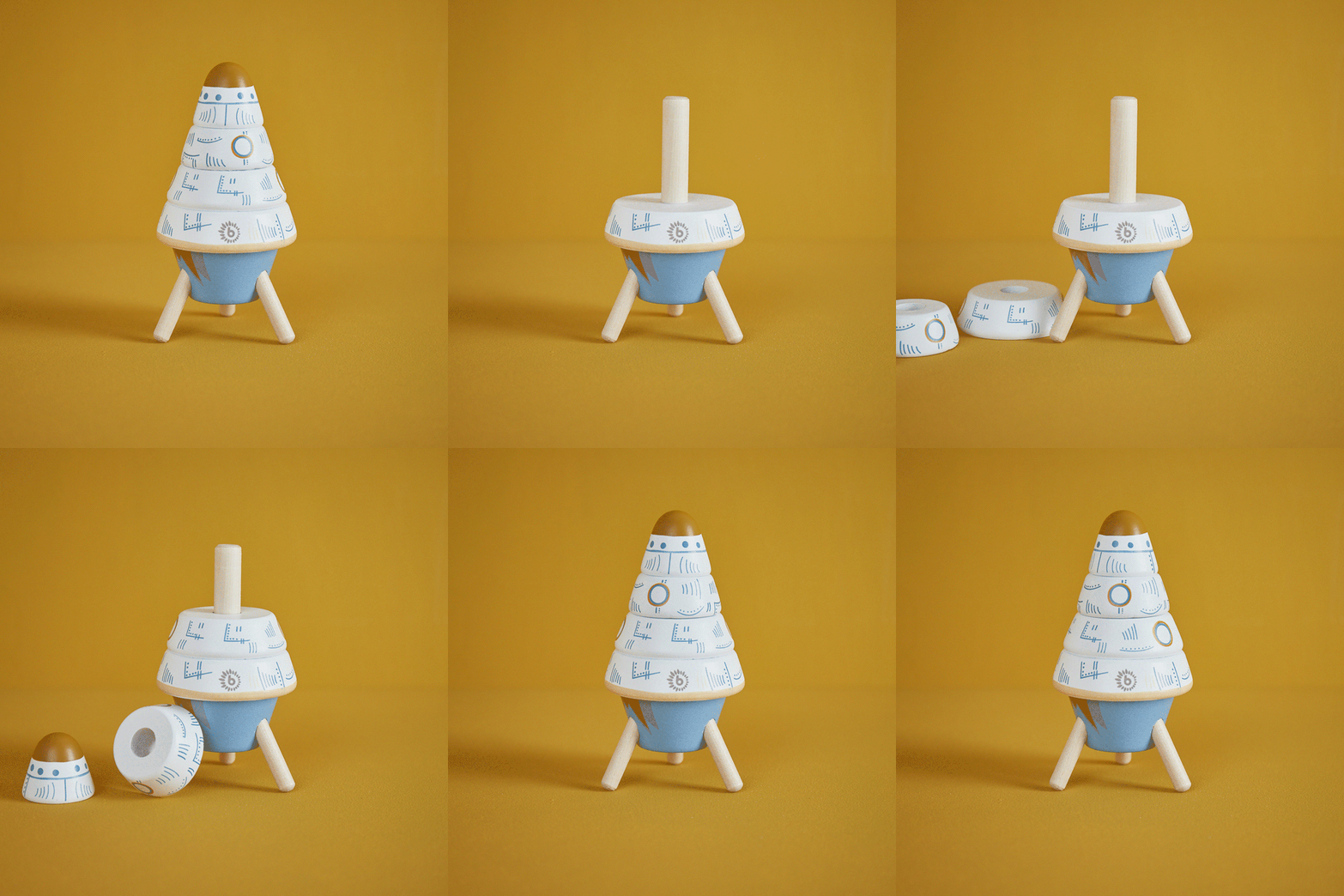
A wooden stacking tower is a motor-skills toy where children slide stacking rings or shapes onto a post and take them off again. That sounds simple, but it's exactly the kind of play that holds interest for a surprisingly long time in everyday life: first grasping and “put it on!”, later sorting by size, color or order. And because wooden stacking towers are usually quieter, easier to grip and nice to look at, they deserve a category of their own. If you'd like to browse the wooden shelf in general: Wooden toys.
- In short: A wooden stacking tower is great for calm indoor play and little fans of repetition.
- Who it's for: often exciting from approx. 12 months, depending on the child and the size of the pieces.
- Safety check: CE marking, smooth edges, nothing wobbles or comes loose.
- Care: wipe with a damp cloth, dry promptly – wood doesn't like long baths.
- Alternative: For the bath or sandbox, stacking cups are often more relaxed.
View wooden stacking towers · To stacking cups · To wooden toys
How to choose in 30 seconds: 5 buying criteria that really matter
If you only have a moment: look at piece size, post, surface, number of rings and proof of wood origin. With these, you'll usually already make a very good choice for a baby-friendly wooden stacking tower – without wading through reviews for hours.
- Piece size & graspability: For toys for ages 12 months and up, larger, easy-to-grip wooden stacking rings are often less frustrating than tiny pieces.
- Post (fixed or flexible): A fixed post gives clarity, while a slightly flexible one is more forgiving of a wobble when putting rings on.
- Number of rings: Fewer pieces = quick success; more pieces = interesting for longer, once “I can already do it!” kicks in.
- Surface & finish: Smooth, cleanly made, no splintery spots – in everyday life that matters more than any debate about color.
- FSC/PEFC & origin: A forest seal like FSC can be a good compass if responsible forestry matters to you.
Shop by age
- From 12 months: large rings, quick success, lots of “again!”
- From 18 months: more pieces, more sorting, more “I do it myself”
Shop by type
- Stacking rings: classic, great for sorting by size
- Shape stackers: more puzzle element, once matching shapes becomes exciting
Shop by feature
- Flexible post: more forgiving when putting pieces on
- Sorting function: for when “matching” is the big thing right now
Gift for a 1st birthday
If you're looking for something that gets played with right away and not just “someday later”: a stacking tower with a few large pieces is often a welcome hit. And if you'd rather have something smaller to combine it with: Rattles and teething rings almost always work.
Why a wooden stacking tower supports development so well “on the side” (without feeling like training)
A wooden stacking tower supports fine motor skills and hand-eye coordination – quietly, with lots of small repetitions. Grasp the ring, line it up, put it on, take it off again – and at some point it just works. That repetition is worth its weight in gold when children are practicing “I do it myself.”
Many people search for “Montessori stacking tower” and mean by that: clear shapes, easy to understand, and the child can try things out independently. If the toy invites that, it usually fits.
For families, the biggest advantage is often very practical: wood is pleasantly quiet to play with and withstands a lot in everyday life.
Wood vs. stacking cups: What suits your everyday life?
Wood is usually the calm indoor option, while cups are the outdoor and bath buddies. If you're torn between the two: think less about “better” and more about “where do you really play?” – living room, bathtub, sandbox or on the go.
Safety & materials: a short checklist for buying
If these five points check out, you're generally on the safe side with a wooden stacking tower.
- CE marking: a must for toys in the EU.
- Clean workmanship: no splinters, no sharp edges, everything smooth.
- Stable connection: the post sits securely, nothing wobbles or comes loose.
- Tested colors/paints: saliva-resistant and suitable for toddlers (according to the EU Toy Safety Directive).
- Clear manufacturer information: age recommendation, material information, contact.
If you'd like to compare materials in more depth, we have a guide for that: Wooden or silicone stacking tower? Materials compared.
Care: How to keep the wooden stacking tower looking nice (and stay relaxed yourself)
Wood likes it quick: wipe with a damp cloth, then rub dry. In real life that means: after the mealtime mishap, one wipe and you're done. Please don't “park” it in the dishwater and don't use harsh cleaners – wood is more the “North Sea breeze” type than the “long bath” type.
If pieces like to disappear: a sturdy box saves your nerves in the evening. For everything that otherwise starts a new life under the sofa, a simple solution from Storage helps.
BIECO & wooden toys: Why we like this category
BIECO is a family business from Hamburg – and we think about toys starting from everyday life. For 66 years, we've been focused on things that aren't just pretty but also keep up: being touched, dropped, picked up again, played with further. Our style is modern, Scandi-inspired and more “fits in the living room” than “screams at you.”
If the stacking tower isn't right for you at the moment: there are good neighbors on the shelf. For little hands, rattles and teething rings are often a lovely start, and when movement becomes the big thing, baby walkers or pull-along and push toys are often the next step.
Mini pros & cons: Wooden stacking tower
Wood isn't automatically “better” – but often exactly right for indoors.
- Pro: sturdy, pleasant feel, usually quieter, timeless look
- Con: not meant for water play, cleaning is more “wipe” than “dishwasher-safe”
FAQ: Wooden stacking tower
From what age does a wooden stacking tower make sense for a 1-year-old?
Many children are keen on “putting things on” from around 12 months – sorting comes later. What matters is the size of the pieces and your child's patience: large wooden stacking rings are often a frustration-free start. More detail (with typical milestones) in our guide: From what age does a stacking tower make sense? Tips for parents.
How many rings make sense?
To start, 4–6 pieces are often enough so that a sense of achievement comes quickly. If your child already likes to sort or sticks with things longer, there can be more – then it stays interesting for longer.
Fixed or flexible post – which is better?
A flexible post is often more relaxed when there's still a lot of momentum while putting pieces on. A fixed post feels “clear” and works well when your child is already stacking more purposefully.
How can I tell if a wooden stacking tower is safe?
CE marking plus clean workmanship are the two things you can actually see and check. Look for smooth edges, firmly seated parts and a surface without splinters. If the age recommendation and material information are also clear, it usually feels right.
What does EN 71-3 mean for wooden toys?
In short: it's about tested colors/paints, so that nothing unwanted transfers when the toy is chewed on.
If you want to browse now: take a look around the collection – and if you love wood in general, head over to our overview. Back to the main category Wooden toys (there's almost always “one for later” in there).
By Ulli & Flo · Owners & parents More about us ↓

About this page
Ulli & Flo
Owners of bieco · Hamburg · parents ourselves
We like wooden stacking towers because they simply work in everyday life: set it down, start playing, done. And if something falls down, at least it sounds like "wood" – not like the end of the world.