
Pull-Along Toy
Sort by
7 products



recently viewed
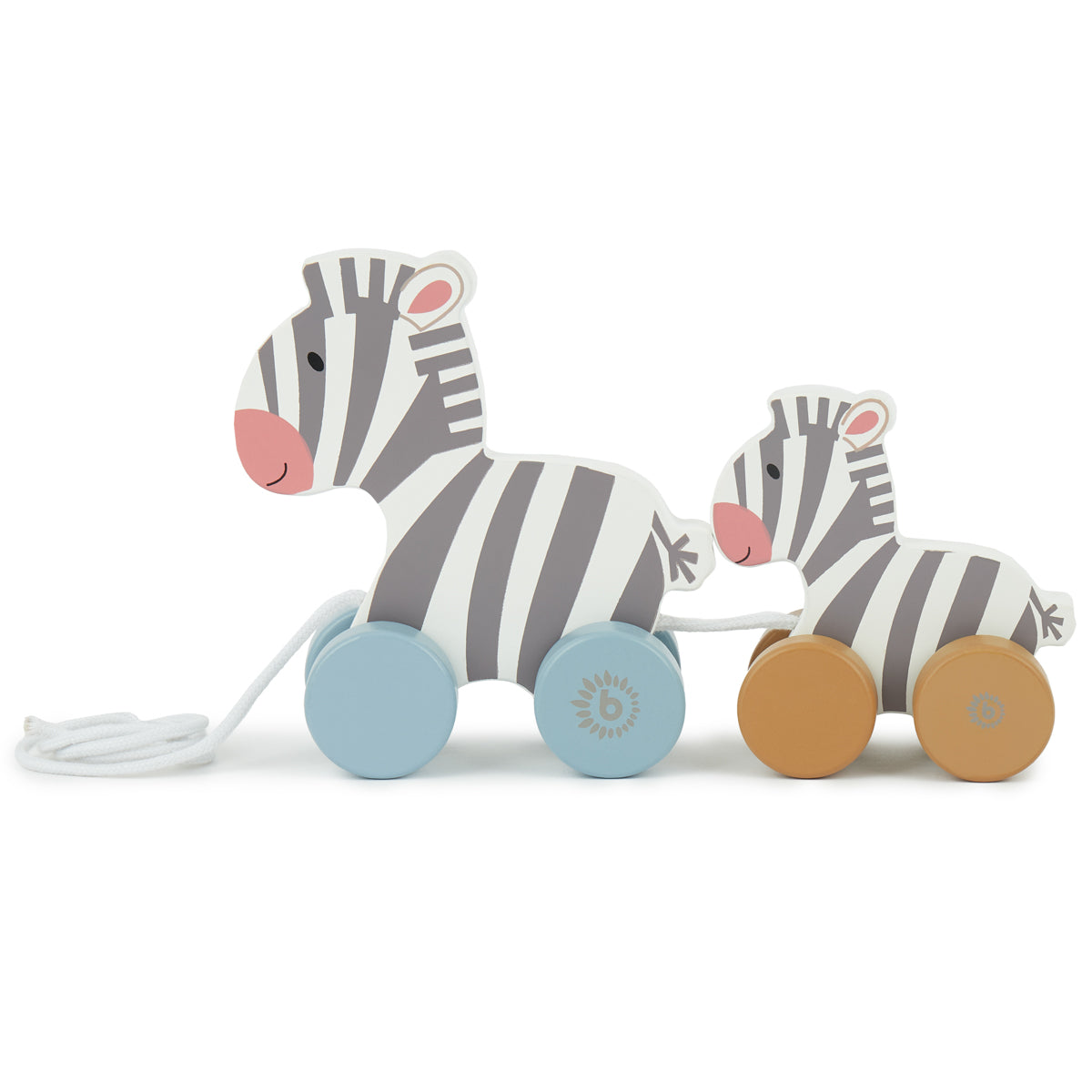
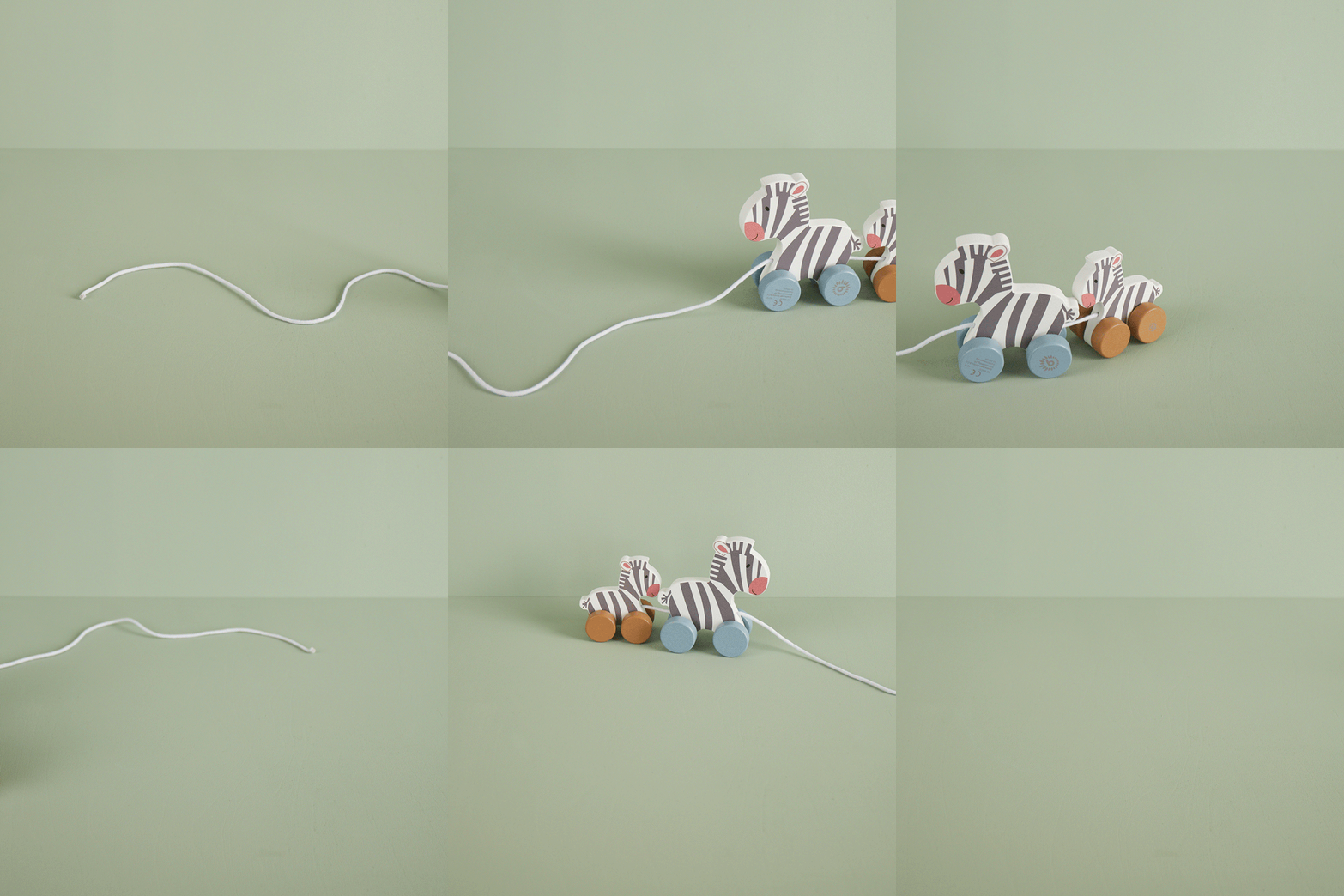
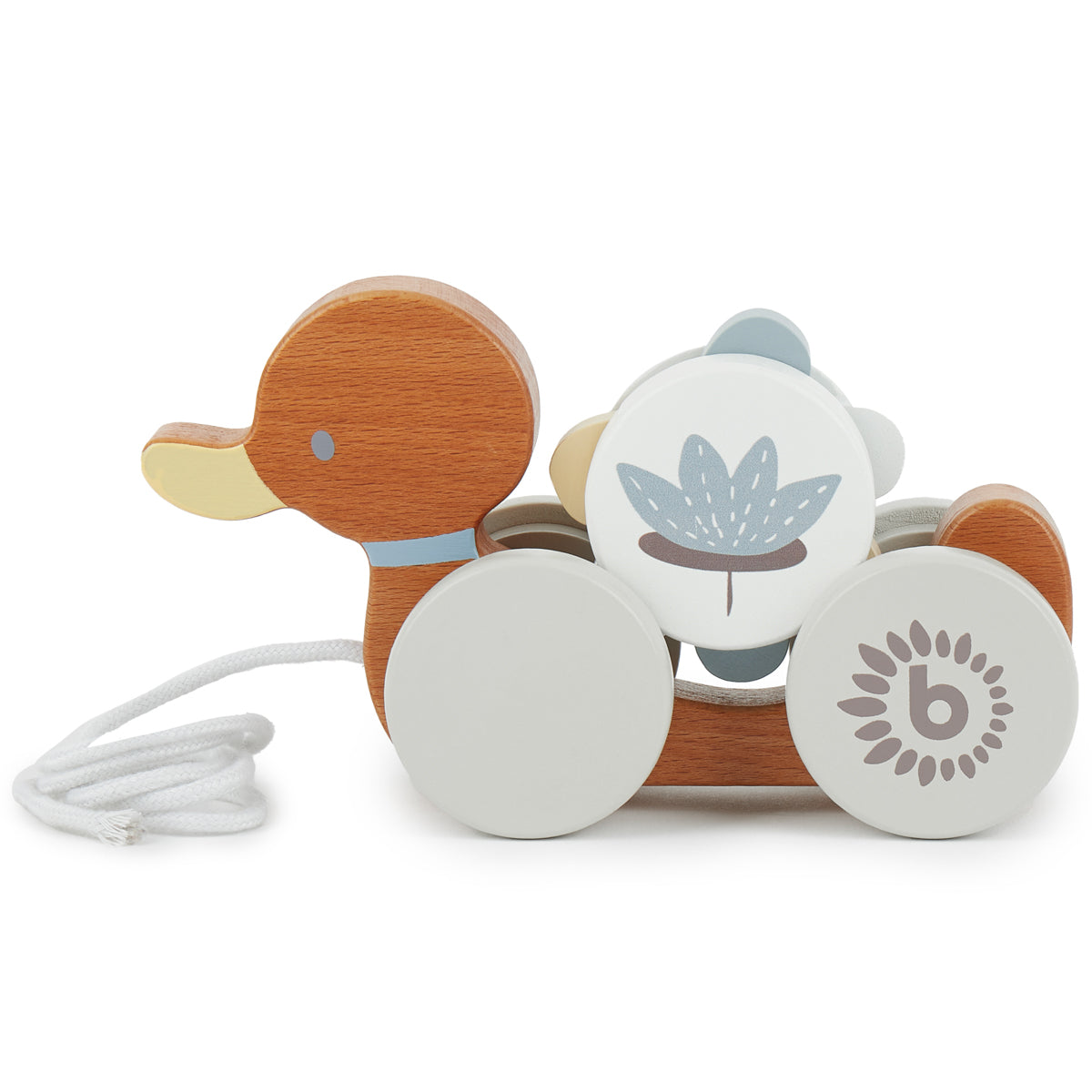
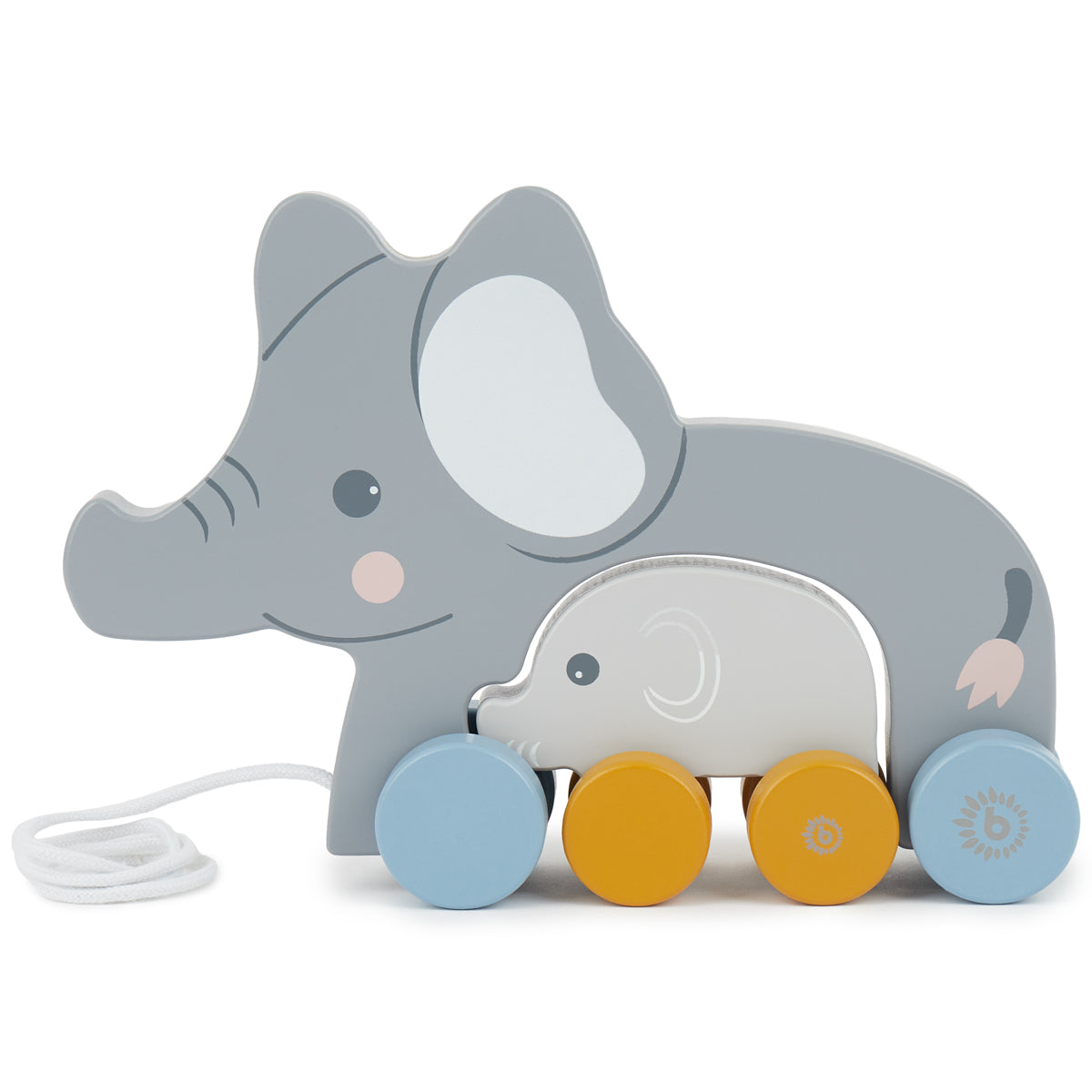
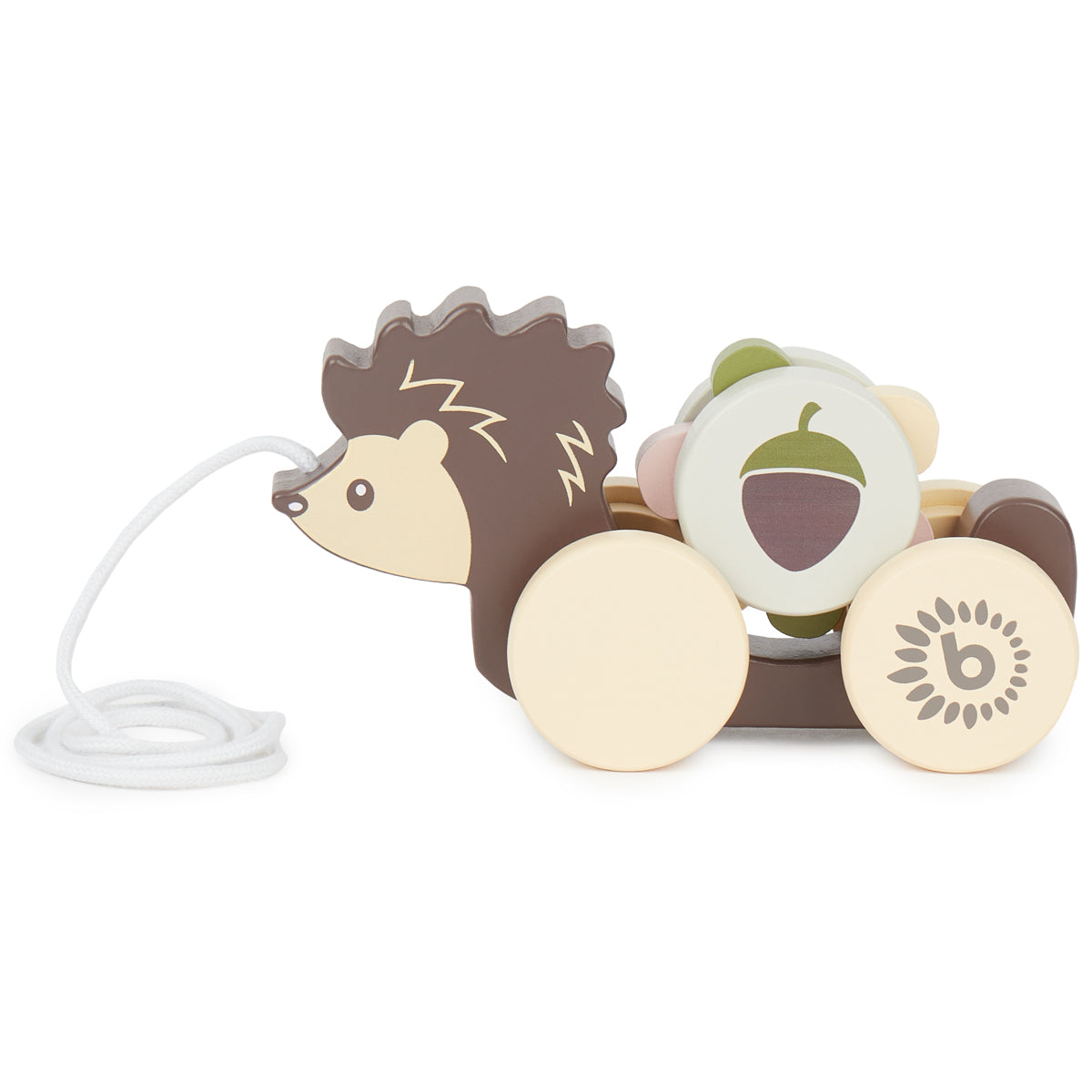
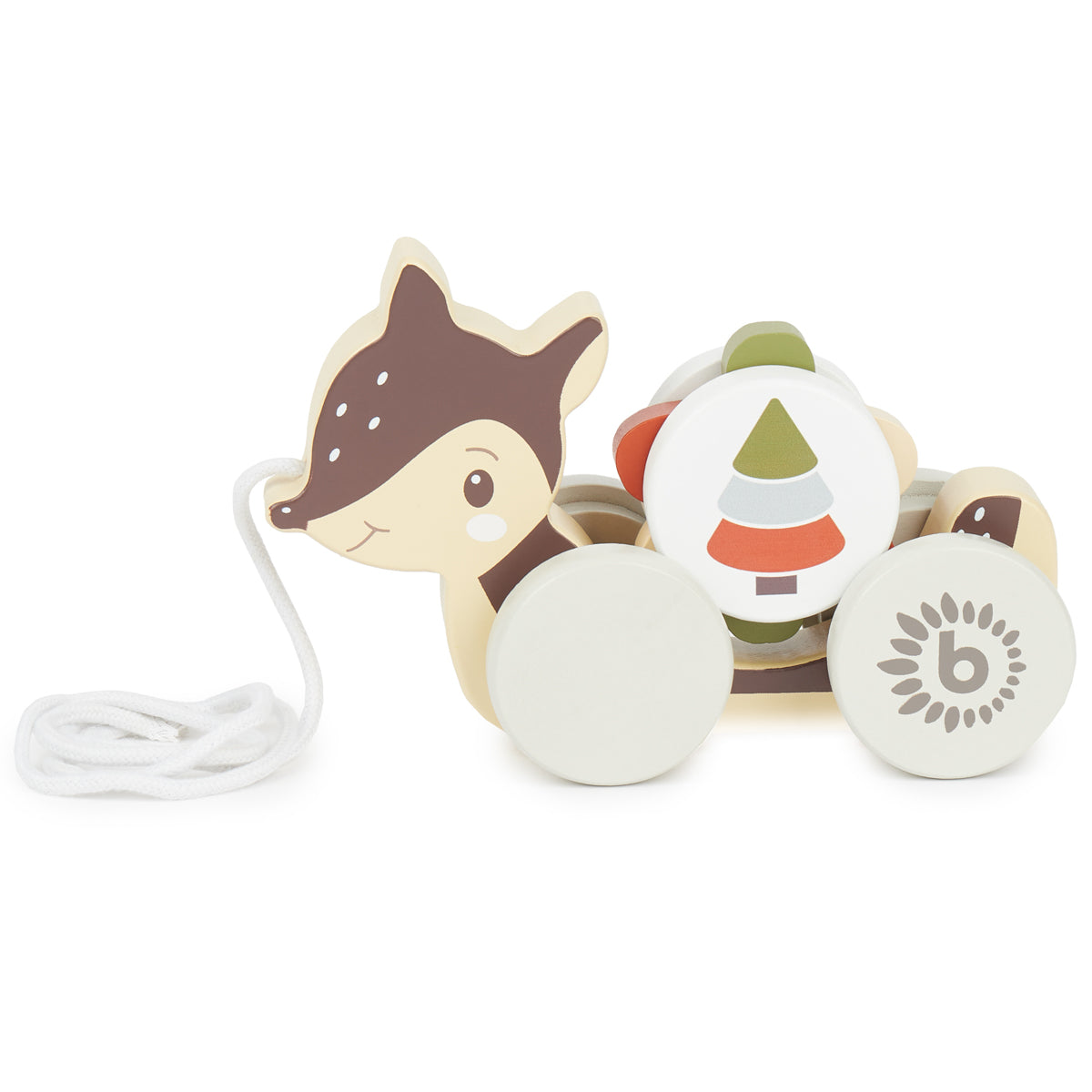
A pull-along animal (also called a pull toy animal) is a pull-along toy that children tow behind them on a pull cord. And yes, that sounds simple – but in everyday life it's often exactly the kind of play that works without any big fuss. As those first steps become more confident, a “come on, let's go together” companion like this does many children good. You don't have to coax anyone: the toy does the job itself. String in hand, toddle off, roll along behind. And if you're wondering whether this page looks like an “empty category” right now: don't worry – it's deliberately written as a guide, so you know what makes a good pull-along animal without having to scroll for ages.
Mini cheat sheet: 3 key criteria for a good pull-along animal. 1) It rolls easily (low rolling resistance). 2) It is sturdily made (nothing wobbles or scratches). 3) The pull cord is firmly attached and suited to everyday use.
The key points at a glance
- For new walkers, what counts is: easy to pull, rolls steadily, nothing catches.
- Quiet wheels are worth their weight in gold indoors – especially on parquet.
- Wood is robust; what matters are smooth edges and firmly attached parts.
- CE marking is a must – and the GS mark is a strong extra.
- If there's lacquer or paint: using EN 71-3 as a guide helps.
How to find the right pull-along animal in this collection (without the headache)
Ask yourself 4 quick questions – and in 2 minutes you'll be a lot wiser. This isn't rocket science, more like a little shopping list on the fridge.
- How steadily does your child walk already? For wobbly beginners: easy rolling, light weight, a stable track.
- Do you mostly play indoors or outdoors too? Indoors, quiet wheels are worth it; outdoors, robust wheels matter more.
- Which floor is the standard at your home? On carpet you often need larger wheels and less rolling resistance.
- Wood or would you rather have another material? Wood feels classic and long-lasting; other materials can be lighter or quieter.
- Does your child like noises? Some love a good clatter – others get startled at first and leave it standing.
If you'd rather keep “pull or push?” open, the umbrella category is often more practical. Then browse Pull-Along and Push Toys – you'll find both there, without having to commit.
Which pull-along animal suits your everyday life?
The best pull-along animal is the one your child actually takes along – not the one that just looks pretty. To start with, models that roll easily and don't “work against” the child are ideal. Too much rolling resistance quickly turns “I'm off!” into “Nope.” – and you're left standing there negotiating with a very determined mini-person.
A wide stance (wide track) tips over less often and feels steadier when pulled. Also pay attention to the wheels: large wheels often roll more easily over carpet edges and small thresholds. And if you have parquet at home: quiet wheels aren't a luxury, they're family peace measured in dB.
Fabric, wood, wheels – what makes the difference?
A wooden pull-along animal is often long-lasting – as long as the workmanship is right. Wood usually shrugs off bumps against door frames more calmly. According to the German consumer advice centre (Verbraucherzentrale), with wooden toys you should make sure that no small parts come loose and that treated paints and lacquers comply with the toy standard DIN EN 71-3. (Verbraucherzentrale)
Quiet wheels often come from a soft tyre – that's gentle on floors and ears. Especially in the evening, when you had actually planned to “wind down”, a pull-along animal likes to roll one more victory lap. With quiet wheels, that's considerably less… let's say… conversation-provoking.
A pull animal is the cute, animal-shaped corner of pull-along toys – and it works without any explanation. Unpack it, grab the string, off you go. That also makes it wonderfully uncomplicated as a gift.
Comparison: Which variant suits which situation?
Safety & “free from harmful substances”: short, clear, no panic
A safe pull-along animal is sturdily built, cleanly finished and properly labelled. According to the German consumer advice centre (Verbraucherzentrale), the CE mark on toys is a manufacturer's declaration and not a test mark; the GS mark, by contrast, indicates testing by an independent body. (Verbraucherzentrale)
- Pro: A firm pull cord attachment is reassuring. Con: Loose knots or wobbly eyelets are a no-go.
- Pro: Smooth edges are a must – even with wood. Con: Rough spots aren't “rustic”, they're ouch.
- Pro: Large wheels often roll more smoothly over edges. Con: Tiny wheels are more likely to catch and cause frustration.
EN 71 is the family of toy standards – it covers mechanics, fire and chemistry. As a rough guide: EN 71-1 concerns mechanical/physical properties, EN 71-2 flammability, and EN 71-3 chemical testing (e.g. migration of certain substances); testing bodies explicitly name these parts of the standard in their test scopes. (TÜV Rheinland)
When you read “free from harmful substances”, think: good materials, clear labelling, reputable testing. The BfR (German Federal Institute for Risk Assessment) assesses the health effects of substances in toys (including phthalate plasticisers, PAHs and fragrances) and advises on the further development of requirements at EU level. (BfR)
Sustainability for wooden pull-along animals: FSC & co. – a quick overview
FSC indicates wood from responsibly managed forests – a handy guide when buying wooden toys. If origin matters to you, labels like FSC are a good reference point (and yes, it's not “perfect”, but better than a shrug). What can be FSC-certified in principle is explained by FSC itself. (FSC)
“From 1 year” & co.: What does that mean in real life?
Age recommendations help – but what's decisive is whether your child already walks steadily enough. Some are speeding along at 12 months, others take their time (and that's perfectly okay). What matters: the toy should motivate, not frustrate. If your child is still very wobbly, choose a light pull-along toy with low rolling resistance.
Movement can be playful – no pressure needed. The BZgA/kindergesundheit-info stresses that children should gather movement experiences in everyday life, and warns, for example, against classic baby walkers, which can encourage an unnatural movement pattern. (kindergesundheit-info.de)
What will you find at BIECO?
BIECO is a family business from Hamburg – bringing toys into everyday life for 66 years. We like modern Scandi design: friendly, clear, not over the top. And we make sure that toys are tested and certified according to European and German standards and norms (as is usual and important for toys in the EU).
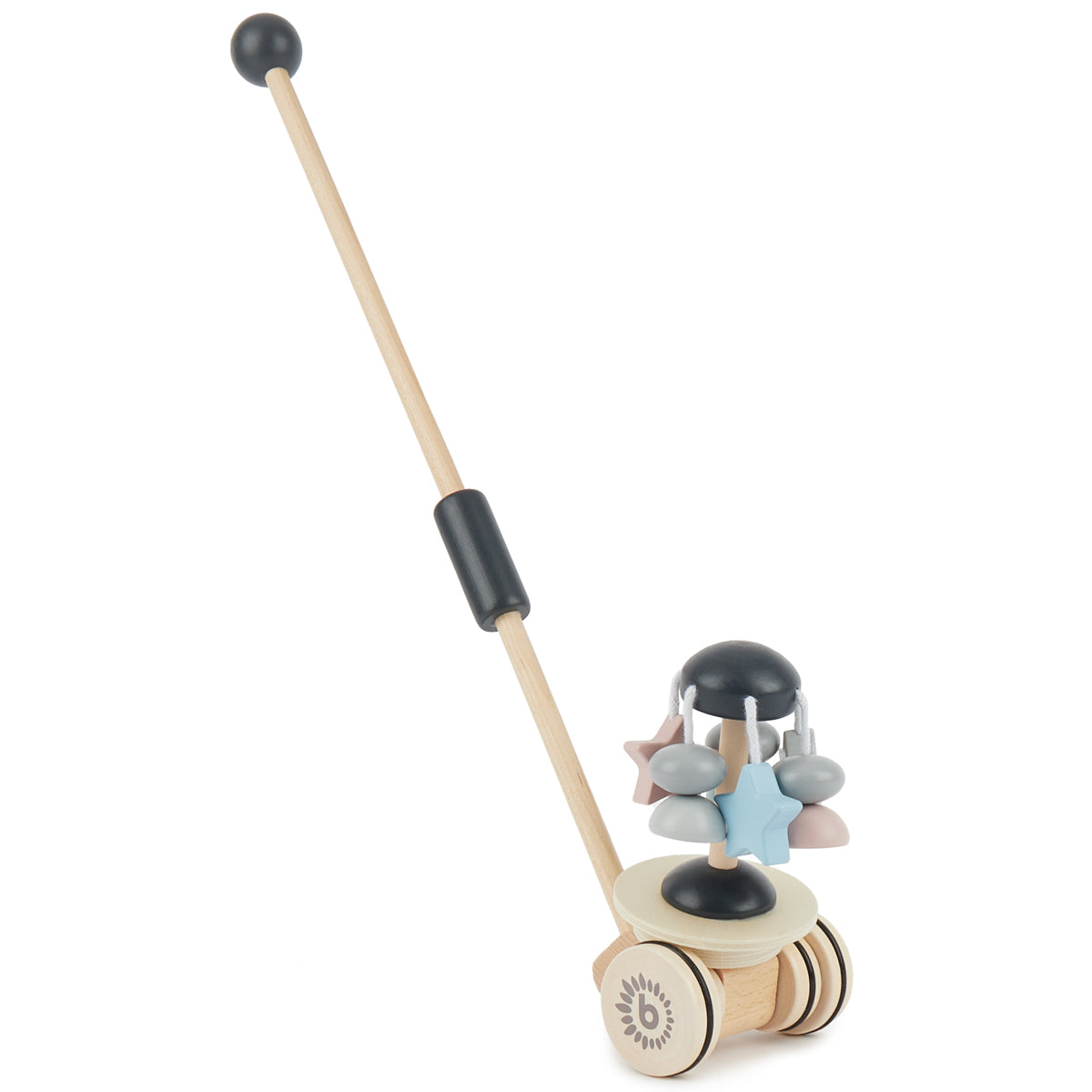
If your child prefers pushing to pulling, combining categories is often the relaxed way to go. For that, take a look at Baby Walker Wagons – or browse Wooden Toys if you're generally Team Wood.
Want more depth? Our guides (briefly linked, promise)
For “from what age” and developmental questions, we deliberately keep it short here. Explained in detail in our guide: Pull-Along Animals: From What Age Do They Make Sense? The Big Parents' Guide.
If you're especially interested in wooden pull-along animals, we have a dedicated comparison. You'll find it here: Wooden Pull-Along Animals: Benefits, Comparison & Tips for Choosing.
FAQ: Short & helpful
What is a pull-along animal and why is it useful for children?
A pull-along animal motivates many children to walk because “something comes along”. The play stays easy: pull, stop, off again. For a detailed overview (including “from what age”), see our guide: Pull-Along Animals: From What Age Do They Make Sense? The Big Parents' Guide.
From what age does a pull-along animal make sense?
It usually makes sense once your child can walk a few steps confidently. That depends less on the birthday than on balance. To start with, easy-rolling wheels and low rolling resistance help so it doesn't cause frustration. Explained in detail in: Pull-Along Animal Guide.
Wooden pull-along animals: What should I look out for?
With a wooden pull-along animal, smooth edges, firmly attached parts and a clean surface are what count. According to the German consumer advice centre (Verbraucherzentrale), no small parts should come loose on wooden toys; for paints and lacquers, DIN EN 71-3 is a sensible guide. (Verbraucherzentrale)
What does “EN 71” mean in toy standards?
EN 71 is a series of standards describing safety tests for toys. In simple terms: EN 71-1 concerns mechanical/physical risks, EN 71-2 flammability, EN 71-3 chemical testing. Testing bodies typically list these parts of the standard as their test scope. (TÜV Rheinland)
What should I look out for regarding pull cord length and attachment?
Above all, the pull cord must be firmly attached and appropriate for the child's age. Pay attention to warnings and age recommendations; long strings are one reason why toys for children under 3 are often ruled out, as the German consumer advice centre (Verbraucherzentrale) explains in its section on warnings. (Verbraucherzentrale)
Are “free from harmful substances” pull-along animals guaranteed to be free from harmful substances?
A guarantee is rare – but you can reduce the risk with test marks and reliable information. Look for clear labelling (CE) and, ideally, additional test marks (e.g. GS). The BfR assesses the health risks of individual substances in toys and supports work on limit values at EU level. (BfR)
Which pull-along toy alternative is suitable if my child doesn't want to pull?
Then push toys or a baby walker wagon are often the more relaxed next step. Some children prefer “in front of me” to “behind me”. Feel free to take a look at Baby Walker Wagons or at Pull-Along and Push Toys.
Is a pull-along animal a good gift idea?
Yes – because it works without instructions and often stays in use for a long time. As a gift-giver, pay attention to age recommendations, sturdy workmanship and (if possible) quiet wheels for indoors. For more ideas, browse Gift Ideas.
About this page
This text was written by the BIECO editorial team and last updated on 10 February 2026. We are a family business from Hamburg (for 66 years) and we write these pages so that parents and gift-givers can quickly find the right criteria – even when a collection starts out (still) without visible product assignments. For safety and material topics, we draw on consumer guidance (e.g. the Verbraucherzentrale) and on the standards and testing practice around EN 71, as described by testing institutes. (TÜV Rheinland)
To wrap up (completely stress-free)
If you want to buy a pull-along animal, choose one that rolls easily and is cleanly made. That already gains you a lot in everyday life. Browse our collection Pull-Along Animals or, for more wooden favourites, take a look at Wooden Toys. And if you feel briefly overwhelmed while choosing: don't worry – in the end, surprisingly often the animal that makes your child smile first is the winner.
By Ulli & Flo · Owners & parents More about us ↓

About this page
Ulli & Flo
Owners of bieco · Hamburg · parents ourselves
We like pull-along animals because they're so wonderfully uncomplicated: string in hand, off you go. And if there's the odd clatter, don't worry, it's usually just enthusiasm on wheels.