
Montessori Play Gym
Sort by
8 products
recently viewed
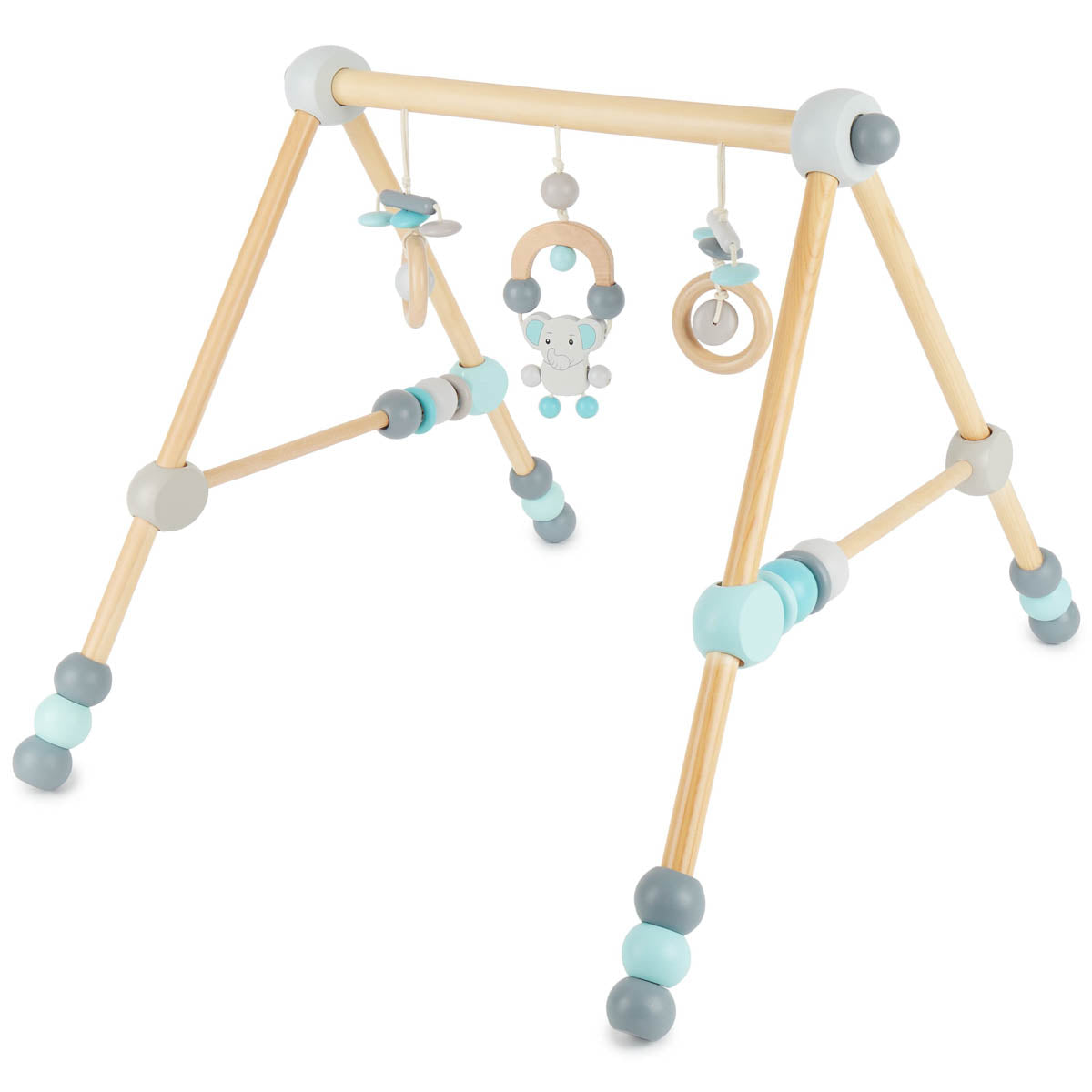
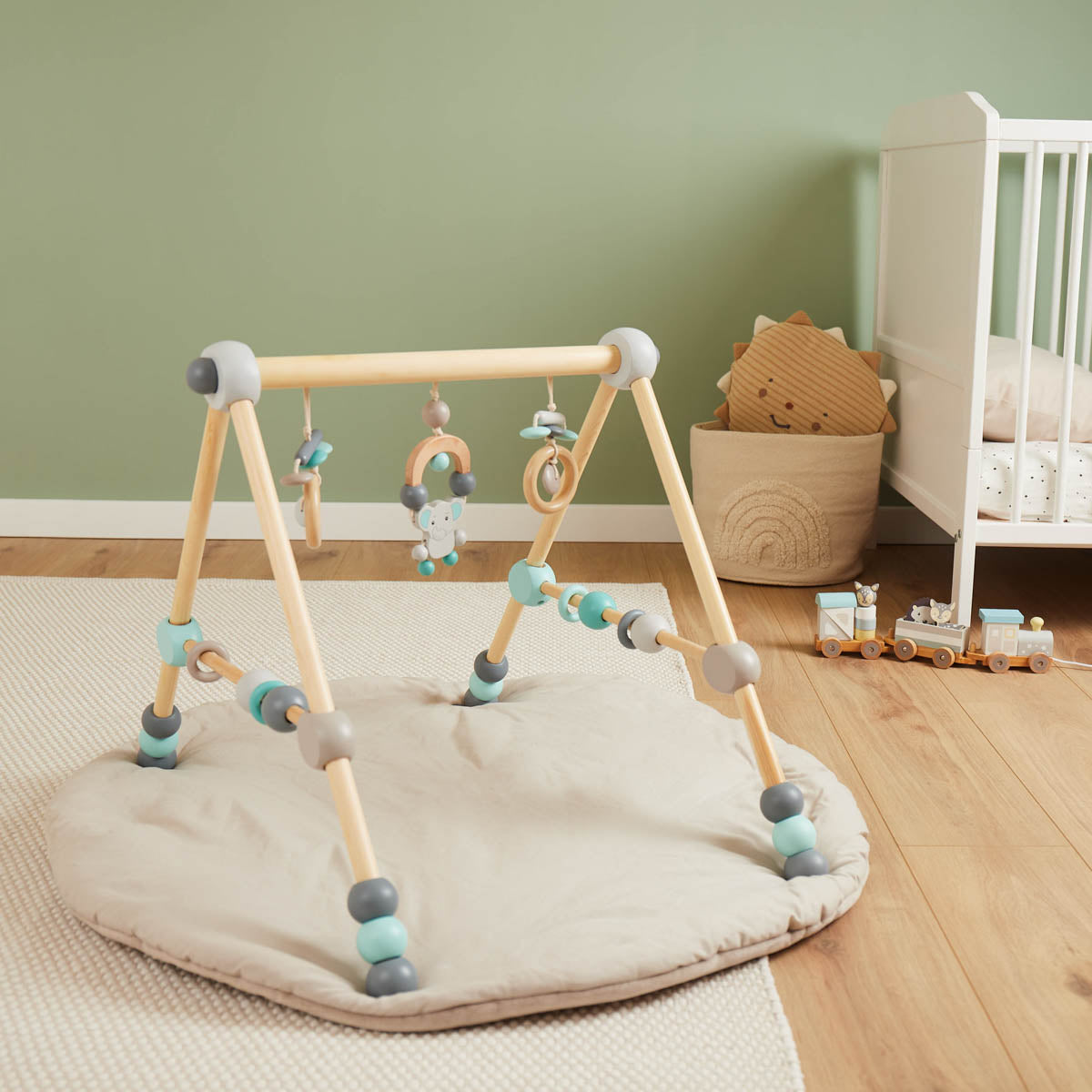
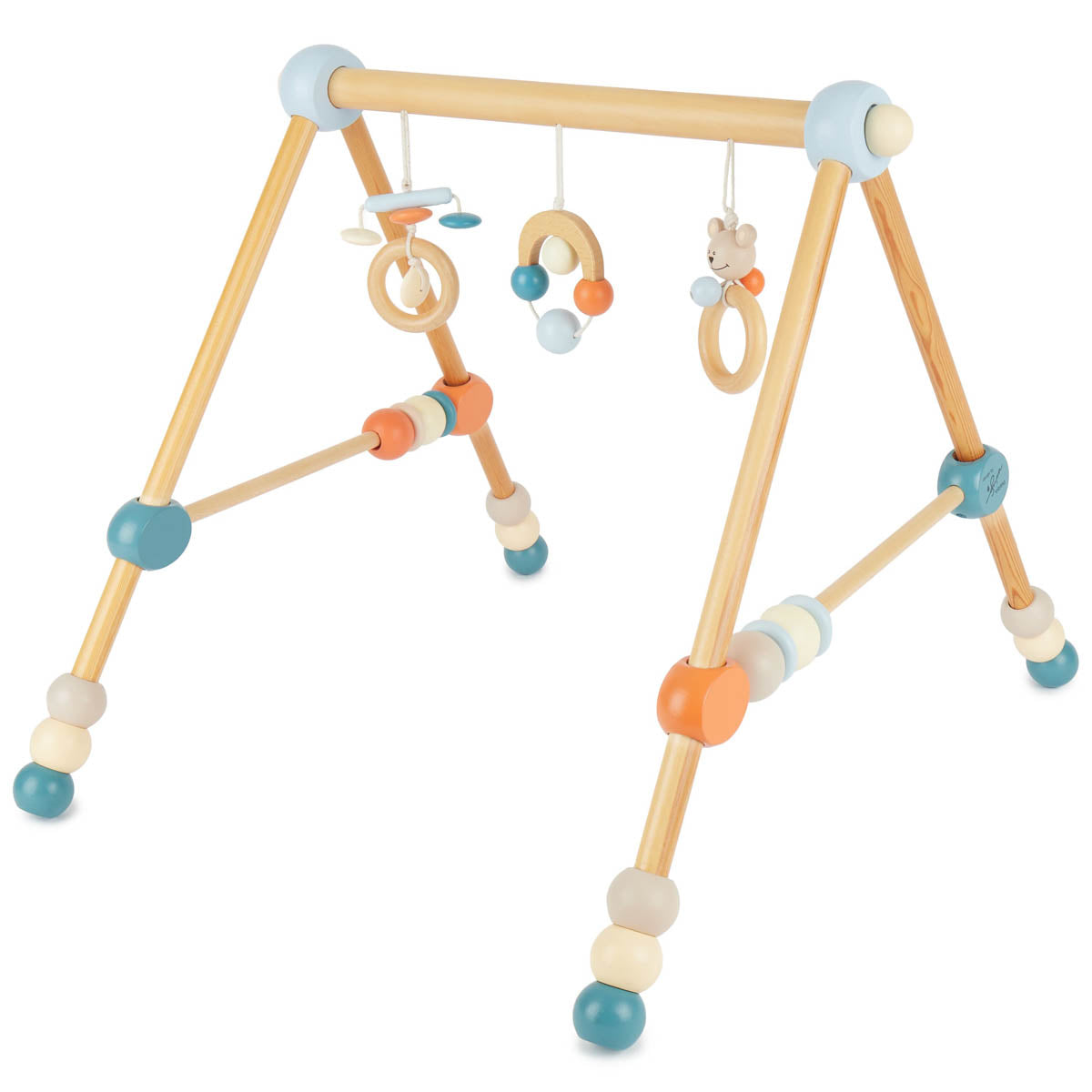
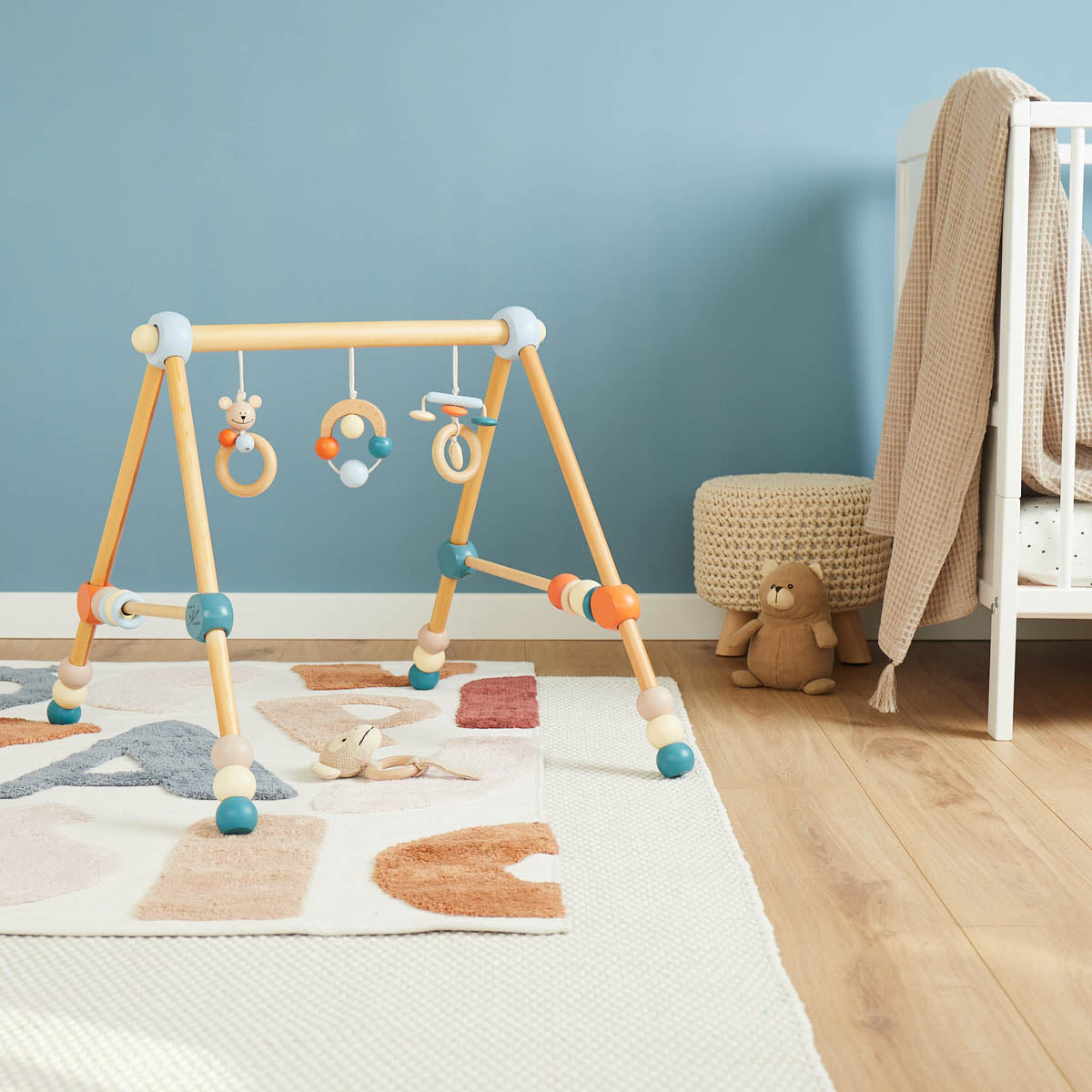
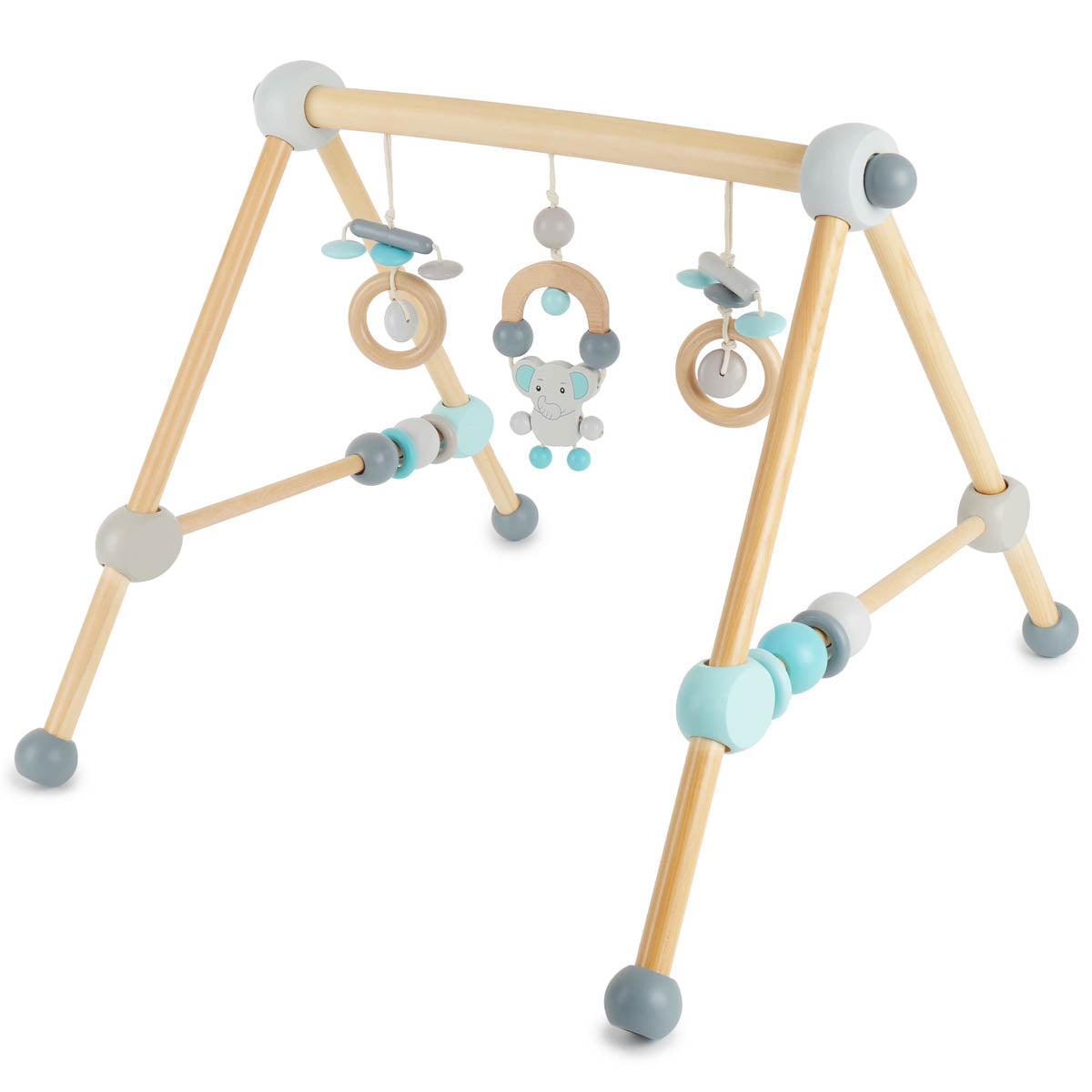
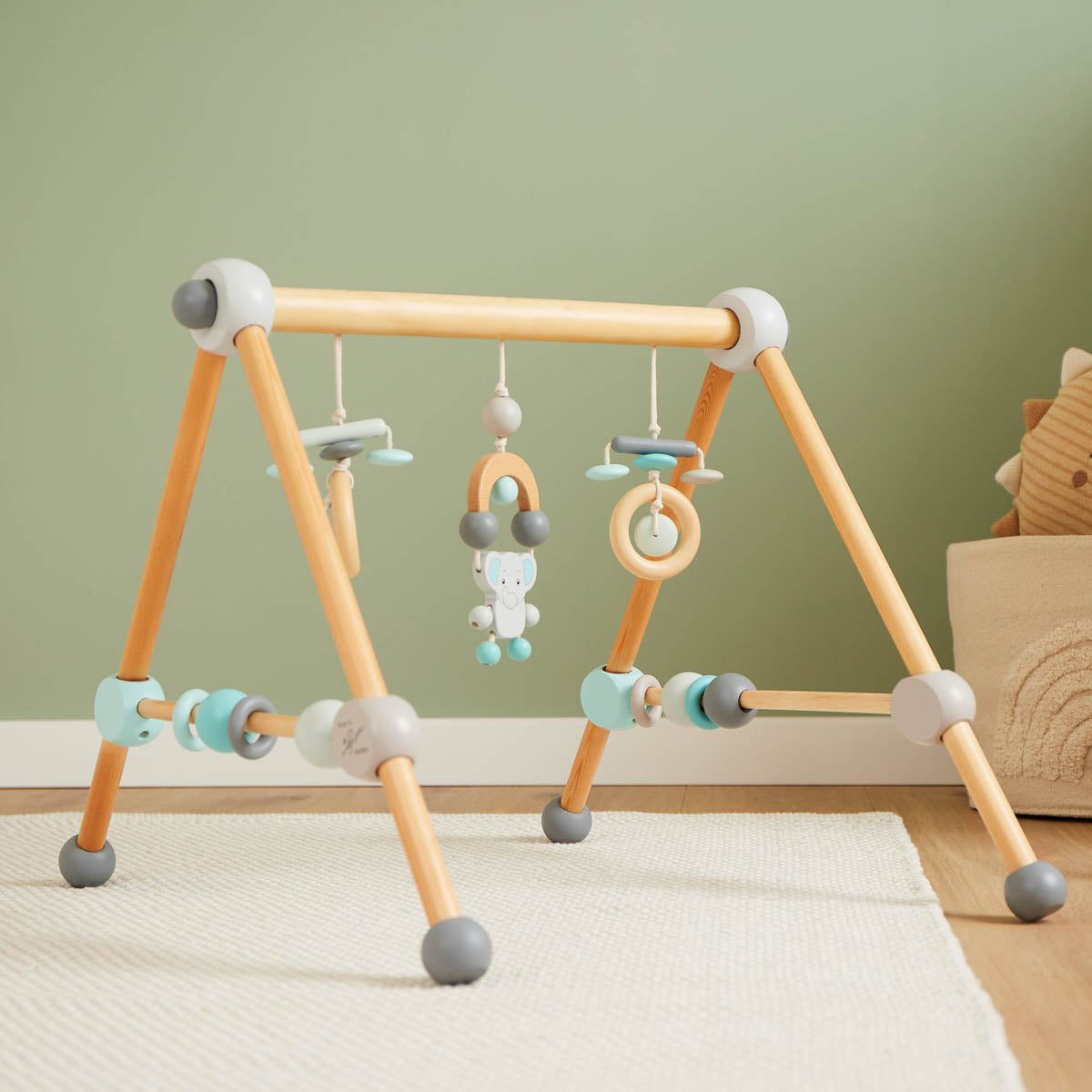
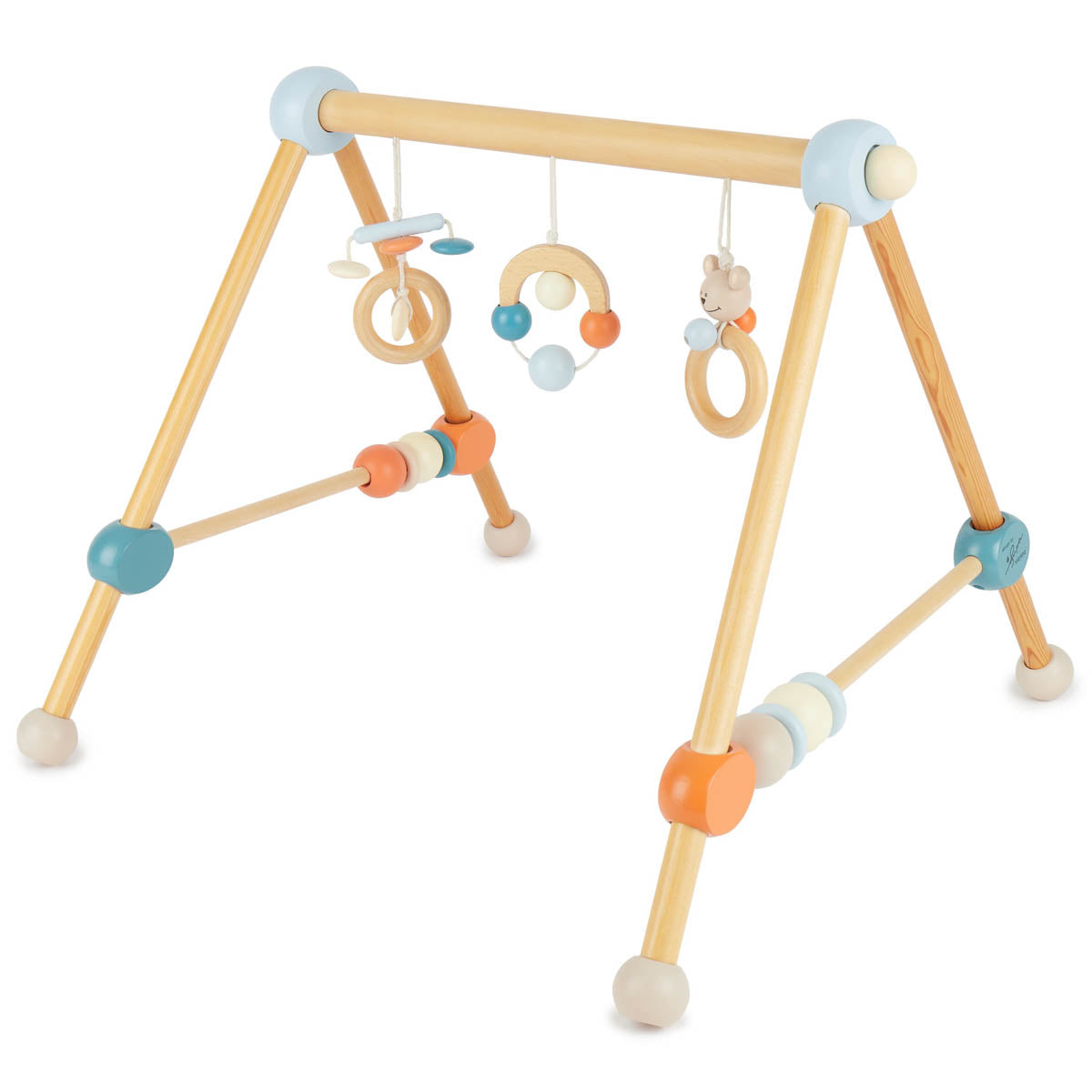
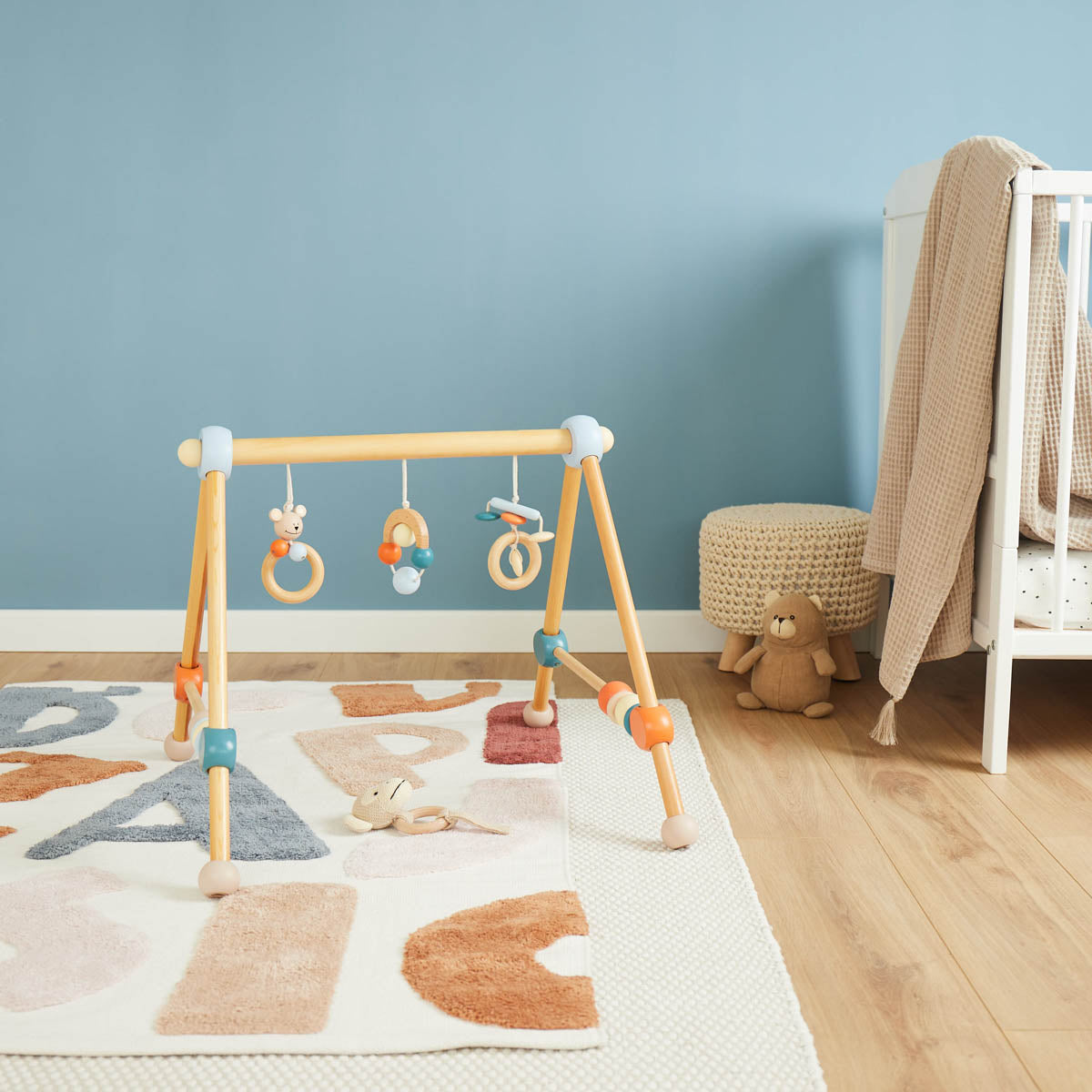
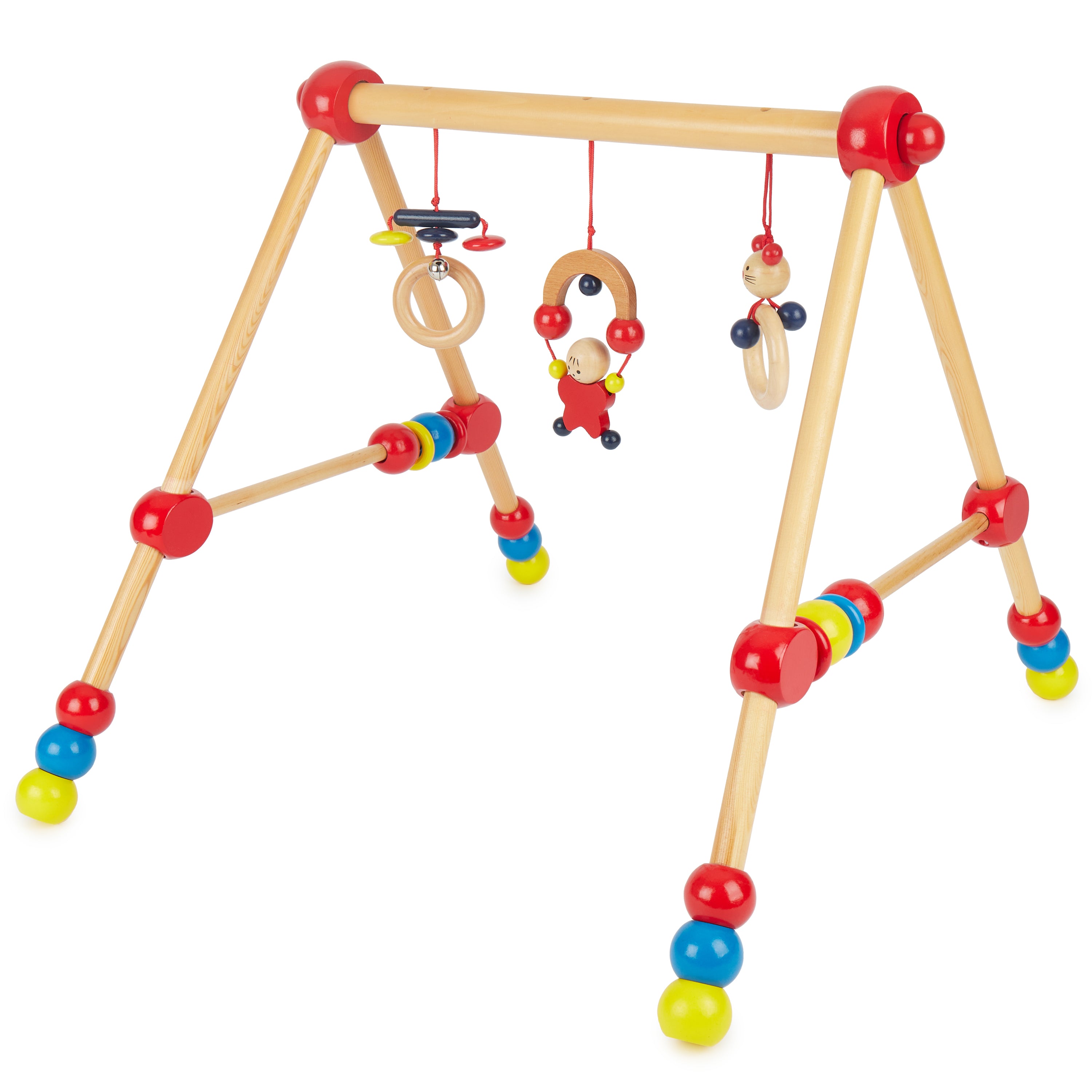
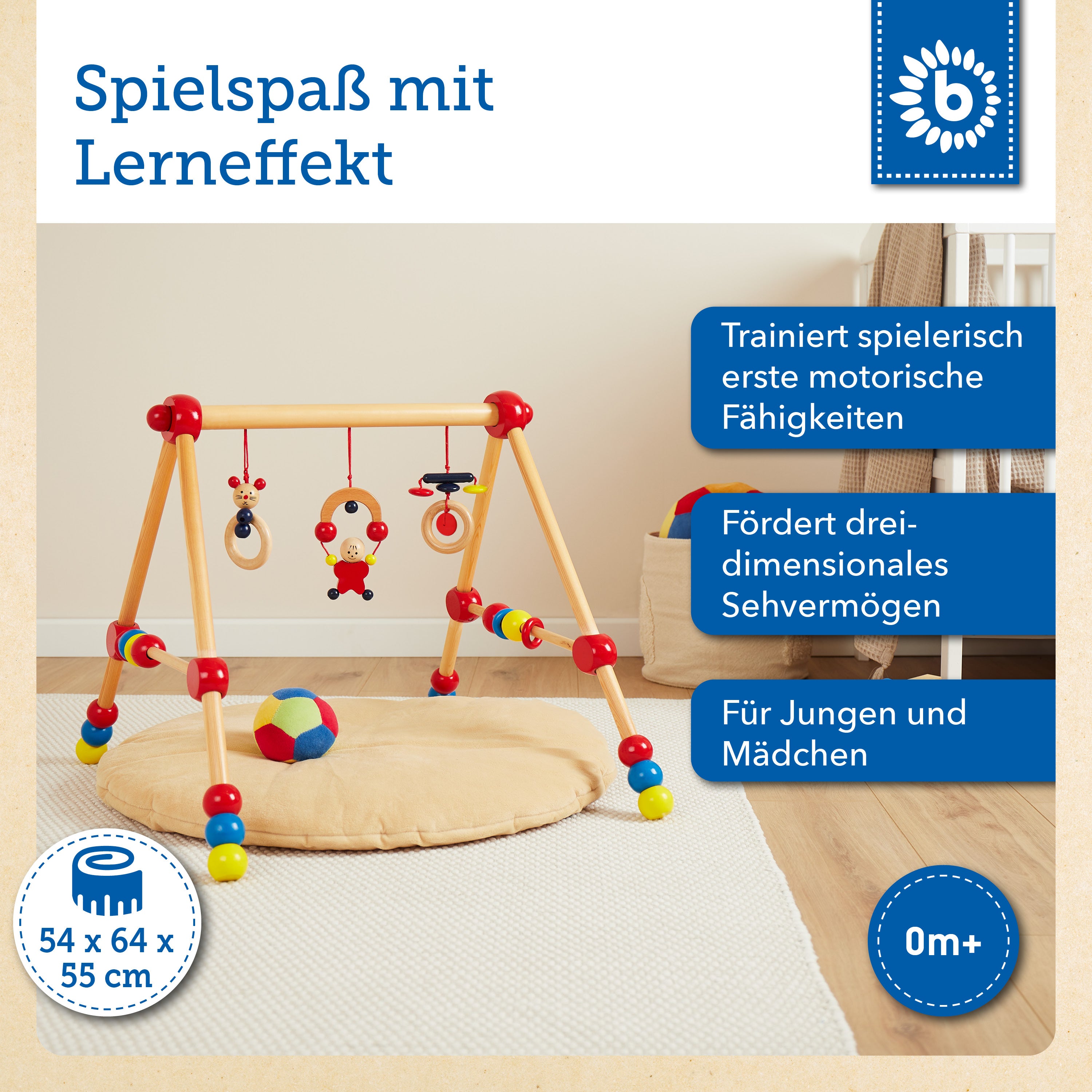
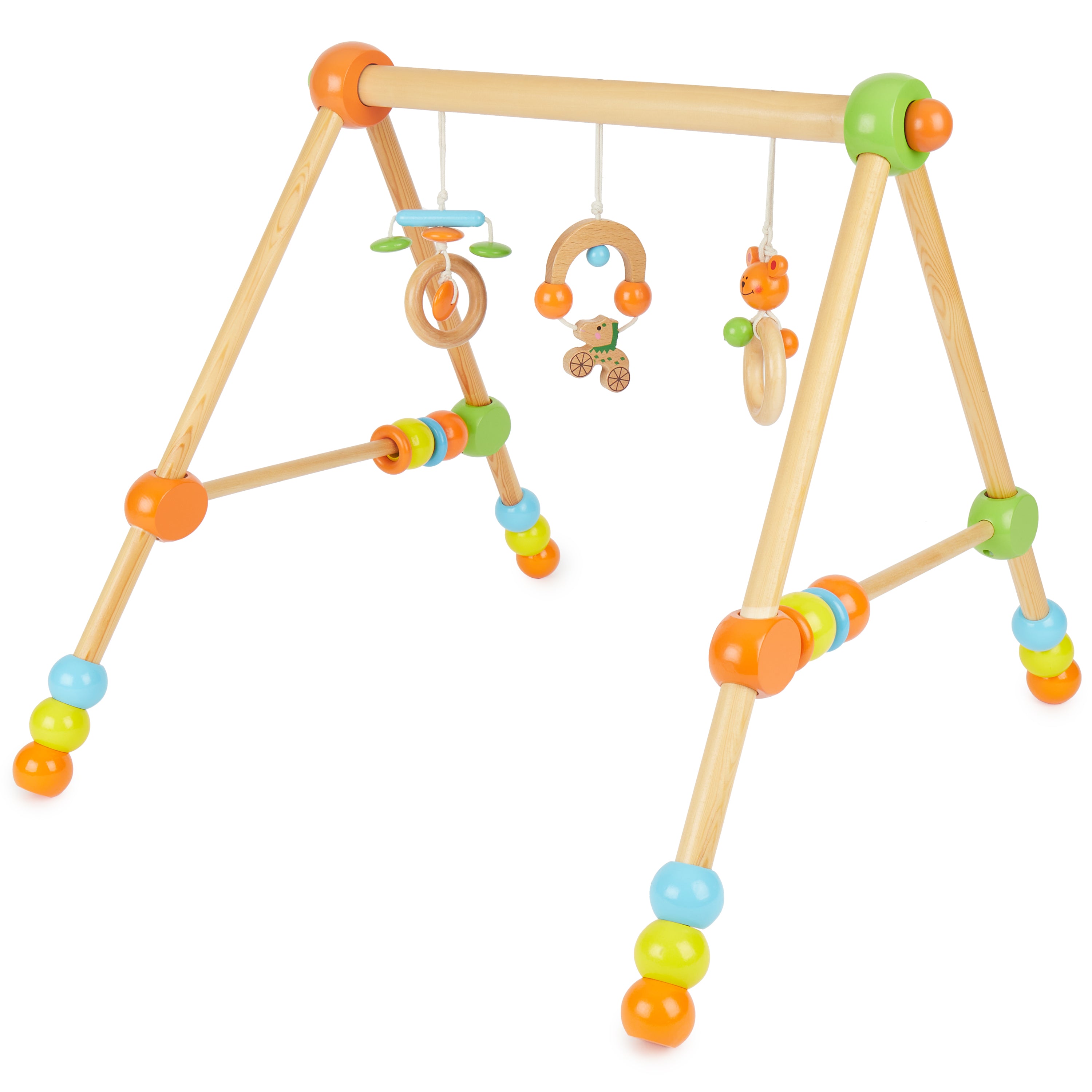
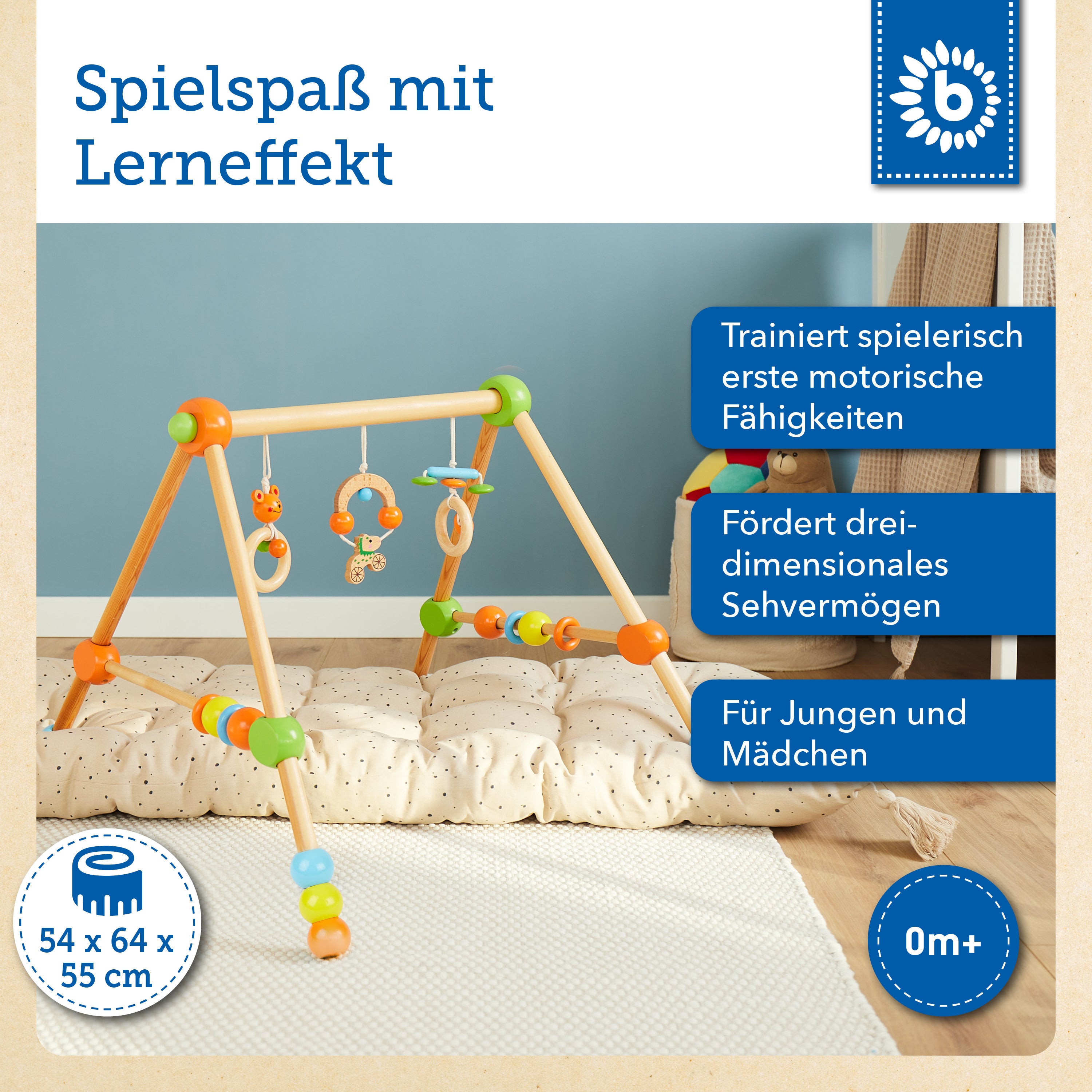
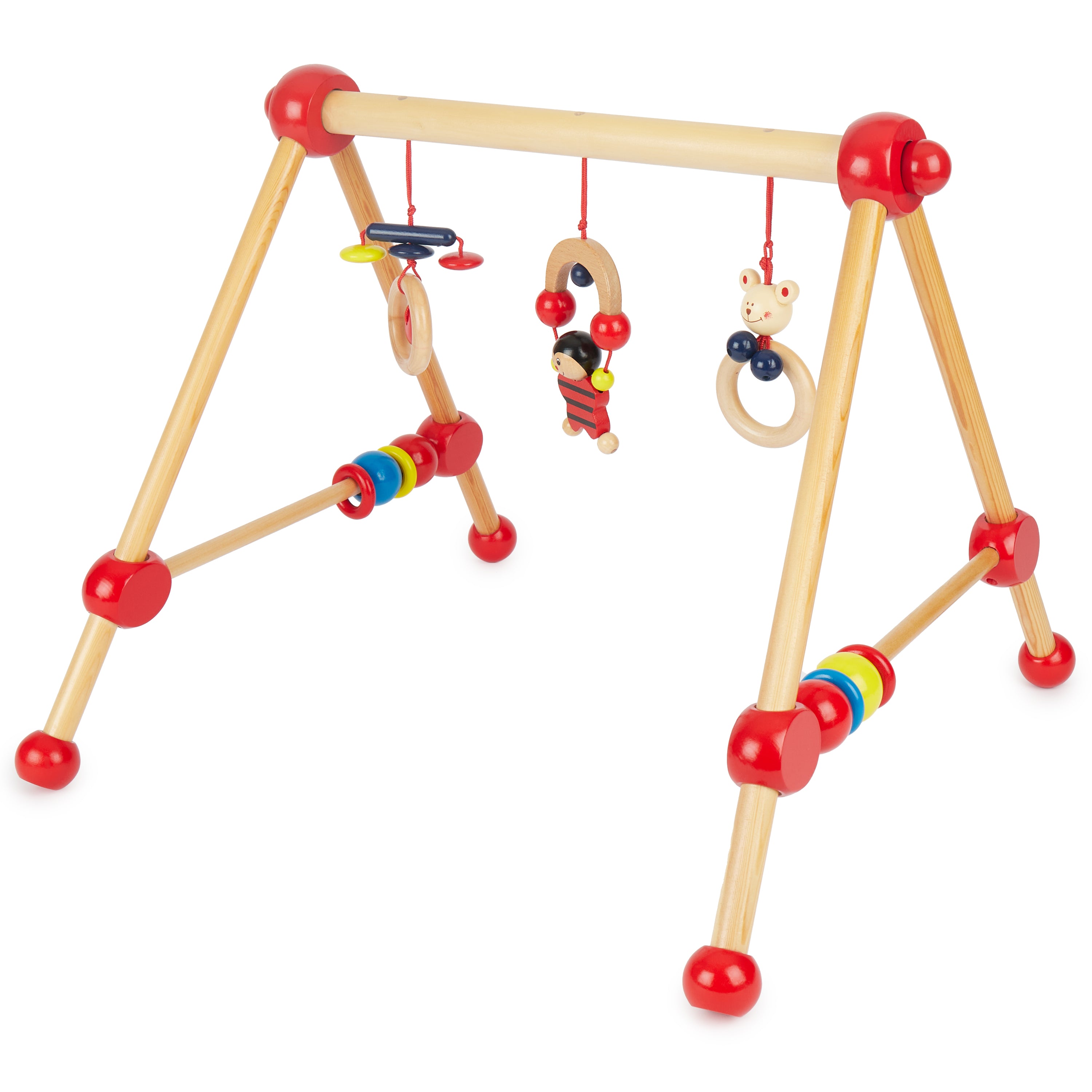
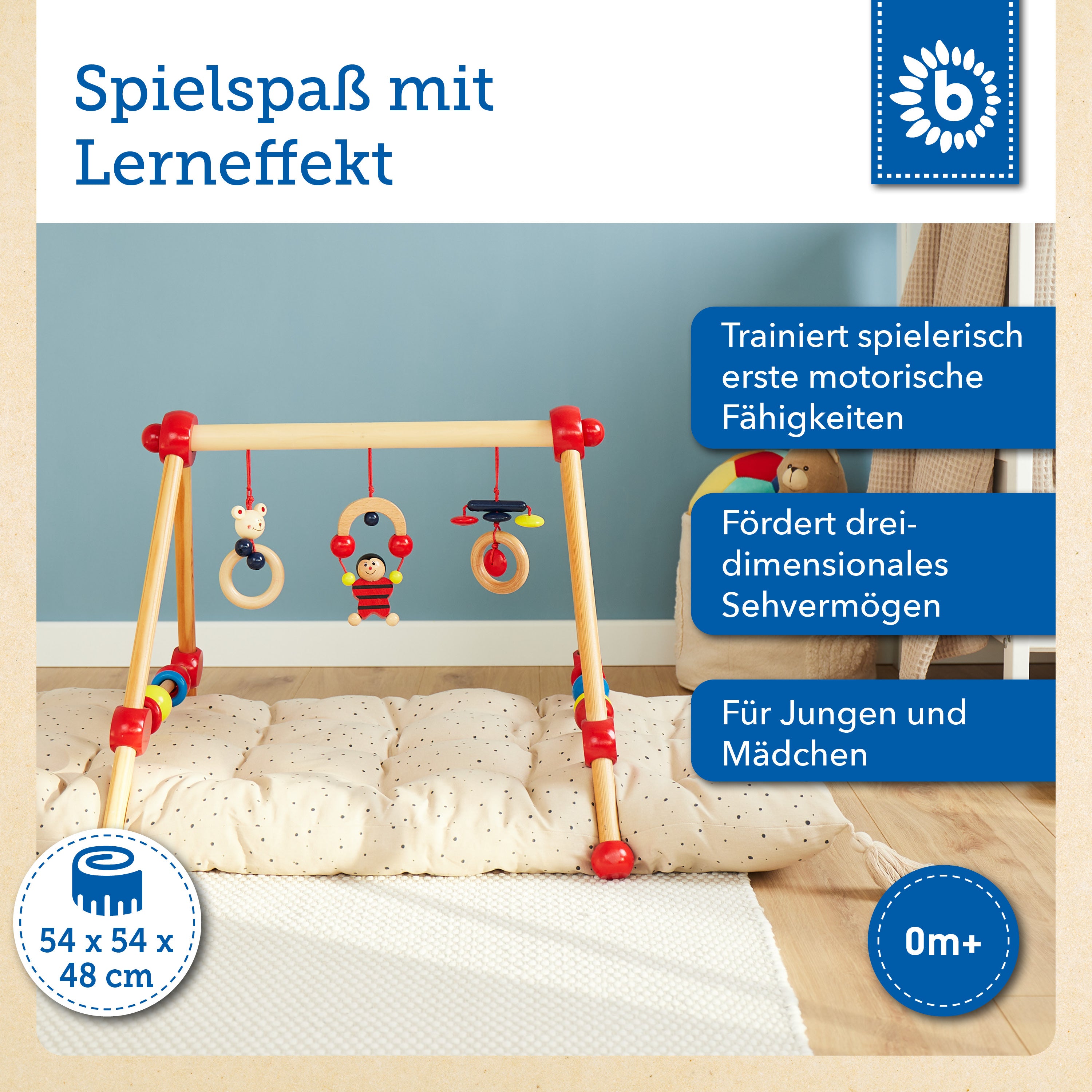
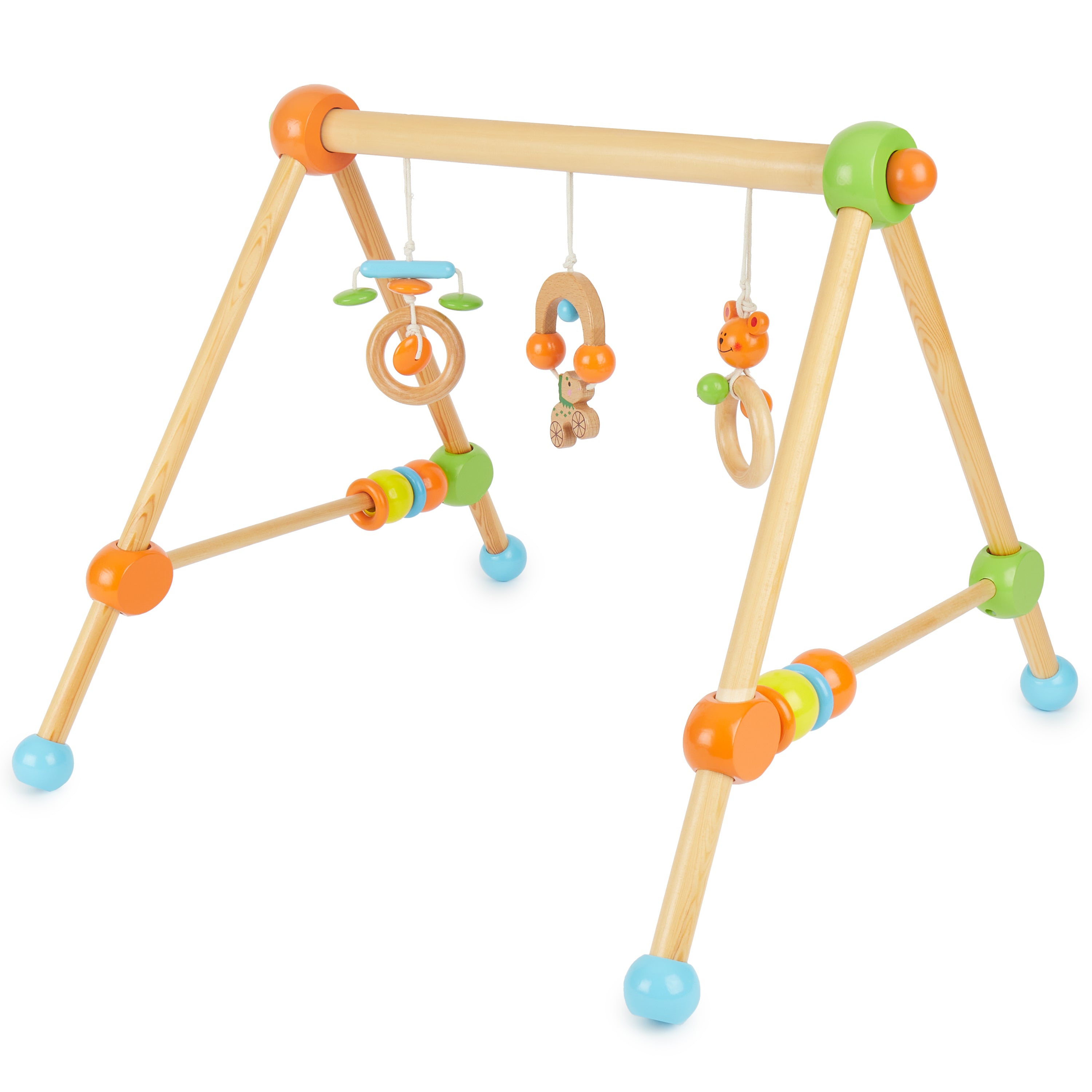
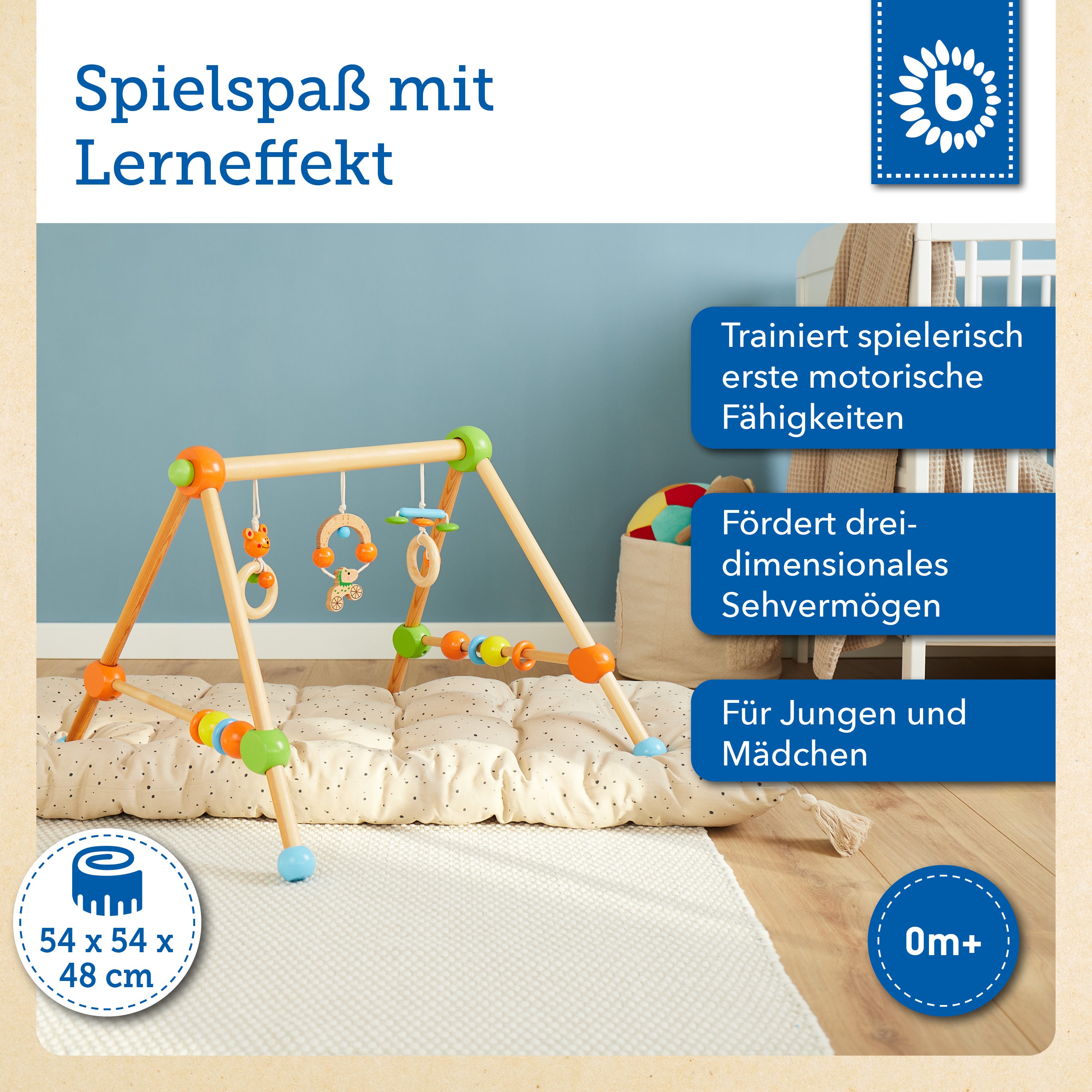
A Montessori play gym is a minimalist baby play gym with just a few interchangeable hanging toys. It is designed so that babies can reach, look and discover cause and effect on their own – without constant jingling and sensory overload. This page is the handy shortcut if you are looking for exactly that kind of montessori baby play gym and don't want to dig through every style first. For the big overview (including other designs), head over here: Play Gyms.
Short & practical: this will help you get started.
- From what age? Many babies find grasping toys exciting from around 3 months (BIÖG/kindergesundheit-info.de: Playing in the first year of life).
- How many hanging toys? Usually 2–3 easily reachable pieces are enough – better to rotate than to overload.
- Safety check: Stable, no loose parts, suitable age recommendation; according to the consumer advice centre (Verbraucherzentrale), the CE mark is not a quality seal (CE & buying toys).
What will you find in this “Montessori Play Gym” collection?
This is all about Montessori-inspired play gyms: calm, clear, interchangeable. In this sub-collection you will find play gyms that, in both look and play concept, follow a “less is more” approach – often designed as a wooden montessori play gym or a montessori play gym made of wood, sometimes with fabric elements to combine. Important: “Montessori-inspired” does not automatically mean “certified Montessori material” – it mainly refers to the idea of reduced stimulation, free exploration and a tidy play area.
Montessori in everyday baby life means: preparing the environment so that the child becomes active on their own. This very principle of the “prepared environment” is also described by the Association Montessori Internationale (AMI) as a deliberately designed learning environment for independent, hands-on learning (AMI: Montessori Environments).
How to choose the right Montessori play gym (5 criteria that really matter)
A good Montessori play gym suits your baby, your floor and your daily routine. Sounds simple – and it is, once you quickly go through these five points:
- 1) Stability & leg spread: The gym should stand firmly, even when your baby kicks or pulls harder. If it wobbles, it's annoying – and it just doesn't feel right.
- 2) Height & position of hanging toys: Ideally, the hanging toys are within reach at chest height. A height-adjustable play gym is handy but not essential – often it is enough to hang the toys higher or lower.
- 3) Attachments & interchangeability: Make sure you can easily swap montessori play gym hanging toys. A Montessori play gym thrives on rotation: a ring today, a fabric leaf tomorrow, a quiet little bell the day after.
- 4) Material & surface (saliva-safe): Babies explore a lot with their mouths; that's why smooth edges, clean workmanship and suitable surfaces are important. For painted wood, it is a good sign if the manufacturer follows toy standards (see the safety section).
- 5) Does it fit your mat/blanket? Some gyms stand well on the floor, others work better over a play blanket. If you already love a blanket: measure, hold it up briefly, done.
Mini checklist for day one (no perfectionism). Set up the gym, hang 2 toys, lay your baby comfortably underneath – and watch for 2 minutes: does your baby reach for it, seem calmly interested, and does everything stay stable? Then you're already pretty far along.
0–2 months to 6+ months: Which Montessori ideas fit when?
At the beginning, what matters most is: seeing, focusing, briefly marveling – not being “entertained”. In the first weeks, many babies are already well occupied with a calm focal point. Montessori fans often use mobiles in this phase (e.g. Munari or Gobbi mobiles) as visual stimuli – we mention this deliberately here, even though it doesn't necessarily have to be part of this collection. If you start with a play gym: choose very few, calm hanging toys.
From around 3 months, grasping and “I can do it!” become noticeably more interesting. The BIÖG on kindergesundheit-info.de states that “real” toys such as rattles, grasping toys or teething rings become more relevant from around 3 months (Source). That's exactly when a montessori play gym often becomes really fun: grasp, pull, let go, repeat.
Later, mobility decides – not the calendar age. If your baby turns, crawls or pushes up a lot, the area around the gym becomes more important: a non-slip surface, enough space and a gym that isn't “in the way”. For the next phase, you can also branch out into other categories, e.g. Baby Walkers or Pull-Along and Push Toys.
Wood, fabric, hanging toys: What really makes them “Montessori”
Montessori doesn't mean “wood only”, but “clear, meaningful and not too much at once”. A wooden montessori play gym often looks pleasantly calm and feels “honest” to the touch – your baby senses edge, shape and weight. Fabric hanging toys are often easier to grasp and can provide soft stimuli. Many families like the mix, as long as everything is securely attached.
Montessori-style play gym hanging toys are best when they are light, easy to grasp and interchangeable. If you notice that a hanging toy is too heavy or your baby gets frustrated: swap it out instead of “pushing through”. To go with the rotation, you will often find calm grasping options in Rattles and Teething Rings.
If you're still unsure about the material, take the relaxed shortcut. Read the comparison in our guide: Play Gym Made of Wood or Plastic? The Big Material Comparison.
Safety: CE, EN 71 – and the quick parent check
With play gyms, mechanics come first: stable, no small parts, no nasty edges. Especially with baby toys, the “hands-on test” after unpacking is worth its weight in gold: the consumer advice centre (Verbraucherzentrale) recommends checking toys with all your senses (smell, workmanship, anything unusual) (Source).
The CE mark is mandatory, but according to the consumer advice centre it is not an independent quality seal. That means: CE should be there – still, it's worth taking a look at the workmanship and warning notices (Source).
The DIN EN 71 series of standards covers several safety areas – not just “chemistry”. DIN explains that the European DIN EN 71 series of standards covers, for example, mechanical/physical properties (EN 71-1) and flammability (EN 71-2) as well as chemical aspects such as the migration of certain elements (EN 71-3) (DIN: Toy Safety).
Cords that are too long are a real no-go for toddler toys. In its notes on warning labels, the consumer advice centre explicitly states that toys for children under 3 may contain, for example, long cords that can wrap around the neck (Source). For a play gym, this means in practice: short attachments, firmly fastened, and a quick tug now and then (feel free to be skeptical here).
Care & rotation: How to keep the Montessori play gym “exciting” for a long time
The best Montessori routine is simple: few items hanging, rotate regularly, keep it clean. A set of montessori play gym hanging toys doesn't have to be huge – often a few good pieces that you rotate are enough. And if it gets boring: don't hang more on it, swap instead.
When it comes to cleaning, reality wins: quick first, thorough later. Wipe wood with a damp cloth (don't soak it), wash fabric according to the label. If you want the topic of care sorted out once and for all: Cleaning Play Gyms and Play Mats: Washing & Care Tips.
Why BIECO – short, concrete, no fuss
BIECO is a family business from Hamburg – for 66 years. We like modern Scandi design, but in the end what counts is: easy to assemble, manageable in everyday life and made so that parents don't frown at every touch.
If you're looking for more than “just a play gym”, we'll point you to the calm complements. For later, Wooden Toys often fit well or, if you're heading in a cuddlier direction, Cuddly Toys and Stuffed Animals.
About this page (and where to go next)
This collection is the Montessori branch within our play gyms. If you first want to see all the variants, go back to the parent hub Play Gyms. And if you're looking for “more action” or a combined solution: Activity Centers for Babies or Play Blanket with Play Gym.
FAQ: Montessori Play Gym
From what age does a Montessori play gym make sense?
Many babies find grasping toys really interesting from around 3 months. On kindergesundheit-info.de, the BIÖG mentions “real” toys such as rattles, grasping toys or teething rings from around 3 months. Before that, looking is often enough. If your baby stays calmly curious, that's a good starting point.
How many hanging toys should a Montessori play gym have?
Usually 2–3 hanging toys are enough – and then it's better to rotate them. Fewer pieces often mean more focus, and you can simply swap the hanging toys. A small mix is practical: something to grasp (ring), something soft (fabric) and a quiet sound, if you like that.
How can I tell if a play gym is safe?
Stability, secure connections and appropriate warning notices are crucial. After unpacking, check the smell, the edges and whether any parts come loose – this is what the consumer advice centre recommends. CE must be on it, but it is not a quality seal. Also make sure there are no long cords/loops attached.
Wood or fabric – which suits Montessori better?
Wood often looks calmer, fabric is often easier to grasp. Montessori doesn't mean “wood only”, but “clear and meaningful”. Many families like wood as a base and add 1–2 soft elements. If you're still torn between materials: our material guide (linked above) helps you sort it out.
If you take away just one thing: start small and observe your baby. A Montessori play gym doesn't have to be perfect – it should relieve you and give your baby calm discovery. For the full overview, here is the way back once more: Play Gyms. And straight to the collection: Montessori Play Gym.
By Ulli & Flo · Owners & parents More about us ↓

About this page
Ulli & Flo
Owners of bieco · Hamburg · parents ourselves
We like Montessori play gyms because they don't constantly "push" babies, but leave room for their own pace. And honestly: fewer dangling toys often also means fewer bits and bobs living under the sofa in the evening.